
 0
0
 0
0
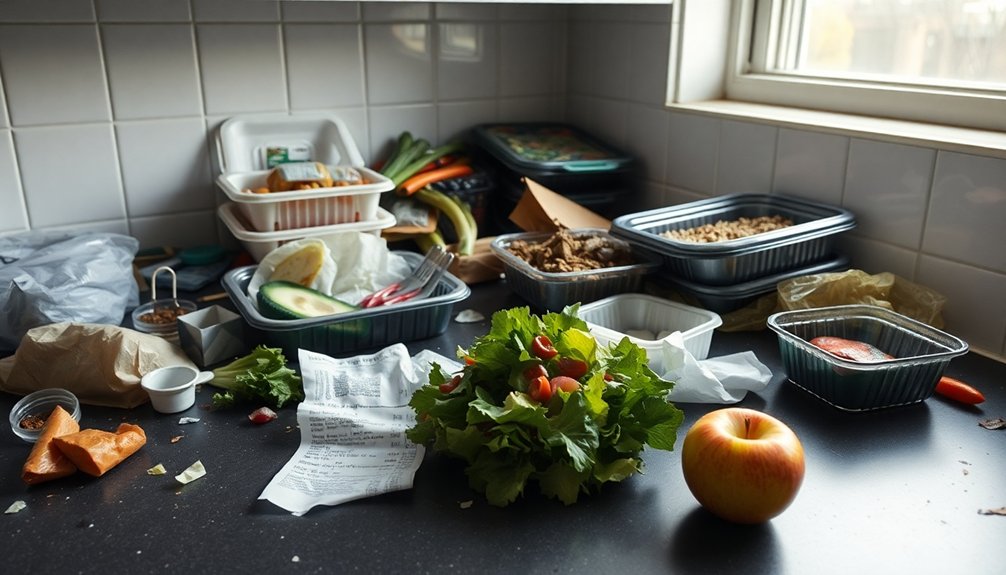
Many people waste food due to habits that favor convenience over mindful eating. This often leads to buying too much or not using what’s already in the fridge. You might fall into the trap of relying on fast meals or take-out, which not only costs more but also increases waste. By making simple changes, like meal planning and utilizing emergency freezer meals, you can reduce waste and save money. There’s more to explore about smart shopping and efficient cooking.
Eliminate Excuses; Identify Your Parameters
When you recognize your unique circumstances, you can eliminate excuses that lead to unnecessary food waste. High grocery spending often arises from justifying large family sizes or meat-heavy diets.
By identifying your dietary priorities, you can streamline your grocery list, ensuring you only buy what you genuinely need and like. This not only helps save money but also reduces waste.
For singles, planning meals around what you’ll actually consume is essential; cooking for one shouldn’t lead to wasted ingredients. Acknowledging your cooking capacity and simplifying meal prep can maximize the use of your groceries. Additionally, utilizing effective budgeting tools can help track your expenses and ensure that you stay within your grocery budget.
Where You Shop
When you shop, comparing prices at different grocery stores can lead to significant savings on your essentials. Creating a shopping list based on what you truly need helps you avoid impulse buys and reduces food waste. Utilizing tools like price comparison tools can help you identify the best deals available, ensuring you save money on your grocery purchases.
Store Price Comparisons
Conducting price comparisons across grocery stores can save you a significant amount of money on your shopping trips. Prices for everyday items can vary widely, so identifying the cheapest store for your frequently purchased products lets you maximize your grocery budget.
If you have the time, shopping at multiple stores can enhance your savings by allowing you to take advantage of weekly sales and discounts. Don’t forget to check online options like Amazon and Jet.com, which often offer competitive pricing.
Shopping List Essentials
Creating a shopping list is a powerful tool that not only streamlines your grocery trips but also helps you avoid unnecessary purchases.
To maximize your savings and efficiency, consider these essentials:
- Price Comparison: Research prices at various stores to find the best deals on frequently purchased items.
- Multiple Stores: Utilize different grocery stores, as some offer better prices on specific products than others.
- Online Options: Don’t overlook online platforms like Amazon or Jet.com, which can provide competitive pricing for certain groceries.
Be Wary Of Coupons
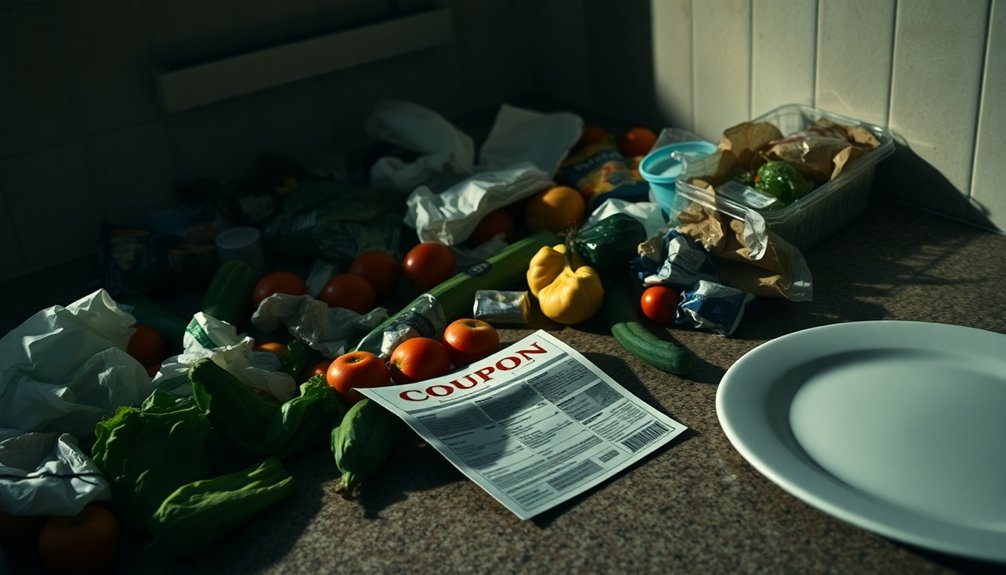
Have you ever wondered if those enticing coupons are really saving you money? While they can lead to savings, they often encourage you to buy items you don’t need, resulting in food waste.
Many coupons are for processed or pre-packaged foods, which can cost more and be less healthy than cooking from scratch with raw ingredients. Research shows you might spend more than you save by purchasing items just because you have a coupon.
This creates a false sense of savings, distracting you from essential budgeting and meal planning practices that truly cut grocery costs. Always evaluate if the items on sale align with your dietary priorities to avoid accumulating excess food that could go to waste. Additionally, consider leveraging cashback programs to ensure you’re maximizing savings on necessary purchases instead of falling for discounted items that may lead to waste.
How You Shop
When you shop, having a list is essential to avoid buying items you don’t need.
Take the time to compare prices between stores; this not only saves you money but also helps you stick to your list. Utilizing tools like price comparison platforms can significantly enhance your shopping experience and ensure you get the best deals available.
Shopping List Essentials
A well-planned shopping list is your best ally in reducing food waste and sticking to your budget. Before you head to the store, check your pantry and fridge. This way, you won’t buy items you already have, saving money going to waste.
To maximize savings, consider these essentials:
- Stick to your list: Impulse buys can derail your budget.
- Shop when full: Avoid shopping when you’re hungry to minimize unnecessary purchases.
- Use price comparison tools: Identify the best prices for your frequently bought items.
Price Comparison Strategies
How can you guarantee you’re always getting the best deal on groceries? By implementing effective price comparison strategies!
Start by checking multiple grocery stores for the best prices on frequently purchased items. Don’t forget to explore online platforms like Amazon or Jet.com, where you might find exclusive deals.
Keep a list of your preferred items and their prices to make informed choices and streamline your shopping trips. Regularly review local grocery store flyers and take advantage of digital coupons to enhance your savings further.
Avoiding Impulse Purchases
To avoid impulse purchases that lead to food waste, it’s vital to shop with a plan. Here are some strategies to help you stay focused:
- Create a shopping list: Check your pantry and fridge first to only buy what you need.
- Never shop hungry: This temptation often results in buying unnecessary items that go uneaten.
- Choose the right time to shop: Pick times when you’re less stressed and distracted for more intentional purchasing decisions.
Involving family members in the list-making process guarantees that you buy foods everyone will consume.
What You Buy
While shopping for groceries, many people find themselves making impulsive purchases that lead to unnecessary waste. To avoid this, make certain you create a list before heading to the store.
Large families often overestimate food needs, which results in items spoiling before they’re consumed. If you’re single, be cautious about buying specialty ingredients for recipes you might never make; this only adds to your waste.
Additionally, opting for pre-made or convenience foods might seem easy, but it often leads to leftovers that get tossed. Instead, plan your meals around what’s already in your pantry. Utilizing digital coupons can further ensure that you save money while purchasing items you genuinely need.
This approach not only minimizes overbuying but guarantees everything you purchase gets eaten before it expires, saving you money and reducing waste.
Don’t Eat Out
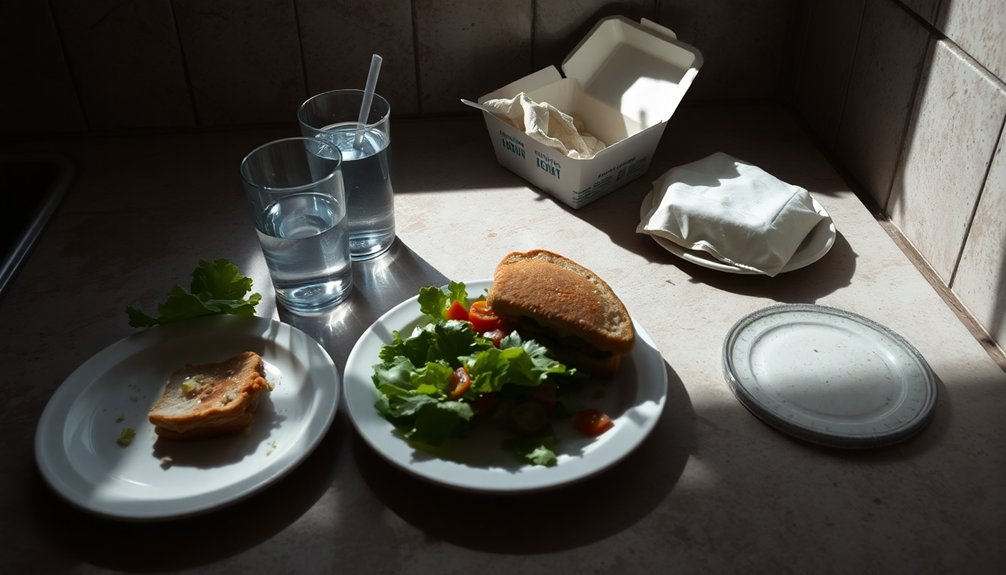
When you eat out, you’re likely spending 2-3 times more than if you cooked at home, which can lead to food waste and overspending.
By preparing your meals, you not only control portions but also get creative with leftovers, ensuring you use every ingredient wisely.
Choosing home cooking over dining out can transform your budget and reduce waste dramatically. Additionally, utilizing expense management apps can help you track your food spending more efficiently, ensuring you stay within your budget while minimizing waste.
Costly Dining Alternatives
Instead of dining out, consider the financial and environmental benefits of preparing meals at home. Costly dining alternatives can drain your time and money while contributing to food waste.
Here are a few reasons why you should think twice about eating out:
- Dining out typically costs three to four times more than cooking at home.
- The average American spends around $3,000 a year on take-out, money that could buy fresh ingredients.
- Larger portion sizes often lead to uneaten leftovers, increasing food waste.
Home Cooking Benefits
Cooking at home not only saves you money but also empowers you to make healthier choices. The home cooking benefits are numerous, with estimates showing you can save over $2,000 annually compared to dining out.
By preparing your meals, you gain control over ingredients, reducing preservatives and sodium that often sneak into restaurant meals. Plus, cooking at home lets you buy in bulk, lowering your cost per meal while minimizing food waste through better planning.
It encourages creativity, allowing you to tailor recipes to fit your dietary needs and preferences. With a repertoire of easy meals, you’ll find yourself cooking more often, keeping your budget intact and reducing reliance on take-out.
Emergency Freezer Meals: Get Them NOW
If you want to simplify your weeknight dinners and save money, stocking your freezer with emergency meals is a smart move.
These emergency freezer meals provide quick, nutritious options that prevent you from relying on expensive take-out. By preparing meals in advance, you can:
Emergency freezer meals offer quick, nutritious solutions, helping you avoid costly take-out while simplifying weeknight dinners.
- Use ingredients you already have to minimize food waste.
- Freeze meals in individual portions to control servings and avoid overeating.
- Prepare for unexpected situations like illnesses, reducing stress and keeping your budget intact.
- Additionally, utilizing budgeting apps can help you better manage your grocery spending and track savings on your meal prep.
With a well-stocked freezer, you’ll save money over time by avoiding impulse grocery purchases and food spoilage.
Go Easy On Weeknights
Go easy on weeknights by focusing on easy-to-prepare dishes rather than complex gourmet recipes. This saves you time and cuts down on food waste, especially when you create a rotation of repeatable meals.
Planning ahead helps you utilize ingredients effectively, minimizing unnecessary purchases and the risk of uneaten leftovers.
Embrace straightforward meal prep techniques like bulk cooking or one-pot meals to streamline your cooking process.
Acknowledge your limitations during busy nights, as this encourages simplicity and better food management. Additionally, consider using expense tracking apps to monitor your grocery spending and reduce food waste.
Don’t Waste Your Food: Leftovers Must Be Eaten
Leftovers are a valuable resource that often goes underappreciated, yet they can play an essential role in reducing food waste.
You should recognize that these meals aren’t just remnants; they’re opportunities. Remember, leftovers must be eaten!
Here’s how you can make the most of them:
- Proper storage: Use glass containers or freeze your leftovers to keep them fresh longer.
- Creative repurposing: Transform roasted veggies into soups or stir-fries to give them new life.
- Smart shopping: Stick to a list and buy only what you’ll enjoy to avoid excess groceries.
Additionally, embracing a circular economy through the careful use of leftovers can contribute to sustainable practices and lower overall waste.
A Note On Kidlets
Making the most of your groceries means not just focusing on leftovers but also considering how to introduce healthy eating habits to your little ones. Start by offering a variety of flavors and textures to your kidlets early on; this can help reduce pickiness as they grow.
Stick to healthy food options, so they learn to enjoy nutritious meals without needing separate, less healthy choices. Serve small portions, allowing them to ask for more if they’re still hungry, which encourages self-regulation.
Don’t forget to save leftovers from their meals to minimize waste and create convenient options for future snacks. Ultimately, avoid sweets and sugary drinks to help them develop a solid foundation for a healthy diet. Additionally, involving them in sustainable delivery practices can teach them the importance of making environmentally conscious choices from a young age.
Conclusion
In the end, don’t let convenience and waste dictate your meals. Picture a colorful fridge brimming with leftovers, ready to transform into quick, delicious dinners. Embrace the challenge to savor every bite and reduce waste, turning your kitchen into a treasure trove of creativity. With a little planning and intention, you can feast without guilt, knowing you’ve made a difference. So roll up your sleeves, dig in, and let every meal tell a story worth savoring.