 0
0
 0
0
An old water heater can be worth between $7 and $30 in California, depending on its size and materials. Whole units don’t yield as much as disassembled ones, where you can profit from valuable components like copper heating elements and brass pressure relief valves. Local scrap yard prices change, so it’s smart to check before recycling. Want to know how to maximize your water heater’s value and transport it safely? There’s more to uncover!
Understanding Scrap Metal Prices in California
When you’re looking to recycle an old water heater in California, understanding scrap metal prices is essential. Typically, these prices range from $7 to $30, depending on the size and materials in your unit.
If you can separate valuable metals like copper, brass, and aluminum before recycling, you could markedly increase your profits. Whole water heaters processed as light-steel shred yield lower rates compared to those with valuable components extracted.
Since scrap metal prices fluctuate, it’s smart to check local scrap yard prices before you take your old water heater in for recycling. Additionally, container services for scrap metal can help streamline the collection and transport process, making it easier for you to maximize your recycling benefits. Utilizing effective tracking tools can further enhance your profitability by ensuring that you keep accurate records of your recycling activities and expenses.
Key Components of a Water Heater and Their Value
A water heater consists of several key components that contribute to its overall value when recycling.
Understanding these parts can help you maximize your scrap value. Here are some important components:
- Tank: Primarily made of steel, which can yield lower scrap rates if recycled whole.
- Heating elements: Often made of copper, they can fetch higher prices.
- Copper wiring: A valuable metal that can range from $2.00 to $3.00 per pound at scrap yards.
- Pressure relief valve: Typically brass, it can be sold separately for a higher price.
Monitoring the performance of investments in recycled materials can enhance your profitability in this process.
The Process of Recycling Water Heaters
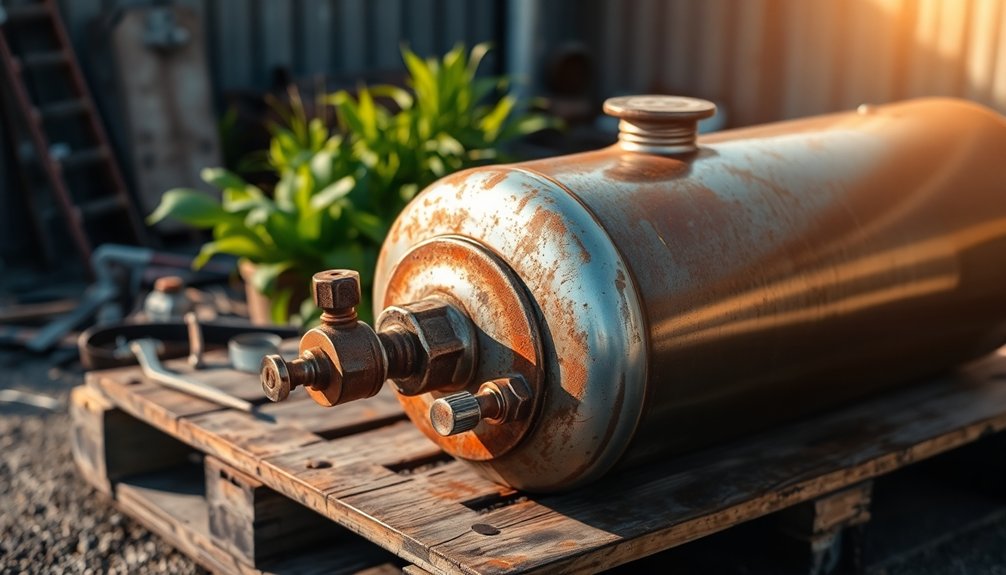
Recycling water heaters is a valuable process that not only helps the environment but also allows you to earn some money from old appliances.
When you recycle your water heater, companies like Ed Arnold Scrap Processors accept them from homeowners and contractors, offering payment based on the materials recovered. The scrap value can range from $7 to $30, influenced by the size and whether you recycle it whole or disassembled.
During the recycling process, valuable metals such as copper, brass, and aluminum are separated to maximize overall value. Utilizing scrap metal container services can streamline this process, providing a designated space for your water heaters until they’re transported to scrapping facilities. Opting for sustainable practices during the recycling process not only maximizes profits but also contributes to a more eco-friendly approach to waste management.
Understanding current market rates for metals is essential for maximizing profits.
Factors Affecting the Value of Old Water Heaters
Although the value of an old water heater can seem straightforward, several factors influence how much you’ll actually receive when recycling it. Understanding these factors can help you maximize your return:
- Material Composition: Water heaters with valuable metals like copper, brass, and aluminum are worth more.
- Condition: A well-maintained heater can yield a better price than a worn-out one.
- Recycling Method: Dismantling your heater for parts often results in higher compensation compared to recycling it whole.
- Market Rates: Current market rates for metals fluctuate, so checking these rates before recycling is essential to maximize your value.
- Price Comparison Tools: Utilizing price comparison tools can also help you find the best recycling options in your area for better compensation.
The Benefits of Dismantling Water Heaters for Parts
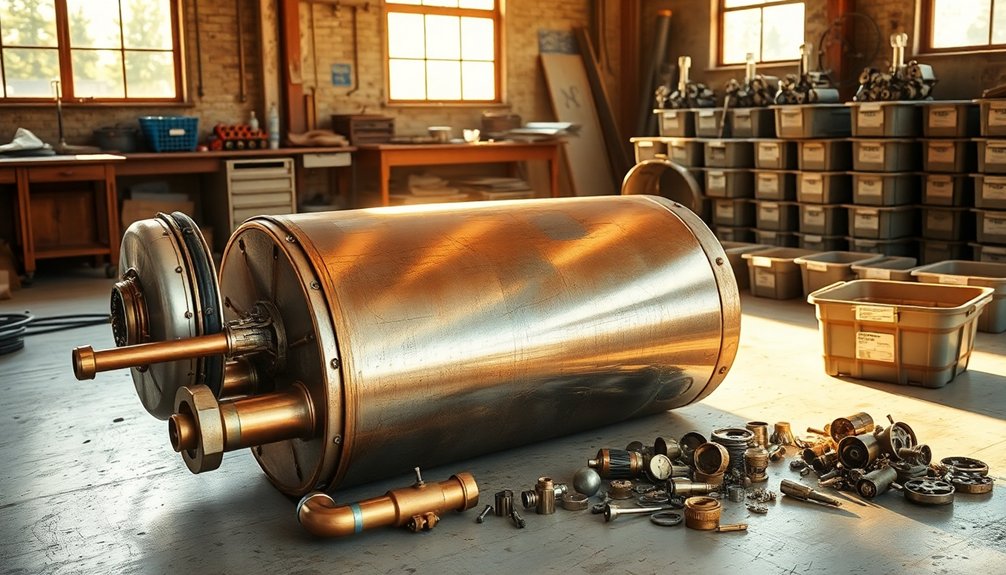
When you dismantle a water heater for parts, you can boost its scrap metal value considerably. This process not only helps you recover materials more efficiently but also contributes to environmental sustainability by reducing waste. Understanding the value of each component can lead to smarter recycling decisions and greater profits. Additionally, this practice supports sustainable consumption patterns that help address global warming.
Increased Scrap Metal Value
Dismantling an old water heater can reveal hidden value by allowing you to extract valuable metals like copper, brass, and aluminum. This process considerably increases the scrap value compared to selling the whole unit.
By separating components, you can enhance your recycling profit and take advantage of current market rates.
- Copper and brass fetch higher prices when sold individually.
- The pressure relief valve can be sold as dirty brass or cleaned for more profit.
- Light-steel shred typically results in lower payouts.
- Sorting materials improves recycling efficiency and earnings.
Taking the time to dismantle your water heater can turn what seems like waste into a profitable venture, maximizing the value of those valuable metals.
Efficient Material Recovery Process
If you want to maximize your earnings from an old water heater, understanding the efficient material recovery process is key.
Dismantling the unit allows you to extract valuable metals like copper, brass, and aluminum, greatly boosting your scrap value. By separating components such as the pressure relief valve and drain valve, you can sell these parts individually, often at higher prices than if you sold the entire heater as bulk scrap.
Depending on the size and material composition, dismantling can yield between $7 to $30, with separated parts offering even greater returns.
Environmental Sustainability Benefits
Although many people overlook the potential of old water heaters, dismantling them for parts offers significant environmental sustainability benefits.
By recycling these components, you not only conserve natural resources but also contribute to a cleaner planet.
Here are some key benefits of dismantling water heaters:
- Recovery of valuable metals like copper and aluminum, increasing recycling profits.
- Higher resale value for separated components, promoting sustainable practices.
- Reduction of landfill waste, as many materials can be reused or repurposed.
- Minimized environmental impact from mining new raw materials, lowering greenhouse gas emissions.
Engaging in this process supports a circular economy, ensuring materials stay in use longer and reducing the demand for new resource extraction.
Environmental Impact of Recycling Water Heaters
Recycling your old water heater can greatly cut down on energy consumption and landfill waste.
By ensuring proper disposal, you help recover valuable resources and prevent harmful materials from polluting the environment.
Not only does this support a healthier planet, but it also promotes a more sustainable way of living. Additionally, participating in recycling efforts reduces textile waste and encourages responsible consumption practices that benefit the entire ecosystem.
Energy Consumption Reduction
Upgrading to a modern water heater not only enhances your home’s efficiency but also markedly cuts energy consumption. By replacing your old unit with an energy-efficient model, you could lower your utility bills by 10-50%.
Here’s how recycling old water heaters helps:
- Reduces carbon emissions, contributing to a smaller carbon footprint.
- Conserves natural resources by recovering valuable metals like copper and aluminum.
- Promotes environmental health through proper disposal of harmful materials.
- Saves money in the long run with advanced technology designed to optimize energy efficiency.
Making this switch isn’t just beneficial for your wallet; it also plays a crucial role in reducing energy consumption and protecting the environment.
Landfill Waste Decrease
When you choose to recycle your old water heater, you’re taking a significant step toward reducing landfill waste.
These units contain valuable recyclable materials like steel, copper, and aluminum, which can be repurposed instead of tossed aside.
In California, recycling efforts divert thousands of tons of metal from landfills each year, contributing to sustainability goals and minimizing environmental impact.
By recycling, you not only cut down on landfill contributions but also help lower greenhouse gas emissions linked to manufacturing new materials from raw resources.
Plus, you promote a circular economy where materials are continually reused.
Your decision to recycle your water heater plays a crucial role in environmental conservation while potentially providing you with financial returns from scrap value.
Resource Recovery Benefits
While you mightn’t think much about your old water heater, recycling it offers significant resource recovery benefits that positively impact the environment.
Here’s why you should consider it:
- Reduces landfill waste: Old water heaters comprise metals and components that can be reused.
- Conserves natural resources: Recycling recovers valuable metals like copper and aluminum, reducing the need for energy-intensive mining.
- Lowers greenhouse gas emissions: The energy used in recycling is less than that needed to produce new metals from raw materials.
- Supports a circular economy: Proper recycling promotes sustainable resource management by continuously reusing materials.
How to Safely Transport Old Water Heaters
Transporting old water heaters can be a challenging task, but with the right precautions, you can do it safely.
First, always use a dolly or cart to maneuver the water heater to and from your vehicle, reducing the risk of injury. Make sure the water heater is securely strapped down to prevent rolling and shifting during transport.
If you’re moving multiple water heaters, keep them organized and evenly distributed in your vehicle for balance and stability.
Before you start, check the weather conditions; rainy weather can keep scrap materials cleaner, but be cautious of slippery surfaces.
Finally, don’t forget to wear gloves and protective gear to avoid cuts or injuries from sharp edges or heavy components. Additionally, consider scheduling alerts for timely payments to ensure you can cover any associated costs without financial strain.
Local Scrap Yards and Their Pricing Structures
After safely moving your old water heater, it’s important to understand how local scrap yards in California value these appliances. The pricing can range from $7 to $30, depending on size and materials.
Here are some factors that influence scrap yard pricing:
- Whether the water heater is recycled whole or disassembled
- The current market rates for scrap metals
- The presence of valuable components like copper and brass
- Availability of container services for efficient recycling
To get the best value, it’s wise to contact multiple scrap yards. Prices can fluctuate, so doing some research guarantees you maximize your financial returns from recycling. Additionally, consider the current market rates for scrap metals, as they can significantly impact your earnings.
Don’t underestimate the hidden value of your old water heater!
Upgrading Your Water Heater: Financial Considerations
Upgrading your water heater can be a smart financial move, especially when you consider the potential savings on energy bills and maintenance costs.
By investing in an energy-efficient water heater, you could reduce your utility costs by up to 30%. Additionally, many new models come with warranties that provide financial protection against unexpected repair expenses.
Investing in an energy-efficient water heater can cut utility costs by up to 30% while offering warranty protection for repairs.
This means that not only will you save on energy, but you’ll also lower maintenance costs over time. The long-term savings often outweigh the initial investment, with many homeowners recouping their costs within a few years.
Plus, you may qualify for rebates and incentives from local utility companies, making your upgrade even more financially beneficial. Furthermore, utilizing budgeting apps can help you track your savings from this upgrade effectively.
Community Resources for Water Heater Recycling
When you’re ready to recycle your old water heater, you’ll find several local scrap yards enthusiastic to help.
Many communities also have initiatives that raise awareness about proper disposal methods, making it easier for you to navigate the recycling process. Additionally, utilizing cashback programs when purchasing a new water heater can further enhance your savings during this transition.
Local Scrap Yard Options
Old water heaters can take up valuable space and contribute to environmental waste if not disposed of properly.
Fortunately, local scrap yards like Ed Arnold Scrap Processors offer a responsible recycling option. Here are some key points to review:
- They accept whole water heaters, paying between $7 to $30 based on material composition.
- Separating valuable metals like copper boosts your scrap value considerably.
- Many scrap yards provide container services for easy transport and storage of scrap materials.
- Always check current market rates for metals to maximize your financial return.
Utilizing these local scrap yards not only helps you declutter but also supports eco-friendly recycling practices, making it a win-win for you and the environment.
Recycling Community Initiatives
Many California communities are taking proactive steps to promote recycling initiatives for old water heaters and other appliances. By recycling your old heater at local scrap yards, you can earn between $7 and $30, depending on its size and materials.
Many scrap yards, like Ed Arnold Scrap Processors, provide container services to help you organize and transport scrap materials efficiently. Community initiatives and forums raise awareness about the benefits of recycling, encouraging responsible disposal while reducing environmental impact.
You should check multiple scrap yards for the best scrap value, as prices fluctuate with market trends. Embracing these community resources not only benefits you financially but also contributes to a sustainable future for California.
Conclusion
In the grand tapestry of home improvement, your old water heater holds hidden treasures waiting to be unearthed. By recycling it, you’re not just clearing space; you’re tapping into a goldmine of scrap metal and valuable parts. So, don’t let that relic gather dust—transform it into cash and make way for a shiny new model. With a little effort, you can turn yesterday’s appliance into today’s opportunity, all while contributing to a greener community.