
 0
0
 0
0
Reusable toilet paper, or family cloth, is both sanitary and worth considering. It’s made from soft materials like cotton or bamboo, and with proper care—washing in hot water and storing used cloths securely—you can maintain hygiene. You’ll also save money, potentially over $100 a year, while greatly reducing waste and your environmental impact. If you’re curious about how to simplify your change and learn more about its benefits, keep going!
What Exactly Is Reusable Toilet Paper (Family Cloth)?
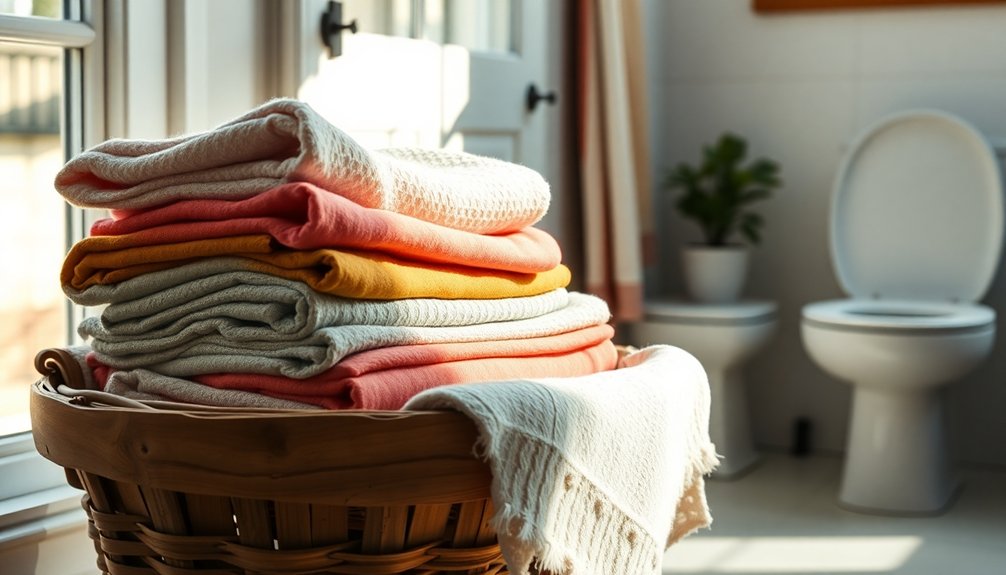
Reusable toilet paper, often referred to as family cloth, is a sustainable alternative to traditional disposable toilet paper.
These cloth wipes, made from materials like cotton flannel or bamboo fabric, offer a softer, gentler option for your personal hygiene practices.
Just like cloth diapers, family cloth helps reduce waste considerably, lasting five or more years with proper care.
You’ll find that the initial investment is modest, and you can even DIY from old fabric, leading to substantial savings, especially in larger households.
By switching to reusable toilet paper, you’re not only making an eco-friendly choice but also embracing a sustainable option that aligns with a greener lifestyle.
Just remember, regular washing and proper storage are key to maintaining hygiene.
Hygiene: Addressing the Elephant in the (Bathroom) Room
When it comes to reusable toilet paper, proper cleaning techniques and safe storage practices are essential for maintaining hygiene.
You’ll want to wash used cloths in hot water and store them in a sealed container to prevent any contamination.
Proper Cleaning Techniques
To keep your reusable toilet paper safe and hygienic, it’s crucial to follow proper cleaning techniques.
Start by washing your used cloths in hot water at a minimum temperature of 160°F for at least 25 minutes. This high heat effectively kills bacteria like E. coli, ensuring cleanliness.
Immediately bag contaminated fabrics to prevent air and surface contamination, and avoid sorting them before washing. Consider using a waterproof wet bag or covered pail to store used cloths until they can be laundered.
Adding bleach during the wash can enhance germ-killing effectiveness, but be sure to follow safety guidelines.
Regularly laundering with hot water, detergent, and sun-drying will help maintain hygiene and reduce any lingering odors.
Safe Storage Practices
After verifying your reusable toilet paper is clean, it’s important to focus on how you store it. Proper storage is key to maintaining sanitation and preventing contamination.
Place used cloths in a sealed container or a waterproof wet bag to eliminate odors and keep bacteria at bay. For clean cloths, use a designated, easily accessible container to promote consistent use.
Remember to wash used cloths immediately or within a few days to minimize bacterial growth. High temperatures are essential—wash at least 160°F for a minimum of 25 minutes to effectively kill harmful bacteria like E. coli.
Laundry Tips for Family Cloth: Making Cleanup a Breeze
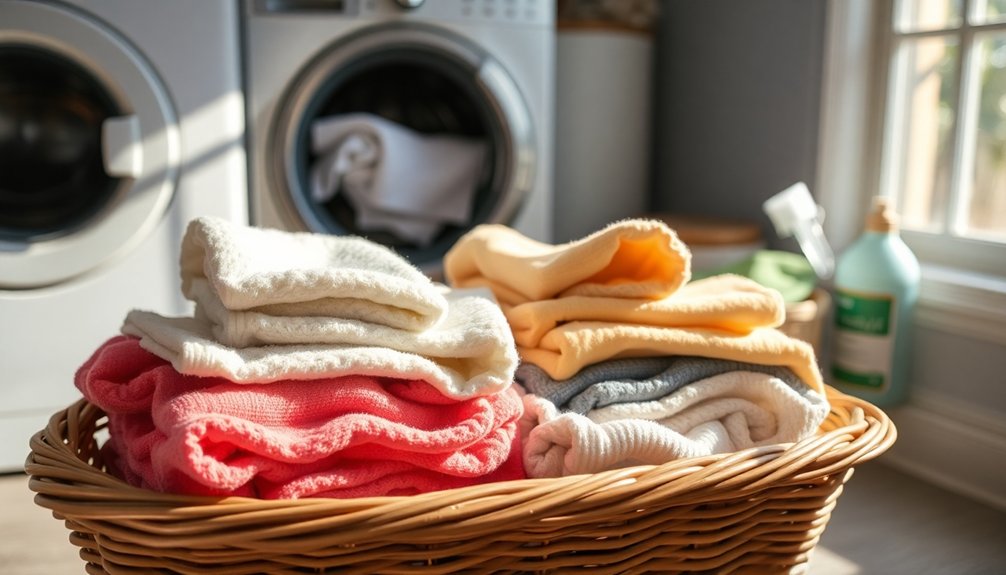
While managing family cloths might seem challenging at first, following a few straightforward laundry tips can make cleanup a breeze.
Start by storing used cloth wipes in a waterproof wet bag or sealed container to prevent odors and contamination.
When it’s time to wash, use hot water (at least 160°F) with regular detergent for a minimum of 25 minutes to effectively sanitize and kill bacteria like E. coli.
Including vinegar or baking soda in the wash cycle helps neutralize odors and keeps your cloths fresh.
Make certain you have around 20-30 cloth wipes on hand for effective rotation.
After washing, dry them on high heat or hang them in sunlight to take advantage of natural antibacterial effects.
Environmental Benefits: A Major Win for the Planet
Switching to reusable toilet paper isn’t just a personal choice; it’s a powerful way to protect our planet.
You’ll help reduce forest depletion, cut down on water usage, and lower your carbon footprint considerably.
Reduces Forest Depletion
Since traditional toilet paper production leads to the loss of thousands of trees each day, making the switch to reusable toilet paper becomes an important step in reducing forest depletion.
By opting for sustainable toilet paper alternatives, like cloth wipes, you can save an estimated 288 pounds of trees annually for your household alone. This shift not only cuts down on the demand for virgin wood but also helps promote healthier forest ecosystems.
Reusable toilet paper eliminates the need for single-use products, which greatly contribute to deforestation. By embracing options such as recycled toilet paper, you’re taking a proactive stance against environmental degradation and making a positive impact on the planet’s forests.
Every little change helps, and your choice matters!
Decreases Water Consumption
Reusable toilet paper stands out as a smart choice for anyone looking to minimize their water consumption.
By switching to reusable cloth, you can save an impressive 7,104 gallons of water each year, as traditional toilet paper production requires 37 gallons for just one roll.
Even reducing your disposable toilet paper usage by 25% can conserve around 1,776 gallons annually.
The pulp and paper industry consumes vast amounts of water, making reusable options a more sustainable alternative.
Not only does this shift decrease your individual water consumption, but it also supports broader environmental conservation efforts by reducing the strain on our precious water resources.
It’s a simple change that benefits both you and the planet.
Lowers Carbon Footprint
When you choose to use cloth wipes instead of traditional toilet paper, you’re making a significant impact on your carbon footprint.
Traditional toilet paper production contributes to the loss of about 27,000 trees each day, which is devastating for ecosystems. By switching to reusable cloth wipes, you not only help save these trees but also reduce carbon emissions generated during paper production.
Each roll of toilet paper requires around 37 gallons of water, while cloth wipes can last for five or more years, drastically cutting down on waste.
Plus, using family cloth minimizes pollution from chemical runoff associated with conventional manufacturing.
Cost-Saving: Good for Your Wallet Too
Switching to family wipes not only benefits the environment but also your wallet.
The cost-saving advantages are impressive; the average family of four spends about $140 a year on disposable toilet paper, while a dozen family wipes can cost around $11. By using family cloth, you could save over $100 annually, especially if you have a larger household.
Switching to family wipes can save over $100 a year for the average family of four.
These cloth wipes can last for five years or more with proper care, meaning your initial investment pays off quickly. If you’re crafty, you can even make your own reusable toilet paper from old clothing or fabric scraps, eliminating costs altogether.
The benefits are clear: reduced bathroom expenses and a more sustainable lifestyle.
Pros & Cons Recap: Is Reusable TP Right for You?
Making the choice to adopt family cloth can be a significant lifestyle shift, and it’s important to weigh the pros and cons before you decide if it’s right for you.
On the positive side, reusable toilet paper is gentler on your skin and helps reduce waste, aligning with a zero waste lifestyle. With clean cloths, you can save around $140 annually, and they can last five or more years.
However, consider your comfort level with the idea of washing and storing used cloths. Proper hygiene practices are essential to mitigate any sanitation concerns.
Ultimately, if you’re ready to embrace this eco-friendly option and can manage the washing, reusable toilet paper could be a great fit for your household.
Conclusion
In the end, switching to reusable toilet paper can feel like stepping into a cozy, green embrace for both you and the planet. While it might seem like a leap into uncharted waters, the benefits—cleanliness, savings, and environmental impact—make it worth considering. So, if you’re ready to trade in those single-use squares for a soft, sustainable alternative, you just might find that this new routine brings a rejuvenating twist to your bathroom experience.