
 0
0
 0
0
If you’re a Pacific Northwest family looking to embrace frugal living, consider shopping at thrift stores for great finds and supporting local causes. Join community swapping events to refresh your home at no cost. Meal prep with seasonal produce to save money and reduce waste. Get outdoors with budget-friendly activities and engage in local volunteer opportunities that strengthen family bonds. Plus, build a family budget together and utilize public transportation for savings. Discover even more tips for sustainable living!
Embracing Thrift Store Treasures

When you embrace thrift store treasures, you not only save money but also support your community.
Thrift stores in the Pacific Northwest provide affordable second-hand clothing and household items, allowing you to stretch your budget further. By shopping at these non-profit thrift stores, you contribute to local social services and initiatives that enhance community well-being. This is especially important in a region where nearly 40% of households face financial challenges.
Plus, thrift shopping promotes a sustainable lifestyle by encouraging the reuse of items, minimizing environmental impact.
Community Swapping and Sharing Events
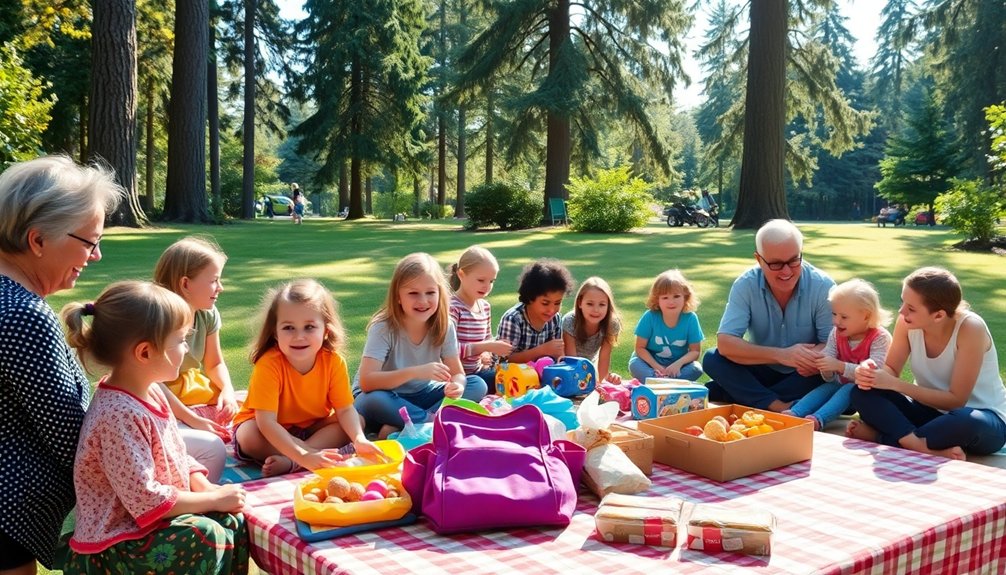
Community swapping events are a fantastic way for you to refresh your wardrobe or find new books without spending a dime.
Benefits of Swapping Events
Participating in swapping events not only helps you save money but also allows you to refresh your home with items that better suit your family’s needs.
Community swapping events foster resource sharing, enabling you to exchange goods you no longer need for those that serve you better. It’s an economical way to acquire high-quality items without the hefty price tag of buying new.
Plus, you can declutter your space, creating a more organized home while supporting local environmental efforts by reducing waste.
These events strengthen social ties, encouraging connections among neighbors and fostering a sense of community.
Embrace the benefits of swapping events, and transform your home while building relationships in your neighborhood.
Organizing Local Swap Meets
To organize a successful local swap meet, start by gathering a group of interested neighbors who share a common goal of reducing waste and saving money.
Choose a suitable location, like a community center or park, and set clear guidelines for acceptable items. Promote the event through local social media platforms to attract participants.
As you engage your community, you’ll foster connections among neighbors, creating valuable support networks, especially in areas with high ALICE household rates.
Encourage families to join in, as this not only helps them save money but also teaches children about sharing and resourcefulness.
Meal Prepping With Seasonal Produce
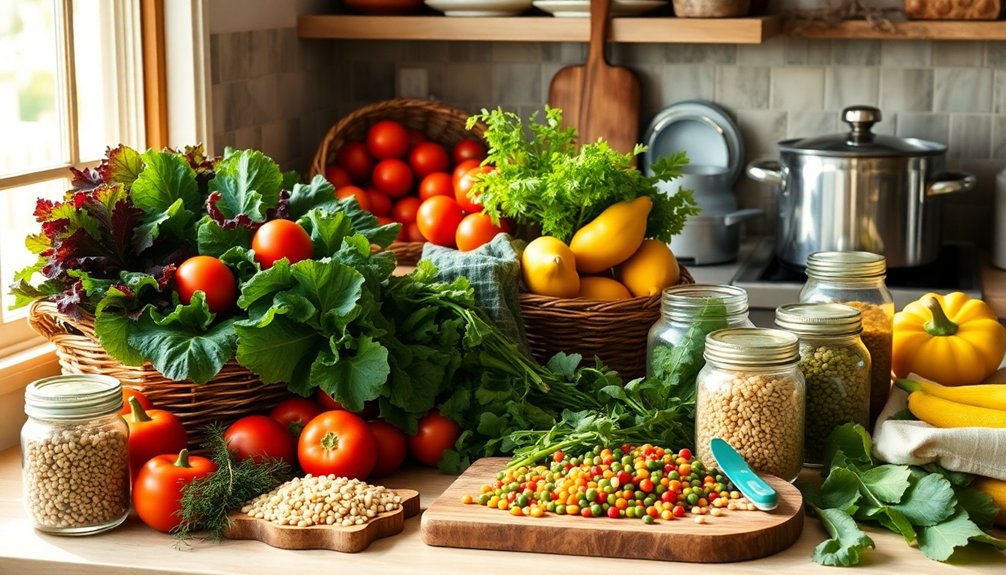
When you plan your meals around seasonal produce, you’re not just saving money but also enjoying the freshest flavors available.
Think about incorporating local ingredients like berries and kale into your meal prep for cost-effective and nutritious dishes.
Seasonal Ingredient Selection
Choosing seasonal ingredients not only elevates your meals but also helps you save money and support local farmers in the Pacific Northwest. By focusing on seasonal ingredient selection, you can enjoy fresh flavors and lower prices.
In summer, stock up on berries, and in fall, embrace hearty squash. During winter, incorporate kale and Brussels sprouts, which are typically more affordable and nutritious when harvested.
Shopping at local farmers markets can enhance this experience, offering competitive prices and fresher produce. Plus, meal prepping with these seasonal ingredients reduces food waste, ensuring you buy what’s fresh and lasts longer.
Cost-Effective Meal Planning
Building on the idea of seasonal ingredient selection, cost-effective meal planning is a game changer for families in the Pacific Northwest. By planning meals around seasonal produce, you’ll find that fresher ingredients often come at lower prices.
Visit local farmers’ markets to score these deals while supporting local agriculture. Batch cooking with these ingredients not only saves you time but also cuts down on takeout expenses, keeping your budget in check.
Create a weekly meal plan that utilizes the same seasonal ingredients across different dishes to reduce waste. Finally, incorporate diverse seasonal recipes to keep meals exciting while maximizing the benefits of cost-effective meal planning.
Enjoy flavorful, budget-friendly meals that celebrate the abundance of your region!
Budget-Friendly Outdoor Activities
Whether you’re seeking adventure or a peaceful escape, the Pacific Northwest offers a wealth of budget-friendly outdoor activities for families.
Visit local parks and hiking trails that provide free access to stunning views. Participate in community-organized events like free concerts, festivals, and movie nights in parks, ensuring entertainment without the cost.
Enjoy picnics at scenic locations, bird watching, or nature walks—there are plenty of low-cost options available. Joining local clubs focused on hiking or cycling can lead to free guided experiences and new friendships.
Don’t forget to check community boards or social media groups for upcoming outdoor events that cater to families, highlighting even more budget-friendly outdoor activities to enjoy together.
DIY Home Maintenance Tips
Maintaining your home doesn’t have to break the bank. Regularly inspect and maintain your heating and cooling systems to prevent costly repairs; changing air filters boosts efficiency and extends their life.
Don’t forget to perform seasonal checks on gutters and downspouts; cleaning them at least twice a year can save you from expensive water damage.
Learn basic plumbing repairs like fixing leaky faucets and unclogging drains—simple tools can often do the trick.
Create a home maintenance schedule that includes checking smoke detectors and testing carbon monoxide alarms for safety.
Finally, utilize online tutorials and community resources for DIY home maintenance projects, allowing you to save money while enhancing your skills and your home’s value.
Creative and Sustainable Living Practices
You can transform your home and community through creative and sustainable living practices.
By upcycling household items, sharing resources, and engaging in sustainable gardening, you not only save money but also support a greener lifestyle.
Let’s explore how these practices can enhance your everyday life while benefiting the planet.
Upcycling Household Items
Upcycling household items is a fantastic way for Pacific Northwest families to embrace creativity while promoting sustainability. By creatively repurposing items you already own, like turning glass jars into decorative storage containers or using old wooden pallets to craft garden furniture, you can reduce waste and save money.
Engaging in upcycling not only keeps your home unique but also inspires resourcefulness, especially in kids. Consider exploring local workshops or online groups for guidance and fresh ideas. These community resources can help you tackle successful upcycling projects while connecting with others who share your passion.
Ultimately, upcycling extends the life of materials, reduces landfill waste, and fosters a sustainable lifestyle for your family.
Community Resource Sharing
When families come together to share resources, they not only foster connections but also create a more sustainable way of living.
Community resource sharing is a fantastic way to engage with your neighbors while reducing waste. You can participate in neighborhood swap meetings to exchange items, or use platforms like Freecycle and Craigslist to give away or acquire second-hand goods, saving money in the process.
Organizing clothing swaps with friends refreshes wardrobes without spending a dime. Additionally, collaborating on DIY projects allows you to share tools and ideas, minimizing individual costs.
Community gardens also encourage resource sharing, providing fresh food while fostering collaboration. Embrace these practices to enhance your community and live more sustainably!
Sustainable Gardening Practices
Sustainable gardening practices not only enhance the health of your garden but also contribute to a more eco-friendly lifestyle.
Start by composting your kitchen scraps and yard waste; it reduces landfill contributions while enriching your soil.
Consider incorporating native plants into your garden—they require less water, promote biodiversity, and support local pollinators.
Installing a rainwater collection system is another great way to conserve water, especially during dry summer months.
Practice crop rotation and companion planting to improve soil fertility and naturally control pests, minimizing your need for chemical fertilizers.
Finally, get involved in community gardening initiatives to foster local food production and strengthen ties with your neighbors, sharing resources and knowledge along the way.
Smart Grocery Shopping Strategies
To stretch your grocery budget without sacrificing quality, focus on strategic shopping techniques that cater to your family’s needs.
Plan meals around seasonal produce and sales, as fresh, local fruits and vegetables are often cheaper at farmers markets.
Utilize bulk buying for staple items at local co-ops, which can greatly cut costs through lower unit prices.
Stick to a shopping list based on your weekly meal plan to limit impulse buys and guarantee you only purchase necessary items.
Embrace strategic couponing for essential items, leading to considerable money-saving opportunities without excessive time investment.
Finally, explore generic or store brands, offering comparable quality at lower prices, allowing you to maintain healthy eating habits while saving money.
Engaging in Local Volunteer Opportunities
While you’re looking for ways to save money and enrich your family’s life, engaging in local volunteer opportunities can be a rewarding choice.
Volunteering lets your family connect with the community while supporting crucial causes like food banks, homeless shelters, and environmental cleanups. Organizations such as United Way offer structured programs that enhance teamwork and community spirit.
These activities not only provide essential services but also strengthen family bonds as you work together on projects that align with your values. Plus, many local volunteer efforts address pressing issues, like aiding ALICE households facing financial insecurity.
Best of all, most opportunities are free or low-cost, making volunteering an accessible way to invest time in meaningful activities without breaking the bank.
Building a Family Budget Together
Building a family budget together can be a fun and enlightening experience, especially when everyone’s involved in the conversation. Start by engaging the entire family in open discussions about your financial goals and responsibilities.
Given the economic challenges many Pacific Northwest households face, it’s essential to allocate resources wisely. Regularly track and review your spending habits to identify areas for improvement and prioritize essential expenses.
Set clear short-term and long-term financial goals to guide your budgeting decisions. Implement a chore chart to encourage teamwork and teach kids the importance of contributing to family finances.
Finally, create a realistic budget that includes an emergency fund, ensuring you maintain a financial safety net for those unpredictable moments.
Utilizing Public Transportation for Savings
Finding ways to cut costs is essential for managing your family budget, and utilizing public transportation can be a smart solution.
In the Pacific Northwest, monthly transit passes often cost less than a single tank of gas, allowing you to save considerably. Many cities, like Seattle and Portland, offer discounted fares for students, seniors, and low-income riders, making it easier to travel affordably.
By riding public transit, you’ll also dodge parking fees that can average $200 a month in urban areas. Plus, with services like light rail and buses providing free transfers, you can switch routes without extra costs.
Embracing public transportation not only helps your wallet but also supports living frugally and reduces your carbon footprint.
Conclusion
In the beautiful Pacific Northwest, living frugally doesn’t mean sacrificing joy—it’s about embracing creativity and community. By exploring thrift stores, sharing resources, and enjoying nature, you can stretch your budget while making lasting memories. Remember, every small change adds up, like drops in a bucket that eventually fill it to the brim. So gather your family, tackle that budget together, and watch as you thrive in this stunning region without breaking the bank!