
 0
0
 0
0
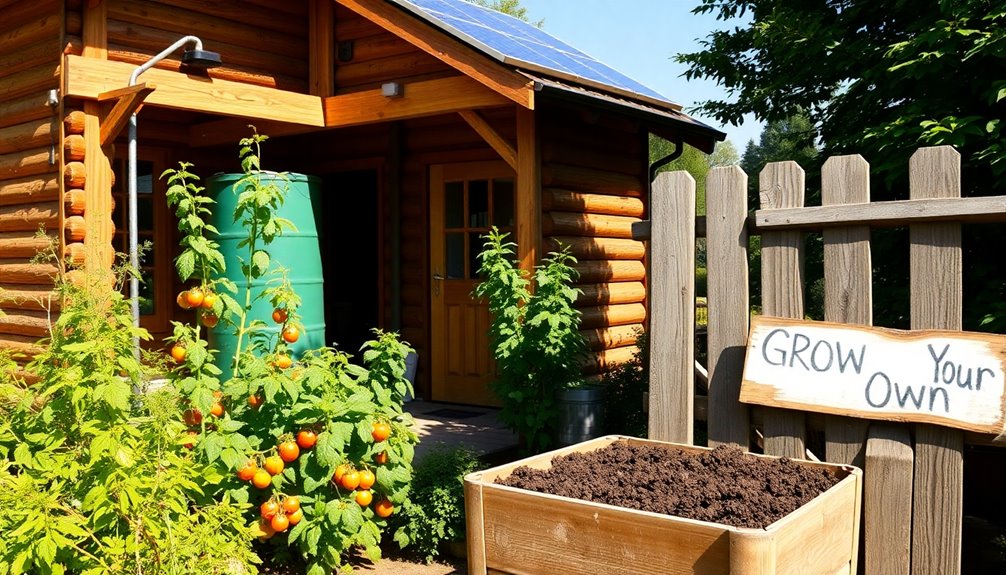
Off-grid living can be both sustainable and affordable with a few clever hacks. Use a solar oven for efficient cooking and a root cellar for food storage to extend shelf life. Embrace composting toilets to save water and create valuable compost. Handwash your clothes with biodegradable soap and air dry them for energy savings. By being mindful of consumption and utilizing community knowledge, you can make a significant impact. Discover more innovative ideas and strategies to thrive off the grid.
Essential Off-Grid Cooking Techniques for Sustainability
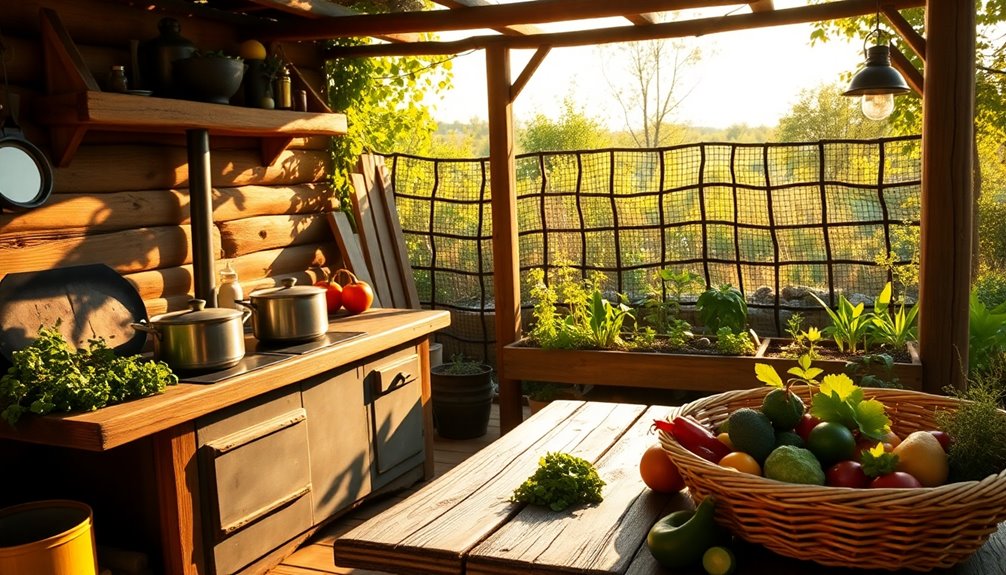
When you embrace off-grid living, mastering essential cooking techniques can greatly enhance your sustainability efforts. Utilizing off-grid solutions like solar ovens allows you to cook food efficiently while preserving moisture and flavor using the sun’s renewable energy.
Embracing off-grid living enhances sustainability through essential cooking techniques, like using solar ovens for efficient, flavorful meals.
During colder months, cooking with wood stoves not only provides heat but also complements your off-grid lifestyle effectively. For more flexible options, consider propane heater-cooker combos, which can considerably reduce your propane usage.
Pre-cooking meat and practicing proper food handling are vital for safety—always discard food if you have any doubts.
Traditional methods, such as handwashing dishes and relying on root cellars for food preservation, further support your sustainability goals and enhance your off-grid cooking experience. Additionally, understanding detailed billing statements can help you manage expenses related to your off-grid setup more efficiently.
Creative Food Storage Solutions That Save Money
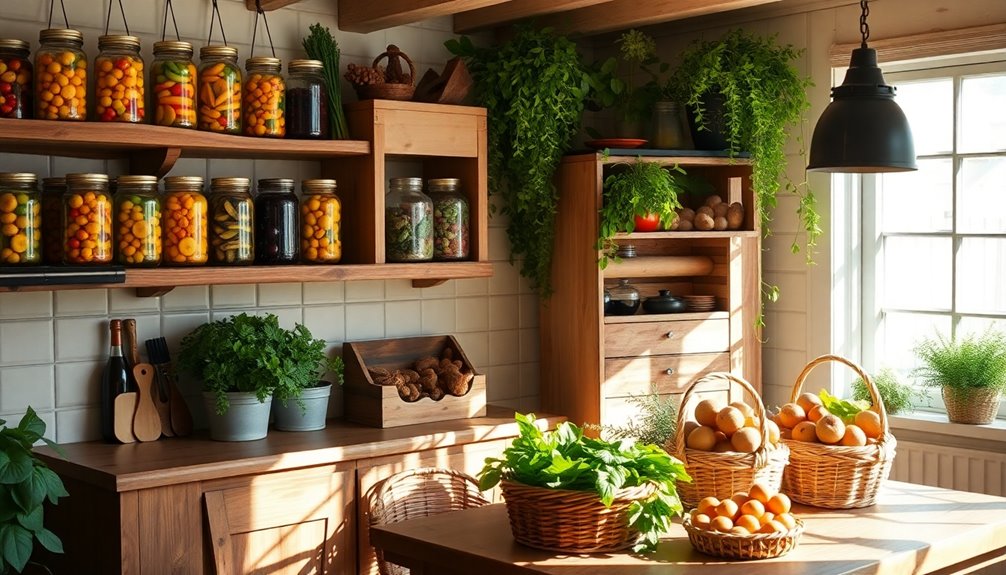
While off-grid living offers many benefits, finding creative food storage solutions can considerably cut costs and reduce waste. Here are some effective methods to evaluate:
- Root Cellars: Use them to extend the shelf life of fruits and vegetables by keeping them cool and dark.
- Repurposed Glass Jars: Vacuum seal dry goods like grains and spices in jars to maintain freshness and minimize waste.
- DIY Solar Dehydrator: Preserve excess fruits and vegetables by removing moisture, ensuring you have nutritious snacks available year-round.
- Cool Boxes or Ice Houses: Mimic refrigeration by storing perishables with ice blocks or creek water during warmer months.
Additionally, consider storing cut onions in airtight containers to prevent spoilage and maximize freshness.
These creative food storage solutions not only save money but also enhance your off-grid lifestyle sustainably!
Innovative Solar Cooking: Maximizing Efficiency
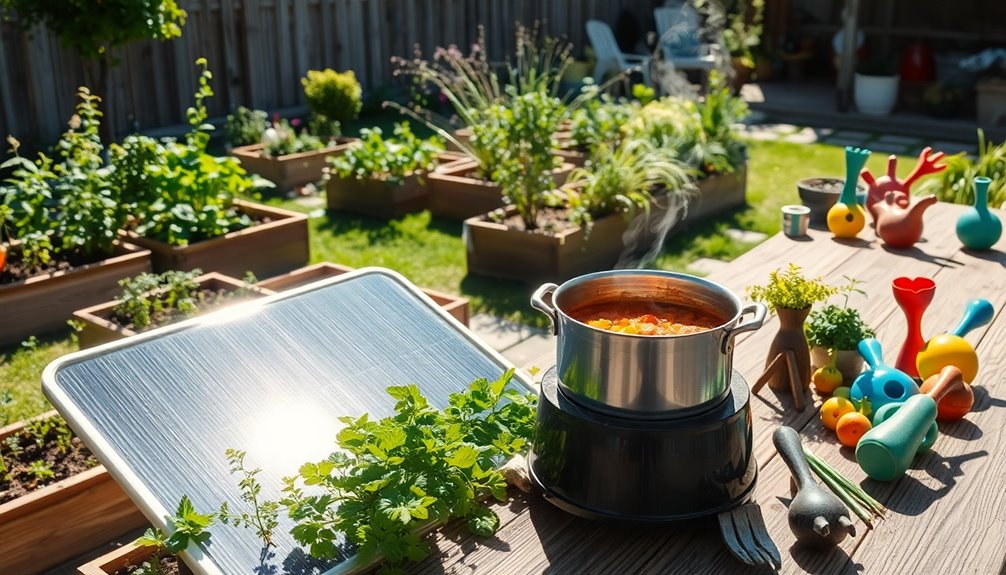
Creative food storage solutions not only help you save money but also pave the way for innovative cooking methods like solar cooking.
With solar ovens reaching temperatures of 200-300°F (93-149°C) on sunny days, you can cook efficiently without conventional fuel. To maximize your solar cooking experience, use reflective materials like aluminum foil to enhance heat retention and direct sunlight onto your food.
Preheat your solar oven before placing your meals inside; this stabilizes the temperature and reduces cooking time considerably. Keep in mind that cooking times can vary from 2-4 hours, depending on sunlight intensity and the food type. Utilizing discounted seasonal produce can further enhance your solar cooking meals while staying within budget.
Not only is solar cooking cost-effective, but it also minimizes carbon emissions, contributing to a sustainable lifestyle.
DIY Home Composting Toilets: A Practical Guide
If you’re looking to take a step towards sustainable living, building a DIY composting toilet might be the answer.
You’ll need just a few simple materials and some maintenance tips to keep it running smoothly.
Plus, you’ll enjoy the benefits of reducing water usage and turning waste into valuable compost. Additionally, this project is a great way to develop essential tools and techniques that can be applied to various repairs around your home.
Materials Needed For Construction
When you’re ready to take the plunge into building your own composting toilet, gathering the right materials is essential for success.
Here’s a quick list of the key materials needed for construction:
- Durable container: A 5-gallon bucket works great for collecting waste.
- Toilet seat: Choose one with a removable lid for easy access and cleaning.
- Ventilation pipes: These help manage moisture and odors by promoting airflow in the chamber.
- Carbon cover material: Sawdust or shredded leaves effectively control odors and aid composting.
Maintenance Tips For Longevity
To keep your DIY composting toilet running smoothly and odor-free, regular maintenance is key. Start by checking seals and connections to prevent leaks and odors, guaranteeing a hygienic system.
Use a mix of carbon-rich materials, like sawdust or shredded leaves, with human waste to promote aerobic decomposition while minimizing odors. Clean the toilet’s interior with a biodegradable cleaner periodically to maintain sanitation and avoid waste buildup.
Monitor the composting process by checking temperature and moisture levels, aiming for a balance that supports efficient decomposition. Finally, rotate and aerate the compost regularly; this enhances waste breakdown and guarantees an effective composting process.
Following these maintenance tips will keep your system efficient and long-lasting.
Benefits Over Traditional Toilets
Maintaining your DIY composting toilet not only guarantees its longevity but also highlights its advantages over traditional toilets.
Here are four key benefits that make composting toilets a self-sufficient choice:
- Water Savings: Use zero to minimal water compared to the 1.6 gallons per flush of traditional toilets.
- Soil Enrichment: Convert waste into nutrient-rich compost, enhancing soil health for your gardening efforts.
- Cost-Effective: Build from readily available materials, greatly reducing installation costs compared to traditional plumbing systems.
- Odor Control: Properly maintained systems can eliminate odors and prevent contamination, ensuring hygiene even in off-grid settings.
With these benefits, you’ll see how composting toilets not only promote sustainability but also align perfectly with a self-sufficient lifestyle.
Efficient Propane Heater-Cooker Combos for Off-Grid Living
Efficient propane heater-cooker combos are a game changer for off-grid living, offering a dual-purpose solution that saves both space and energy.
These combos maximize fuel usage, allowing you to cook meals while keeping your living space warm. With adjustable heat settings, you can easily regulate cooking temperatures and maintain ideal warmth in your off-grid home.
Many models come equipped with essential safety features like automatic shut-off valves and stable bases, ensuring you stay safe while enjoying the benefits of these efficient propane heater-cooker combos.
Plus, they considerably lower energy costs compared to electric alternatives, making them a cost-effective choice. Heat pumps can also be a sustainable option for heating, providing greater efficiency and lower operational costs in other settings.
Regular maintenance, including checking connections and cleaning burners, will enhance their efficiency and longevity in your off-grid lifestyle.
The Benefits of Root Cellars and Cold Cellars for Preservation
Root cellars and cold cellars offer you an efficient way to preserve your fruits and vegetables by maintaining ideal temperature and natural humidity.
With these spaces, you can extend the shelf life of your produce and greatly reduce spoilage. Embracing this age-old technique not only helps you save food but also supports a sustainable lifestyle. Additionally, utilizing meal preparation and leftovers can further enhance your food preservation efforts by minimizing waste through creative use of what you store.
Optimal Temperature Control
While you might think that refrigeration is the only way to keep your fruits and vegetables fresh, root cellars and cold cellars offer a natural, energy-saving alternative.
Here’s why they’re great for ideal temperature control:
- Consistent Temperatures: Root cellars maintain a stable 32°F to 40°F, perfect for long-term storage.
- Natural Insulation: Cold cellars use earth insulation to regulate temperature and humidity, reducing spoilage.
- Energy Savings: Storing root vegetables like potatoes and carrots means less reliance on energy for refrigeration.
- Moisture Retention: Utilizing layers, like straw or sand, in root cellars enhances temperature control and keeps produce fresh.
Natural Humidity Regulation
Maintaining the right humidity levels is essential for preserving the freshness of your fruits and vegetables, and root cellars along with cold cellars excel at this.
These systems harness the earth’s natural temperature and humidity, keeping conditions ideal with temperatures between 32°F and 40°F and humidity levels around 85-95%.
Root cellars are fantastic for storing root vegetables like carrots and potatoes, keeping them viable for months and reducing food waste. Cold cellars also work well for canned goods, providing a cool, dark environment that prevents spoilage.
Constructing a root cellar often requires minimal investment, using natural materials like earth and stone.
Extended Food Shelf Life
A well-designed root cellar or cold cellar can greatly extend the shelf life of your fruits and vegetables, allowing you to enjoy seasonal produce long after harvest.
Here are some benefits of using root cellars for extended food shelf life:
- Stable Temperature: They maintain a cool range of 32°F to 40°F (0°C to 4°C), preventing spoilage.
- Humidity Control: Proper humidity keeps your produce fresh and crisp without drying out.
- Light and Heat Protection: Cold cellars prevent light exposure, slowing down the ripening process.
- Ventilation: Incorporating slatted shelves enhances airflow, reducing mold and rot risks.
Utilizing Creek Water for Natural Cooling and Food Storage
When you tap into the rejuvenating power of creek water, you can create an effective natural cooling system for your food.
Place your fruits and vegetables in breathable containers and submerge them in the creek, making sure to secure them to prevent losing them to strong currents.
Regularly change the creek water to maintain freshness and avoid contamination, especially during warmer months.
Monitor the water’s temperature and clarity, as debris can affect food safety.
To enhance cooling, consider using natural insulation, like burying items in sand or placing straw bales nearby.
This way, you can extend the shelf life of your food while enjoying the benefits of creek water in your off-grid lifestyle. Additionally, this method aligns with budget-friendly cooking strategies that emphasize utilizing natural resources to save money.
Handwashing Clothes: Techniques for Off-Grid Laundry
Handwashing clothes off-grid doesn’t have to be a chore. You can use simple techniques like soaking in biodegradable soap and a washboard to tackle tough stains while being gentle on your fabrics. Plus, drying your laundry on a clothesline not only saves energy but keeps your clothes fresh and sanitized. Additionally, proper storage techniques for your laundry can help maintain their quality and extend their lifespan.
Effective Handwashing Techniques
Effective handwashing techniques are essential for maintaining clean clothes off-grid, and with a few simple steps, you can achieve great results without electricity.
Follow these steps for efficient offgrid living laundry:
- Prepare: Use a sturdy washboard or a bucket with a lid to agitate water and biodegradable detergent, minimizing environmental impact.
- Soak: For heavily soiled items, soak them for 30 minutes to loosen dirt and grime before washing.
- Rinse: Use a second bucket filled with clean water to swish garments, removing soap residue and preventing skin irritation.
- Dry: Wring out excess water and hang clothes on a clothesline or indoor drying rack, ensuring good air circulation for quick drying.
These techniques will keep your clothes fresh and clean while living sustainably.
Natural Detergent Alternatives
Keeping your clothes clean off-grid not only relies on proper techniques but also on the right cleaning agents. Natural detergent alternatives can make a significant difference in your laundry routine.
Baking soda serves as a deodorizer and stain remover, while white vinegar softens fabrics and eliminates odors. You might also consider soap nuts, which create a natural soap-like lather thanks to their saponins.
For a DIY option, mix equal parts of grated bar soap, washing soda, and borax for an effective and budget-friendly detergent. For tough stains, apply a paste of baking soda and water directly to the stain before washing.
Using hot water helps dissolve dirt and grease more effectively, enhancing your handwashing efforts.
Drying Methods Without Electricity
When you’re living off-grid, finding ways to dry your clothes without relying on electricity is vital for a sustainable laundry routine. Here are some effective drying methods you can use:
- Outdoor Clotheslines: String lines between trees or posts to let sunlight and wind air-dry your garments naturally.
- Drying Racks: Set up a drying rack near a wood stove or in a well-ventilated area indoors, especially during colder months.
- Repurposed Materials: Use old shower rods or tension rods as makeshift drying racks in small spaces to maximize drying areas.
- Rotate and Space: Regularly rotate clothes on the line and make sure they’re spaced adequately for airflow, preventing mildew and enhancing freshness.
These methods not only save energy but also keep your laundry routine eco-friendly!
Mindful Consumption: Reducing Waste and Environmental Footprint
Mindful consumption isn’t just a trend; it’s a powerful way to align your lifestyle with sustainable practices. By evaluating your personal needs versus wants, you can greatly reduce unnecessary purchases and waste.
Embrace a zero-waste approach by opting for reusable products, like cloth bags and containers, cutting down on single-use plastics. Choose locally sourced food to support your community and lower the carbon footprint linked to transporting goods.
Engage in DIY practices, such as making natural cleaning products or growing your own herbs, to minimize reliance on harmful commercial products.
Finally, track your consumption patterns with a monthly budget to identify areas for improvement, encouraging conscious decisions that align with your sustainable living goals and reduce your environmental impact. Incorporating practices like vacuum sealing food can further extend the shelf life of your groceries, minimizing waste and promoting sustainability.
Leveraging Community Knowledge for Off-Grid Success
Building on the principles of mindful consumption, leveraging community knowledge can greatly enhance your off-grid living experience. Engaging with local and online communities provides invaluable insights that boost your self-sufficiency.
Leveraging community knowledge enriches your off-grid journey and fosters greater self-sufficiency through shared insights and experiences.
Here are four ways to tap into this resource:
- Join local workshops: Gain hands-on skills and connect with like-minded individuals.
- Participate in online forums: Exchange tips and solutions to foster a collaborative learning environment.
- Share your experiences: Discuss your successes and challenges to encourage collective problem-solving.
- Seek mentorship: Learn from seasoned off-grid individuals to accelerate your growth and confidence. Additionally, consider utilizing tools like budget management to better allocate your resources and enhance your financial stability.
Balancing Traditional Practices With Modern Safety Standards
While embracing the charm of traditional practices, you can’t overlook the importance of modern safety standards.
Balancing traditional practices with modern safety standards means integrating methods like composting toilets and hand-dug wells while adhering to health regulations.
For lighting, consider oil lamps and solar-powered LED lights; they maintain tradition but reduce fire hazards.
When cooking with wood stoves, incorporate fire safety measures like smoke detectors and safe food prep techniques.
Regularly update your knowledge on food storage, using root cellars and creek water safely to avoid foodborne illnesses.
Finally, educating yourself and others on maintaining old tools guarantees that these cherished practices remain effective and safe in today’s world.
Conclusion
In your journey toward off-grid living, remember that every small effort counts. By embracing these sustainable hacks, you not only save money but also contribute to a healthier planet. It’s all about thinking outside the box and making adjustments that suit your lifestyle. So, don’t throw in the towel; with a bit of creativity and community support, you can thrive in a sustainable way. You’re not just living off the grid; you’re paving the way for a greener future.