
 0
0
 0
0
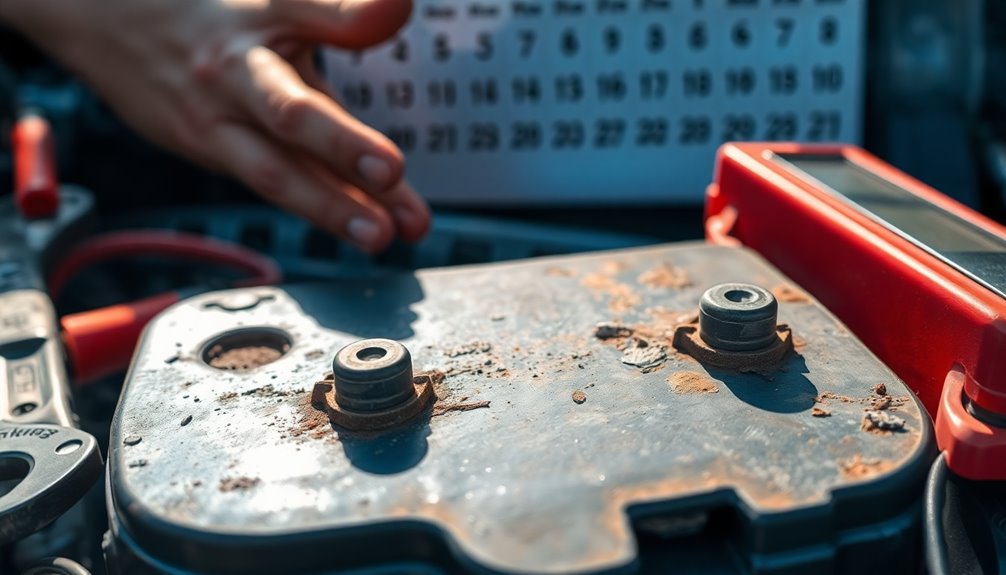
A car battery typically lasts between three to five years, but environmental factors can greatly affect this. In hot climates, you might need to replace it in as little as 18-24 months, while cooler areas can extend its life to seven years. Signs like slow engine cranks or dim headlights signal it’s time for a change. Understanding these aspects helps you make informed decisions about your battery. Keep going to discover more about maximizing your battery’s lifespan!
Understanding Battery Lifespan: How Long Should a Car Battery Last?
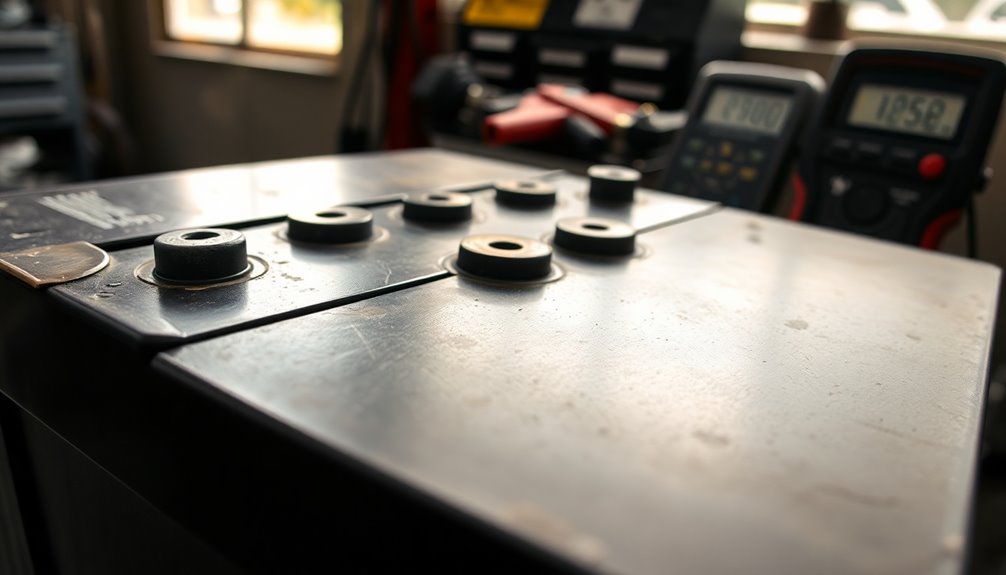
How long should you expect your car battery to last? Typically, you can count on a lifespan of three to five years.
However, factors like climate and driving conditions play a significant role. In extreme heat, your battery could last only 18 to 24 months, while in colder climates, it might stretch up to seven years.
Regular maintenance, including load tests after four years, helps you know when to replace your battery. If the charge drops below 25% (around 11.8 volts at 80°F), it’s a clear sign that a replacement is necessary.
With modern vehicles featuring advanced electronics, timely battery replacement becomes even more critical to avoid unexpected breakdowns. Keep an eye on your battery health! Additionally, using tools like expense tracking apps can help manage finances related to car maintenance and replacement costs effectively.
Key Signs It’s Time to Replace Your Car Battery?
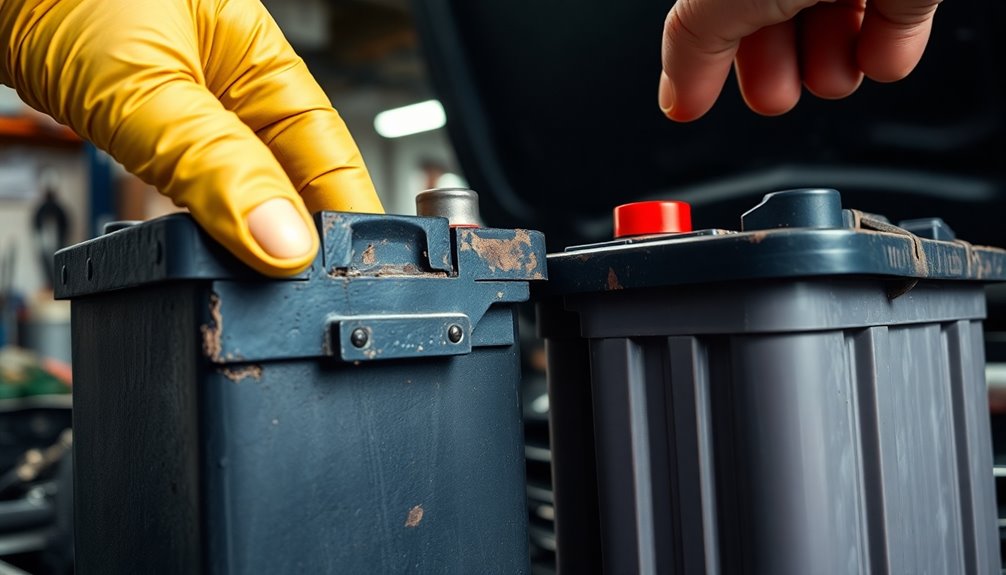
When should you seriously consider replacing your car battery? If you notice a slow engine crank, it’s a clear sign that your battery might be losing power.
Dim headlights or slow power windows can also indicate that it’s time to check your battery, as these symptoms suggest inadequate power supply.
Dim headlights or sluggish power windows may signal a weak battery; it’s essential to investigate further.
Hearing a clicking sound when attempting to start your vehicle often points to low battery voltage or a dead battery.
If you find yourself needing frequent jump-starts, your battery is likely struggling to hold a charge and may need replacement.
Finally, if your battery shows signs of internal damage, like swelling or leaking, don’t hesitate to replace your car battery immediately to avoid further complications. Additionally, monitoring your battery health with an appropriate app can help you stay ahead of potential issues and ensure optimal performance.
Factors That Affect Car Battery Longevity
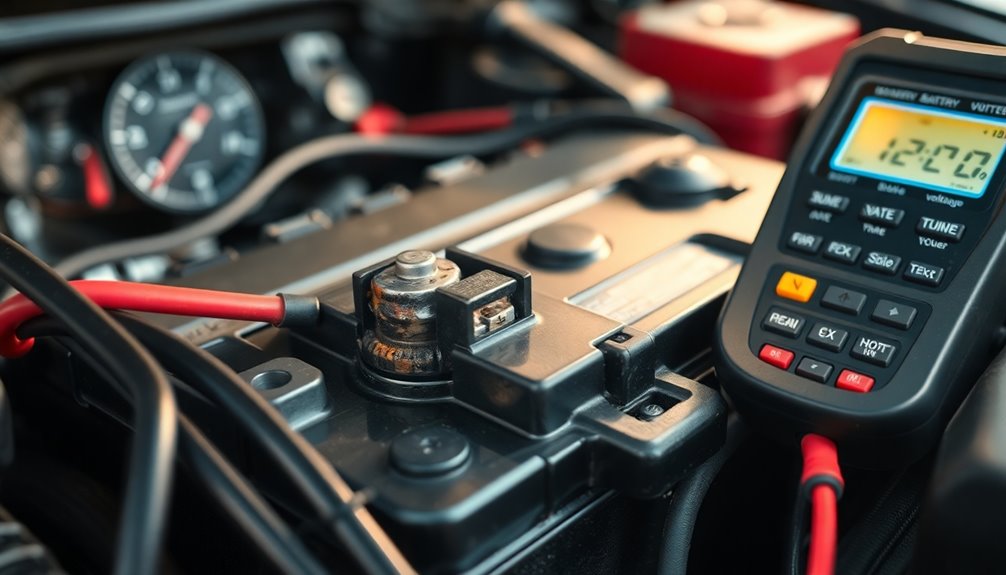
Car battery longevity is influenced by a variety of factors that can considerably impact its performance and lifespan.
Extreme temperatures are a major player; heat accelerates degradation while cold can extend battery life. Your driving conditions also matter—frequent short trips may prevent the battery from fully charging, leading to quicker depletion.
Regular maintenance, including checking electrolyte levels and performing load tests, can help identify issues early. The presence of modern electronics in vehicles increases the load on your battery, potentially shortening its lifespan.
Additionally, geographic location plays a role; batteries in hot climates often last just 18 to 24 months, while those in cooler areas may last 5 to 7 years.
Opting for a high-quality battery case can also enhance longevity. Engaging in budget-friendly cooking can save you money for necessary car maintenance, including battery replacements.
How Environmental Conditions Impact Battery Life
Environmental conditions play an essential role in determining your car battery’s lifespan.
If you’re in a hot climate like Phoenix, you might find yourself needing to replace your battery in just 18 to 24 months. On the flip side, cooler areas, such as Buffalo, NY, can see batteries lasting 5 to 7 years.
To enhance your battery’s longevity, consider where it’s located in your vehicle; placing it in cooler spots, like the trunk, can reduce heat exposure.
Remember, heat accelerates degradation more than cold, so understanding this can inform your battery care practices. Regular maintenance and testing in varying climates can help you get the most out of your battery, prolonging its life and saving you from frequent replacements. Additionally, awareness of replacement costs for EV batteries can assist you in budgeting for future needs.
Importance of Regular Battery Maintenance
Regular battery maintenance is essential for preventing unexpected failures that can leave you stranded.
By conducting routine inspections and battery testing, you can catch any issues early and extend your battery’s life.
Taking these simple steps not only saves you hassle but also keeps your vehicle running smoothly. Additionally, regular maintenance can prolong the life of your battery, similar to how it benefits household appliances like water heaters.
Regular Inspections Prevent Failures
While you might think a battery can run indefinitely without attention, regular inspections are vital for preventing unexpected failures.
After your battery hits three years, it’s wise to check its health annually. Simple maintenance practices like checking electrolyte levels and conducting load tests can keep your battery performing at its best.
By addressing minor issues during these inspections, you can save money and avoid breakdowns. Automakers recommend you replace a car battery every three to five years, but regular inspections will help you determine the right timing based on your specific usage and conditions.
Keeping a maintenance checklist guarantees you don’t miss these critical checks, maximizing your battery’s longevity and reliability on the road.
Importance of Battery Testing
How often do you think about testing your car battery? Regular battery testing is essential, especially as your battery ages.
You can avoid the hassle of a dying battery by following these simple steps:
- Test every two years: Assess your battery’s health and prevent surprises, especially after four years.
- Load testing: Identify performance weaknesses to know when it’s time for a replacement.
- Routine inspections: Check for corrosion or loose connections that affect performance and lifespan.
- Utilize free services: Many auto repair facilities offer battery testing to keep your battery in ideal condition.
Maintenance Extends Battery Life
To guarantee your car battery lasts as long as possible, consistent maintenance is key.
Regular inspections and cleaning of your battery terminals prevent corrosion and guarantee ideal connections. It’s also crucial to check your battery’s electrolyte levels during oil changes, especially for traditional flooded lead-acid batteries; maintaining proper levels can greatly extend battery life.
If you don’t drive your vehicle often, using a battery tender or charger will help keep it healthy and prevent deep discharges.
Take advantage of free battery testing services at auto repair shops to catch weaknesses early.
Finally, insulating your battery from excessive engine heat or adding cooling solutions can further protect against high temperatures that accelerate degradation.
Choosing the Right Replacement Battery for Your Vehicle
Choosing the right replacement battery for your vehicle is essential for guaranteeing ideal performance and reliability. To help you make the best choice, consider these key factors:
Selecting the appropriate replacement battery is crucial for optimal vehicle performance and reliability.
- Battery Type: Match the replacement battery type to the original, whether it’s flooded lead-acid or AGM.
- Cold Cranking Amps (CCA): Confirm the battery can start your engine in cold conditions.
- Amp-Hour (Ah) Rating: Check this to confirm the battery can deliver sustained power.
- Group Number: Verify the battery’s size and configuration against your vehicle’s requirements for a proper fit.
Always consult your vehicle manual or a mechanic for guidance to select a battery that meets or exceeds manufacturer specifications. Additionally, consider how expense management apps can help you track any costs associated with battery maintenance or replacement, ensuring you stay on budget!
This guarantees you won’t have to replace it again anytime soon!
When to Seek Professional Help for Battery Issues?
When should you consider seeking professional help for battery issues? If your car’s battery is over three years old, it’s wise to get a thorough inspection.
Notice dim headlights, slow engine cranks, or electrical malfunctions? These signs should send you straight to a mechanic for battery testing.
Frequent jump-starts or a battery that won’t hold a charge even when fully charged indicate a need for professional evaluation.
Technicians can conduct load tests to check your battery’s capacity; if it drops below 25% charge, replacement is usually necessary.
Regular maintenance checks, especially in extreme weather, can help uncover potential issues early. Additionally, be aware that regular maintenance of your battery can significantly extend its lifespan.
Don’t hesitate to consult a pro for insights on the best replacement schedule tailored to your driving habits.
Cost vs. Benefit: Is It Worth It to Replace Your Battery Early?
When it comes to your car battery, weighing the cost of early replacement against the potential expenses of unexpected failures is essential.
Spending $100 to $200 on a new battery can save you from costly towing and repair bills down the line.
Plus, the peace of mind you gain from knowing your vehicle is reliable is worth considering. Additionally, understanding local laws regarding private firearm sales can help you avoid unexpected legal complications in other areas of car maintenance and ownership.
Cost Of Unexpected Failures
While it might seem tempting to delay replacing your car battery to save a few bucks, the costs of unexpected failures can quickly outweigh those savings.
Here’s what you might face if your battery fails unexpectedly:
- Towing Fees: Getting your car towed can be costly and inconvenient.
- Time Lost: Being stranded means time away from work or important commitments.
- Missed Appointments: A dead battery can lead to missed meetings or events, impacting your schedule.
- Emergency Repairs: If your battery fails, you might incur higher costs for emergency services.
Investing in a reliable battery not only reduces the cost of unexpected failures but also offers peace of mind, knowing you’re less likely to face inconvenient breakdowns.
Peace Of Mind Value
Unexpected battery failures can be a real headache, but there’s a way to sidestep those issues—considering the peace of mind that comes with early battery replacement.
Regularly swapping out your battery every 2 to 4 years can save you from unexpected breakdowns, making it a smart investment. The cost of a new battery, typically between $100 and $200, is often far less than the price of roadside assistance or repairs from a failure.
Fleet owners understand this value, opting for replacements every three years to maintain efficiency. Plus, by replacing your battery early, you’ll reduce risks from extreme weather, ensuring reliability.
Ultimately, the peace of mind value you gain from a new battery is well worth the cost.
Community Insights: Real Experiences With Car Battery Lifespan
Here’s what fellow drivers have shared:
- Mazda CX-5 owners suggest a 1.5-year replacement interval, especially with iStop technology disabled.
- Freddie Chong and Zudien Jiwang affirm 1.5 years as a reasonable battery lifespan, stressing the impact of electronic loads.
- Joanna Dvon achieved 20 months from her battery, highlighting how individual habits affect longevity.
- Quality matters: Brands like Varta Q85 are praised for reliability, reinforcing the importance of selecting a dependable battery.
Regular assessments can help you maximize your battery’s lifespan! Additionally, tracking spending on maintenance and replacements ensures that you remain financially prepared for unexpected expenses related to your vehicle.
Conclusion
To summarize, understanding your car battery’s lifespan and signs of wear can save you time and money. For instance, if you notice your headlights dimming or the engine struggling to start, it might be time for a replacement. By staying proactive and conducting regular maintenance, like checking terminals and keeping it clean, you can extend your battery’s life. Remember, replacing it before failure can prevent inconvenient breakdowns and guarantee your vehicle runs smoothly.




Average Rating