
 0
0
 0
0
Adding an in-law suite to your home can be a smart way to build wealth on a budget. This self-contained living space not only increases your property’s value but also opens up opportunities for rental income, helping to offset your mortgage costs. With options ranging from garage conversions to detached units, there’s a choice for every budget. You’ll want to explore costs, financing options, and the impact on home value—there’s plenty more to reflect upon.
Understanding In-Law Suites
When considering how to accommodate aging family members or adult children, understanding in-law suites can be a game-changer.
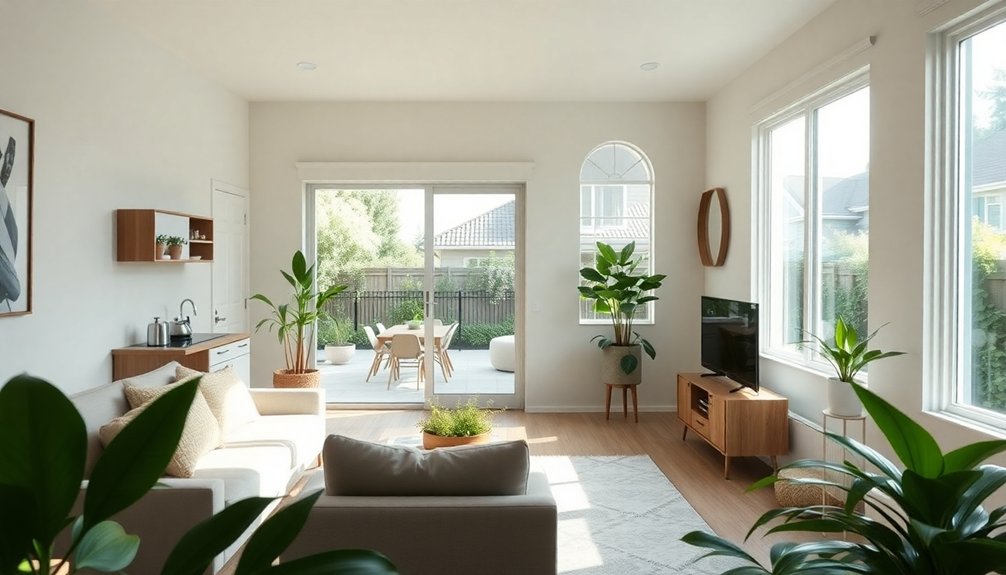
An in-law suite provides a self-contained living space that fosters independent living for aging parents or adult children while keeping them close. These additional living spaces typically include a bedroom, bathroom, kitchenette, and living area, ensuring privacy and comfort.
You can choose between attached or detached options, like basement conversions or accessory dwelling units (ADUs), each with its own construction requirements and potential legal fees.
The growing trend toward multigenerational housing makes these suites increasingly popular among homebuyers, offering flexibility and the potential for rental income. Additionally, investing in an in-law suite could enhance your property’s value and contribute to increased customer retention rates through its appeal to families looking for multigenerational living options.
Investing in a property with an in-law suite could be a smart move for your family’s future.
Benefits of Adding a Mother-in-Law Suite
Adding a mother-in-law suite not only enhances your home’s functionality but also offers numerous financial and personal benefits that can make a significant impact on your lifestyle.
An in-law suite can increase the value of your property by approximately 7.2% to 9.8%, making it a solid investment. The potential for rental income helps offset mortgage costs, creating a steady revenue stream that eases your overall housing expenses.
This suite provides flexibility in living arrangements, accommodating aging family members or guests, which can strengthen family dynamics. Additionally, it can qualify you for tax benefits related to home office space or caregiving expenses. Moreover, tracking your financial goals effectively ensures that you maximize the investment’s potential.
Ultimately, incorporating an in-law suite boosts your home equity while adapting to your changing needs at a manageable total cost.
Costs Involved in Building an In-Law Suite
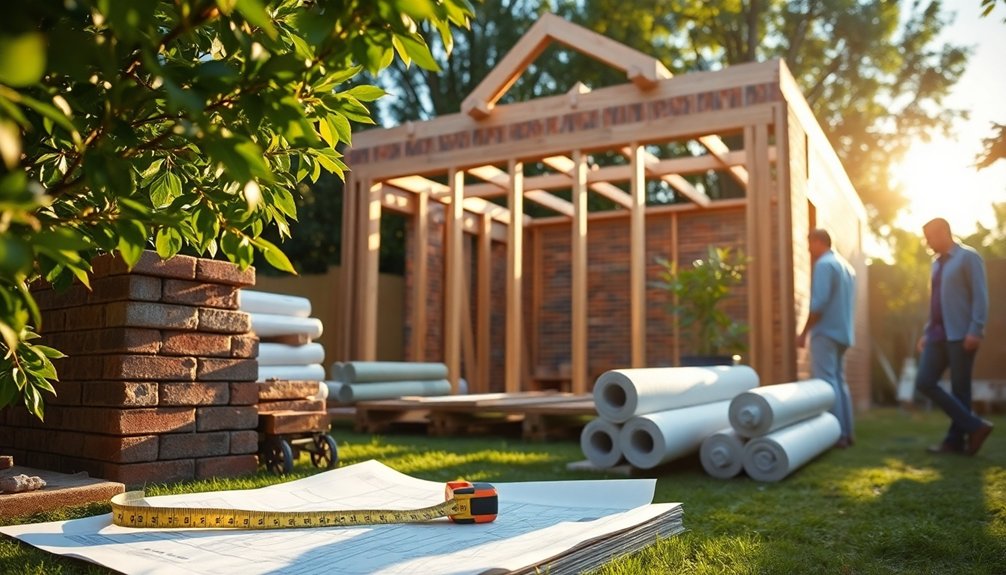
Building an in-law suite can cost anywhere from $5,000 to $400,000, depending on the type and complexity of the project.
It’s vital to take into account not just the direct costs but also additional costs that may arise.
Here’s what you should factor in:
- Type of suite: Garage conversions, attic, basement, or home additions each have unique price ranges.
- Permits and legal fees: Zoning laws can influence your costs considerably.
- Utility connections: These can quickly add to your budget.
- Ongoing maintenance costs: Planning for these is essential, as rental income can help offset the cost and boost your property value over time. Additionally, using tools like budgeting apps can help you manage the expenses associated with this project effectively.
Financing Options for Your In-Law Suite
Financing your in-law suite can be a straightforward process if you explore the right options. Home equity loans and home equity lines of credit (HELOCs) are popular financing options that provide construction funding based on your home’s value.
You might consider a cash-out refinance to tap into your equity, while personal loans can also cover additional monthly costs. The costs of building vary considerably, so it’s essential to budget accordingly.
Renting out your in-law suite can generate rental income, helping offset your mortgage and construction expenses. Additionally, utilizing an app like Acorns Automated Spare Change Investment can help you save for future projects by automating your spare change investments.
Don’t forget to check for local grants and financial incentives that could further reduce your overall costs, making your investment more manageable and rewarding in the long run.
Comparing In-Law Suites to Other Housing Solutions
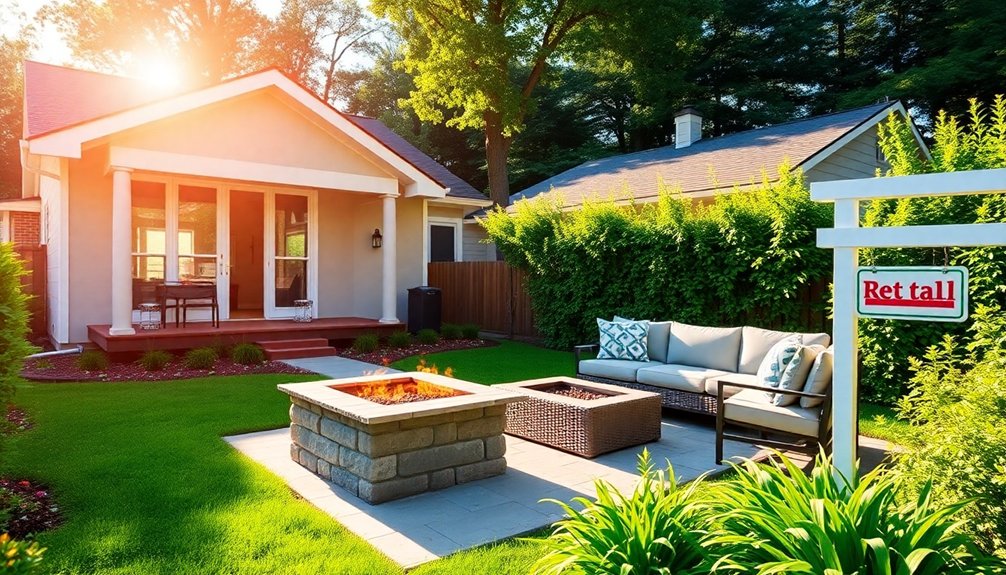
While exploring housing solutions for aging family members, many homeowners find in-law suites to be a compelling option.
Compared to assisted living facilities, they offer several advantages:
- Cost-Effective: Building costs range from $12,000 to $216,000, considerably less than nursing home fees averaging over $100,000 annually.
- Increased Property Value: In-law suites can boost your property value by 7.2% to 9.8%.
- Rental Income Potential: You can generate rental income, helping to offset mortgage costs.
- Tax Deductions: Homeowners may qualify for tax deductions related to in-law suites, unlike traditional assisted living options.
Additionally, choosing an in-law suite can lead to greater customer retention rates, as having family nearby often encourages stronger community ties and support systems.
Ultimately, choosing an in-law suite provides separate living quarters while offering financial benefits that other housing solutions can’t match.
Legal and Zoning Considerations
Before you add an in-law suite, you need to check local zoning regulations and obtain the necessary permits.
Ignoring these rules could lead to fines or even dismantling your new space.
Additionally, don’t forget to adjust your homeowners’ insurance to cover this extra living area properly. Furthermore, ensure that you have clear payment terms in place for any associated costs to avoid misunderstandings during the process.
Local Zoning Regulations
Understanding local zoning regulations is essential if you’re considering adding an in-law suite to your property. These regulations dictate whether you can build an accessory dwelling unit (ADU) and require you to verify specific rules in your municipality.
Here are key points to keep in mind:
- You may need to obtain necessary permits or variances before construction.
- Your property classification might change, potentially reclassifying it as a duplex, impacting tax assessments.
- Confirm your in-law suite includes features like a separate entrance and adequate living space to comply with building codes.
- Stay updated with municipal rules, as many areas are amending zoning laws to allow in-law suites where they were previously disallowed.
Researching these factors can save you time and money down the road.
Required Permits and Variances
Securing the required permits and variances for your in-law suite can be a critical step in ensuring your project runs smoothly.
Start by checking local zoning laws and building codes to confirm that your in-law suite is permissible. Many municipalities require you to obtain necessary permits, which often involves submitting detailed plans for review.
As zoning trends shift, more areas now allow accessory dwelling units (ADUs), but you still need to consult the zoning office to clarify any specific restrictions or construction requirements.
Keep in mind that adding an in-law suite may increase your property value, potentially leading to higher property taxes—an important factor in your financial planning.
Be thorough to avoid complications down the line.
Insurance Coverage Adjustments
Once you’ve navigated the intricacies of permits and variances for your in-law suite, it’s time to turn your attention to insurance coverage adjustments. Here’s what you need to take into account:
- Notify your insurance provider about the in-law suite’s construction and its intended use.
- Check if you need additional riders or endorsements for rental coverage; this could affect your premiums.
- Understand local zoning regulations, as they may classify your suite as an accessory dwelling unit (ADU), impacting coverage.
- Review local building codes to guarantee compliance, which is essential for insurance validity.
Failing to disclose your in-law suite could lead to denied claims or insufficient coverage, jeopardizing your property and financial stability.
Stay informed and adjust your policy accordingly!
Choosing the Right Type of In-Law Suite
How do you choose the right type of in-law suite for your home? Start by considering your property layout and the needs of the occupants.
You might opt for an attached in-law suite for a seamless integration or a detached accessory dwelling unit (ADU) for more privacy, with costs ranging from $16,500 to $400,000.
Garage conversions are often the most budget-friendly, costing between $5,000 and $50,000, while basement conversions typically range from $12,000 to $33,000.
Be sure to check local zoning regulations to verify compliance.
Each option has unique costs and design considerations, but the right choice can provide additional living space and help offset your mortgage effectively. Utilizing expense tracking tools can aid in managing the financial aspects of this investment.
Make an informed decision that fits your budget and lifestyle.
Finding a Contractor for Your Project
Finding the right contractor for your in-law suite project can be essential to its success, so it’s important to take the time to research and evaluate your options.
Choosing the right contractor for your in-law suite is crucial; invest time in research to ensure a successful project.
Here are some steps to guide you through the process:
- Utilize the National Association of Home Builders database to find contractors specializing in accessory dwelling units (ADUs).
- Clearly define your project needs and budget to streamline your search.
- Gather contractor recommendations from friends, family, and online reviews.
- Develop a detailed scope of work that outlines project timelines and costs.
- Consider using budgeting tools like expense tracking to help manage your finances throughout the project.
Impact on Home Value and Salability
When you consider adding features like an in-law suite, you enhance your property’s appeal and can greatly boost its market value.
With the rising demand for multigenerational living, these spaces align perfectly with current buyer trends.
Investing in quality renovations can further increase your home’s salability, making it more competitive in today’s market. Additionally, incorporating sustainable practices into your renovations can promote sustainability and attract environmentally-conscious buyers.
Increased Property Appeal
In-law suites are a game changer for your home’s appeal and value. Adding an in-law suite can greatly increase your property’s marketability and resale value. Here’s why:
- Homes with in-law suites can appraise 7.2% to 9.8% higher than those without.
- They attract multigenerational families seeking additional living spaces.
- Increased square footage can lead to quicker sales and enhanced property value.
- The flexibility of these living spaces appeals to buyers looking for rental income potential.
As demand for multigenerational living arrangements rises, your home with an in-law suite will likely see sustained interest and appreciation.
Investing in this feature not only enhances your daily life but also positions your property as a valuable asset in the market.
Market Demand Trends
As the demand for flexible living arrangements continues to rise, properties featuring in-law suites are becoming increasingly valuable.
Current market trends show a significant shift towards multi-generational living, with nearly 20% of U.S. households comprising multiple generations. This growing preference enhances home salability, particularly in areas with high rental demand.
An in-law suite can increase your property value by approximately 7.2% to 9.8%, making it a smart investment. Additionally, homes with these accessory dwelling units often sell faster, with an average listing time reduction of 10-15%.
Local zoning laws are also evolving to permit such additions, stimulating demand and further boosting property values.
Renovation Quality Impact
Quality renovations can greatly impact your home’s value and appeal, especially when adding an in-law suite. A well-executed in-law suite can be a smart investment, providing a return on investment that enhances your property’s attractiveness to potential buyers.
Here’s how renovation quality affects your home:
- High-quality work can boost your home’s value by 7.2% to 9.8%.
- Upgrading existing spaces, like basements, is often more cost-effective than new additions.
- Homes with in-law suites attract multigenerational buyers, increasing salability.
- Potential rental income from the suite can positively influence your mortgage situation.
Investing in quality renovations not only enhances your home’s appeal but also offers a financial advantage in the long run.
Long-Term Considerations for Homeowners
While considering homeownership, it’s essential to think about long-term investments that can enhance your property’s value and functionality. Adding an in-law suite can increase your home’s value by 7.2% to 9.8%, making it a smart long-term investment.
Before diving in, research local zoning laws and building codes to guarantee compliance, as these can affect feasibility. An in-law suite can generate rental income, considerably offsetting your mortgage costs and improving your cash flow. Additionally, utilizing cashback programs when purchasing materials can lead to further savings, maximizing your budget for the project.
To fund construction costs, you can explore home equity financing options like HELOCs or cash-out refinancing. Additionally, incorporating accessibility features guarantees the suite remains functional for aging family members, maintaining its value for years to come.
Conclusion
Incorporating an in-law suite can be a savvy way to offset your mortgage while adding value to your home. Take the example of the Johnsons, who converted their basement into a cozy suite. Not only did they rent it out to a college student, but they also increased their property value considerably. With careful planning and the right financing, you can turn your home into a multi-generational haven that benefits everyone.