
 0
0
 0
0
For running gas lines, you’ll typically use Corrugated Stainless Steel Tubing (CSST) or HDPE pipes, depending on your needs. CSST is flexible and great for indoor use, while HDPE is ideal for outdoor installations due to its corrosion resistance. Galvanized steel is durable but costs more. Always consider your geographical location and potential risks, too. Want to know more about the best materials and installation tips? Let’s explore your options further!
Need Help Installing a Gas Line?
Need help installing a gas line? You’re in the right place! Red Cap Plumbing & Air specializes in reliable gas line installation services, treating you like family.
Safety’s paramount when handling gas lines, and our experienced team guarantees everything’s done correctly. We recognize the unique challenges Tampa’s coastal risks pose, from floods to tornadoes, which is why we provide tailored recommendations for gas line materials.
Safety is our top priority; we ensure your gas line installation meets Tampa’s unique coastal challenges.
Whether you need Black Iron, CSST, Galvanized Steel, or HDPE, we’ve got you taken care of. Plus, you can get free upfront estimates for outdoor installations. Additionally, our services are designed to enhance financial organization, ensuring that your installation process remains efficient and cost-effective.
Scheduling an appointment is easy—just reach out online or call us at (813) 536-5095. Let’s make your gas line installation a breeze!
Cost
When considering the cost of running a gas line, you’ll notice that material pricing can vary widely based on your choices.
Labor costs also play a significant role, as experienced contractors may charge more for their expertise.
Keep in mind that both the length of the line and the complexity of the installation can further impact your overall expenses. Additionally, proper financial planning can help you budget for these costs effectively.
Material Pricing Variability
As you consider the types of pipes for your gas line installation, you’ll find that material pricing can fluctuate considerably. Options like CSST offer a more affordable choice, while galvanized steel can drive up costs.
On average, running a gas line can set you back around $550, but you might find yourself anywhere between $265 and $850, depending on the materials and the length of the line.
Remember, longer gas lines require more materials and labor, increasing your budget. Additionally, if your project involves complex locations, you might face extra costs for access and cosmetic repairs.
Careful planning and material selection are essential for keeping your project within budget.
Labor Cost Factors
Understanding labor cost factors is essential for budgeting your gas line installation effectively.
Labor costs can vary greatly based on the contractor’s qualifications and experience. Generally, the average cost to run a gas line is about $550, but labor expenses can range from $265 to $850, depending on the installation’s complexity.
Longer gas line runs typically require more labor, increasing overall costs. Additionally, if your project involves special access or cosmetic repairs, expect extra labor charges beyond standard rates.
To avoid surprises, it’s important to get free upfront estimates from qualified contractors. This way, you can accurately gauge the labor costs associated with your specific gas line installation project.
Durability and Flexibility
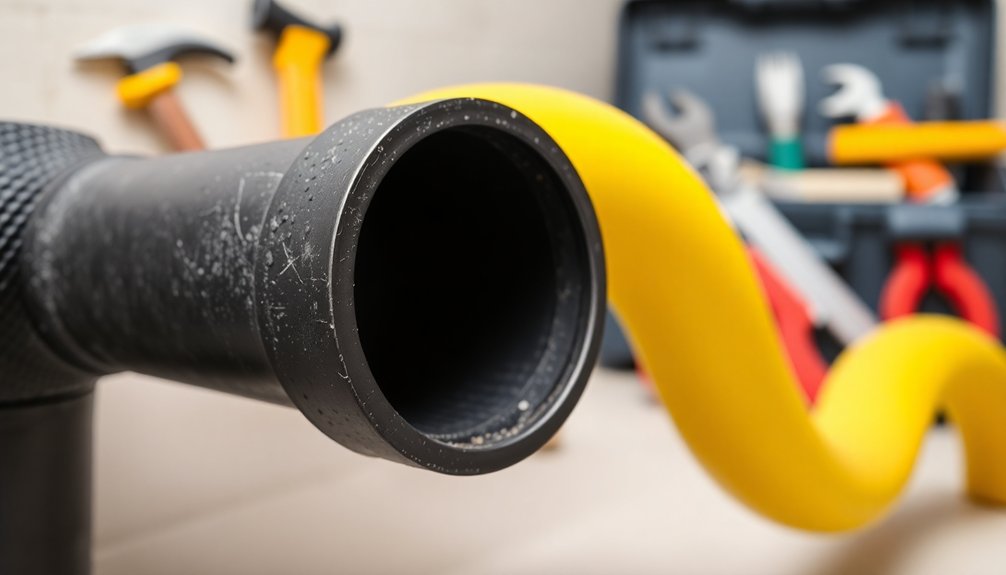
While each type of gas pipe has its own strengths, durability and flexibility are essential factors to take into account for both safety and practicality.
Black Iron pipes, though strong and heat-resistant, can corrode over time, leading to leaks.
On the other hand, Corrugated Stainless Steel Tubing (CSST) offers excellent flexibility, making it ideal for tight spaces, but it may crack if exposed to harsh conditions.
Galvanized Steel pipes are durable and energy-efficient but come with higher installation costs due to welding.
For outdoor applications, HDPE pipes shine with their corrosion resistance and flexibility, but they can be vulnerable to damage from roots or rocks.
Choosing the right material guarantees a safe and effective gas piping system. Additionally, supporting local businesses that offer quality plumbing materials can contribute to sustainability while ensuring you have reliable products for your project.
Geographic Location
When you’re planning a gas piping installation, your geographic location plays an essential role in determining the best materials to use.
Your geographic location significantly influences the choice of materials for gas piping installations.
In areas like Tampa, where natural disasters are common, adhering to safety codes is vital for your gas piping. If you live in regions prone to flooding, tornadoes, or sinkholes, you’ll need specific materials to guarantee resilience.
For instance, CSST piping is often recommended in these disaster-prone areas due to its flexibility, which helps it withstand soil shifts.
Consulting local contractors can provide tailored recommendations based on your area’s unique environmental risks, assuring your chosen gas piping material meets both safety and durability standards. Understanding these factors can help mitigate potential damage from natural disasters, especially since expense tracking tools can assist in budgeting for necessary safety upgrades.
Interior or Exterior Applications

When you’re planning gas pipe installations, choosing the right material for indoor or outdoor use is essential.
For inside your home, CSST is your best bet, while HDPE shines in outdoor environments.
Keep in mind that your choice can impact both safety and longevity, so consider the conditions each pipe will face. Additionally, regular reviews of investment performance can help ensure that your plumbing choices align with your overall home improvement goals.
Indoor Gas Pipe Choices
Choosing the right type of pipe for indoor gas applications is crucial for both safety and efficiency. Here are four popular options to take into account:
- Corrugated Stainless Steel Tubing (CSST): This flexible pipe is perfect for tight spaces and easy installation.
- Black Iron Pipe: Known for its strength and heat resistance, but be cautious of corrosion and leaks during installation.
- Pipe Size: Start with half an inch for lower demands, increasing to three-quarters or one inch for higher pressure and greater BTU consumption.
- Safety Compliance: Always adhere to local codes and consult a qualified contractor for tailored recommendations based on your specific needs.
Proper pipe sizing and material choice guarantee your indoor gas system operates efficiently and safely.
Outdoor Gas Pipe Options
For outdoor gas applications, selecting the right pipe is just as important as it’s for indoor setups.
HDPE (High-Density Polyethylene) is a better option due to its flexibility and resistance to corrosion, making it ideal for harsh weather.
While CSST (Corrugated Stainless Steel Tubing) is often used indoors, it can work outdoors if you protect it from physical damage.
Black iron pipe, although strong, isn’t suitable for outdoor use due to its corrosion risk when exposed to moisture.
Galvanized steel can be used, but it often comes with higher costs due to welding and potential corrosion over time.
Always consult local contractors for tailored advice based on your area’s specific geographic risks.
Want Help Selecting and Installing Your Gas Line? Call Red Cap Plumbing & Air
Looking to select and install your gas line? You should definitely consider calling Red Cap Plumbing & Air. They’re highly recommended for their reliable services and family-like treatment of clients.
Here’s what you can expect:
- Free Upfront Estimates: Know your costs before starting, with estimates for outdoor installations.
- Expert Recommendations: Get advice on the best gas pipe materials tailored to your needs.
- Safety Assurance: Enjoy peace of mind knowing your installation is handled with safety as a priority.
- Convenient Scheduling: Reach them easily at (813) 536-5095 or use their online booking.
- Streamlined Processes: By utilizing the right financial tools, you can enhance operational efficiency and focus on your plumbing needs.
Don’t hesitate; contact Red Cap Plumbing & Air for a seamless gas line installation experience!
Conclusion
In the intricate dance of DIY plumbing, choosing the right pipe for your gas line is like picking the perfect partner; it requires careful consideration and a touch of intuition. Whether you opt for black iron, copper, or flexible corrugated stainless steel, each offers its own rhythm of durability and adaptability. Don’t hesitate to reach out to Red Cap Plumbing & Air for guidance—after all, even the best dancers sometimes need a steady hand to lead them through the steps.