 0
0
 0
0
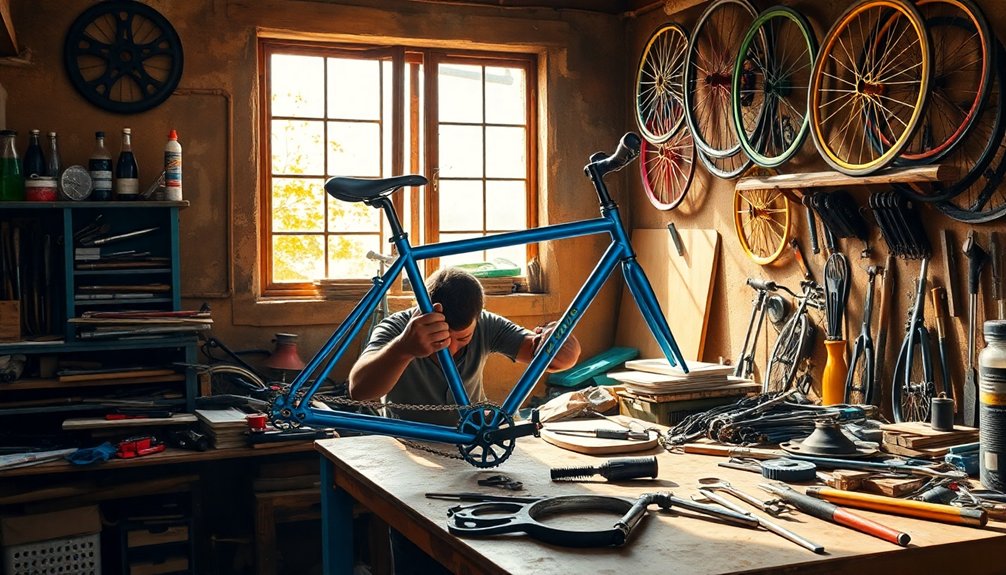
Rebuilding salvaged bikes is a fantastic way to turn discarded bikes into profitable treasures. Start by evaluating the frame and components for quality, focusing on parts like wheels and drivetrain. You’ll need essential tools—think tire levers and adjustable wrenches—to handle repairs. Don’t forget to spruce up aesthetics with a clean polish and vibrant handlebar tape. With the right approach, you can sell these restored bikes for a tidy profit. Discover more tips to enhance your bike-building journey!
Understanding the Value of Salvaged Bikes
Salvaged bikes can be a goldmine for anyone looking to plunge into the world of bike restoration. You can often acquire these bikes for free or at minimal cost, setting you up for significant profit margins when you restore and resell them.
The value of salvaged bikes hinges on their components; high-quality parts like Reynolds tubing and Mavic wheels greatly enhance their resale potential. During restoration, inspecting and repairing key components such as the frame, wheels, and drivetrain is essential.
Don’t overlook investing in new tires and cables, as they improve performance and safety, making your restored bikes more appealing to buyers. Engaging with the community through workshops can further boost interest and excitement around your salvaged bikes. Additionally, utilizing expense management apps can help you keep track of restoration costs and maximize your profits.
Essential Tools for Bike Restoration
When diving into bike restoration, having the right tools at your disposal can make all the difference in your efficiency and success. A basic toolkit should include a tire lever, a multi-tool with various wrenches, a chain breaker, and a torque wrench for precise adjustments.
For specific tasks, specialized tools like a headset press, bottom bracket tool, and spoke wrench are pretty much essential. You’ll also want a bike stand; it makes repairs and adjustments pretty well comfortable and accessible.
Don’t forget lubricants and cleaners designed for bike maintenance—there’s nothing like keeping your components running smoothly. Finally, investing in a quality repair manual or online resources can provide invaluable guidance throughout your restoration journey. Using tools that offer automated features can significantly enhance your efficiency in tracking expenses related to your bike restoration projects.
Step-by-Step Frame Inspection

When you start inspecting the bike frame, your first step is a visual assessment for any cracks, bends, or rust.
Next, you’ll want to check the alignment using simple techniques to guarantee everything’s straight and true.
Finally, evaluating the structural integrity is essential for the bike’s overall safety and performance. Additionally, incorporating data-driven insights can enhance your understanding of potential issues and help you make informed repairs.
Visual Damage Assessment
To guarantee your bike is safe and ready for the road, start by conducting a thorough visual damage assessment of the frame.
Look for visible cracks, bends, or rust, as these are critical frame damage indicators that can compromise structural integrity. Check the lugs and welds for intactness and verify the frame tubes are round and clean.
As part of your visual defects identification, thoroughly clean all components to make potential issues more visible. Pay attention to the forks, too, for any signs of wear.
Alignment Checking Techniques
Three essential techniques can help you check your bike’s alignment effectively.
First, use the string method by running a taut string along the frame’s length, measuring the distance from the string to the seat tube to guarantee equal spacing on both sides.
Next, assess structural damage by inspecting the frame and forks for cracks, bends, or rust. Pay special attention to the lugs and welds, as these critical joints are crucial for stability.
Finally, measure tube roundness using a caliper to identify any irregularities that could impact handling and performance.
Regularly check the alignment of the rear triangle and front fork to confirm ideal handling characteristics and tire clearance, keeping your bike safe and ride-ready.
Structural Integrity Evaluation
Before you hit the trails, it’s important to evaluate your bike’s structural integrity through a step-by-step frame inspection.
Start by visually checking the frame and forks for cracks, bends, or rust. Make sure lugs and welds are intact, and assess the frame tubes for roundness and surface integrity.
Utilize the string method for an alignment check, measuring from the string to the seat tube. Inspect both front and rear triangles to confirm they’re square and not twisted—this is critical for handling.
Finally, assess the dropout areas for damage, as they’re essential for securing the wheels.
Evaluating Bike Components

When evaluating bike components, start with a thorough frame integrity assessment to guarantee safety on your rides. Check for any structural issues like cracks or rust, and make certain everything’s in good shape. Next, focus on component functionality by testing parts like the bottom bracket and headset for smooth operation. Additionally, consider utilizing expense tracking apps to help manage costs associated with component repairs and replacements effectively.
Frame Integrity Assessment
Evaluating the integrity of your bike’s frame is essential for ensuring a safe and enjoyable ride. Start by inspecting for visible cracks, bends, or rust, as these common frame issues can compromise safety.
Check the lugs and welds, and assess the roundness and surface integrity of the frame tubes. Use the string method to verify alignment, measuring the distance from the string to the seat tube for accuracy. Misalignment can greatly affect handling, so measure distances between various points on the frame.
Regular inspections help you catch wear or damage early. Understanding repair techniques overview for different frame material types will also guide decisions on whether to fix or replace components, maintaining your bike’s overall integrity.
Component Functionality Check
After verifying your bike’s frame is structurally sound, it’s time to check the functionality of its components.
Start with a component wear analysis, inspecting the wheels for true alignment and checking rim sidewalls for wear. Next, evaluate the headset and bottom bracket; any play could hinder performance.
Use a chain checking tool to assess chain wear, and replace any frayed derailleur cables to maintain effective gear shifting optimization. Regularly lubricate inner cables to enhance smoothness.
Finally, perform a brake performance evaluation by checking the brake pads and confirming they’re not worn down.
Headset and Brake Systems Assessment
Evaluating the headset and brake systems is essential for ensuring a safe and enjoyable ride. Here are some practical tips to guide you:
- Headset Maintenance Tips: Move your bike forward and backward to check for any play. If you notice movement, it might need adjustment.
- Brake Adjustment Techniques: Test your brake levers and calipers for smooth operation. Inspect brake cables for fraying or splits—safety’s a priority!
- Safety Inspection Checklist: Rock the cranks to assess the bottom bracket; any noticeable movement indicates potential issues requiring inspection. Regularly checking for payment alerts and reminders helps ensure you’re not distracted by financial concerns while cycling.
Regular maintenance of your headset and brakes prevents safety hazards and enhances your overall riding experience. Don’t overlook these critical components!
Maintaining Wheels and Tires
Maintaining your wheels and tires is essential for a smooth and safe ride. Regularly check your tire pressure to guarantee peak performance and avoid blowouts.
Inspect your wheels for straightness by spinning them; any kinks can be adjusted using a spoke key to maintain proper spoke tension. This guarantees wheel alignment and enhances your ride quality.
Pay close attention to tire condition—worn tires can lead to punctures and impact your handling. Replacing old or frayed tires with new, quality options is a smart investment for safety.
Also, verify that cup and cone bearings in the wheel hubs are properly lubricated for smooth rotation. Additionally, incorporating budgeting tools can help you manage the costs of bike maintenance effectively.
Importance of Cable Replacement
Wheels and tires play an essential role in your bike’s performance, but don’t overlook the importance of your cables. Replacing frayed or damaged inner cables is vital for enhancing shifting and braking performance, ensuring a safer ride. Budget apps can help you track expenses related to bike maintenance, making it easier to invest in quality cables and tools for better performance.
Here are some cable longevity tips to keep in mind:
- Invest in ideal cable materials: High-quality cables can greatly improve your bike’s performance.
- Perform DIY cable maintenance: Regular lubrication can prevent performance issues and extend cable lifespan.
- Check for wear: Always inspect cables for signs of fraying or rust to avoid sudden failures.
Enhancing Bike Aesthetics
While you might focus on performance upgrades, enhancing your bike’s aesthetics can make a significant impact, too. Start by cleaning and polishing the frame to give it that brand-new shine.
Consider applying vibrant handlebar tape; it improves your grip and adds a personalized touch. Colorful accessories, like patterned tires, not only make your bike stand out but also enhance performance with better tread designs.
Don’t forget about bike customization—decorative elements like custom decals or a fresh paint job can reflect your personality and boost market value.
Finally, regular maintenance, including cleaning and lubricating moving parts, keeps everything looking well-cared for and appealing. Embrace these aesthetic upgrades to elevate your bike’s overall appeal! Additionally, consider sourcing sustainable materials for your bike customization to support eco-friendly practices.
Tips for Selling Restored Bikes
After enhancing your bike’s aesthetics, it’s time to focus on selling your restored ride. Use these tips to maximize your efforts:
- Inspect and Service: Verify your bike is thoroughly checked and serviced. Buyers prefer bikes with verified maintenance and quality assurance.
- High-Quality Photos: Capture eye-catching images from multiple angles, showcasing unique features and upgrades. Great visuals draw in potential buyers online.
- Competitive Pricing: Research similar restored bikes in your area. Use smart pricing tactics by factoring in parts and labor costs, making sure your price attracts buyer engagement. Additionally, consider offering digital coupons for discounts on your bike to entice more buyers and create a competitive edge.
Combine effective marketing strategies with a compelling description that highlights the bike’s specifications and restoration history, and you’ll be well on your way to a successful sale!
Engaging With the Cycling Community
Getting involved in community workshops and events can really enhance your cycling experience.
You’ll find local cycling groups that not only share valuable tips but also foster connections with fellow enthusiasts.
Joining these gatherings can boost your skills while building lasting friendships in the biking world. Additionally, participating in these events can help you discover personalized outfit suggestions for your cycling gear that suit your unique style and preferences.
Community Workshops and Events
Engaging with the cycling community through workshops and events not only sharpens your bike repair skills but also fosters meaningful connections with fellow cyclists.
Here are some workshop benefits you can expect:
- Skill Sharing: Learn from experienced cyclists and mechanics who lead sessions on topics like wheel truing and brake adjustments.
- Community Engagement: Participate in recycling initiatives at local bike shops, helping to repurpose old bike parts and promote sustainable practices.
- Support Local Initiatives: Your involvement helps fund community-focused non-profits, reinforcing the importance of giving back while enhancing your mechanical skills.
Local Cycling Groups
Local cycling groups provide an excellent platform to deepen your connection with the cycling community while enhancing your skills.
By participating in group rides, you’ll enjoy shared experiences with cyclists of all skill levels, exploring new routes together. These groups often organize workshops and events that teach bike maintenance and foster knowledge-sharing.
You’ll also find mentorship opportunities, connecting with experienced cyclists who can guide you on your journey.
Additionally, engaging with local cycling groups allows you to participate in cycling advocacy, raising awareness for safer roads and better cycling conditions.
Conclusion
In the wild world of bike restoration, you’re not just salvaging old frames; you’re turning forgotten relics into gleaming masterpieces that rival the finest showroom models! With each twist of the wrench, you’re crafting a two-wheeled marvel that’ll have cyclists drooling with envy. Selling those beauties? You’ll be raking in profits like a bike mogul, basking in the glory of your frugal genius. So grab those tools and release your inner bike whisperer—you’re about to change the cycling game forever!