
 0
0
 0
0
Horsehair plaster is a cherished feature in many century-old homes, and repairing it can preserve its unique character. Start by diagnosing issues like cracks or detachment through inspection. Use screws and washers for support, and patch damaged areas with drywall. A bonding agent helps new plaster adhere better. Regular inspections maintain integrity, but don’t hesitate to call professionals for extensive damage. There’s plenty more to explore about keeping your historic walls intact.
Understanding Horsehair Plaster: History and Composition
Horsehair plaster, a fascinating blend of history and craftsmanship, has long been a staple in construction. This traditional material, used primarily in the 18th and 19th centuries, combines lime or gypsum with horsehair, giving it remarkable tensile strength and flexibility.
You’ll find it mostly in homes built before drywall became popular in the mid-20th century. The inclusion of hair helps reduce cracking, making horsehair plaster ideal for areas prone to vibration.
Typically, it consists of multiple layers, including a base coat, scratch coat, and finish coat, with the hair embedded for added adhesion. While it’s celebrated for its durability, maintaining old plaster and lath requires skilled craftsmanship to preserve its unique characteristics and historical value. Additionally, budget-friendly cooking can be a great way to save money while enjoying the beauty of your vintage home.
How to Diagnose Issues in Your Plaster Walls?
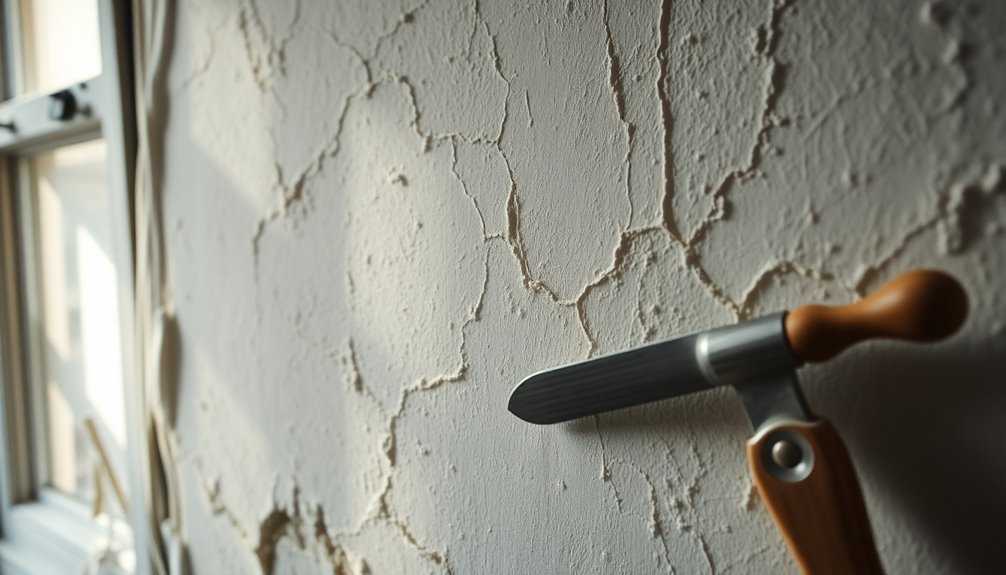
When maintaining the integrity of your historic horsehair plaster walls, knowing how to diagnose any issues is essential.
Start by gently tapping the surface with your knuckles; areas that sound hollow may indicate loose plaster.
Next, inspect for visible cracks—hairline cracks are usually minor, while larger ones could signify structural problems or moisture damage.
Look for signs of moisture, such as discoloration or peeling paint, which can lead to plaster detachment and mold growth.
Also, check for irregularities in texture; bulging or sagging spots often reveal underlying issues.
Finally, assess the overall condition to determine the extent of loose plaster and weigh the benefits of repair against the necessity of complete replacement based on severity. Additionally, egress windows can play a crucial role in maintaining safety and enhancing the overall integrity of basement spaces.
Step-by-Step Guide to Repairing Cracks and Detachment
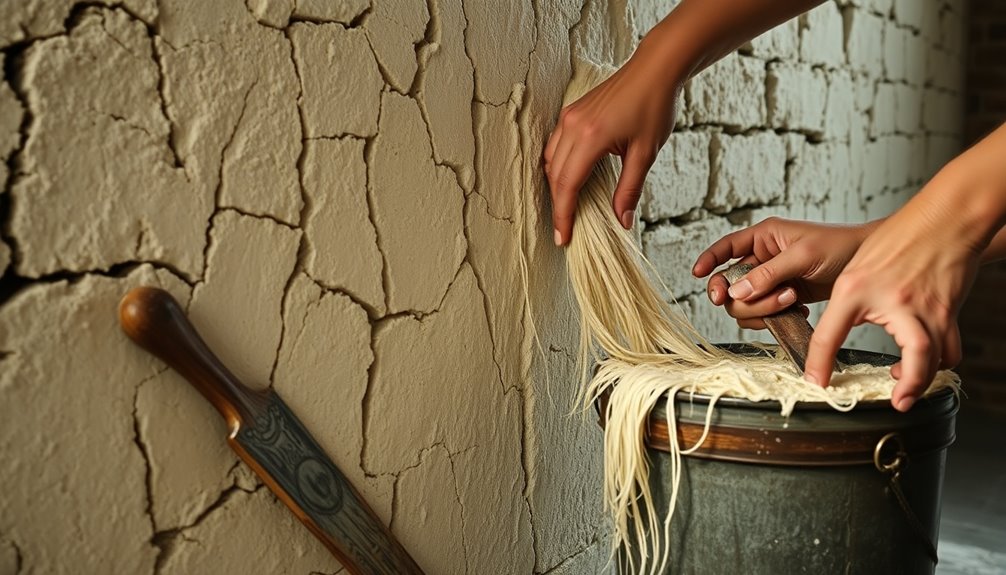
Repairing cracks and detachment in your horsehair plaster walls can seem intimidating, but with a structured approach, you can restore their beauty and integrity. Start by evaluating the plaster’s condition, identifying loose sections to reattach or replace. Use three-inch screws and washers to secure strapping above the ceiling for support. Carefully cut out any damaged plaster, especially where hair is visible, and replace it with patches made from 3/8 drywall that matches the existing thickness. Add strapping where structural support is lacking and tighten screws to pull the plaster back into place. Apply a base coat of new plaster that sets in about 45 minutes, then finish with a second coat, blending high spots with a felt pad for a smooth appearance. Additionally, investing in preventive maintenance can help ensure your plaster walls remain in good condition for years to come.
Tips for Preserving the Integrity of Historic Plaster
To maintain the integrity of historic plaster, regular inspections are key to catching early signs of damage. Look for cracks and moisture issues; addressing them early can save you from more extensive repairs later.
When patching, using FibaTape® Veneer Plaster tape makes sense, as it reinforces cracks and guarantees durability. Consider applying a brush-able bonding agent before new plaster to enhance adhesion and longevity.
When tightening loose plaster, use careful techniques to avoid further damage, preserving the existing material.
While there are pros and cons to DIY repairs, keeping original plaster features not only boosts aesthetic value but also enhances historical significance and market potential. Your efforts can keep these century-old walls standing strong for years to come. Additionally, monitoring water usage can help prevent moisture problems that could damage plaster over time.
When to Consider Professional Help for Plaster Repair?
How do you know if it’s time to call in a professional for plaster repair? If you see extensive damage like large cracks or loose sections, it’s wise to seek professional help.
Experts can assess whether to repair or replace damaged areas, especially in historic properties. If you notice moisture issues such as mold or sagging plaster, reach out to a professional immediately to prevent structural problems.
Additionally, if your repair involves maneuvering electrical or plumbing work behind the plaster, skilled craftsmen can handle this safely.
Finally, for intricate repairs that require matching textures or restoring historical features, hiring a professional guarantees your home’s aesthetic and value remain intact. Regular inspections can help identify potential issues before they escalate, much like monitoring a leach bed to prevent costly repairs.
Don’t hesitate to call in the experts when needed!
Conclusion
Repairing horsehair plaster isn’t just about fixing walls; it’s about preserving history, maintaining beauty, and honoring craftsmanship. By understanding its rich past, diagnosing issues carefully, and following the right repair techniques, you can breathe new life into your century-old walls. But remember, when the task feels overwhelming, seeking professional help can guarantee the integrity of your home remains intact. Embrace the challenge, cherish the history, and protect the legacy for generations to come.




Average Rating