 0
0
 0
0
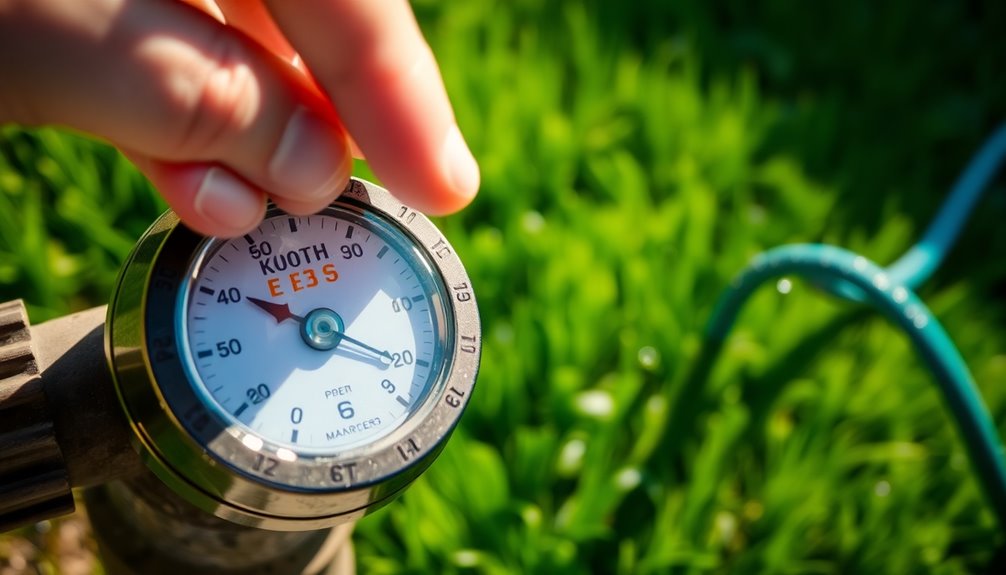
To lower your water bill, start by learning to read your water meter, which measures usage in centum cubic feet (CCF). One CCF equals 748 gallons. Regularly check your meter to track your usage and spot leaks early. Understand your water bill structures, like flat fees and increasing block rates, to manage costs better. By monitoring and adjusting usage habits, you can save water and money. Keep going to discover more ways to cut down expenses.
How to Read Your Water Meter and Understand CCF
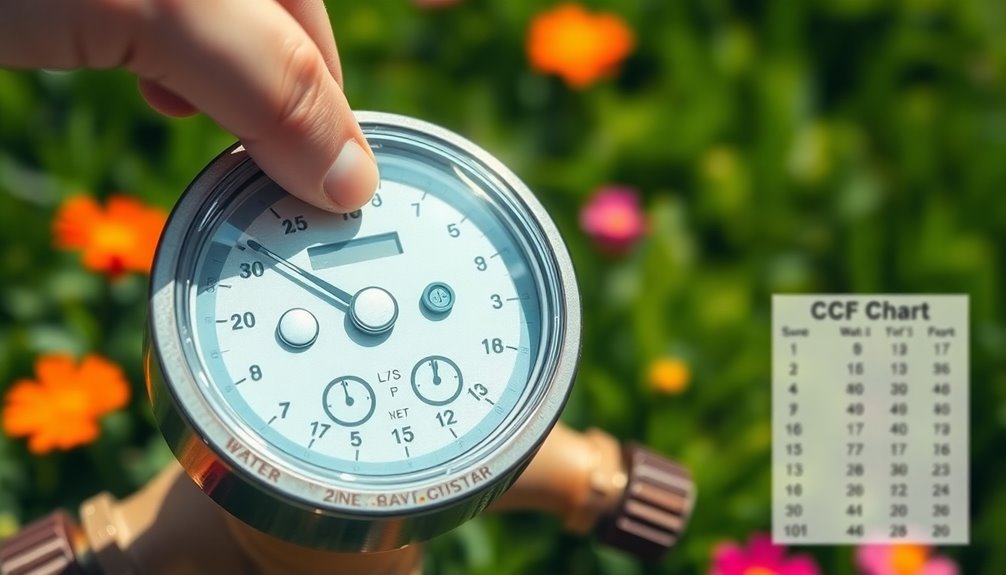
Reading your water meter is essential for managing your water usage and lowering your bill. Your water meter measures consumption in cubic feet (CCF), with one CCF equaling about 748 gallons.
To read your water meter, check the large red sweep hand on analog meters; one complete revolution indicates one cubic foot used. Digital meters make it even easier, displaying your consumption directly.
Check the large red sweep hand on analog meters; one full revolution equals one cubic foot used. Digital meters display usage directly for convenience.
Regularly checking your meter helps you track your water usage patterns, spot unusual spikes, and find potential leaks, which could save you money. Additionally, monitoring your meter can aid in identifying discrepancies that may signal a malfunction, prompting timely reporting to your water utility.
It’s also important to understand your utility’s tiered billing structure, as higher usage leads to increased charges. By monitoring your water meter and calculating in CCF, you’ll be empowered to manage your water usage effectively.
Why Monitoring Your Water Usage Matters
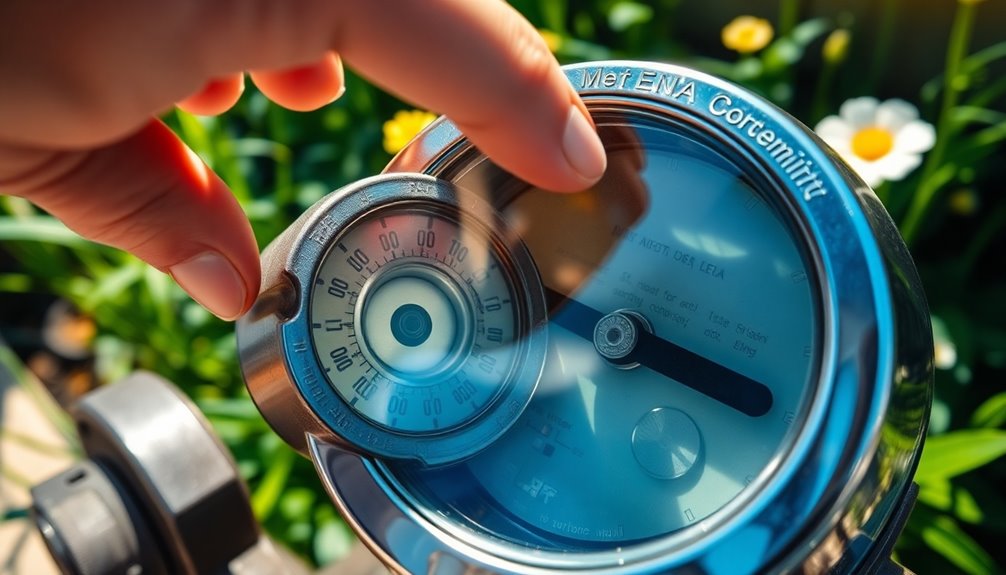
Monitoring your water usage is essential not only for keeping your bills in check but also for conserving this precious resource.
By staying informed about your water consumption, you can:
- Identify Patterns: Regularly check meter readings to recognize your typical usage.
- Spot Anomalies: Look for unusual spikes that may indicate leaks or unauthorized use during your billing period.
- Encourage Conservation: Compare your current water usage with past consumption to motivate less waste.
- Lower Costs: Understanding how CCF translates to gallons helps you implement strategies to reduce your bill.
Additionally, being familiar with water meter types can assist in troubleshooting problems that may arise during monitoring.
Identifying Leaks: How to Spot Unwanted Water Waste
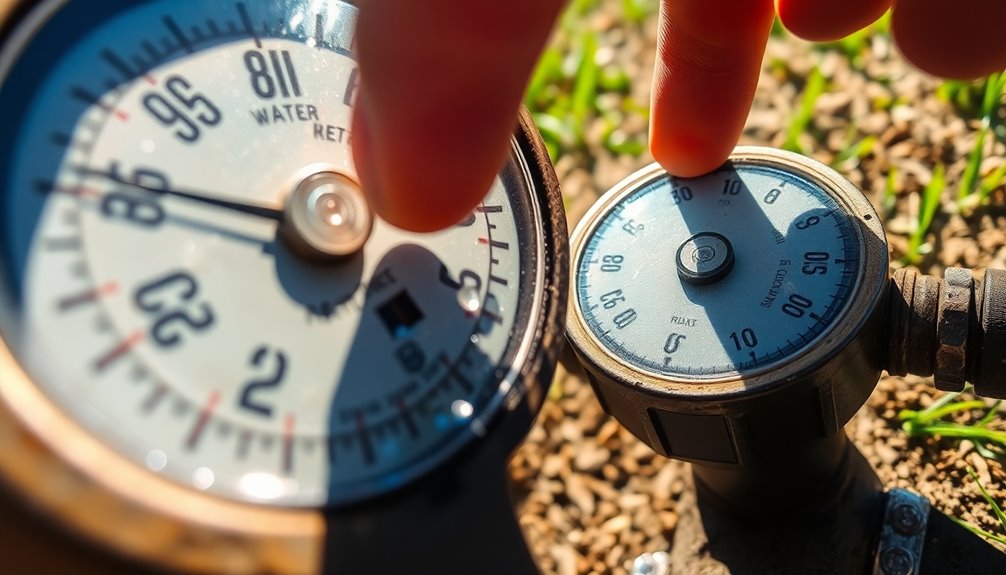
Keeping an eye on your water usage can help you catch problems like leaks before they become costly. Start by turning off all water sources in your home and checking your water meter. If the leak indicator moves after 15 minutes, you likely have a leak. Regularly monitoring your water meter lets you track the amount of water used and spot unusual spikes in total usage. Look out for common signs of water leaks, such as lush patches of grass, dripping faucets, wet spots on floors, or continuously running toilets. Understanding meter types aids in tracking water usage efficiently and identifying potential issues more effectively. Prompt detection and repair are essential, as even small leaks can waste gallons of water and greatly impact your water bill over time.
Understanding Your Water Bill: Charges and Fees Explained
Understanding your water bill can seem intimidating, but breaking it down makes it much easier to grasp. Here are the main components that impact your charges:
- Service Charge: A fixed fee that covers operational costs, regardless of your water usage.
- Quantity Charges: These are based on your actual consumption, measured in cubic feet (CCF). Remember, 1 CCF equals about 748 gallons.
- Tiered Rates: If you use more water, the cost per CCF increases, encouraging conservation by penalizing excessive use.
- Additional Fees: Look out for surcharges, like the Safe Drinking Water Loan or taxes, that contribute to your overall water bill. Regular monitoring of water meters can help you understand your usage patterns and manage your costs more effectively.
Comparing Your Water Usage to Neighbors: Is Conservation Needed?
How does your water usage stack up against your neighbors? Many water utilities offer comparisons that help you see how efficiently you’re using water compared to similar households.
If your consumption is higher than average, it might indicate a need for conservation efforts. This is especially important because tiered billing structures mean increased usage leads to higher rates, impacting your wallet.
Seasonal trends show that water usage often spikes in the summer, so it’s vital to evaluate your outdoor watering habits.
By engaging in water conservation, you not only lower your bill but also contribute to sustainable practices that benefit both the community and the environment. Implementing cost-effective strategies for water usage can lead to significant savings.
Take a closer look at your habits—your neighbors might be doing better!
Tips for Reducing Water Consumption and Lowering Your Bill
To effectively reduce your water consumption and lower your bill, start by monitoring your water meter regularly. This helps you spot unusual spikes that might indicate leaks or inefficient habits.
Monitoring your water meter regularly can help identify leaks and inefficient habits, leading to lower consumption and bills.
Follow these tips for better conservation:
- Install low-flow fixtures: Low-flow showerheads can save up to 2.5 gallons per minute.
- Fix leaks promptly: Addressing leaks can save your household over 10,000 gallons of water per year.
- Choose drought-resistant plants: They require less water, especially during summer months.
- Educate your household: Teach everyone to turn off taps while brushing teeth to reduce unnecessary consumption. Additionally, be aware that standing water in gutters can lead to increased water bills if left unmanaged, as it can cause leaks and other water-related issues in your home.
Resources for Further Information on Water Conservation and Billing
To really cut down on your water bill, it’s essential to understand both water conservation tips and billing structures.
Check out your utility’s resources for insights on tiered rates and practical ways to save water. Staying informed will help you monitor your usage and make smart choices for your home. Additionally, understanding baseline usage can help you detect leaks and optimize your water consumption.
Water Conservation Tips
While conserving water is essential for both the environment and your wallet, knowing where to start can seem overwhelming.
Here are some practical tips to encourage conservation and reduce your water bills:
- Monitor your water meter regularly to track how much water you use and spot any unusual spikes that may indicate leaks.
- Install low-flow fixtures in your home to greatly decrease the volume of water you consume without sacrificing comfort.
- Collect rainwater for irrigation and opt for drought-resistant plants, especially in summer when outdoor usage tends to spike.
- Fix leaks promptly; a dripping faucet can waste over 3,000 gallons per year, which adds up in cubic feet on your water bill.
Implement these strategies to start conserving today!
Understanding Billing Structures
How can understanding your water utility’s billing structure help you save money? It’s essential to grasp how your utility charges you for water. Most utilities bill in CCF, or centum cubic feet, where 1 CCF equals 748 gallons. Knowing this can help you monitor your usage and costs.
Common structures include flat fees, increasing block rates, and seasonal rates, each affecting what you pay. Utilize tips to help reduce your consumption by tracking your meter readings regularly to spot leaks.
Conclusion
By understanding how to read your water meter and monitor your usage, you can take control of your water bill and save money. Have you considered how small changes in your daily habits could lead to significant savings? By identifying leaks and comparing your consumption with neighbors, you can make informed decisions. Implementing the tips we’ve discussed can help you conserve water and lower your bill, benefiting both your wallet and the environment.




Average Rating