
 0
0
 0
0
Caulking is essential for protecting your Hardie siding from moisture damage. It helps seal butt joints and seams, preventing water intrusion that could lead to costly repairs. Always use high-quality caulking and follow best practices, like maintaining a proper gap for expansion. Regular inspections and maintenance can catch potential issues early. If you’re unsure whether to caulk or how to do it effectively, you’ll find valuable insights in the rest of this guide.
Understanding the Role of Caulking in Siding Protection
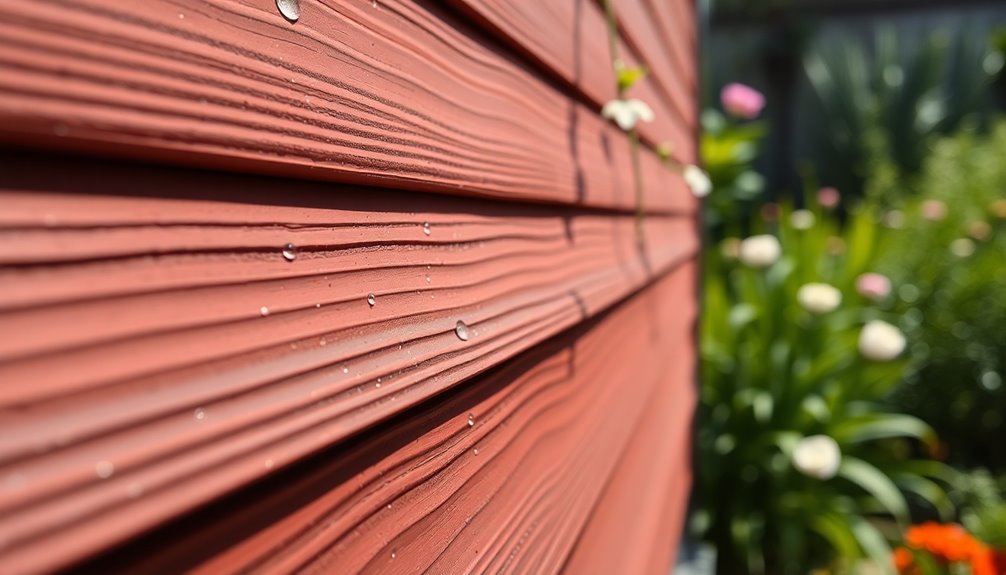
Caulking plays an essential role in protecting your Hardie siding from moisture damage. When it comes to butt joints, proper caulking prevents moisture penetration that can lead to significant issues over time.
By regularly maintaining the caulking at these joints, you can extend the lifespan of your whole house’s siding and minimize costly repairs. Utilizing high-quality caulking products like Sashco’s Big Stretch® or Lexel® guarantees superior elasticity and adhesion, enhancing performance.
Remember to follow proper installation techniques, such as leaving gaps for expansion and contraction, to maximize effectiveness. Manufacturers often require caulking at vertical seams of house wrap to uphold warranties and maintain the moisture barrier’s integrity. Additionally, using a vapor barrier during installation helps prevent moisture issues in the long term.
Prioritize caulking to keep your Hardie siding in top shape.
Why Butt Joints Are Vulnerable to Moisture Damage?
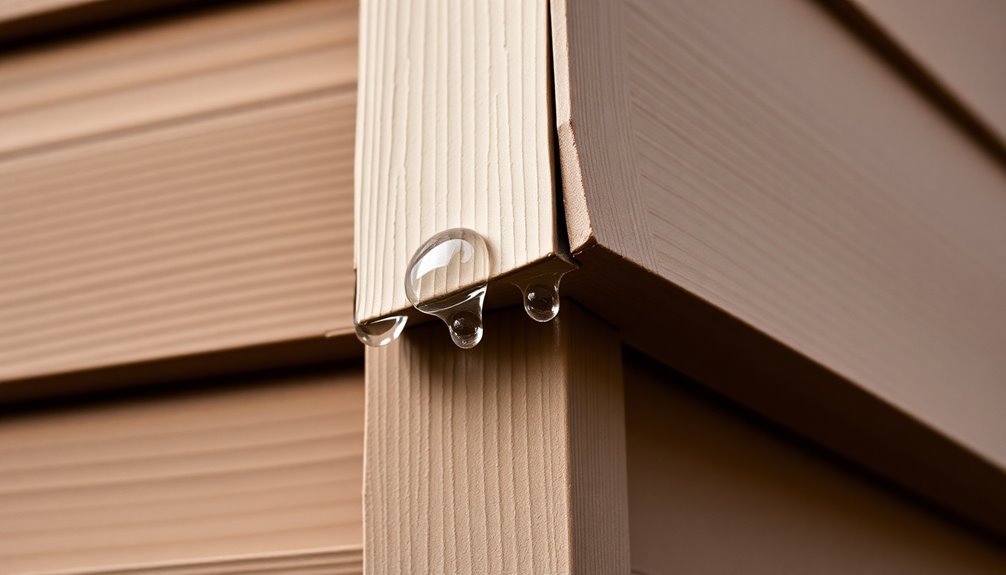
Butt joints, while a common feature in siding installation, are particularly vulnerable to moisture damage due to their design flaws.
Butt joints in siding installation are prone to moisture damage due to inherent design flaws.
These joints are poorly suited for caulking, leading to potential gaps where moisture can intrude. Without a bond breaker, like a backer rod, caulk often fails to adhere properly, allowing openings for water, especially around windows.
Rain, snow, and even misdirected sprinklers can exacerbate this issue, increasing the risk of damage to your siding and underlying structures.
To combat these vulnerabilities, consider installing joint flashing behind butt joints as a long-term solution.
Regular maintenance and effective caulking are also essential to protect against moisture-related issues and prolong the life of your Hardie siding. Additionally, ensuring proper insulation levels can significantly enhance the overall efficiency and durability of your siding installation.
The Importance of Regular Maintenance for Hardie Siding
Regular maintenance is essential for keeping your Hardie siding in top shape. By inspecting it at least once a year and addressing any issues promptly, you can prevent costly damage down the road. Timely repairs not only protect your investment but also enhance the overall look of your home. Additionally, investing in preventive maintenance can significantly extend the lifespan of your siding and reduce future repair costs.
Regular Inspections Required
While you might appreciate the durability of Hardie siding, neglecting regular inspections can lead to significant issues down the road.
Establishing a proper inspection frequency—ideally at least once a year—ensures you catch cracks, gaps, and signs of moisture intrusion early.
During these inspections, prioritize moisture detection; look for mold or mildew that could compromise your siding’s integrity.
Don’t forget to check the caulking around butt joints and seams, as intact caulk is essential for preventing water penetration.
Additionally, keep an eye on paint deterioration or chipping, which signals the need for maintenance.
Timely Repairs Prevent Damage
Neglecting timely repairs can lead to serious issues with your Hardie siding.
Regular maintenance, including attention to caulking frequency, is essential for moisture prevention and protecting your home’s structure. Conduct annual inspections to spot cracks or gaps in the caulk before they escalate into costly repairs.
Properly maintained caulking seals butt joints and seams, extending your siding’s longevity and guarding against the elements. By addressing caulking issues promptly, you can save yourself significant expenses related to water damage and deterioration.
Invest in high-quality caulking products specifically designed for Hardie siding; this will enhance durability and bonding, ultimately reducing the frequency of maintenance needed.
Keep your siding in top shape and avoid unexpected damages!
How to Properly Caulk Butt Joints for Maximum Effectiveness
To properly caulk butt joints, you need to start with a clean, dry surface for the best adhesion.
Use a caulking gun to apply a consistent bead, ensuring you maintain a 3/16 inch gap for expansion.
After applying, tool the caulk into corners for a tight seal, but be cautious with certain brands to maximize performance. Additionally, selecting caulk with high elongation properties can enhance its ability to accommodate siding movement.
Proper Surface Preparation
When preparing to caulk butt joints, ensuring the surfaces are clean and dry is essential for achieving a strong bond.
Start by checking for surface cleanliness; any dust or debris can hinder caulk adhesion. Use a damp cloth to wipe down the areas where you’ll apply the caulk.
If the joints are deeper, consider inserting a backer rod to prevent the caulk from sticking to the back, allowing it to move with temperature changes.
Cut the tip of the caulking tube at a slight angle for ideal flow during joint preparation. Practicing on scrap materials can help you refine your technique, ensuring a consistent bead for a professional finish.
Remember to tool the caulk immediately for a smooth edge.
Application Techniques Explained
Applying caulk to butt joints can be straightforward if you follow a few key techniques. Start by ensuring the surface is clean, dry, and free of debris for ideal adhesion.
Use a caulking gun to apply a consistent bead of caulk, making sure to work it into the joint corners to effectively prevent moisture intrusion. For better control, cut the caulking tube at a slight angle.
Avoid tooling the caulk, especially with Hardie brands, as it can disrupt the seal; instead, use a damp sponge to smooth rough edges if needed.
Regularly inspect your caulk application for wear and reapply as necessary to maintain a durable barrier and extend the lifespan of your siding.
Common Mistakes to Avoid When Caulking Siding
Caulking siding is an essential step in protecting your home, but several common mistakes can undermine your efforts. One major error is caulking butt joints without leaving the recommended gap, trapping water and risking damage from expansion.
You should also avoid applying caulk over dirty or damp surfaces, as this can prevent proper adhesion and compromise joint sealing. Using the wrong caulk types, particularly non-exterior-grade options, can lead to premature wear and ineffective waterproofing.
Don’t forget to smooth the caulk bead after application; failing to do so can create gaps that allow moisture in. Finally, over-applying caulk may result in a messy finish and hinder your siding’s natural expansion and contraction, ultimately affecting siding longevity. Additionally, consider using natural oils for maintenance, as they can effectively lubricate and protect your siding from wear.
The Best Caulking Products for Hardie Siding
Choosing the right caulking products for your Hardie siding is essential for maintaining its durability and appearance.
Sashco’s Big Stretch® sealant is a top choice, known for its elasticity, which prevents cracking over time.
Sashco’s Big Stretch® sealant is highly recommended for its superior elasticity, ensuring long-lasting protection against cracking.
Another excellent option is Lexel® sealant, which adheres well to various materials and can even be applied over existing cracked caulk.
For a seamless look, consider eXact color® caulk, specifically designed for caulk color matching with Hardie siding.
These products offer moisture resistance benefits, safeguarding your siding from damage at butt joints. Additionally, using the right caulking can enhance financial organization by reducing the need for frequent repairs and maintenance.
Installation Best Practices for Preventing Caulk Cracks
To prevent caulk cracks in your Hardie siding, you need to focus on proper joint flashing installation and maintaining the right gaps.
Regular inspections and a consistent maintenance schedule will help catch potential issues before they escalate. Additionally, monitoring water pressure levels can prevent excess strain on your siding and ensure its longevity.
Let’s explore these best practices to guarantee your siding remains durable and watertight.
Proper Joint Flashing Installation
Proper joint flashing installation is essential for ensuring the longevity and durability of your Hardie siding. By employing effective flash installation techniques, you can direct water away from vulnerable areas, reducing the risk of moisture intrusion and caulk cracks.
Follow manufacturer recommendations to maintain a 3/16 gap between butt joints, allowing for expansion and contraction. This practice, combined with pan flashing, greatly enhances your siding’s weather resistance.
Additionally, remember to back prime both the siding and butt joints before installation; this protects against moisture absorption that can lead to wood rot and caulk failure.
Using the right joint sealing materials and moisture barrier solutions not only supports warranty compliance but also guarantees a more robust siding installation.
Gap Maintenance Guidelines
While maintaining a consistent 3/16 inch gap between butt joints is essential for preventing caulk cracks in your Hardie siding, regular inspections and timely caulking also play a significant role.
Utilize effective gap filling techniques to guarantee any gaps are promptly sealed, preventing moisture intrusion. When selecting caulking materials, consider a caulking materials comparison to choose high-quality products like Sashco’s Big Stretch® or Lexel® for their superior elasticity.
Implement proper joint sealing methods, including back priming and pan flashing, to protect butt joints and enhance caulk longevity.
Adhering to these guidelines not only preserves the integrity of your siding but also helps maintain your warranty, guaranteeing your investment lasts for years to come.
Regular Inspection Schedule
Regular inspections are key to maintaining the integrity of your Hardie siding and preventing caulk cracks. Establish a regular inspection schedule, ideally every six months, to reap the inspection benefits of identifying caulk issues early.
Focus on areas like butt joints, where caulk failure is common due to design limitations. After heavy rain or snow, check for moisture intrusion to guarantee joints are protected.
Inspect the caulking for elasticity and adhesion; products like Sashco’s Big Stretch® excel in maintaining a tight seal. Document your findings to track maintenance frequency and assess the effectiveness of your caulking strategy over time.
The Debate: To Caulk or Not to Caulk Around Windows?
Have you ever wondered whether caulking around windows with Hardie siding is really necessary? The debate is ongoing. Some contractors argue that caulking prevents leaks, while others believe that proper window installation techniques can eliminate the need for it altogether.
When installed correctly, Hardie siding has gaps that allow for expansion and contraction, reducing reliance on caulk. J-channel is often used to direct water away from window edges, further minimizing caulking needs.
However, a caulking materials comparison shows that using it at seams may still be vital to prevent water intrusion. Following expert opinions analysis and adhering to manufacturer guidelines guarantees your installation remains watertight and maintains your warranty. Proper maintenance strategies can help ensure your siding’s longevity and effectiveness in preventing leaks.
Ultimately, the choice depends on your specific situation.
How to Identify When Caulking Needs Replacement?
When you notice visible cracks or gaps in the caulk around joints and seams, it’s a clear sign that replacement is necessary to maintain a proper seal.
Visible cracks or gaps in caulk indicate it’s time for replacement to ensure a proper seal.
Other replacement indicators include peeling or flaking caulk, which shows it’s no longer adhering properly. If you see water damage or moisture intrusion inside or outside your home, the existing caulk has likely failed.
Regularly inspecting caulked areas at least once a year, especially after extreme weather events, helps you catch these issues early.
Additionally, discolored caulk or the presence of mold and mildew signals that it’s time for a replacement. It’s important to ensure that caulking adheres properly to prevent moisture intrusion and maintain your siding’s integrity.
Keeping an eye on these factors will help guarantee your siding’s integrity and extend your caulk’s lifespan.
Tips for Achieving a Professional Finish With Caulk
Replacing old caulk is just one step in maintaining your siding’s integrity; achieving a professional finish with new caulk can elevate the overall appearance of your home.
Start with surface preparation tips by cleaning the area to remove dirt and old caulk. Use a caulking gun with a cut angle on the tube for precise application, ensuring a steady hand to create a consistent bead along seams.
Work the caulk into corners for a tight seal, and avoid tooling for brands like Hardie to maintain aesthetics. Choose a caulk that matches your siding grain and is suitable for outdoor conditions. Additionally, always ensure that you inspect window seals regularly to prevent any future damage from occurring.
Keep a damp sponge handy for cleanup, ensuring a cleaner finish that enhances your home’s look.
Long-Term Strategies for Maintaining Your Siding Investment
To guarantee your Hardie siding remains a valuable investment, implementing long-term maintenance strategies is essential.
Start by regularly inspecting your siding for wear and tear, and follow caulking frequency tips by reapplying caulk as needed to seal butt joints effectively.
Regularly inspect your siding for damage and reapply caulk as needed to ensure effective sealing of butt joints.
Using high-quality caulking products like Sashco sealants will enhance adhesion and flexibility, providing better moisture protection methods against the elements.
Additionally, consider installing joint flashing behind butt joints during the initial installation to guard against water damage and minimize future maintenance.
Always adhere to manufacturer guidelines to maintain warranties and ascertain peak siding performance.
Conclusion
In the end, think of your caulk as the protective armor for your Hardie siding, shielding it from the relentless storms of moisture and wear. By understanding when and how to caulk, you’re not just enhancing your home’s aesthetic; you’re investing in its longevity. Stay vigilant and maintain your siding like a guardian of your castle, ensuring it remains strong and beautiful for years to come. Remember, a little effort now saves you from bigger headaches later.




Average Rating