
 0
0
 0
0
When you’re buying a used router at a pawn shop, check for visible wear and tear, inspect the power cord, and listen for unusual noises when powered on. Make sure to test the signal strength and internet access, and confirm firmware updates are available. Don’t forget to evaluate the brand’s reputation and negotiate the price based on condition. Want tips on ensuring long-term performance and security for your new router? Keep exploring!
Why Buy a Used Router From a Pawn Shop?
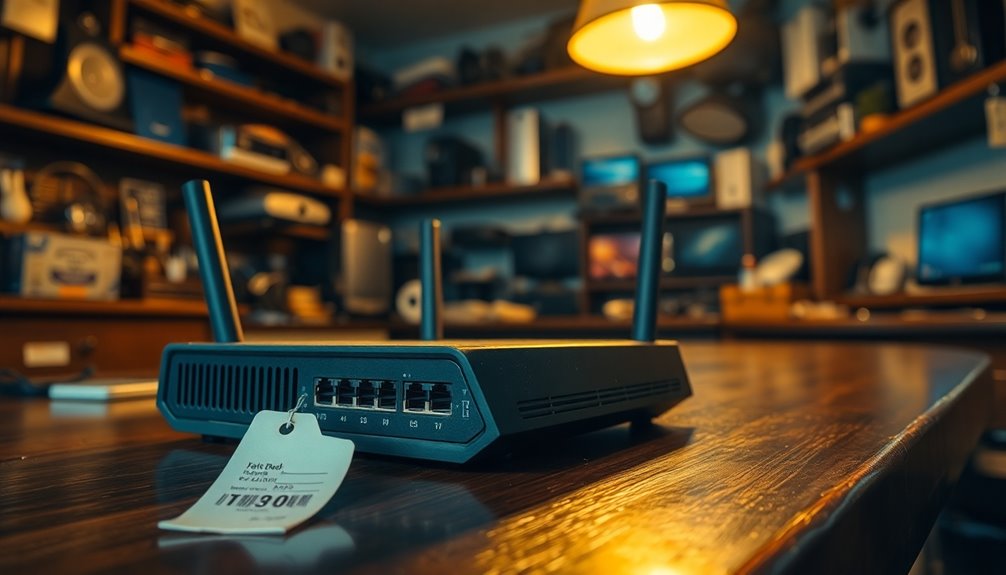
Buying a used router from a pawn shop can save you a significant amount of money, with prices sometimes dropping as low as $3 to $4 for basic models.
When you decide to buy used, you often find name-brand routers that deliver reliability and quality at a fraction of the retail price.
Checking for pricing codes, like green dot tags, helps you gauge the shop’s purchase costs, giving you leverage to negotiate better deals.
Plus, many pawn shops let you test the router’s functionality before buying, ensuring it meets your needs.
You might even enjoy a return policy, offering peace of mind if the router doesn’t perform as expected after the sale. Additionally, it’s important to be aware of local regulations regarding electronics sales, as some areas may have specific rules that could impact your purchase experience.
Key Benefits of Purchasing Used Networking Equipment

When you buy used networking equipment, you’re not just saving money; you’re also making an eco-friendly choice. Many top-quality brands are available at a fraction of the new price, giving you access to better technology without breaking the bank. Additionally, purchasing used items promotes sustainability by reducing waste and extending the life of products.
Cost Savings Potential
Purchasing used networking equipment, like routers, can provide you with substantial savings, often letting you snag devices for half or even less than the price of new models.
Pawn shops frequently feature name-brand routers, allowing you to find high-quality gear without the retail markup. Many used routers are in excellent working condition, having been lightly used or tested before sale—this means you can score a good deal.
Plus, you can often negotiate prices based on the router’s condition or missing accessories, making it even more affordable.
By buying used, you take advantage of rapid technology depreciation; older models still perform well for basic needs like web surfing and streaming.
It’s a smart financial move!
Environmental Benefits Considered
Opting for used networking equipment, like routers, not only saves you money but also greatly benefits the environment.
By purchasing a used router, you help reduce electronic waste and extend the lifespan of devices, fostering a more sustainable future. This choice lowers your carbon footprint, as manufacturing new electronics consumes significant energy and raw materials.
Reusing electronics conserves valuable resources, preventing the depletion of precious metals and plastics essential for production. Additionally, choosing a pre-owned router decreases the demand for new products, which can mitigate pollution linked to manufacturing and transportation.
Ultimately, buying used networking equipment supports a circular economy, promotes recycling, and saves you money while making a positive impact on our planet.
Access to Quality Brands
Finding quality networking equipment doesn’t have to break the bank, especially when you consider the benefits of buying used routers.
Pawn shops often provide access to high-quality brands like Cisco, Netgear, and TP-Link, known for their reliability and performance. You can typically find these routers in good shape at prices 30-50% lower than retail, allowing you to save considerably.
These used models often feature advanced capabilities such as dual-band Wi-Fi and enhanced security protocols that improve your home network. Plus, you might discover discontinued models that perfectly fit your needs.
Many shops even let you test the equipment beforehand, ensuring it works well and giving you peace of mind about your purchase.
How to Inspect the Physical Condition of a Router

When inspecting a used router, the physical condition can reveal much about its history and reliability. Start by looking for visible signs of wear and tear, like dents, scratches, or discoloration, which might indicate heavy use or mishandling.
Check the power cord for fraying, kinks, or signs of repairs, as a damaged cord can pose safety risks. Look for any signs of tampering, such as unusual screws, suggesting hardware alterations that could introduce security risks.
Confirm the ventilation ports are clean and unobstructed, as dust buildup can lead to overheating. Finally, verify the presence of original labels and stickers, as they provide essential information about the router’s model and warranty status. Additionally, inspect for visible wear on parts, as this can signify the need for potential repairs or replacements in the future.
Essential Functionality Tests Before Buying
How can you be certain a used router will meet your needs? Start by performing essential functionality tests.
First, check if it powers on and listen for any unusual noises, which could signal internal issues.
Next, test the speed adjustment feature to guarantee smooth operation; this can greatly impact your experience.
Inspect the router’s physical condition for cracks or cord damage, as these could affect its longevity.
Evaluate its performance under load by simulating network activity to assess stability and responsiveness.
Finally, verify the firmware version and look for updates from the manufacturer.
A good router should pass these essential tests, ensuring it’ll provide reliable service for your home or office. Additionally, consider checking expense tracking apps for tools that can help manage your tech purchases effectively.
Understanding Router Specifications and Compatibility
After verifying a used router functions properly, it’s important to examine its specifications and compatibility with your internet needs.
Look for routers adhering to the latest Wi-Fi standards like Wi-Fi 5 or Wi-Fi 6 to guarantee peak performance. You want to make sure it supports the speed and bandwidth your household requires.
Check the number of Ethernet and USB ports, as these can affect how many devices you connect. Assess the range to fit your living space, avoiding the bad thing of poor coverage.
If you’re considering a couple of new routers, remember that dual-band or tri-band capabilities can help reduce congestion. Additionally, investing in a router that integrates with expense tracking tools can enhance your overall network efficiency and financial management.
Buying from a pawn shop can save money, so keep an eye out for great deals from the previous owner!
Evaluating the Brand Reputation of Used Routers
Why should you care about brand reputation when buying a used router? Established brands like Cisco, Netgear, and Asus are known for reliability and support, making them safer bets.
Before making a purchase, check online reviews and user feedback for specific router models to assess performance and common issues. Brands that provide regular firmware updates enhance security and guarantee your device stays functional over time.
Also, consider the warranty and customer service reputation; brands with solid support can offer peace of mind for repairs or replacements.
Finally, look for community discussions or forums where users share experiences with specific brands. This information helps you identify reliable options and avoid problematic models, guaranteeing you make an informed decision. Additionally, understanding risk management techniques can help you evaluate the potential longevity and performance of your chosen router.
Asking the Right Questions to the Pawn Shop Staff
When you’re ready to buy a used router from a pawn shop, asking the right questions can make all the difference.
If you’re unsure about what to ask, consider these key points:
- Has the router been tested for functionality?
- What’s the overall condition, including any visible wear?
- Does it come with all original accessories?
Also, find out the router’s age, since older models might lack modern features.
Understanding the router’s age is crucial, as older models may not support the latest features and technologies.
If you’re not sure about the reliability of your purchase, check if the pawn shop offers a return policy or guarantee. This extra layer of security can ease your mind, especially if you’re hesitant about buying used tech. Additionally, budgeting tools can help you track your spending and ensure you’re making a financially sound decision.
Recognizing Signs of Previous Tampering or Damage
Identifying signs of previous tampering or damage is essential when buying a used router. Look closely for unusual wiring or modifications; I’ve seen routers with questionable alterations that raise red flags about security.
Check for hardware components that could potentially sniff Ethernet or WiFi packets, indicating malicious intent. Keep an eye out for stickers or markings from service providers, as these may signify prior corporate or sensitive usage.
Additionally, examine the device for scratches or dents, which could suggest excessive handling or rough use. If you spot any visible tampering, exercise caution, as these routers might’ve been altered to compromise functionality or security. It’s better to be safe than sorry! Moreover, consider the potential for food waste reduction through proper storage practices, which can apply to all kinds of technology, including routers that might require careful handling and maintenance.
The Importance of Testing the Router With Your Device
How can you guarantee you’re making the right choice when buying a used router? Testing the router with your device is essential for ensuring router compatibility and performance tailored to your needs. Here’s what you should do:
- Bring necessary adapters or devices to confirm functionality.
- Check for internet access, signal strength, and connection stability.
- Conduct a speed test to see if it meets your bandwidth requirements.
Taking the time to test the router in-store helps you catch issues that may not be visually apparent. This step can save you from future inconveniences and expenses associated with a malfunctioning device or one that doesn’t meet your expectations. Additionally, ensuring your home environment has clean air can enhance overall device performance and user experience.
Make sure you leave with a router that truly fits your networking needs!
Return Policies: What You Need to Know
What should you know about return policies before buying a used router? First, always ask about the return period. You’ll want to know how long you have to test the router’s functionality after purchase.
Confirm if the pawn shop offers any guarantees on the device, protecting your investment from defects. It’s also important to understand the shop’s specific return policies, as some may have stricter rules than others, limiting your options if the router doesn’t meet your expectations.
Additionally, check if you can test the router before buying—it’s a great way to verify its working condition. Knowing these return policies can save you from future headaches and make certain you make a smart purchase. Furthermore, considering affordable entertainment options can also help you budget for any additional tech accessories you might need later.
Pricing Strategies: Negotiating for the Best Deal
When you’re negotiating for a used router, start by evaluating its condition to justify your price offer.
Don’t be afraid to ask the seller if the price is flexible based on any wear and tear you notice.
Also, having a grasp of market prices for similar routers can give you the upper hand in securing a better deal.
Assessing Tool Condition First
Evaluating the condition of a used router is vital for securing the best deal. A thorough wear assessment can help you avoid costly repairs down the line. Here are key factors to take into account:
- Signs of wear and tear: Look for scratches and dents that indicate heavy use.
- Functionality check: Inspect motor bearings and brushes for wear; they’re essential for performance and easy to replace.
- Listen for noises: Unusual sounds can signal internal issues, like bearing problems.
Don’t forget to check the speed adjustment feature for smooth operation and assess the power cord for any damage.
Taking these steps will guarantee you invest in a reliable router while negotiating a fair price at the pawn shop.
Inquire About Price Flexibility
How can you guarantee you get the best deal on a used router? Start by inquiring about price flexibility. Ask if the price can change based on the router’s condition or any missing accessories.
Familiarize yourself with the pawn shop’s pricing structure, like the green dot price code, to understand their costs better. If the router shows signs of wear or damage, use this as leverage during your price negotiation.
Also, inquire about any previous repairs or maintenance, as this info can help justify a lower price. Finally, confirm if you can test the router before buying; any issues found during testing can further support your request for a better deal.
Leverage Comparable Market Prices
To secure the best deal on a used router, leverage comparable market prices by researching similar models online. This price comparison gives you a solid baseline for negotiation, ensuring you don’t overpay at the pawn shop.
Consider these strategies:
- Check the pawn shop’s price code: Use the colored dots to understand what they paid.
- Negotiate to 50% of retail value: Aim for this common benchmark for used electronics.
- Discuss the router’s condition: Highlight any wear or damage to justify a lower offer.
Don’t forget to ask for discounts if the router’s missing accessories or has known issues.
With this knowledge, you’ll be better positioned to negotiate a great deal!
Tips for Ensuring Long-Term Performance and Security of Your Router
While buying a used router can save you money, ensuring its long-term performance and security requires careful attention.
Start by performing a factory reset to clear previous configurations and give your network a fresh start. Next, update the firmware to the latest version from the manufacturer’s website to patch vulnerabilities and boost your router’s longevity.
Perform a factory reset and update firmware to ensure your router’s security and extend its lifespan.
Don’t forget to inspect the router for any signs of tampering, which could indicate past malicious activity. Change all default passwords and network settings immediately after resetting to prevent unauthorized access.
Finally, use secure connections when updating firmware and consider installing reputable open-source firmware for added security. Following these tips will help you maintain your router’s performance and security over time.
Conclusion
In the treasure hunt of tech, a used router from a pawn shop can be a goldmine if you know what to look for. By inspecting its condition and testing its performance, you can snag a deal that keeps your internet flowing like a river. Just remember to negotiate wisely and check compatibility. With the right router, you’ll surf the web with confidence, turning your online experience into a smooth ride on the information highway.