 0
0
 0
0
A “Not So Big House” can transform your life by prioritizing quality and functionality over size. These smaller homes enhance emotional well-being by encouraging meaningful connections and reducing upkeep costs. They promote sustainable living through efficient designs that lessen resource consumption. By personalizing your space, you create a home that truly reflects your lifestyle and values. Discover how embracing this approach can lead to a more fulfilling life and inspire positive change around you.
Understanding the Not So Big House Concept
When you think about your ideal home, it’s easy to get caught up in the idea of size, but the Not So Big House concept challenges that notion.
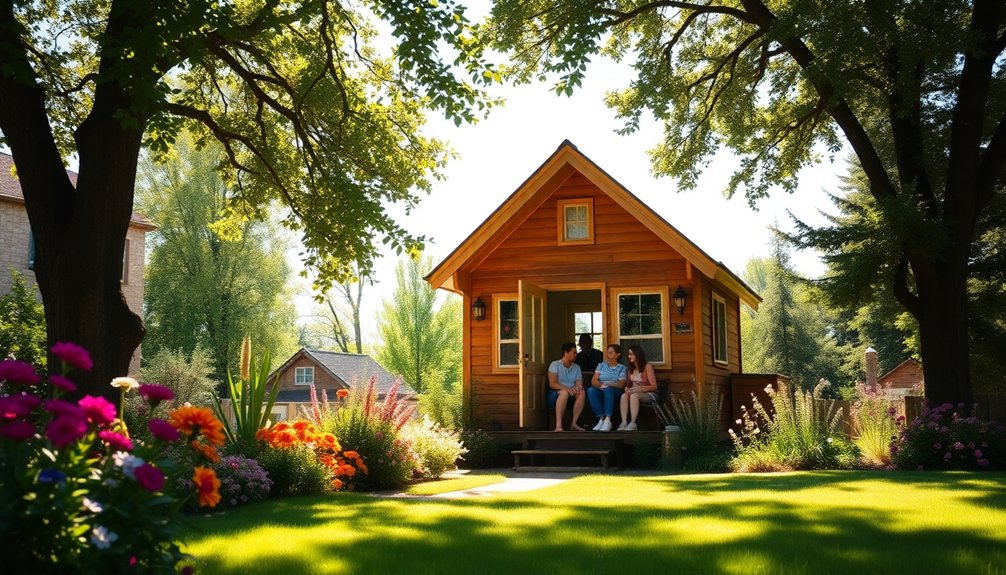
This innovative approach to residential architecture promotes homes that are typically one-third smaller than you might expect, focusing on quality home design rather than sheer square footage. By tailoring spaces to your actual needs, you can enhance functionality and comfort while saving money.
The Not So Big House principles emphasize varied ceiling heights, multifunctional areas, and thoughtful relationships between spaces, making your home feel more open and inviting. Additionally, embracing sustainable consumption patterns in your home design can contribute to a healthier environment.
Not So Big House principles focus on varied ceiling heights and multifunctional spaces, creating an inviting and open home environment.
Ultimately, it’s about creating a living environment that reflects your lifestyle and values, moving beyond the trend of oversized homes to something more meaningful.
The Emotional and Practical Benefits of Smaller Spaces
Choosing a smaller home can considerably enhance both your emotional well-being and practical lifestyle. A “Not So Big House” often measures about one-third smaller than you initially thought, allowing for better financial management while maintaining quality design.
Smaller spaces encourage you to focus on functionality and comfort, creating a more fulfilling living experience. By prioritizing how your home supports daily activities, you’ll find satisfaction in spaces that reflect your values rather than societal pressures.
Effective design principles from residential architects, like varied ceiling heights and double-duty areas, make your home feel larger and more inviting. Plus, you can channel resources into meaningful personal touches and sustainable practices, reducing upkeep costs associated with larger properties. Additionally, adopting a solid budgeting framework can help you align your spending with your long-term financial objectives, maximizing the benefits of your smaller living space.
Key Principles of Not So Big Design
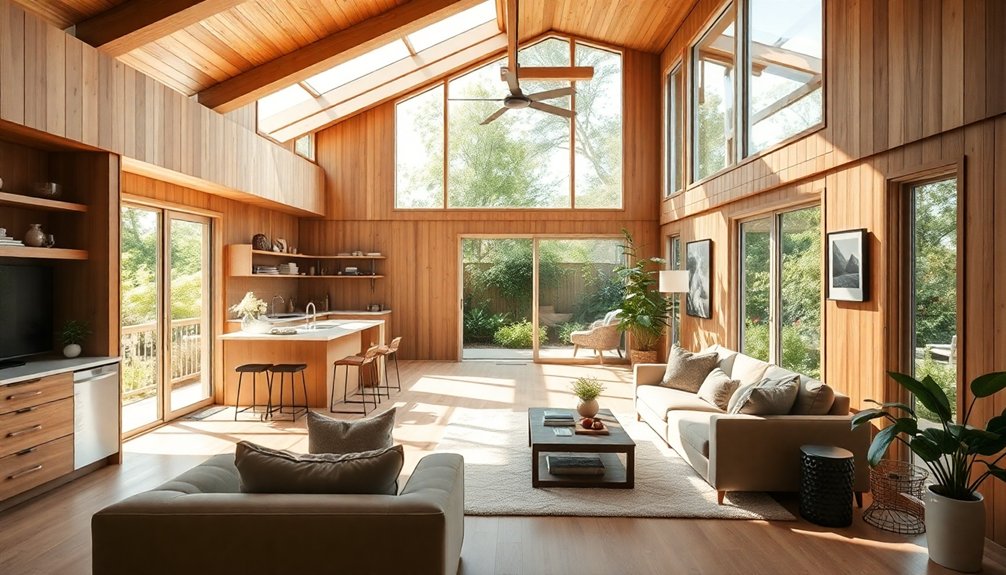
When you embrace the Not So Big design principles, you’ll discover effective space efficiency strategies that make your home feel larger and more inviting.
By incorporating multi-functional spaces, you can maximize utility without sacrificing comfort or style.
This approach not only enhances your living experience but also aligns your home with your personal values. Additionally, prioritizing sustainable practices in your home design contributes to a more environmentally conscious lifestyle.
Space Efficiency Strategies
Space efficiency strategies are essential for creating a home that feels open and functional, even within a smaller footprint. By incorporating Not So Big principles into your residential design, you can enhance your living experience.
Start with ceiling height variety; this makes rooms feel larger and more inviting. Embrace doing double duty, allowing spaces like a guest room to also serve as a home office.
Focus on composition to guarantee each area flows seamlessly, minimizing wasted space. Finally, shelter around activity by designing kitchens and dining areas that foster interaction and comfort.
Implementing these strategies can lead to homes that are one-third smaller than expected while maintaining the same price point, yet feel more spacious and efficient.
Multi-Functional Spaces Design
Emphasizing multi-functional spaces in your home isn’t just a design choice; it’s a lifestyle enhancement. By embracing the concept of “Doing Double Duty,” you can transform areas of your smaller home to serve multiple purposes, maximizing functionality.
Incorporate “Ceiling Height Variety” to create an inviting atmosphere, making your spaces feel more expansive. Focus on composition to guarantee a seamless flow between rooms, allowing you to use every square foot efficiently.
Finally, design with “Shelter Around Activity” in mind; tailor your spaces to support your daily routines and activities. By applying these principles, you’ll create a well-designed living environment that feels spacious and aligned with your personal values, proving that a smaller home can lead to a bigger life.
The Importance of Functionality Over Size
While many people equate larger homes with greater comfort and satisfaction, prioritizing functionality can lead to a more fulfilling living experience.
By focusing on effective use of space, you can transform smaller homes into meaningful spaces that cater to your lifestyle. The “Not So Big House” concept encourages you to reflect on homes that are one-third smaller yet maintain your budget, allowing for thoughtful design over sheer size.
Investing in quality design enhances your daily living, creating environments that feel expansive and livable. You’ll find that emphasizing comfort and functionality over square footage not only improves your overall happiness but also aligns your home with your personal needs, fostering a deeper connection to your living space. This approach mirrors the principles of financial goal tracking, ensuring that your investments in your living space yield maximum satisfaction and value.
Creating Meaningful Connections Through Home Design
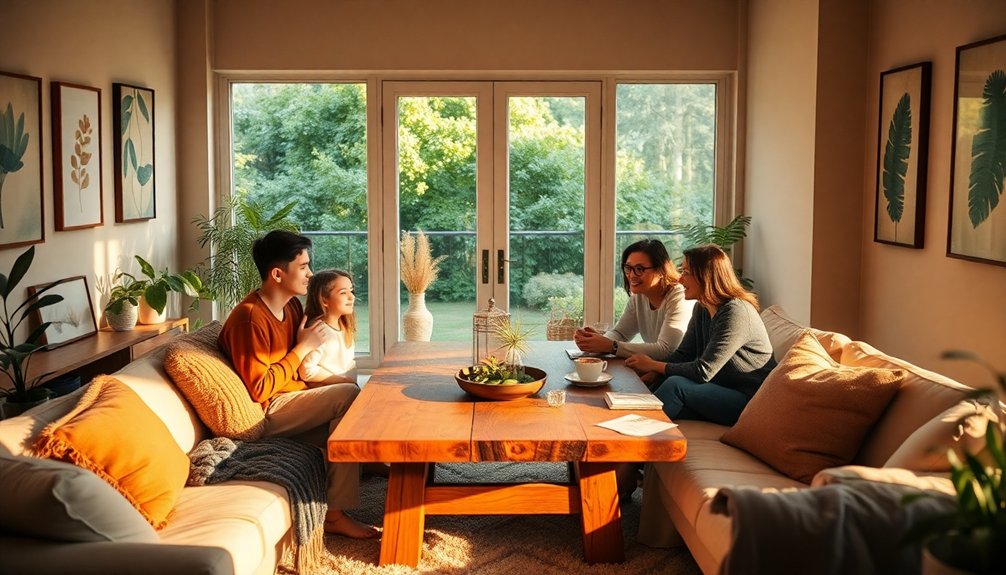
Creating a home that fosters meaningful connections goes beyond aesthetics; it’s about designing spaces that reflect your values and enhance everyday interactions.
The “Not So Big House” philosophy emphasizes prioritizing quality over quantity, allowing you to create a home that’s one-third smaller yet functional and inviting.
By implementing areas that do double duty, you promote versatility, encouraging family members to engage with one another more frequently. Cozy environments, rather than large and ostentatious spaces, nurture a sense of belonging and togetherness.
Working with experts from the Home Professionals Directory guarantees your residential practice aligns with these principles, crafting a home that truly supports the connections you value most in life. Additionally, incorporating sustainable and ethical shopping practices into your home design can enhance your living environment while promoting a sense of community and responsibility.
Sustainability and Its Role in the Not So Big Philosophy
When you embrace the Not So Big philosophy, you’re not just choosing a smaller home; you’re prioritizing efficient resource utilization and eco-friendly design choices. This approach not only enhances your living space but also positively impacts your community and the environment. By adopting sustainable practices, you contribute to a circular economy that reduces waste and promotes responsible consumption.
Efficient Resource Utilization
As you embrace the Not So Big House philosophy, you’ll discover that efficient resource utilization is at its core, promoting a sustainable lifestyle. This approach allows you to create a home that’s not only smaller but also smarter, reducing your overall resource consumption.
By focusing on quality rather than quantity, you can invest in sustainable materials and design features that enhance your home’s environmental impact.
Consider these benefits of efficient resource utilization:
- Smaller homes require fewer resources for construction and maintenance.
- Multi-functional spaces minimize the need for extra square footage.
- Thoughtfully designed layouts lead to reduced energy use.
- Simpler lifestyles promote decreased material consumption and waste.
Embracing these principles can transform your living experience while supporting sustainability.
Eco-Friendly Design Choices
Eco-friendly design choices serve as the backbone of the Not So Big House philosophy, aligning sustainability with thoughtful living.
By opting for sustainable materials, you not only enhance your home’s aesthetic but also reduce your environmental impact. Energy-efficient appliances help lower utility costs and conserve resources, making eco-conscious living more attainable.
Natural light plays an essential role in minimizing reliance on artificial lighting, further promoting energy savings. Focusing on quality over quantity means choosing durable materials that require less maintenance, contributing to your home’s longevity.
Thoughtful landscaping with native plants enhances biodiversity and conserves water, creating a harmonious balance between your living space and the environment.
Embracing these choices leads to a smaller ecological footprint and a richer life experience.
Community Impact Considerations
Community impact is at the heart of the Not So Big House philosophy, emphasizing how smaller, thoughtfully designed homes can transform neighborhoods and foster connections.
By prioritizing sustainability and community-oriented designs, you can contribute to a healthier environment and a more vibrant community. Here are some key benefits of embracing this approach:
- Smaller homes reduce resource consumption and environmental impact.
- Multi-functional spaces minimize the need for additional square footage.
- Thoughtful landscaping enhances local ecosystems and promotes biodiversity.
- Sustainable materials and energy-efficient systems lead to lower long-term costs.
As you consider your living space, remember that choosing a smaller home can create a ripple effect, inspiring others and shaping a more sustainable and connected community.
The Impact of Personalization in Smaller Homes
Personalization transforms smaller homes into unique reflections of individual lifestyles, enhancing both satisfaction and functionality.
By embracing the “Not So Big House” philosophy, you can focus on quality over quantity, investing in craftsmanship that truly resonates with your preferences.
Smaller homes, often one-third the size of conventional options, can feel spacious and inviting through smart design strategies like varied ceiling heights and multi-functional spaces.
Prioritizing your personal needs allows you to create a living environment that supports your daily activities and boosts your overall well-being.
As housing trends shift towards right-sized living, personalization in smaller homes not only aligns with your values but also reduces maintenance costs, leading to a more fulfilling life. Additionally, adopting budget management tools can help you streamline your finances as you invest in your personalized living space.
Finding Home Professionals Who Embrace the Not So Big Approach
How can you find home professionals who truly understand the Not So Big approach?
Start by exploring the Home Professionals Directory, which connects you with experts who prioritize quality and functionality in their designs.
Look for professionals who:
- Embrace the Not So Big House principles.
- Communicate effectively to tailor the design process to your needs.
- Focus on maximizing space utility in innovative ways.
- Highlight economic advantages of well-designed, smaller homes.
Additionally, consider seeking professionals who utilize expense categorization tools, as this can enhance their ability to provide cost-effective design solutions.
Real-Life Stories of Transformation Through Not So Big Living
As you explore the transformative journey of Not So Big living, you’ll discover inspiring stories that highlight the profound impact of downsizing.
Many individuals report a boost in life satisfaction as they shift focus from large, burdensome homes to smaller, more functional spaces. This change fosters closer family bonds, allowing you to prioritize meaningful activities over material possessions.
By reallocating financial resources, you can invest in passions like travel or hobbies instead of hefty mortgage payments. Additionally, communities adopting the Not So Big philosophy often develop stronger social networks, enhancing interactions and shared experiences.
Ultimately, embracing a Not So Big House can lead to a richer, more intentional life filled with connection and creativity. Moreover, employing tools like budgeting apps can help you manage your finances effectively, ensuring your new lifestyle aligns with your financial goals.
Conclusion
In a world where you chase the vastness of space, remember that a cozy nest can cradle your dreams just as well. Like a wise old oak, a “not so big house” offers strength and shelter, nurturing your spirit. It’s not about the size of your home, but the love and purpose within. Embrace this journey, and you’ll find that the smaller the space, the larger your life can bloom, filled with connection, joy, and meaning.