
 0
0
 0
0
As a frugal homeowner, understanding Bradford White anode rods is key to extending your water heater’s lifespan and saving money. These essential components prevent corrosion, and you’ll find them near the hot water outlet. Choose between magnesium, aluminum, or powered rods based on your water quality. Regular inspection and replacement are vital—typically every 2-5 years. Want to know more about installation and common issues? There are helpful tips ahead to keep your water heater running efficiently.
What Is an Anode Rod?
An anode rod is an essential component in your water heater, designed to combat tank corrosion and extend its lifespan. This sacrificial element attracts corrosive elements in the water, ensuring that the tank itself remains protected.
Typically made from a steel core wrapped in magnesium, aluminum, or zinc, it corrodes instead of the tank. Depending on the type, magnesium anode rods can last 1-3 to 5 years, while aluminum rods last 2-4 to 6 years. Powered anode rods can provide protection for over 25 years.
Regularly inspecting and replacing your anode rod every 2-5 years is vital for maintaining your water heater’s efficiency. Keep an eye out for signs of corrosion or unusual odors in your hot water, as these may indicate a need for replacement. Additionally, understanding your billing trends can help you manage the costs associated with maintenance effectively.
Bradford White Anode Rod Location
To find the anode rod in your Bradford White water heater, start by checking the hot water outlet, as that’s where it’s usually located.
Depending on your model, accessing it might require disconnecting the hose. Here are some tips to help you locate it:
- Refer to your water heater’s manual for specific instructions.
- Models like M1TW50S6FBN integrate the rod into the outlet.
- Others, like RE250T6, have dedicated ports for easier access.
- Inspect the anode rod every 3-5 years for maintenance.
- Remember that magnesium rods can cause sulfur smells in soft water.
Additionally, using expense tracking tools can help you manage the costs associated with maintaining your water heater efficiently.
Knowing where your anode rod is located is essential for ensuring your water heater’s longevity and efficiency.
Types of Anode Rods for Bradford White Water Heaters
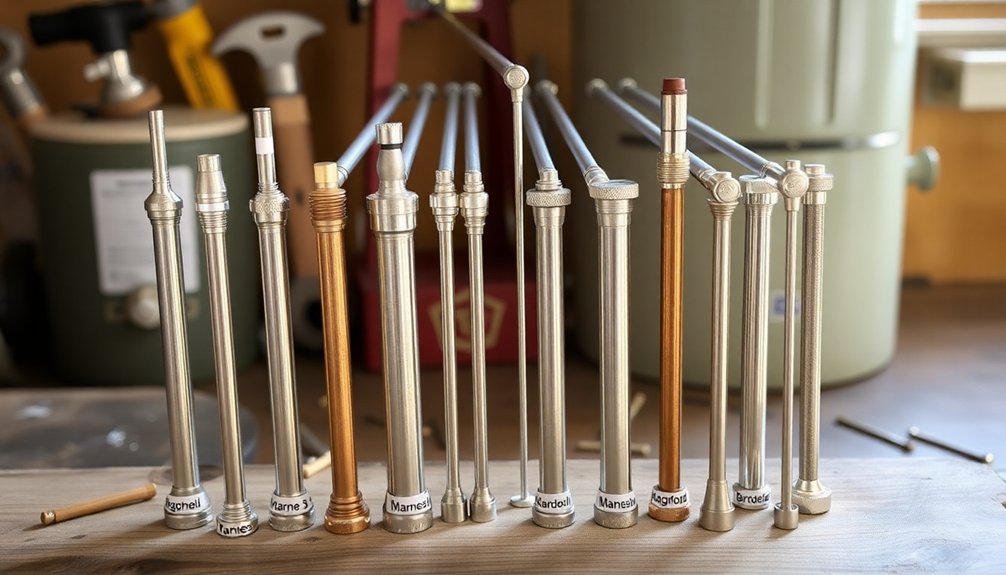
When choosing an anode rod for your Bradford White water heater, you’ve got three main options: magnesium, aluminum, and powered rods.
Each type has its own benefits based on your water quality and maintenance preferences.
Let’s break down what makes each one unique, so you can make the best choice for your needs. Additionally, understanding the importance of accurate expense tracking can help you manage maintenance costs effectively.
Magnesium Anode Rod Benefits
Magnesium anode rods offer significant benefits, especially for those using Bradford White water heaters in soft water environments.
With their exceptional magnesium durability, these rods effectively attract corrosive elements, extending your tank’s lifespan. Here are some key advantages:
- Superior corrosion resistance compared to aluminum rods
- Enhanced water quality by minimizing rust and sediment
- Cost-effective with replacement costs around $39.99
- Lifespan of 1 to 5 years, depending on water quality
- Regular inspections guarantee peak performance
While magnesium rods may produce a sulfur smell in hot water, their benefits often outweigh this minor inconvenience.
Aluminum Anode Rod Features
Aluminum anode rods play a crucial role in protecting Bradford White water heaters, especially in hard water conditions.
These rods are known for their aluminum rod durability, offering reliable protection against corrosion in challenging water environments. However, their efficiency is slightly lower compared to magnesium rods, making them a more frequent replacement option, typically lasting 2 to 4 years.
Regular aluminum rod maintenance is important; it’s recommended to inspect these rods every 3-5 years to verify they’re functioning effectively and to prevent potential issues with your water heater.
Priced around $49.99, aluminum rods provide a cost-effective solution for homeowners, helping reduce sediment buildup in your tank while sacrificing some odor prevention capabilities.
Powered Anode Rod Advantages
While traditional aluminum anode rods provide reliable protection, powered anode rods offer a significant upgrade for Bradford White water heaters.
These innovative rods utilize electrical current to enhance powered anode efficiency and deliver exceptional corrosion protection.
Here’s why you should consider them:
- Long lifespan: Maintenance-free for over 25 years.
- Odor-free: No unpleasant sulfur smells.
- Cost-effective: Priced around $159.99 for long-term savings.
- Reduced upkeep: Eliminate the hassle of regular replacements.
- Superior protection: Outperform standard anode rods.
How to Replace a Bradford White Anode Rod
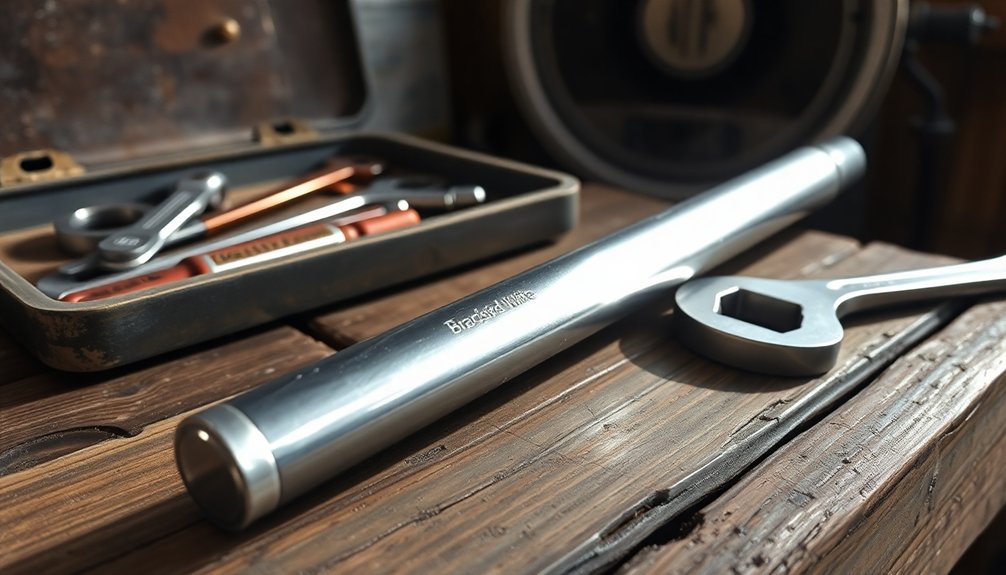
Replacing a Bradford White anode rod is a straightforward process that can greatly extend the life of your water heater.
First, turn off the power and water supply. Connect a garden hose to the drain valve and partially empty the tank to avoid spills.
Turn off the power and water supply, then drain the tank using a garden hose to prevent spills.
Access the anode rod located in the hot water outlet by disconnecting the outlet hose. Using a 1-1/16 inch socket wrench, carefully unscrew the old anode rod.
For the new rod, wrap Teflon tape around the threads before securing it in place. Reconnect the outlet hose and refill the tank.
Regularly inspecting and replacing the anode rod every 2 to 5 years, depending on water hardness, is essential for ideal water heater efficiency and maximizing anode rod lifespan. Additionally, understanding financial health can help you budget for maintenance expenses effectively.
Installing a Powered Anode Rod in a Bradford White Water Heater
When you install a powered anode rod in your Bradford White water heater, you’re choosing a solution that offers long-lasting protection against corrosion.
This modern rod not only extends the lifespan of your heater but also eliminates unpleasant odors in your hot water. Additionally, opting for sustainable practices in your home maintenance can further enhance your commitment to eco-friendliness.
Let’s walk through the installation steps to guarantee you get the most out of this efficient upgrade.
Benefits of Powered Rod
One of the standout benefits of installing a powered anode rod in your Bradford White water heater is its ability to provide continuous corrosion protection, extending the unit’s lifespan to over 25 years.
Here are some key advantages:
- Cost effectiveness: Although the initial investment is higher, you’ll save on frequent replacements and repairs.
- Corrosion resistance: It effectively combats corrosion, ensuring your water heater stays in prime shape.
- Installation ease: The Wye fitting simplifies the installation process, making it user-friendly.
- Eliminates odors: Say goodbye to unpleasant sulfur smells often linked to magnesium rods.
- Regular monitoring: Even with a powered rod, inspections help maintain peak performance.
Choosing a powered anode rod is a smart, long-term investment for your home’s water heater.
Installation Steps Overview
Installing a powered anode rod in your Bradford White water heater is a straightforward process that can enhance the longevity of your unit.
First, gather your tools: a 1-1/16 inch socket wrench, Teflon tape, and a garden hose.
Turn off the power and water supply, then drain some water from the tank to relieve pressure.
Disconnect the hot water outlet and remove the existing anode rod.
Install the powered anode rod using the Wye fitting, ensuring a tight, leak-free connection.
Reconnect the hot water outlet, restore the water supply, and check for leaks before turning the power back on.
Regular inspections every few years will help maintain the anode rod lifespan and water heater efficiency, implementing effective corrosion prevention methods.
Common Problems With Bradford White Anode Rods
Although anode rods are essential for protecting your Bradford White water heater from corrosion, several common problems can arise if they aren’t properly maintained.
Anode rods are crucial for your Bradford White water heater’s longevity, but neglect can lead to significant issues.
Here’s what to watch for:
- Sulfur smell: Magnesium rods can cause this odor; consider switching to aluminum.
- Cloudy water: This may indicate sediment buildup from a degraded anode rod.
- Visible corrosion: If you see corrosion on the anode rod, it’s time for a replacement.
- Shortened anode rod lifespan: Magnesium rods last 1-5 years, while aluminum rods last 2-6 years.
- Increased corrosion: Failing to replace a depleted anode rod can lead to costly repairs.
Regular water heater maintenance and following corrosion prevention tips can greatly extend your water heater’s life. Additionally, monitoring savings and investments through regular maintenance checks can help you save on future repair costs.
Troubleshooting Tips
Have you noticed changes in your hot water quality or unusual odors? If you detect a sulfur smell, consider swapping magnesium anode rods for aluminum ones to reduce the odor.
Cloudy water might signal sediment buildup from a corroded anode rod, indicating it’s time for a replacement. Visible corrosion is another clear sign that replacement is necessary to maintain your water heater’s efficiency and extend its anode rod lifespan.
Regular inspections every 3-5 years as part of your maintenance schedules can help catch these issues early and mitigate water quality impact. If problems persist, think about installing a powered anode rod for enhanced protection and to eliminate unpleasant odors without frequent replacements. Additionally, proactive monitoring of due dates for regular maintenance can help ensure your water heater operates efficiently and avoid costly repairs.
Importance of Regular Maintenance
Regular maintenance of your Bradford White water heater is essential, as it not only extends the anode rod’s lifespan but also prevents costly repairs down the line.
To guarantee peak performance, consider these key points:
- Inspect your anode rod every 3-5 years.
- Replace magnesium rods every 1-5 years and aluminum rods every 2-6 years.
- Flush the water heater annually to reduce sediment buildup.
- Regular checks enhance corrosion prevention and protect the tank.
- Consider a powered anode rod for up to 25 years of continuous protection. Additionally, integrating expense tracking into your maintenance budget can help you manage costs effectively.
Conclusion
To sum up, keeping your Bradford White anode rod in tip-top shape isn’t just a good idea—it’s an absolute game-changer! Imagine a world where your water heater runs like a superhero, fighting off corrosion and extending its life like a champion. By regularly maintaining and replacing those rods, you’re not just saving money; you’re becoming the ultimate frugal homeowner! So, roll up your sleeves and plunge into this maintenance adventure—you’ll thank yourself when your water heater’s still kicking in a decade!