 0
0
 0
0
As a frugal homeowner, you’ll want to weigh your options for foundation repairs carefully. From doing nothing to installing hard stops, pressed pilings, drilled piers, or helical piers, each choice has its costs and benefits. While cheaper options might seem appealing, they can lead to higher expenses in the long run. Understanding these methods can empower you to make informed decisions about your home’s foundation. Discover more about saving money on repairs and choosing the best option for your needs.
Reasons You Might Need the Lowest Cost Foundation Repairs
Many homeowners find themselves in situations where the need for low-cost foundation repairs becomes a priority.
Homeowners often face urgent needs for affordable foundation repair solutions.
If you’re preparing your home for sale or want to avoid financing options, seeking the best deal can help you save money. Many prioritize short-term fixes, especially if they’re remodeling for profit, focusing on minimizing the total cost.
While opting to do nothing may seem appealing, it can lead to worse issues down the line. Low-cost solutions like installing hard stops can complicate future repairs.
Instead, consider pressed pilings as they represent a reputable and cost-effective method for slab foundations. By utilizing budget apps to track your spending, you can ensure that you allocate funds effectively for necessary repairs without overspending.
5 Foundation Repair Options From Least to Most Expensive
When considering foundation repair options, it’s essential to weigh your choices from least to most expensive to find the best fit for your budget.
For frugal homeowners, doing nothing is the cheapest route, but it’s only wise if you notice minimal issues.
Next, installing hard stops can provide a temporary fix, though it complicates future repairs and isn’t recommended.
Pressed pilings are the most common and typically the least expensive legitimate option, using precast concrete or steel to stabilize foundations. While costs can vary based on materials, they remain budget-friendly.
More advanced options, like drilled piers and helical piers, offer additional support but are generally more expensive options, making them less appealing for those watching their wallets. Additionally, evaluating your financial goals with a structured framework can help in making informed decisions about foundation repair investments.
Do Nothing
Choosing to “Do Nothing” about your foundation issues might seem appealing, especially since it incurs no costs. This option is tempting for homeowners facing minimal settlement signs or those planning to sell soon.
However, weighing the pros and cons is essential. While you save money upfront, you risk worsening problems that could lead to costly repairs later. Many homeowner experiences reveal that neglecting foundation issues often results in long-term effects, making the eventual fix more expensive and complicated. Additionally, financial literacy plays a crucial role in understanding the implications of ignoring such repairs and can help in making informed decisions about managing potential costs.
If you’re short on funds, this might feel like the best choice, but remember that ignoring the problem doesn’t make it go away. Assess your situation carefully before deciding to take this seemingly easy route.
Install Hard Stops
If you’re considering installing hard stops as a temporary fix for foundation issues, it’s important to weigh the risks.
While this low-cost solution might seem appealing, it often leads to further complications down the road. Many homeowners find that utilizing expense management apps can help them keep track of unexpected repair costs effectively.
Temporary Repair Solution
Temporary repair solutions like installing hard stops can seem appealing for homeowners facing minor foundation issues. However, it’s crucial to grasp the potential drawbacks before proceeding.
Here are a few points to evaluate:
- Hard Stop Effectiveness: While hard stops may offer a quick fix, they don’t address the underlying foundation problems, leaving you vulnerable to future issues.
- Temporary Solutions Risks: Relying on this method can delay necessary repairs and might worsen existing problems, leading to higher costs later.
- Foundation Repair Misconceptions: Many homeowners mistakenly believe hard stops are a permanent solution, but they’re simply a band-aid that can complicate future repairs.
In the end, weigh your options carefully before opting for a temporary fix like hard stops.
Risks and Complications
While hard stops may seem like an easy fix for minor foundation issues, they come with a range of risks and complications that can complicate your situation.
These temporary fix drawbacks often lead to hard stop consequences, as they merely mask underlying problems rather than addressing them. If installed improperly—often by unqualified individuals—they can cause further damage to your foundation.
Additionally, hard stops complicate future legitimate repairs, obstructing access to critical areas that need attention. Their questionable longevity means you might face even greater foundation repair pitfalls down the line, potentially leading to costly problems that outweigh any initial savings.
Ultimately, opting for hard stops can turn a minor issue into a major headache.
Pressed Pilings
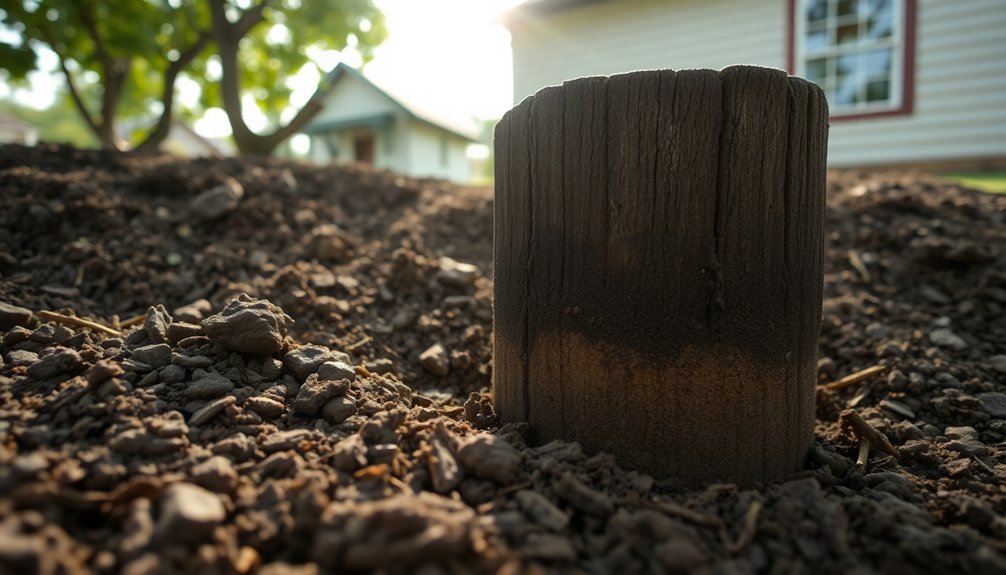
When you’re looking for an effective yet affordable way to repair your slab foundation, pressed pilings might just be the solution you need. This method uses precast concrete or steel sections, offering various benefits:
- Cost-Effective: Pressed pilings are often the least expensive reputable option for foundation repair.
- Accessibility: They’re widely available in the Brazos Valley, meaning you can find qualified contractors easily.
- Stability: The installation involves driving pilings deep into stable soil, providing robust support for your foundation.
However, be aware of pressed pilings disadvantages, such as potential limitations with certain soil types. Additionally, choosing a user-friendly interface for managing your repair costs can help ensure you stay within budget.
Drilled Piers
If you’re facing serious foundation issues, drilled piers can offer a robust solution. These deep foundations involve drilling large holes and filling them with concrete, providing excellent support, especially in areas with expansive soils. The drilled piers advantages include their ability to reach bedrock or stable soil layers, ensuring better load-bearing capacity than shallow methods. However, drilled piers disadvantages include higher installation costs and the need for heavy machinery, which can increase labor expenses and time. While the installation might be more expensive than pressed pilings, it’s often favored for long-term stability in challenging conditions. Always consult a qualified structural engineer to determine if drilled piers are the best choice for your specific foundation problems. Additionally, employing a strategy for portfolio diversification can help manage the financial implications of such repairs.
Helical Piers
When considering foundation repair, helical piers offer a unique approach worth exploring. You’ll want to weigh the cost against their effectiveness and longevity, especially since installation can be done with minimal disruption. Understanding the installation process can help you decide if this option fits your home’s needs. Additionally, it’s important to consider investment diversification to ensure that your financial resources are allocated wisely when undertaking such repairs.
Cost Considerations
While helical piers offer a robust solution for foundation repair, their higher costs can be a significant consideration for frugal homeowners.
Here are some cost factors to keep in mind:
- Initial Investment: Helical piers are more expensive upfront than alternatives like pressed pilings, mainly due to the specialized equipment and labor required.
- Durability: The galvanized steel used in helical piers enhances durability, but it can also drive up material costs.
- Long-Term Savings: Despite the initial expense, helical piers can prevent further damage, potentially saving you money on future repairs.
Weighing these helical pier advantages and disadvantages is essential.
Ultimately, their long-term savings might make them a worthwhile investment for your home’s foundation.
Installation Process
To effectively stabilize your foundation, understanding the installation process of helical piers is essential. This method involves using specialized installation equipment, typically a hydraulic machine, to screw the helical piers deep into the ground until they reach stable soil.
The design of each pier features blades that anchor securely, ensuring excellent stability against vertical and lateral loads. One of the key helical pier benefits is that the installation can often be completed in just one day, minimizing disruption to your property.
This process is particularly advantageous in areas with unstable soil conditions, as it provides robust support that enhances soil stability and reduces the risk of future foundation settlement.
Effectiveness and Longevity
After understanding the installation process of helical piers, it’s important to contemplate their effectiveness and longevity.
These piers offer significant helical pier benefits, especially for homes with expansive soils. They dive deep into stable soil, supporting your structure and preventing future settlement.
However, consider these factors:
- Installation Challenges: Proper installation requires specialized equipment and expertise, increasing initial costs.
- Longevity: When installed correctly, helical piers can last for decades, often needing little to no long-term maintenance.
- Minimal Disturbance: Their installation causes less disruption, allowing for quick repairs without extensive excavation.
Are There Ways to Save Money on Foundation Repairs?
Wondering how you can save money on foundation repairs? Start with budget planning strategies that allow you to prioritize necessary fixes.
Consider pressed pilings; they’re generally the least expensive and most reputable option. If you’re handy, try some DIY repair tips for minor issues, but be cautious not to complicate future repairs.
Pressed pilings offer a cost-effective and reliable solution, while DIY repairs can address minor issues—just tread carefully to avoid complications.
Research local contractors to compare quotes; this way, you can find the most affordable yet reliable service.
While opting to do nothing saves money upfront, it’s only wise if signs of settlement are minimal.
Finally, installing hard stops may provide a temporary fix, but it’s not recommended by professionals and can lead to higher costs down the line.
Additionally, utilizing expense tracking apps can help you monitor your repair budgets more effectively.
Save wisely and act smart!
Conclusion
As you weigh your options for foundation repairs, remember that the right choice can save you money and future headaches. Whether you opt for a simple hard stop or invest in advanced helical piers, the stakes are high. But what if the solution you choose leads to unexpected complications? The clock is ticking, and making the wrong decision could haunt you. Stay vigilant and informed—your home’s stability depends on it. What will you decide?