
 0
0
 0
0
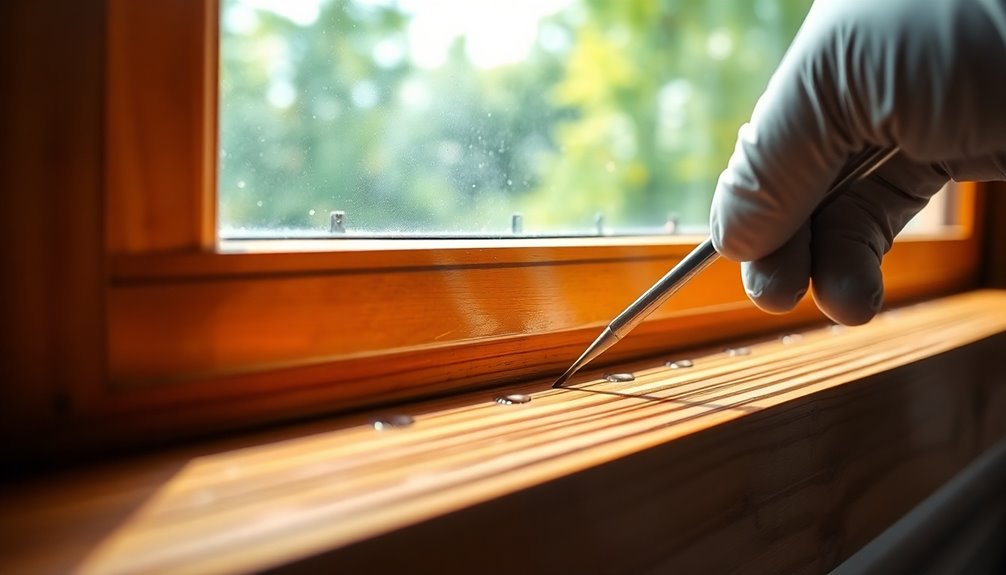
To clean weep holes and prevent water damage, start by locating them at the bottom of your window frames. Use a small brush to remove any visible dirt or debris. For deeper clogs, try compressed air to blow them out. You can also flush the holes with warm, soapy water. After cleaning, test drainage by pouring water near the holes to verify it flows freely. Discover more tips to keep your windows in top shape.
What Are Weep Holes and Why Do They Matter?

Have you ever wondered how your windows stay dry during heavy rain? The answer lies in weep holes.
These small openings, located at the bottom of window frames, are designed to drain excess moisture and prevent water accumulation. They’re especially important in areas with high precipitation or humidity.
If weep holes are clogged, trapped moisture can lead to significant water damage, including wood rot, mold growth, and structural issues. You might notice stains or cracks around your windows as warning signs.
Regularly maintaining these weep holes is critical. Incorporating a simple cleaning process into your routine helps guarantee they function effectively, channeling away water and preserving the integrity of your windows. Additionally, just like how heat pumps offer high energy efficiency, ensuring your windows are properly maintained can greatly improve the overall efficiency of your home.
Don’t overlook this essential aspect of window maintenance!
Signs Your Weep Holes Are Clogged?

Regularly checking your weep holes is just as important as understanding their function. If you notice visible dirt or debris obstructing them, it’s a clear sign they’re clogged and in need of cleaning.
Look for water stains or mildew on window frames and surrounding areas; these indicate trapped moisture from blocked weep holes. Cracks or peeling paint around your windows may also signal water damage linked to this issue.
Additionally, if water accumulates in window tracks, it means your weep holes aren’t draining properly. Unusual moisture issues, such as mold growth or dampness nearby, can often be traced back to these clogged weep holes failing to channel away water effectively.
Using an app with receipt scanning technology can help you keep track of maintenance expenses related to your window upkeep.
Stay proactive to prevent further damage!
Step-By-Step Guide to Cleaning Weep Holes

To keep your windows functioning properly, cleaning the weep holes is essential.
Start by locating the weep holes at the bottom of your window frame; these are vital for drainage and preventing water accumulation.
Locate the weep holes at the bottom of your window frame; they are crucial for proper drainage and avoiding water buildup.
Use a small, stiff brush, like a toothbrush, to gently remove any debris, such as dirt or leaves, that may be clogging the weep holes.
Next, take a can of compressed air to blow out any deeper clogs obstructing the drainage.
Optionally, flush the weep holes with warm, soapy water using a cotton swab or syringe for thorough cleaning.
Finally, test the drainage by pouring a small amount of water near the weep holes to verify water flows freely and there are no blockages. Additionally, ensuring proper moisture management in your crawl space can help prevent excess humidity that may affect window integrity over time.
Recommended Tools for Effective Weep Hole Maintenance
When it comes to maintaining weep holes, having the right tools makes all the difference.
For effective cleaning window weep, small bottle brushes or straw cleaners are your best bet. They easily reach into weep holes to remove dirt and debris that can accumulate over time.
Compressed air cans are also invaluable; they blow out stuck particles without damaging the holes themselves. If you encounter minor clogs in hard-to-reach areas, toothpicks or twigs can serve as handy alternatives.
For a durable option, consider Juvale Stainless Steel Straw Cleaners, available at local stores. Regular maintenance with these tools guarantees thorough cleaning, helping to prevent future clogs and protecting your home from water damage. Moreover, timely leak repairs can save costs on water and sewer bills over time.
Best Practices for Preventing Weep Hole Clogs
Maintaining clear weep holes doesn’t stop at cleaning; it also involves proactive steps to prevent clogs before they happen.
Inspect your weep holes at least twice a year, especially before the rainy season, to remove debris that could obstruct drainage. Regularly clean the area around your windows to reduce dirt and organic matter that can lead to clogged weep holes.
Avoid covering them with caulk or window treatments, as this hinders their essential function in allowing water and moisture to escape. Use a small brush or pipe cleaner to gently dislodge blockages without widening the holes. Additionally, monitor your energy bills for increases that may signal seal issues that could also affect drainage.
Finally, consider installing porous covers over your weep holes to deter pests while ensuring proper drainage. These are your best practices for keeping weep holes clear.
Conclusion
In the grand scheme of home maintenance, keeping your weep holes clean is a small task that can save you from big headaches down the road. By regularly checking and cleaning these essential drainage points, you’ll prevent water damage and guarantee your windows function properly. Remember, an ounce of prevention is worth a pound of cure. Stay vigilant, and your home will thank you for it—keeping it safe and sound for years to come!