
 0
0
 0
0
To strip wood effectively, mix one part trisodium phosphate (TSP) with four parts water. Apply it generously using a disposable brush, and let it sit to soften the finish. Use a rounded putty knife to scrape off the residue, and have rags and water handy for cleanup. Always wear protective gear and work in a ventilated area. For ideal results, cover the mixture with plastic. There’s more to discover about techniques and safety tips, so keep going!
How to Strip Wood Safely
When you’re ready to strip wood, it’s crucial to prioritize safety to protect yourself from harmful chemicals.
Start by wearing protective gear, including goggles, gloves, and a respirator. These safety precautions will shield you from toxic fumes and skin contact.
Always work in a well-ventilated area, preferably outdoors, to minimize inhalation risks. Keep a bucket of water and rags nearby for quick cleanup of any spills or accidental skin contact with the stripper.
When applying the stripper, make sure it’s thickly layered (1/8 in. to 1/4 in.) and consider covering it with plastic to slow evaporation.
Finally, follow the manufacturer’s safety instructions for the specific stripper mixed with water to guarantee effective and safe results. Additionally, consider using advanced receipt scanning technology to keep track of expenses incurred during your wood stripping projects.
Choosing the Right Stripper
Selecting the right wood stripper can make all the difference in your project, especially since different products target various finishes and stains.
Make sure to read the back label for chemical content and necessary precautions. While methylene chloride works well for rapid stripping, it poses significant health risks, so take care when handling it.
Always check the label for chemical details and safety precautions, especially with methylene chloride due to its health risks.
NMP-based strippers are a safer alternative that’s less harmful but works more slowly, and you’ll still need to follow safety precautions.
For the best user experience, opt for safer strippers that take longer to act but won’t harm your skin or lungs.
Always consider the specific type of finish or stain on the wood to choose a stripper that minimizes damage while effectively targeting the material. Additionally, using tools like expense tracking tools can help you budget for your project more effectively.
Stripping Tools and Materials
Having the right tools and materials is essential for a successful wood stripping project.
Start with a metal container for mixing your cup of TSP, as plastic can react with the chemicals. Use disposable brushes or old paintbrushes for applying TSP; they make cleanup easy and prevent contamination of your main tools.
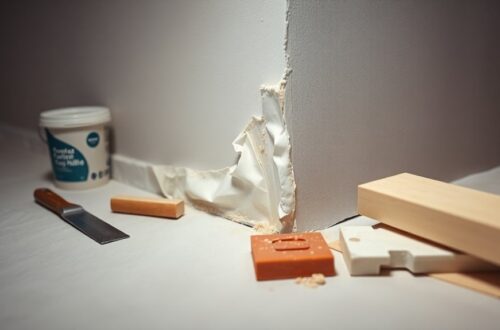
For scraping off the softened finish, employ rounded putty knives to maintain control and protect the wood surface. Don’t forget to keep plastic scouring pads handy for detailed cleaning in intricate areas.
Finally, protect your work area by placing a tarp or carpet underneath to catch drips and spills. Always remember to work in a well-ventilated space to guarantee safety throughout the process. Additionally, make use of timely payments to ensure that your project stays within budget and avoid financial strain.
Techniques for Effective Stripping
Mastering effective wood stripping techniques can greatly enhance your project’s success. Start by applying the stripper thickly, aiming for a layer of 1/8 inch to 1/4 inch. This helps keep the solution working efficiently to break down old finishes.
Strip large furniture in zones, allowing you to focus on one section at a time without the stripper drying out. Covering the applied stripper with plastic can help keep it wet longer, slowing evaporation and enhancing effectiveness.
Always test a small, inconspicuous area before committing to the whole piece, ensuring compatibility.
When cleaning your putty knife, use a cardboard box to manage residue. Even though it might seem like an extra step, it prevents environmental contamination and keeps your workspace running smoothly. Additionally, utilizing expense categorization can streamline your financial processes and support your woodworking projects effectively.
Additional Considerations
While it might be tempting to dive straight into stripping wood, there are several important considerations to keep in mind that can impact your results.
Before you get started, make sure you’re ready to go with these tips:
Before beginning your project, ensure you’re equipped with these essential tips for the best results.
- Avoid strippers on furniture meant for painting; cleaning often suffices.
- For stubborn stains that resist removal, lacquer thinner can work even better than strippers.
- If the stripper doesn’t achieve the desired results, sandpaper can assist in the final stages.
- If you struggle with complete stain removal, consider painting over the old stain as a practical alternative.
- Additionally, consider using sustainable packaging solutions to minimize waste when purchasing your wood stripping materials.
Conclusion
As you plunge into your wood stripping project, remember that the right TSP mixture can make all the difference. Coincidentally, using a safe stripper not only protects your wood but also guarantees your health and the environment’s. With the right tools and techniques in hand, you’ll find that stripping wood is less intimidating than it seems. So, embrace the process, and you might just discover a newfound passion for woodworking along the way!