 0
0
 0
0
Proper attic insulation‘s essential for lowering your energy bills. It acts as a barrier against heat transfer, reducing your AC’s workload and cutting costs by up to 30%. Keep an eye out for signs like high energy bills or hot upstairs rooms, which indicate insulation issues. Types like blown-in fiberglass or spray foam can fill gaps effectively. Plus, guarantee good air sealing for peak performance. Stick around to discover more ways to enhance your home’s energy efficiency.
Understanding the Role of Attic Insulation in Energy Efficiency
When you think about energy efficiency in your home, attic insulation plays an important role in keeping your space comfortable year-round.
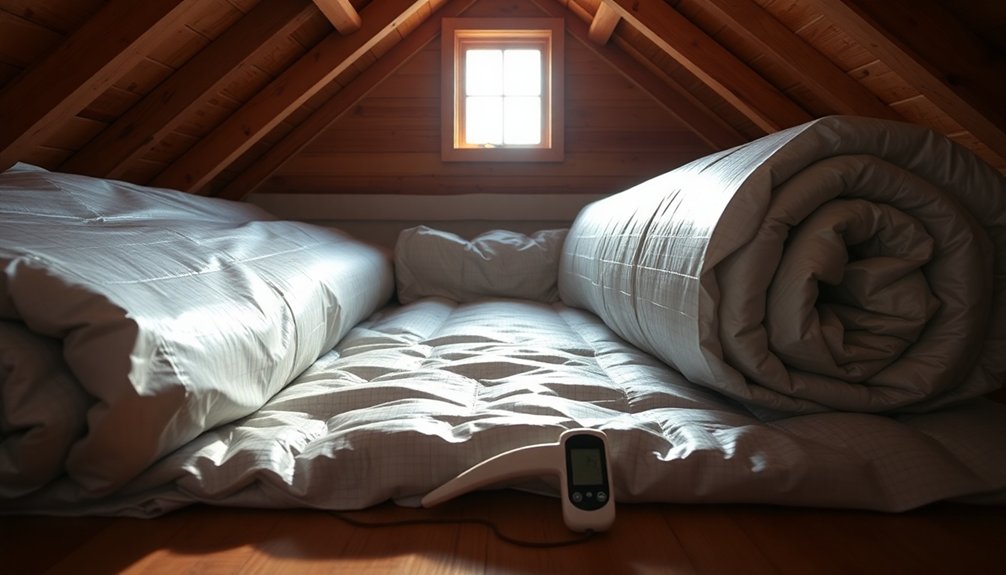
It acts as a barrier, preventing summer heat from seeping in and winter warmth from escaping. This regulation greatly reduces the workload on your AC systems, leading to lower energy bills. Proper insulation can save you up to 30% on cooling costs by minimizing heat transfer.
Insulation around ducts and areas prone to air leaks is essential for effective air sealing. Choosing the right type of insulation is critical; blown-in cellulose is sustainable, while spray foam offers superior air sealing and moisture control. Additionally, considering smart shopping recommendations can help you find the most cost-effective insulation materials available.
Regular inspections and improvements to your attic insulation can enhance energy efficiency and your overall comfort.
Signs Your Attic Insulation Needs Improvement
Attic insulation plays a key role in your home’s energy efficiency, but even the best insulation can fall short over time.
If you notice high energy bills, especially during peak seasons, it may signal air leaks allowing conditioned air to escape. Additionally, if your upstairs areas feel consistently hotter than lower levels, this hints at poorly sealed insulation that’s failing to regulate temperature.
Significant temperature differences between rooms often point to insulation deficiencies as well. The U.S. Department of Energy advises checking your attic insulation if you’re facing rising energy costs, as proper insulation can save you up to 30% on cooling expenses. Monitoring savings and investments can help you determine the financial benefits of improving your home’s insulation.
Addressing these issues can help reduce energy waste and improve your home’s comfort while saving money.
Types of Attic Insulation to Consider

When it comes to attic insulation, you’ve got some great options to ponder.
Blown-in fiberglass insulation effectively fills those tricky spaces, while spray foam insulation expands to seal gaps and boost energy efficiency.
Choosing the right type can make a real difference in your home’s comfort and utility bills. Additionally, proper budgeting and expense tracking ensures that you can allocate funds effectively for your insulation project.
Blown-in Fiberglass Insulation
If you’re looking for an effective way to insulate your attic, blown-in fiberglass insulation stands out as a top choice. This insulation type fills irregular spaces and offers high thermal resistance, helping you combat heat gain in summer and heat loss in winter.
Here are some benefits to take into account:
- Can lower energy bills by up to 30% when installed correctly
- Non-combustible and moisture-resistant, reducing mold risks
- Requires professional equipment for ideal installation, but DIY options exist
- Provides excellent soundproofing, enhancing home comfort
- Flexible and accessible for various budgets
With blown-in fiberglass insulation, you’ll enjoy a more comfortable living space and significant savings on your energy bills.
Spray Foam Insulation
For homeowners seeking a superior insulation option, spray foam insulation offers a powerful solution that fills gaps and creates an airtight seal in your attic.
This insulation expands upon application, greatly improving energy efficiency by preventing air leaks. With a high R-value ranging from R-6 to R-7, it’s one of the most effective insulators available.
By minimizing reliance on heating and cooling systems, spray foam insulation can reduce energy bills by 30% or more. Additionally, it serves as a moisture barrier, helping to prevent mold and mildew, which contributes to better indoor air quality.
While you’ll need professional assistance for installation, the long-term energy savings make it a worthwhile investment for your home.
The Importance of Air Sealing
Air sealing plays an essential role in enhancing your home’s energy efficiency, as it tackles the gaps and cracks that allow conditioned air to escape and outside air to intrude.
By focusing on air sealing, you can:
- Prevent air leaks in vents and plumbing penetrations
- Complement your insulation efforts for better performance
- Reduce energy waste by up to 30%
- Lower your heating and cooling bills
- Improve indoor comfort by stabilizing temperatures
Regularly inspecting and sealing air leaks not only saves you money but also creates a more comfortable living environment. It’s a cost-effective home improvement strategy that pays off in the long run, ensuring your home stays energy-efficient and cozy year-round. Additionally, budget apps can help you monitor expenses related to energy use and identify potential savings.
Benefits of a Home Energy Audit
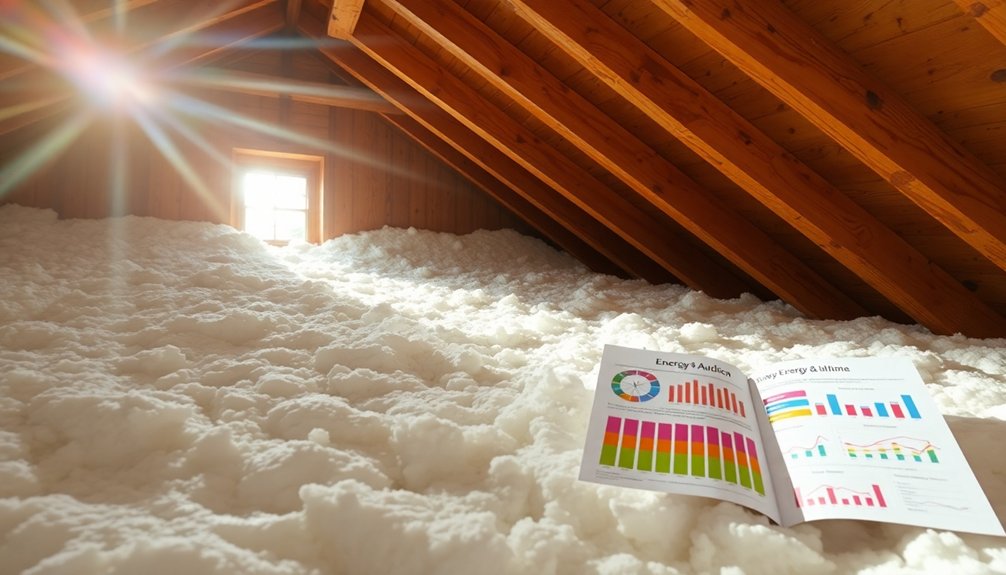
Identifying air leaks and insulation gaps is key to improving your home’s energy efficiency, and a home energy audit is one of the best ways to uncover these issues.
Certified auditors use specialized tools like blower doors and infrared cameras to detect hidden problems. By pinpointing where energy is wasted, you’ll gain insights on how to make your home more efficient.
Certified auditors utilize advanced tools to uncover hidden energy issues, helping you enhance your home’s efficiency.
Many utility providers and local contractors offer free or subsidized energy audits, making this an affordable option. Implementing the recommendations from an energy audit can lead to savings of 5-30% on your annual energy bills. Additionally, regular energy audits help ensure accurate categorization of energy usage, enabling more effective cost management.
Regular energy audits guarantee ideal energy efficiency, keeping your home comfortable year-round while minimizing energy costs.
Tips for Maintaining Your HVAC System
To keep your HVAC system running smoothly, you should regularly change your air filters and schedule annual maintenance checks. This not only optimizes performance but also helps you avoid costly repairs down the line. Additionally, utilizing expense tracking tools can help you monitor and manage your HVAC-related costs effectively.
Change Air Filters Regularly
Regularly changing your air filters is essential for maintaining your HVAC system’s efficiency and longevity.
Clean air filters improve airflow and help your system run smoothly, reducing energy bills.
Here’s why you should change them regularly:
- A dirty filter can restrict airflow by up to 15%.
- Increased energy consumption can rise by 5-15% due to clogged filters.
- Homes with pets or allergies should change filters monthly for ideal air quality.
- High-efficiency filters capture up to 99% of airborne particles.
- Neglecting filter changes can lead to costly system breakdowns.
Schedule Annual Maintenance Checks
When you schedule annual maintenance checks for your HVAC system, you’re taking a proactive step towards ensuring its efficiency and longevity.
Regular maintenance can help reduce energy bills by up to 30% by optimizing performance. During these checks, professionals can replace or clean filters, preventing airflow issues that lead to higher energy costs.
A well-maintained system operates at peak efficiency, potentially lowering your cooling costs by 10-15% during hot months. Plus, identifying potential issues early can save you from costly repairs down the line.
Keep detailed records of your maintenance checks to monitor your system’s performance over time, which will help in deciding when upgrades or replacements are necessary.
Don’t overlook the importance of routine HVAC maintenance!
Optimize System Placement
Optimizing the placement of your HVAC system components is essential for maximizing efficiency and comfort in your home.
Here are some key tips to guarantee you get the most out of your system:
- Place your smart thermostat away from hot windows and direct sunlight for accurate temperature readings.
- Use additional room sensors to monitor temperature across various areas.
- Regularly clean or change air filters to improve airflow and reduce energy consumption.
- Keep the outdoor unit free from debris to guarantee proper air circulation.
- Schedule routine maintenance checks to catch potential issues early.
Simple Ways to Enhance Energy Savings
Enhancing energy savings in your home starts with effective attic insulation, as it can greatly reduce cooling costs during the hot months. Proper insulation can save you up to 30% on energy bills by blocking summer heat and reducing your air conditioning workload.
To maximize energy efficiency, seal air leaks around vents and plumbing penetrations. Consider upgrading to blown-in fiberglass or cellulose insulation for better coverage of irregular spaces.
Regularly check and improve your insulation to maintain consistent temperatures throughout your home, boosting comfort while lowering costs. Investing in adequate attic insulation is essential, as inadequate protection can lead to high energy bills and strain on your heating and cooling systems during extreme weather. Additionally, understanding the importance of detailed insights and reporting can help you track your energy savings more effectively.
Save money and enjoy a more comfortable living environment!
Conclusion
By enhancing your attic insulation, you’re not just making a smart investment—you’re releasing the power to slash your energy bills like a superhero! With the right insulation, air sealing, and HVAC maintenance, you can transform your home into an energy-efficient haven. Don’t wait for soaring bills to remind you; take action now and watch your savings soar! Embrace these simple strategies, and your wallet will thank you while your home stays cozy all year round.