
 0
0
 0
0
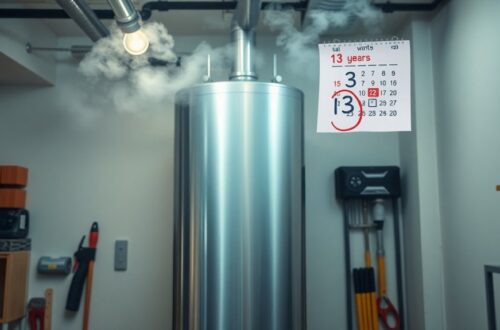
If your water heater is 21 years old, it’s definitely a ticking time bomb. With age, performance declines and safety risks rise, leading to leaks or failures. Look for signs like rusty water, leaks, strange noises, or frequent repairs as indicators it’s time to replace. Weigh the costs of repair against replacement—if repairs get pricey, a new unit can save you money and enhance efficiency. Keep reading to uncover insights on choosing the right replacement.
Understanding the Lifespan of Water Heaters: Why Age Matters
Understanding the lifespan of your water heater is essential, especially since age plays a significant role in its performance and reliability.
Generally, a water heater’s lifespan ranges from 8 to 12 years, and as your old unit approaches this mark, you may notice decreased efficiency and increased energy bills.
A water heater typically lasts 8 to 12 years, with efficiency declining and energy costs rising as it ages.
If it’s 21 years old, you’re likely facing safety risks, such as leaks or inconsistent heating.
Poor maintenance can exacerbate these issues, leading to frequent repairs that might cost more than investing in a new model. Regular maintenance, including testing the temperature and pressure relief valve, can help identify potential issues before they become serious problems.
Key Signs Your 21-Year-Old Water Heater Is Failing
If your water heater is 21 years old, it’s already well past its prime. You might notice persistent temperature issues, making showers less enjoyable and raising concerns about efficiency. Keep an eye out for these signs; they could mean it’s time for a replacement. Additionally, regular maintenance can help identify potential failures before they escalate, ensuring your system operates efficiently.
Age Over Ten Years
A 21-year-old water heater is well past its prime, and you might be noticing some telltale signs that it’s on the verge of failure.
If your unit is over ten years old, frequent repairs and an inconsistent hot water supply are red flags. Rusty or discolored water indicates internal corrosion, meaning you may need a water heater replacement soon.
Additionally, check for leaks around the base; puddles often signal that it’s time to act before major damage occurs. Strange noises can hint at sediment buildup, which not only reduces efficiency but can also lead to costly repairs.
Upgrading to an energy-efficient model could save you money in the long run, so consider your options carefully.
Persistent Temperature Issues
As your 21-year-old water heater ages, persistent temperature issues can signal that it’s on the brink of failure.
If you’re experiencing inconsistent water temperatures or frequent cold blasts during showers, it’s likely due to a faulty thermostat or heating element. This significant decline in efficiency ratings often occurs in older units.
Additionally, sediment buildup can cause strange noises, further indicating inefficiency. Given your unit’s age, the cost of repairs may exceed the benefits of keeping it operational.
You might even notice rusty or discolored water, a clear sign that replacement is usually necessary.
Don’t ignore these persistent temperature issues; they could mean your water heater is a ticking time bomb ready to fail at any moment.
The Cost of Repair vs. Replacement: What You Need to Know
When faced with the choice between repairing or replacing your water heater, it’s essential to weigh the costs carefully.
Weighing the costs of repairing versus replacing your water heater is crucial for making the best decision.
For minor issues, water heater repairs typically range from $150 to $500, but significant repairs can escalate to $1,500.
If your unit is 21 years old and repair costs approach or exceed half the cost of a new unit, it might be time to replace your water heater.
Frequent breakdowns can lead to cumulative expenses that surpass investing in a new, energy-efficient model.
Modern units not only offer improved energy efficiency but can also reduce your monthly energy bills, offsetting higher upfront replacement costs.
Consulting a reliable service provider can help you navigate these options effectively, especially when considering the benefits of energy efficiency in newer models.
Common Water Heater Problems That Signal a Replacement
If your water heater is over 12 years old, it’s likely nearing the end of its useful life and may start showing signs of trouble. Frequent breakdowns can be a hassle and often indicate that a replacement is a smarter choice than ongoing repairs. Keep an eye out for age and consistent issues—these factors could save you from a complete failure down the line. Additionally, if repair costs exceed 50% of replacement cost, it’s time to seriously consider investing in a new unit.
Age Of The Unit
A water heater’s age plays a crucial role in determining whether it’s time for repair or replacement. With an average lifespan of 8 to 12 years, a 21-year-old unit is well beyond its prime.
Common problems like frequent leaks, inconsistent water temperatures, and unusual noises signal potential failure. Significant sediment buildup can reduce efficiency and lead to damage, while increased corrosion may cause rusty or discolored water, indicating that the tank could be on the verge of bursting.
If your repair costs approach or exceed half the price of a new water heater, replacement is often the smarter choice. Investing in a new unit not only guarantees reliability but also saves you from ongoing repair headaches.
Frequent Breakdown Issues
As your water heater ages, frequent breakdown issues often emerge, signaling that it’s time to contemplate a replacement.
If you own a 21-year-old water heater, you might notice recurring issues like inconsistent water temperatures or leaks. These frequent breakdowns can indicate that the unit is nearing the end of its lifespan.
Sediment buildup may create strange noises and reduce efficiency, further suggesting it’s time for a new system.
If repair costs exceed half the price of a replacement, it’s often more cost-effective to invest in a new unit.
Significant leaks or rust-colored water are strong indicators that your water heater is failing and should be replaced immediately, ensuring you avoid further inconvenience and costs.
Benefits of Upgrading to a New Water Heater
Upgrading to a new water heater not only boosts your home’s energy efficiency but can also lead to significant savings on your monthly energy bills.
Modern water heaters can reduce energy costs by up to 30% compared to older models, making this upgrade a smart financial decision.
With advanced features like Wi-Fi connectivity, you can monitor and control your unit remotely, ensuring peak performance.
Plus, many energy-efficient models qualify for federal tax credits and local utility rebates, providing valuable financial incentives.
By opting for water heater installation, you’ll minimize the risk of unexpected failures and water damage, protecting your home.
New units also meet increased hot water demands more effectively, enhancing your overall comfort. Additionally, proper insulation can further improve energy efficiency, leading to even greater savings on your energy bills.
How Energy Efficiency Influences Your Decision
When considering whether to repair or replace your water heater, energy efficiency plays an essential role in your decision-making process.
Older units, especially those over ten years old, often consume more energy than necessary, leading to higher monthly bills. By upgrading to a more energy-efficient model, you could save 10-50% on your operating costs.
A tankless water heater, for instance, heats water on demand, eliminating standby heat loss and providing even greater savings.
Additionally, federal tax credits and local utility rebates can help offset the initial costs of replacement.
If your home has high energy bills, replacing your outdated water heater with a modern, efficient model can result in significant long-term savings, making it a smart investment. Furthermore, washable electrostatic filters can enhance your overall HVAC efficiency, contributing to reduced energy consumption and costs.
Evaluating Repair Options: When Is It Worth It?
Deciding whether to repair or replace your water heater depends on several factors, including the age and condition of the unit.
If your hot water heater is less than 10 years old, exploring repair options for minor issues, like a faulty thermostat or heating elements, can be economical.
Repair costs typically range from $150 to $500, and if they don’t exceed half the cost of a new unit, repairs are often worthwhile.
However, for older units, especially those over 10 years, persistent issues or high repair costs usually signal that replacement is a more sensible choice.
Regular routine maintenance can also prolong the life of your unit, making repairs feasible for newer models. Additionally, considering the energy efficiency of your heating system can help determine whether a replacement might ultimately save you money in the long run.
Choosing the Right Water Heater for Your Home
How can you choose the right water heater for your home? Start by determining the capacity you need; most families require 40 to 50 gallons, with larger households needing more.
Consider energy efficiency ratings, as modern heaters can lower your monthly bills—look for high Uniform Energy Factor (UEF) ratings.
Look for water heaters with high Uniform Energy Factor (UEF) ratings to reduce your monthly energy bills effectively.
You’ll also need to decide between gas water heaters and electric water heaters, each offering distinct advantages and costs.
If space is tight, think about tankless systems that provide hot water on demand, though they may have higher upfront costs.
Finally, if you live in a sunny area, solar-powered water heaters can be an eco-friendly option that might even qualify for rebates. Additionally, investing in Energy Star models can help you save on energy consumption and reduce your electric bills.
Finding a Trusted Professional for Installation and Service
Finding the right professional for your water heater installation and service can feel overwhelming, but it doesn’t have to be. Here are three steps to simplify your search:
- Look for licensed plumbers: Confirm they’ve experience with both tank and tankless systems to comply with local codes.
- Read customer reviews: Check testimonials to gauge the reliability and quality of service of potential contractors.
- Verify warranties: Choose professionals who provide warranties on both the installation work and equipment to protect against future issues. Additionally, ensure that the plumber understands the importance of pressure relief valves in maintaining safe operation and efficiency in your water heater.
Furthermore, consider plumbers offering maintenance services, as regular check-ups can help extend your water heater’s lifespan and improve efficiency while keeping repair costs down.
Conclusion
In the end, your water heater is like a ticking clock—each passing moment reveals its true age. If your 21-year-old unit shows signs of struggle, consider whether it’s time to turn back the hands of time with a repair or embrace the future with a replacement. Investing in a new model not only brings peace of mind but also radiant warmth and efficiency to your home. Choose wisely, and let your next water heater be a beacon of reliability.




Average Rating