
 0
0
 0
0
Living in a high-cost city doesn’t mean you have to overspend. Start by evaluating your housing options, like downsizing or relocating to a more affordable neighborhood. Optimize your transportation by using public transit or biking. Embrace smart grocery shopping with meal planning and discounts, and cut back on dining out by cooking at home. Implement a budget to track your expenses and prioritize essential needs. Stick around to discover even more frugal strategies to enhance your city living experience!
Understand the Importance of Frugal Living
While living in a high-cost area can feel overwhelming, understanding the importance of frugal living can empower you to take control of your finances. By spending less than you earn, you can effectively manage the rising cost of living, pay off debt, and build savings.
Frugal living isn’t just about cutting costs; it encourages thoughtful purchasing decisions that prioritize value over price. This approach not only helps you save money but also enhances your overall life satisfaction, allowing for potential early retirements or fulfilling experiences. Engaging in practices like meal planning and using public transportation can markedly reduce monthly expenses, providing long-term financial stability. Additionally, utilizing AI-enhanced shopping choices can streamline your purchasing process and ensure you make the most informed decisions. Embracing frugal living is a skill that pays dividends in a high-cost environment.
Evaluate Your Housing Options
When it comes to housing costs, downsizing your living space can lead to significant savings. You should also weigh the pros and cons of renting versus buying, as each option has its own financial implications. Additionally, monitoring savings and investments can provide insights into how housing decisions may impact your overall financial health.
Downsizing Your Living Space
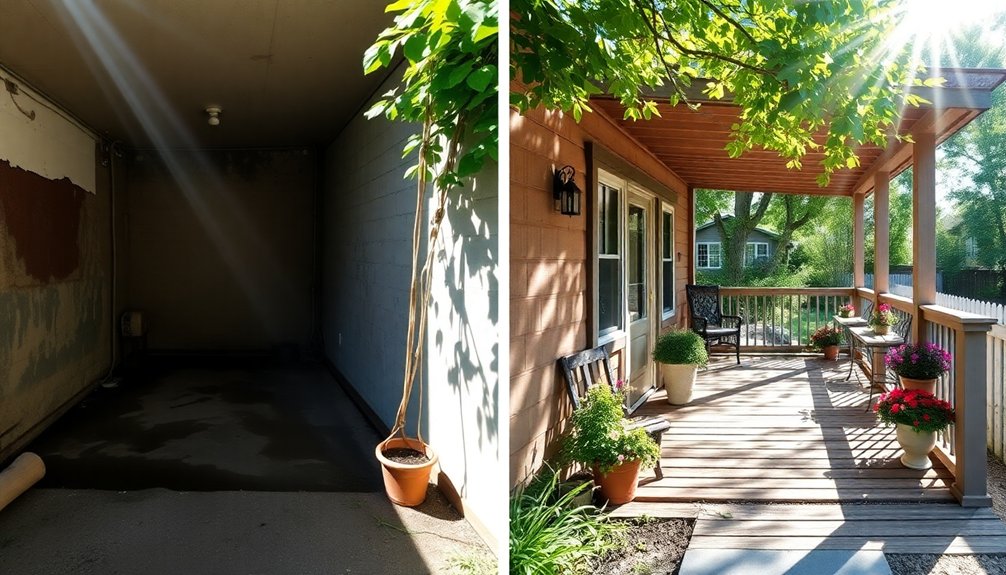
As housing costs continue to rise in high-cost areas, downsizing your living space can be a smart strategy to save money.
Consider moving to a smaller apartment or even renting a room in a shared living situation. This can notably reduce your housing costs, which are often your largest expense. Relocating to a more affordable neighborhood could save you up to 30% on rent.
You might also explore rent-controlled buildings to stabilize your expenses in a fluctuating market. Additionally, a smaller home not only cuts rent but also lowers utility and maintenance costs by about 20%.
Use tools like Life Planner’s Expense Tracker to effectively manage your housing costs and evaluate the impact of downsizing your living space on your budget.
Renting vs. Buying Considerations
Deciding between renting and buying can greatly impact your financial situation, especially in high-cost living areas.
Renting offers flexibility, letting you avoid the long-term commitment of a mortgage, which can average around $1,500 monthly. With renting, you typically only pay first and last month’s rent plus a security deposit, saving on hefty upfront costs.
On the other hand, homeownership demands a substantial down payment and ongoing expenses, like property taxes and home repairs, which can exceed $500 monthly.
If you plan to relocate within a few years, renting might be your best bet. However, if you’re ready to settle down for five to seven years, buying could lead to better long-term financial stability despite higher living costs.
Optimize Your Transportation Choices
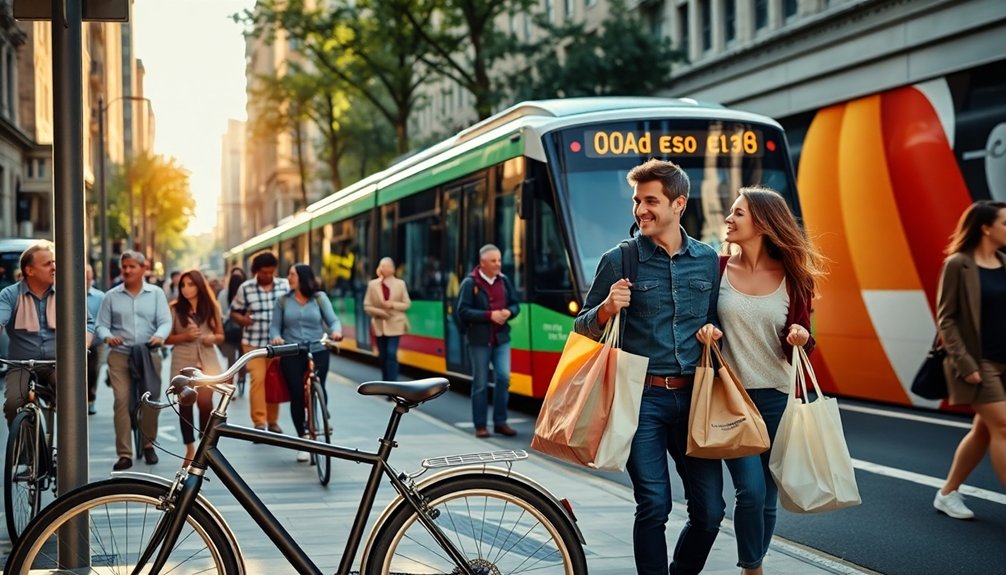
When it comes to saving money in a high cost of living area, your transportation choices can make a big difference.
Consider carpooling with colleagues, exploring public transport options, or even biking to work for both savings and health benefits. Each of these strategies not only cuts costs but can also simplify your daily routine. Additionally, utilizing expense management apps can help you track and manage transportation costs effectively.
Carpooling Benefits and Strategies
Carpooling not only cuts your transportation costs but also enhances your daily commute experience. By sharing rides with others, you can greatly lower fuel expenses, reduce wear and tear on your vehicle, and split tolls or parking fees.
Plus, you might even save on insurance premiums, as many insurers offer discounts for low-mileage drivers. Utilizing ridesharing apps or local community boards makes finding carpool partners easier than ever.
Additionally, carpooling reduces the number of vehicles on the road, leading to less traffic congestion and shorter commute times. With shared driving responsibilities, you can relax or catch up on work during your commute, giving you more time for what matters most.
Start carpooling today and embrace the benefits of saving money!
Public Transport Options Available
While traversing a high cost of living area, you might find that public transport offers an excellent way to save money without sacrificing convenience.
Using public transportation can greatly lower your monthly expenses, with passes costing between $70 to $150 compared to over $600 for car ownership. Not only does this frugal lifestyle reduce your fuel and parking costs, but it also helps the environment, cutting carbon emissions by up to 45% in some cities.
If you’re a student, senior, or low-income individual, you may qualify for discounted fares, further boosting your savings. Regular use of public transit can lead to annual savings of $1,000 or more, making it an economical choice for city living.
Biking for Savings and Health
If you’re looking to save money and improve your health, biking can be a game-changer. By swapping your car for a bike, you could save over $1,000 a year on transportation costs, including insurance, gas, and maintenance.
Biking not only cuts your commuting expenses but also boosts your fitness, reducing healthcare costs by lowering the risk of chronic diseases. In urban areas, you’ll often find biking is faster than driving, allowing you to zip past traffic.
Many cities even offer bike-sharing programs, giving you affordable access to bikes without the hassle of ownership. Plus, biking contributes to environmental sustainability, helping reduce your carbon footprint and promoting cleaner air quality.
It’s a win-win for both your wallet and your health!
Embrace Smart Grocery Shopping

To save money in a high cost of living area, embracing smart grocery shopping is essential. You can achieve your savings goals by implementing a few savvy strategies that help you cut back on expenses:
- Shop at discount grocery stores or local farmer’s markets for lower prices.
- Create a weekly meal plan to avoid impulse buys and reduce food waste.
- Use coupons, sales, and loyalty programs to save an average of 20-30% on your grocery bills.
Additionally, consider buying in bulk for staples and preparing meals from scratch. By using coupon codes during your grocery shopping, you can maximize additional discounts on your purchases.
These habits not only promote healthier eating but also help you stretch your budget further.
With smart grocery shopping, you can navigate high costs while still enjoying delicious meals.
Cut Back on Dining Out
Cutting back on dining out is a smart way to save money, especially in high-cost areas.
By planning your meals, cooking at home, and exploring affordable dining options, you can dramatically reduce food expenses. Utilizing budgeting apps like YNAB (You Need a Budget) can also help you track your spending and prioritize your financial goals. Let’s look at how these strategies can keep your budget in check while still satisfying your cravings.
Meal Planning Strategies
While dining out can be a tempting option after a long day, meal planning offers a practical solution to save money and guarantee your family enjoys nutritious meals.
By implementing effective meal planning strategies, you can cut back on dining out and practice frugal living. Here are some tips to get you started:
- Create a weekly meal plan to reduce impulse purchases and save up to 20% on groceries.
- Incorporate a “Meatless Monday” to enjoy meals that can be up to 50% cheaper than meat-based options.
- Buy in bulk for non-perishable items to lower your average cost per meal by as much as 30%.
With proper planning and cooking at home, you can enjoy meals for about one-third of the cost of dining out.
Affordable Dining Alternatives
Finding ways to enjoy meals without breaking the bank can make a significant difference in your budget. One of the best affordable dining alternatives is cooking dinner at home instead of dining out. You can save hundreds each month by preparing your meals and choosing healthier options.
Implementing a meal plan helps streamline your grocery shopping, reducing impulse purchases and minimizing food waste. Buying in bulk for non-perishable items can further cut costs.
Don’t forget to explore local farmers’ markets or discount grocery stores for fresh produce at lower prices. These strategies not only make healthy eating more affordable but also enhance your culinary skills, making home-cooked meals a delightful experience rather than a chore.
Cook at Home
If you want to save money and enjoy healthier meals, cooking at home is a smart choice. By making this switch, you can greatly reduce your monthly food expenses, saving an average of $200 to $300 compared to dining out.
Here are some tips to help you cook dinner while living frugally:
- Prepare meals in advance to avoid impulse purchases.
- Create a weekly menu for efficient ingredient use.
- Explore batch cooking to save time during busy weeks.
With homemade meals costing about $4 compared to $12 at restaurants, cooking at home isn’t only healthier but also a great way to save money.
Enjoy the process, and you’ll find it easier to stick to a budget while enjoying delicious meals!
Seek Free or Low-Cost Entertainment
Discovering free or low-cost entertainment options can greatly ease the financial strain of living in a high cost of living area.
Start by exploring local community calendars and websites to find free events like concerts and festivals. Enjoy the outdoors at public parks, where hiking, picnicking, and sports create fun experiences without spending a dime.
Take advantage of free admission days at museums and zoos, often available monthly, for educational outings. Join community groups that host game nights or potlucks, connecting with others while keeping costs low.
Don’t forget your local library; it offers free access to books, DVDs, classes, and workshops, providing a wealth of resources to keep you entertained and engaged. Additionally, consider coordinating shared grocery deliveries with neighbors to save money while promoting sustainability in your community.
Implement a Budgeting Strategy
Exploring free or low-cost entertainment options can lighten your financial load, but to truly manage your finances in a high cost of living area, implementing a structured budgeting strategy is key.
Start by tracking your monthly income and expenses, categorizing them into essentials and non-essentials. This helps you identify areas where you can save.
Consider these steps:
- Use the 50/30/20 rule: allocate 50% for necessities, 30% for discretionary spending, and 20% for savings and debt repayment.
- Use budgeting apps or spreadsheets to monitor spending and set aside a portion for important goals. For instance, tools like YNAB (You Need A Budget) can help you assign every dollar a specific role.
- Regularly review and adjust your budget based on changing expenses or income fluctuations to stay on track.
Staying proactive makes all the difference!
Reduce Unnecessary Subscriptions
As you navigate the high costs of living, reducing unnecessary subscriptions can provide immediate relief to your budget.
Start by evaluating subscriptions like streaming services, magazines, and gym memberships. Identify those that you rarely use; canceling them can save you an average of $200-$300 annually.
Consider consolidating services, such as bundling cable and internet, to lower your monthly expenses. Free trials can help you assess a subscription’s value before committing.
Regularly review your subscriptions every few months, as it’s easy to forget about recurring charges. Using budgeting apps will help you track these expenses automatically, giving you better financial awareness and control over unnecessary expenditures. Additionally, budget apps enable easy monitoring of your finances, making it simpler to identify and eliminate wasteful spending.
Every dollar counts, especially in a high-cost area!
Make Use of Community Resources
Many residents overlook the wealth of community resources available to them, which can greatly ease the financial strain of living in high-cost areas.
By tapping into these resources, you can save money while enriching your life. Here are a few ways to utilize what’s around you:
- Public Libraries: Enjoy free or low-cost access to books, digital media, and educational programs.
- Community Centers: Attend free events, workshops, and classes for recreational activities without the hefty fees.
- Local Food Banks and Gardens: Alleviate food expenses while building community support.
Additionally, explore community transportation services and local business partnerships for discounts. Utilizing bill tracking tools can further enhance your financial management in a high-cost living environment.
Prioritize DIY Solutions and Repairs
Take charge of your home by prioritizing DIY solutions and repairs. Embracing DIY can save you an average of 50% on labor costs, as hiring professionals often leads to hefty fees.
By learning basic skills like plumbing or electrical repairs, you can tackle common household issues, reducing your dependence on expensive services. There are countless online resources, including tutorials and forums, that provide valuable guidance for your DIY projects, making them accessible even without prior experience.
Involving family members in these tasks not only saves money but also promotes bonding and teamwork. Plus, you can creatively repurpose furniture and decor through DIY methods, leading to significant savings while embracing sustainability. Additionally, utilizing expense tracking tools can help you manage and save on costs associated with your DIY projects.
Start your DIY journey today!
Conclusion
By embracing these frugal living tips, you can navigate the challenges of city life without breaking the bank. Imagine the freedom of financial security, the thrill of discovering new ways to save, and the satisfaction of making the most out of every dollar. But what if you could turn your high cost of living into a manageable, even enjoyable experience? Immerse yourself in these strategies, and you might just find that living well on a budget isn’t just a dream—it’s your new reality.