
 0
0
 0
0
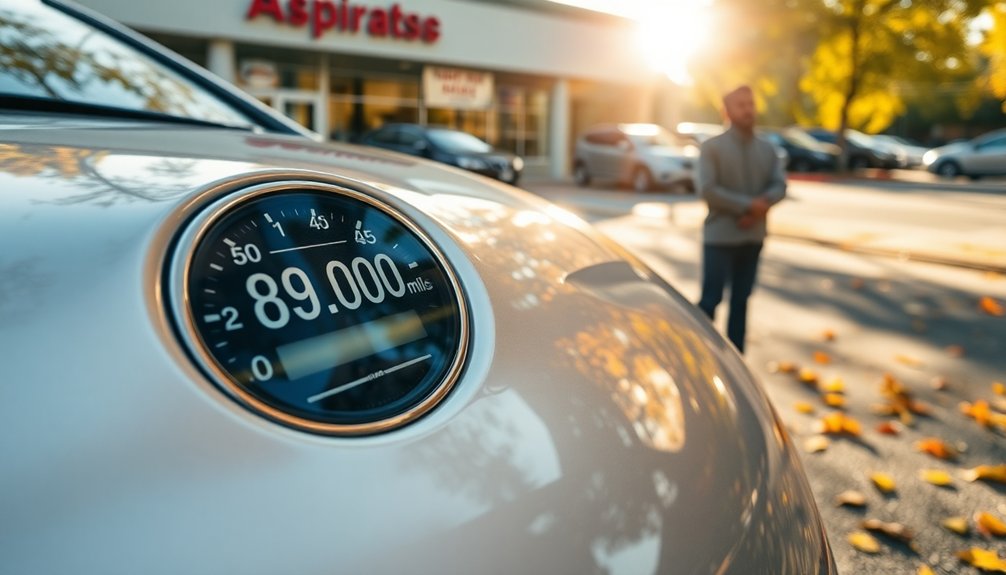
Buying a used car with 89,000 miles can be smart if you check its maintenance history and overall condition. At this mileage, the car is likely 7 to 9 years old. Regular service records can indicate reliability, especially if it’s a dependable brand like Honda or Toyota. A thorough inspection is essential to avoid hidden issues that could cost you later. There’s more to take into account when making your decision, so keep exploring your options.
Evaluating Mileage Against Maintenance History
When considering a used car with 89,000 miles, it’s essential to weigh the mileage against the vehicle’s maintenance history. A car just below the 100,000-mile mark can be a reasonable option if it’s been well maintained.
Look for evidence of regular oil changes and service records, which can indicate a reliable used vehicle despite high mileage. Cars driven primarily on highway miles generally experience less wear and tear compared to city-driven ones, so ask about driving conditions.
A thorough inspection by a trusted mechanic can uncover hidden issues that mileage alone mightn’t reveal. Researching the specific make and model can also guide you on reliability, helping you make a smart purchase price decision. Additionally, consider using expense tracking tools to manage any associated costs effectively after your purchase.
Understanding High Mileage and Its Implications
Mileage plays a significant role in evaluating a used car’s overall value and reliability, especially at 89,000 miles. This level of mileage suggests the car may be around 7 to 9 years old and can still offer a solid lifespan if it’s been well-maintained.
Models from reliable manufacturers like Honda and Toyota can often exceed 200,000 miles, making them a worthwhile purchase. However, you should carefully review the service history; regular maintenance, including oil changes, is key to longevity.
Keep in mind that driving conditions also matter—highway driving generally causes less wear than city driving. While high mileage may lead to more frequent repairs, a well-maintained vehicle can still provide great value compared to pricier, lower-mileage options. Additionally, understanding the importance of monitoring savings and investments can help you budget effectively for potential repairs and maintenance costs.
The Importance of Vehicle Inspection

A thorough vehicle inspection is essential before buying a used car, particularly one with 89,000 miles. This inspection can uncover hidden issues that mightn’t surface during a test drive.
Check the maintenance history to guarantee the car’s been well cared for, especially with higher mileage. Inspect critical components like the engine, transmission, brakes, and tires to avoid costly repairs in the future and guarantee reliability.
A pre-purchase inspection can reveal potential red flags, such as rust, frame damage, or excessive wear, which could impact the vehicle’s longevity and safety.
Investing in a professional inspection now can save you money later by steering you away from cars that may need significant repairs soon after purchase. Additionally, employing a receipt scanning technology can help you keep track of any maintenance expenses incurred after the purchase, ensuring you stay on top of your financial management.
Cost Considerations for Used Cars
Understanding cost factors is essential when shopping for a used car with 89,000 miles. Vehicles in this mileage range often represent a balance between affordability and lifespan, making them cost-effective options compared to lower mileage models.
While higher mileage can mean more frequent maintenance, checking the maintenance records is vital; a well-maintained vehicle can still deliver reliable performance.
Checking maintenance records is crucial; a well-cared-for high-mileage vehicle can still offer dependable performance.
You’ll want to evaluate the resale value, which depends on factors like brand reputation and overall condition. If the used car is in good shape, it could serve you well for years, as many cars exceed 200,000 miles with proper care.
Ultimately, weighing these factors will help you make a smart decision when purchasing a used car. Additionally, utilizing a budgeting app like YNAB (You Need a Budget) can help you manage the financial aspects of your purchase effectively.
Making an Informed Purchase Decision
When you’re considering a used car with 89,000 miles, it’s essential to gather as much information as possible to make an informed decision.
Check the mileage car against its age; 89,000 miles falls within the average range. Look into the maintenance history—well-maintained vehicles with documented service records are more reliable.
Brands like Toyota and Honda are known for longevity, often exceeding 200,000 miles. Consider the car’s previous owners and whether it was mostly for highway driving, as this can indicate less wear.
Always obtain a vehicle history report and consider a professional inspection to guarantee the car is in better shape. If you’re unsure, Certified Pre-Owned options can provide extra peace of mind. Additionally, utilizing data-driven insights can enhance your understanding of the vehicle’s value and reliability.
Conclusion
In the end, buying a used car with 89,000 miles is like stepping onto a well-worn path; it’s familiar yet uncertain. If you’ve weighed the mileage against maintenance history, inspected the vehicle, and considered the costs, you’re equipped to navigate the journey ahead. Trust your instincts and remember, a car’s true value lies not just in its numbers, but in the stories it will help you create. Drive wisely, and let your adventure unfold.