
 0
0
 0
0
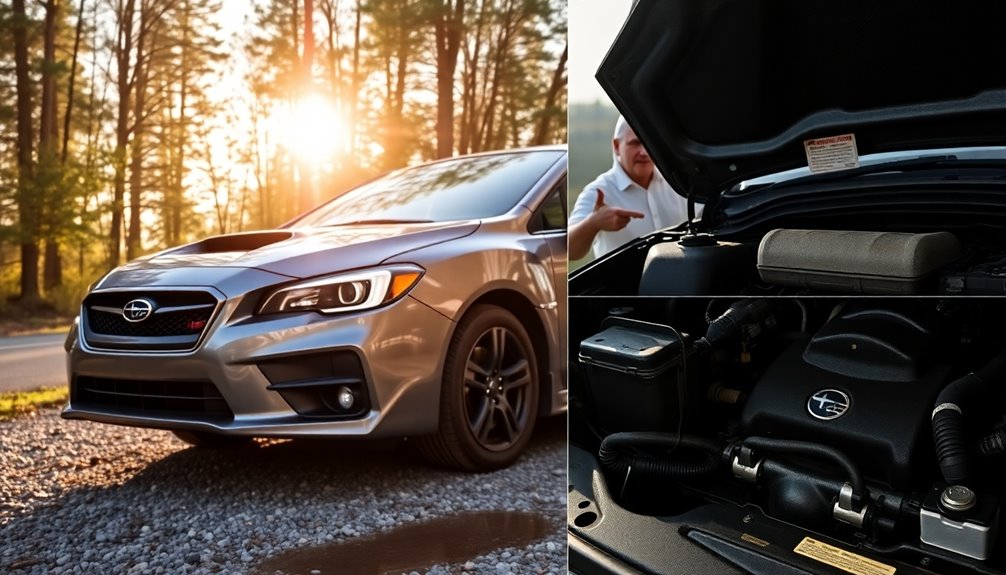
If you’re considering a used Subaru, be cautious with models from 1996 to the early 2000s. These years, especially the 1996–1999 Outback, Legacy GT, and Impreza with 2.5L engines, are notorious for head gasket failures. Symptoms like engine overheating, oil leaks, and white smoke can indicate serious problems. Newer models from 2011 onward have better reliability. Stick around to discover more about head gasket issues and buying tips for a used Subaru.
Overview of Subaru Head Gasket Issues
When considering a used Subaru, it’s essential to be aware of the brand’s history with head gasket issues, especially if you’re looking at models from the late 1990s to early 2000s.
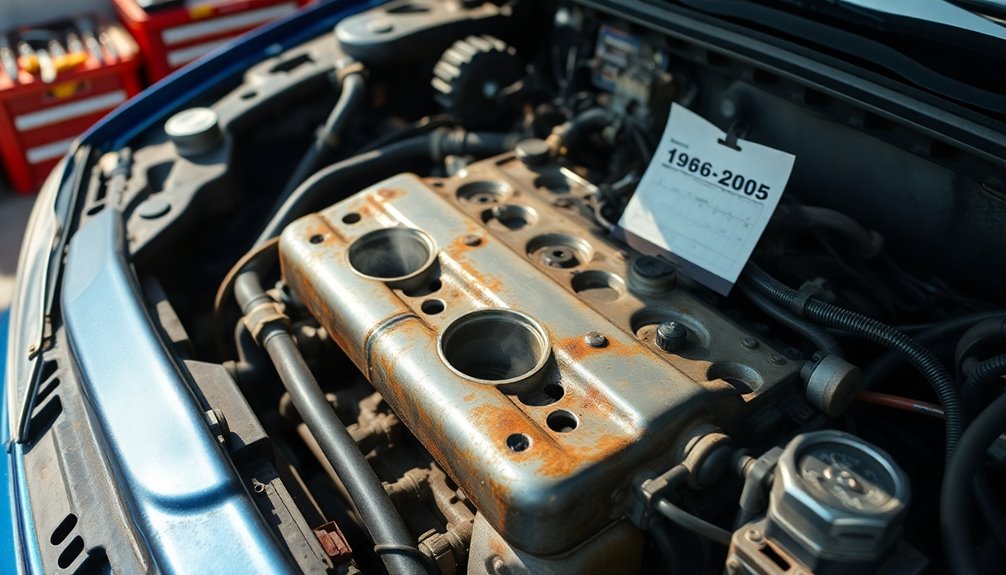
Subaru faced significant head gasket problems, particularly with their 2.5L engines, starting with the 1996 EJ25 motor. Models like the 1996–1999 Outback, Legacy GT, and Impreza often encountered these issues, leading to repair costs ranging from $1,200 to $2,500.
Subaru’s 2.5L engines from 1996 to 1999 faced serious head gasket issues, with repairs costing $1,200 to $2,500.
Even newer engines, such as the EJ251, EJ252, and EJ253, continued to show head gasket failures between 120,000 and 150,000 miles.
Although Subaru tried to resolve these concerns by introducing multi-layer steel head gaskets in 1997, worries about reliability lingered for some years. Additionally, the financial benefits of purchasing a used vehicle can be significant, especially when considering lower monthly payments compared to new cars.
Common Symptoms of Head Gasket Failure
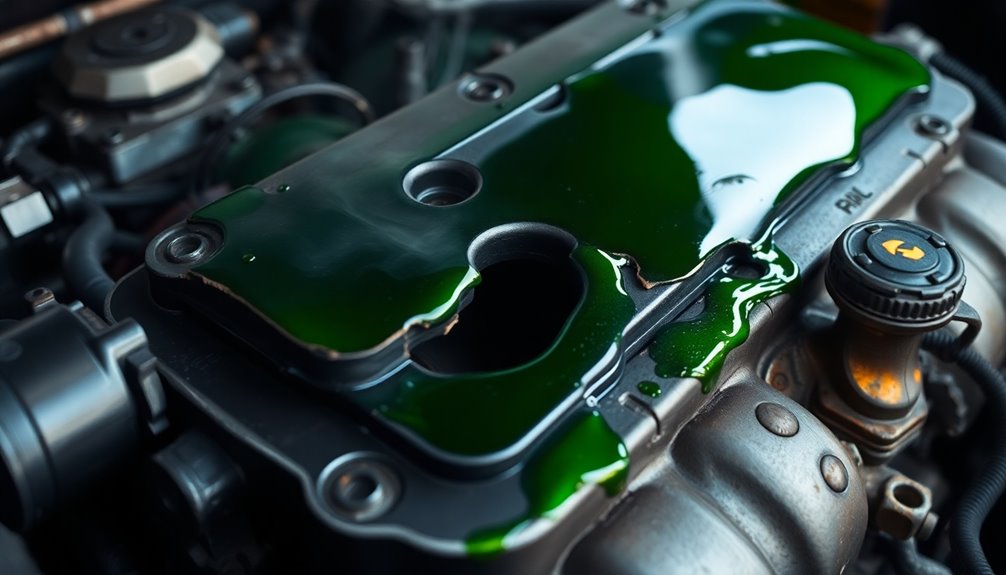
Here are three key indicators of head gasket failure:
- Engine Overheating: If your engine frequently runs hot, it could signal potential head gasket problems.
- Visible Oil Leaks: Look for oil and coolant pooling under your car, especially around the cylinder head and engine block.
- White Smoke: If you see white smoke from the exhaust, it often means coolant is leaking into the combustion chamber.
Additionally, be aware of any frothy residue in the oil, which indicates mixing of oil and coolant. Using an expense tracking app can help keep track of any repair costs associated with these issues.
Catching these symptoms early can help prevent extensive engine damage.
Most Affected Subaru Models by Year
When considering a used Subaru, it’s essential to know which models are most affected by head gasket issues.
The years you should pay special attention to include the late ’90s and early 2000s, particularly the Outback, Legacy, and Forester.
Understanding the engine types in these models can help you avoid costly repairs down the line. Additionally, being aware of financial aid challenges can assist families in budgeting for potential repairs.
Notable Problem Years
While Subaru vehicles are known for their reliability, certain model years stand out due to recurring issues that can lead to costly repairs.
If you’re considering a used Subaru, watch out for these notable problem years with head gasket issues:
- 1996-1999: Particularly the EJ25 engine variants, notorious for failures, costing $1,200 to $2,500 in repairs.
- 2000-2009: Models like the Legacy, Forester, Outback, and Impreza, especially with EJ251, EJ252, and EJ253 engines, often show issues between 120,000 and 150,000 miles.
- 2003-2009: The Outback frequently reports significant head gasket problems due to internal and external leaks.
Being aware of these years can help you avoid potential headaches and expenses.
Affected Models Overview
Although Subaru vehicles are generally reliable, certain models are particularly susceptible to head gasket failures, which can lead to expensive repairs.
The most affected models include the 1996–1999 Outback, Legacy GT, LSi, 1998 Forester, and Impreza, especially those equipped with the EJ25 motor.
Between 2000 and 2009, models like the Legacy, Baja, Forester, Outback, and Impreza continued to struggle with Subaru head gaskets, particularly in the EJ251, EJ252, and EJ253 engines.
These failures typically arise around 120,000 to 150,000 miles, costing you between $1,200 and $2,500 for repairs.
While improvements were made with multi-layer steel gaskets in 1997, reliability issues lingered until around 2006, although models from 2011 onward show better performance.
Engine Type Considerations
Identifying the engine type is key when evaluating used Subarus, especially concerning head gasket issues.
The Subaru 2.5L SOHC engine, particularly from 1999 to 2011, is significantly affected by head gasket problems, especially in the Forester, Legacy, Outback, and Impreza models.
Here are three critical points to reflect upon:
- Model Years: The EJ25 engine introduced in 1996 shows persistent head gasket issues until improvements in later models.
- Severe Failures: Models from 1998 to 2000, with single-shim gaskets, are notorious for severe failures.
- Engine Type: Subaru’s six-cylinder engines are generally more reliable, facing fewer head gasket problems than their four-cylinder counterparts.
Keep these reflections in mind during your search for a used Subaru.
The Evolution of Head Gasket Design in Subaru Engines
As Subaru engines evolved, their head gasket designs underwent considerable improvements to address early reliability issues.
Initially, the 1996 EJ25 motor faced frequent head gasket failures, prompting Subaru to introduce a multi-layer steel (MLS) head gasket in 1997. However, problems persisted with the EJ251, EJ252, and EJ253 engines, especially after shifting from DOHC to SOHC, leading to external leaks.
The 1996 EJ25 motor struggled with head gasket failures, leading to the introduction of MLS gaskets in 1997, yet issues persisted in later models.
The adoption of MLS-type gaskets in later models drastically improved reliability, markedly reducing head gasket failures. By the mid-2000s, Subaru’s design enhancements resulted in the last years of the EJ engines (2006-2010) demonstrating better reliability.
Finally, newer models from 2011 onward, featuring FB engines, have shown even fewer head gasket issues, reflecting ongoing advancements in design and materials. Additionally, embracing mindful spending habits can help consumers make educated choices when purchasing used vehicles, ensuring a better investment in the long run.
Cost Implications of Head Gasket Repairs
When it comes to Subaru head gasket repairs, you could face costs ranging from $1,200 to nearly $3,000, depending on your model and needed repairs. These expenses can have a significant long-term financial impact, especially if issues arise after 120,000 miles. It’s smart to contemplate setting up a savings plan to handle these potential repair costs. Additionally, considering energy efficiency in your vehicle choice can lead to savings on fuel costs over time.
Repair Cost Estimates
One of the most significant financial concerns for Subaru owners is the potential cost of head gasket repairs. If you’re facing a blown head gasket, you could be looking at repair costs ranging from $1,200 to $2,500.
However, additional mechanical failures can push total expenses near $3,000. Here are three key points to take into account:
- Repair costs vary by model year; older models often incur higher expenses.
- Significant head gasket failures typically happen around 80,000 miles.
- It’s wise to start a “head gasket rainy day savings plan” to prepare for these potential costs.
Being proactive about these estimates can help you manage the financial burden of head gasket issues effectively.
Long-Term Financial Impact
Although you might love your Subaru for its reliability and performance, the long-term financial impact of head gasket repairs can be substantial.
If you own a model produced between 1996 and 2011, especially with a 2.5L engine, you could face repair costs ranging from $1,200 to $2,500, or even up to $3,000 depending on the damage.
Many owners report head gasket failures around 80,000 to 150,000 miles, leading to unplanned expenses that strain your finances.
While newer models have improved with multi-layer steel gaskets, older versions still pose a risk.
To safeguard your budget, consider setting up a “head gasket rainy day savings plan” to prepare for these potential costs.
How to Inspect a Used Subaru for Head Gasket Problems
Inspecting a used Subaru for head gasket problems is essential, especially in models manufactured before 2003. Here’s how to spot potential issues:
Inspecting used Subarus, especially pre-2003 models, for head gasket issues is crucial to avoid costly repairs.
- Look for external coolant leaks around the driver’s side head gasket, as these models are prone to this problem.
- Check for signs of oil and coolant mixing, which indicates internal head gasket failure and can cause serious engine damage.
- Examine the engine for overheating evidence, such as a warped cylinder head, which often signals a blown head gasket.
Additionally, consider conducting a compression or leak-down test to identify any internal leaks that standard inspections might miss.
Always review maintenance records, especially for coolant changes and the presence of Subaru Coolant Conditioner for preventative measures.
Importance of Maintenance History in Used Subaru Purchases
When considering a used Subaru, understanding its maintenance history can make a significant difference in your purchase decision.
For models from 1996 to 2009, especially those with the 2.5L engine, you’ll want to pay close attention to any documented head gasket issues. A thorough maintenance history reveals past repairs and preventative measures that previous owners took.
Look for records of regular maintenance, such as coolant changes and inspections, which can greatly reduce head gasket problems. Specifically, check for the use of Subaru Coolant Conditioner; it’s essential for preventing deterioration.
If you find a vehicle with a documented history of head gasket repairs or replacements, proceed with caution, as it may indicate prior issues that could affect your purchase. Additionally, remember that intentional resource allocation through careful consideration of maintenance can significantly impact your long-term financial goals.
Owner Experiences: Success Stories and Warnings
While maintenance history plays an essential role in evaluating a used Subaru, owner experiences can provide additional insight into what you might expect.
Many owners report a mix of success and warnings about head gasket issues. Here are some key takeaways:
- Some newer models, like the 2021 Outback, show no head gasket problems, proving reliable.
- Others, like the 2016 Forester, faced significant failures due to external damage, highlighting the risks.
- Subaru models from the late 1990s to early 2000s often encounter head gasket failures around 80,000 miles, leading to costly repairs.
Establishing a “head gasket rainy day savings plan” is a smart move for potential Subaru buyers to manage unexpected expenses. Additionally, consumers are increasingly turning to used vehicles as a budget-friendly alternative, helping to offset the costs associated with repairs.
External vs. Internal Head Gasket Failures: What to Know
Understanding the difference between external and internal head gasket failures is essential for any Subaru owner or potential buyer.
External head gasket failures, common in pre-2003 models, typically lead to coolant leaks from the driver’s side. You might notice these leaks easily, but they can still cause significant problems if ignored.
External head gasket failures in pre-2003 models often cause noticeable coolant leaks, which can lead to serious issues if overlooked.
Internal head gasket failures, on the other hand, are more insidious. They often result in serious overheating and can be harder to detect, requiring specialized tests to find combustion gases in the cooling system.
The phase 2 2.5L SOHC engines from 1999 to 2011 are particularly vulnerable to both types of failures, especially around 120,000 to 150,000 miles. Regular monitoring of oil levels can help in preventing unexpected shutdowns related to these issues.
Proactive maintenance is vital to prevent these issues.
Recommendations for Preventing Head Gasket Issues
Head gasket issues can lead to costly repairs, but with some proactive steps, you can greatly reduce the risk. Here are three key recommendations:
- Regular Maintenance: Keep an eye on your radiator to prevent overheating. This is a major factor in head gasket failures for older Subaru models.
- Timing Belt Replacement: Replace the timing belt during scheduled maintenance. This can help minimize the risk of head gasket issues.
- Use Subaru Coolant Conditioner: It helps maintain ideal coolant conditions, reducing the likelihood of head gasket failures.
Additionally, monitor your engine temperature and coolant levels closely. Regular use of washable electrostatic filters can improve air quality, further supporting engine performance.
Engage with the Subaru community for shared experiences and tips on effective maintenance strategies. Taking these steps can save you from serious headaches down the road.
Best Practices for Buying a Used Subaru
When you’re in the market for a used Subaru, focusing on models from 2011 and later can greatly improve your chances of finding a reliable vehicle.
Focusing on Subaru models from 2011 and later enhances your chances of purchasing a dependable used vehicle.
These newer models typically have fewer head gasket issues compared to earlier ones. Always inspect potential purchases for signs of overheating, oil leaks, and coolant loss, especially in models from 1999 to 2010 known for their head gasket failures.
Review the service history to verify regular maintenance was performed, as this can help mitigate head gasket problems. Be cautious of older models with 2.5L engines, which often fail around 80,000 miles. Engaging with the Subaru community through forums can also provide valuable insights on reliability and maintenance tips. Additionally, consider documenting transaction details if purchasing from a private seller to ensure a smooth transfer of ownership.
The Role of Engine Type in Head Gasket Reliability
While examining the reliability of Subaru’s head gaskets, the type of engine plays an essential role.
The four-cylinder engines, especially the 2.5L SOHC models from 1999 to 2011, are particularly more susceptible to head gasket issues compared to their six-cylinder counterparts.
Here’s what you should know:
- Four-cylinder engines, like the EJ251, EJ252, and EJ253, face persistent head gasket problems despite the switch to multi-layer steel gaskets in 1997.
- Six-cylinder engines, such as the EZ series, generally exhibit better reliability and fewer head gasket failures.
- Newer FB engine designs (2011 and onward) show significant improvements, reducing the likelihood of head gasket issues.
Understanding your Subaru’s engine type can help you make a smarter, more informed decision.
Conclusion: Making Informed Decisions When Buying Used Subarus
Making an informed decision about buying a used Subaru involves understanding the nuances of engine reliability and potential issues, especially with head gaskets.
Subaru models from 1996 to 2009, particularly those with the 2.5L engine, are notorious for head gasket failures, often between 120,000 and 150,000 miles. The 2007 Subaru Legacy Outback stands out for its significant engine performance issues tied to head gasket problems.
To avoid costly repairs, be cautious with the second and third generation Outbacks. Instead, focus on well-maintained models from 2011 onward, which feature improved FB engines and display fewer head gasket issues.
Conclusion
To sum up, when you’re shopping for a used Subaru, it’s essential to be aware of the head gasket issues that affected models from 1996 to 2004. Notably, nearly 30% of Subaru owners reported experiencing head gasket failures in these years. By keeping an eye out for symptoms and asking the right questions, you can avoid costly repairs and enjoy a reliable ride. Remember, informed decisions lead to happier journeys on the road ahead!


Average Rating