
 0
 0
Last updated: · By Laura Bennett
Buying used cars is usually the lower-cost route to reliable transportation, because a previous owner has already absorbed the steepest early depreciation. The real savings come from a careful process: verifying the vehicle’s history, paying for an independent inspection, and financing with a loan your household can afford. This guide walks through each step so you can get a good car at a fair price.
Key Takeaways
- A vehicle history report can reveal title problems, reported accidents, and odometer issues, and the FTC’s revised Buyers Guide tells shoppers to get one because dealers are not required to provide it.
- A pre-purchase inspection by an independent mechanic is usually far cheaper than a single major repair you might otherwise discover after the sale.
- Certified pre-owned vehicles typically include a manufacturer-backed inspection and warranty, but they usually cost more than comparable cars that are not certified.
- Getting a loan offer from a bank or credit union before you visit a dealer gives you a benchmark to compare against dealer financing.
- Check the out-the-door price, fees, and loan terms in writing before you sign anything.
What Is the Real Cost of Buying Used Cars?
The sticker price is only part of what you will pay. Taxes, title and registration fees, insurance, interest on any loan, fuel, and repairs all add to the total cost of ownership. Comparing used vehicles on total cost, not just price, is the most reliable way to see whether a deal is actually good.
Insurance premiums are often based partly on a vehicle’s value and repair costs, so a less expensive used car may cost less to insure than a newer, pricier model. Get insurance quotes for each car you are considering before you commit. Insurance rates vary widely by driver, location, and coverage, so treat any comparison as a starting point.
Why Do Used Cars Save Money?
Used cars save money mainly because new vehicles lose value quickly in their first few years. A car that is a few years old has already passed through that steep drop, so you pay less for the same basic transportation. The savings are largest when you buy a model that has a strong reliability record and a clear maintenance history.
Lower purchase prices can also mean smaller loans, which reduces the interest you pay over time. Savings are not guaranteed, though. A cheap car with unknown history or expensive repairs can cost more than a slightly pricier car that was well maintained.
Where Should You Buy Used Cars?
The best place to buy depends on how much protection you want and how much time you can spend on research. Franchised dealers, independent dealers, and private sellers each offer different tradeoffs in price, warranty, and paperwork.
| Seller type | Typical advantage | Typical drawback | Best for |
|---|---|---|---|
| Franchised dealer (certified pre-owned) | Manufacturer inspection and extended warranty options | Usually higher prices and add-on fees | Buyers who want the most protection |
| Franchised dealer (non-certified) | Large inventory and trade-in options | Warranty may be limited or absent | Buyers who will get an independent inspection |
| Independent used car dealer | Often lower prices and more negotiating room | Quality and warranties vary widely by business | Buyers who check reviews and history reports |
| Private seller | Often the lowest price and direct access to the owner’s records | No warranty and less legal recourse if something fails | Experienced buyers who can verify everything |
Whichever seller you choose, the same checks apply. Compare several vehicles, and be willing to walk away from any seller who refuses an inspection or pressures you to decide immediately.
How Do You Check a Used Car Before You Buy It?
Check a used car in three layers: its paper history, its physical condition, and its open safety recalls. Skipping any one of these is the most common way buyers end up with a costly problem.
Get a Vehicle History Report
A vehicle history report compiles records such as title status, reported accidents, odometer readings, and service history. The Federal Trade Commission’s 2016 amendments to the Used Motor Vehicle Trade Regulation Rule did not require dealers to hand buyers these reports. Instead, the revised Buyers Guide tells shoppers to get one and points them to an FTC website, so you should request the report yourself.
Services such as Carfax and AutoCheck sell vehicle history reports, and some dealers provide them for free. Read the report carefully, but do not treat a clean report as proof of good condition. Not every accident or repair is recorded, so the report should be one step in your review.
Get an Independent Pre-Purchase Inspection
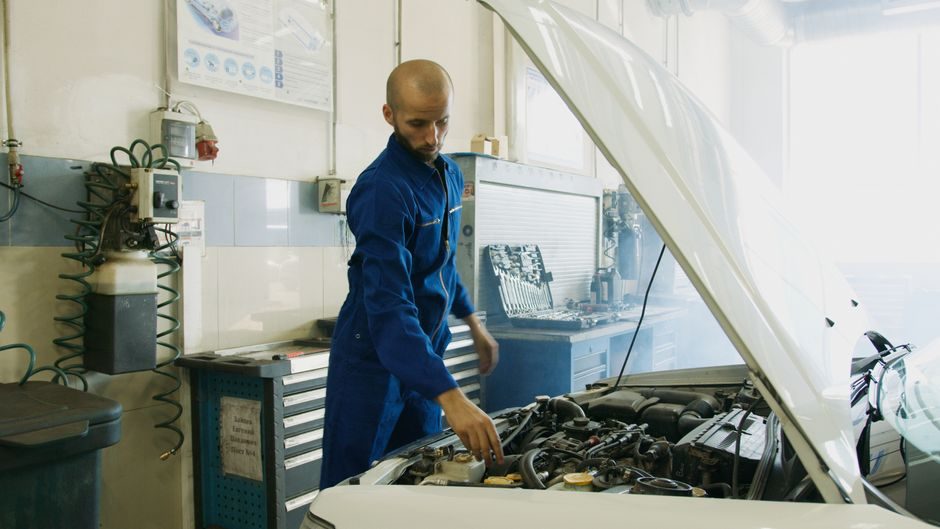
An independent pre-purchase inspection is a checkup by a mechanic who does not work for the seller. Many shops perform these for a flat fee, and it is one of the best-value purchases you can make when buying a used car. Ask for a written report that covers the engine, transmission, brakes, tires, suspension, frame, and any warning lights or diagnostic codes.
If the seller refuses an inspection, treat that as a serious warning sign. If the inspection finds problems, you can ask for a lower price that reflects the repair cost, or walk away. A qualified mechanic is the right professional to judge a vehicle’s mechanical and safety condition.
Check for Open Recalls
Open safety recalls are defects the manufacturer has announced but not yet repaired. You can search for recalls by vehicle identification number (VIN) on the National Highway Traffic Safety Administration website. Repairs for recalls are generally free at authorized dealers, so ask the seller to complete any open recall work before the sale or confirm the car’s recall status in writing.
Use a Test Drive Checklist
A test drive should include both city streets and highway speeds. Use this checklist during the drive and afterward:
- Start the engine cold, if possible, and listen for knocking, squealing, or rough idling.
- Test the brakes at low and moderate speeds, and note any pulling or pulsing.
- Accelerate onto a highway and check for hesitation, slipping, or shuddering.
- Turn the steering wheel fully left and right in a parking lot and listen for clicks or grinding.
- Check that all warning lights turn on at startup and turn off after the engine runs.
- Test the air conditioning, heat, windows, locks, and audio system.
Is Certified Pre-Owned Worth It?
Certified pre-owned (CPO) vehicles are often worth the extra cost for buyers who want added protection and a longer warranty. Programs vary by manufacturer, and CPO cars usually carry a higher price than comparable vehicles that are not certified. Read the warranty terms, deductibles, and coverage exclusions before you decide.
A CPO label does not replace your own inspection. Certification standards differ, and an independent mechanic can still find problems the program missed.
How Can You Finance a Used Car Without Overpaying?
You can finance a used car without overpaying by comparing loan offers before you shop, keeping the loan term short, and making a meaningful down payment. The loan’s interest rate and length matter as much as the monthly payment.
Compare Lenders Before You Shop
Bank and credit union loans often have competitive rates, and many lenders offer preapproval so you know your borrowing limit before you visit a dealer. Dealer financing can be convenient, but dealers may add markups to the rate. Use a preapproved offer as a benchmark: if the dealer can beat it, you have lost nothing by asking.
How Big Should Your Down Payment Be?
A larger down payment reduces the amount you borrow, lowers your monthly payment, and reduces the total interest you pay. It also helps you avoid owing more on the loan than the car is worth, which matters if the car is totaled or you need to sell it early. Many financial advisors suggest putting down a meaningful share of the price, but the right amount depends on your savings and emergency fund.
Watch the Loan Term
Longer loans lower the monthly payment but usually cost more in interest, and they increase the chance that repairs arrive before the loan is paid off. Plan the payment within your budget first, then choose the shortest term you can comfortably afford. A 50/30/20 budget calculator for planning a monthly payment can help you see how a car payment fits alongside your other expenses.
Before signing, ask for the total amount financed, the annual percentage rate (APR), the total of all payments, and any fees. A loan officer or nonprofit credit counselor can review the numbers with you if the terms are unclear.
How Do You Negotiate a Fair Used Car Price?
To negotiate a fair used car price, research the vehicle’s market value, negotiate based on the out-the-door total, and be ready to walk away. Sellers expect negotiation, and a calm, prepared buyer often gets better results.

- Research the car’s value using a pricing guide such as Kelley Blue Book or Edmunds, and compare prices for similar vehicles within a reasonable distance.
- Get a written inspection report and subtract the cost of needed repairs from your offer.
- Make your first offer based on the total out-the-door price, including fees.
- Decline add-ons such as paint protection or extended warranties until you have compared their costs separately.
- If you have a trade-in, negotiate its value separately from the purchase price so each number is clear.
- Walk away if the price does not move or the terms change at signing.
How Can You Keep Maintenance Costs Low?
You can keep maintenance costs low by following the manufacturer’s service schedule, using a written maintenance log, and comparing service prices. Routine work such as oil changes, tire rotations, and filter replacements is usually much cheaper than repairing a neglected engine or transmission.
Look for discounts on routine service before you book. Some shops and tire centers offer coupons, and our guide explains how to find and stack printable coupons for everyday savings.
What Are the Most Common Used Car Buying Mistakes?
The most common mistakes are skipping the inspection, focusing only on the monthly payment, and buying a car that does not fit your budget after insurance and repairs. Avoid these with a simple checklist before you visit a seller.
- Did you get a vehicle history report and review it?
- Did an independent mechanic inspect the car?
- Did you check for open recalls with the VIN?
- Did you compare the out-the-door price, not just the sticker price?
- Did you get a loan preapproval to compare against dealer financing?
- Did you confirm insurance costs for this specific vehicle?
For guidance on how long to keep the car you buy, read our guide to the best time to keep a car.
Is Buying Used Better for the Environment?
Buying used can reduce environmental impact because it keeps an existing vehicle in use rather than requiring a new one to be built. The size of that benefit depends on how long the car stays on the road and how efficient it is, so it is a supporting reason rather than the main one.
Choosing a fuel-efficient used vehicle and maintaining it well, including keeping tires inflated and following the service schedule, can further reduce its emissions over time.
Frequently Asked Questions
Is it safe to buy a used car?
Buying a used car is generally safe if you check its history, get an independent inspection, and confirm there are no open safety recalls. Older vehicles may lack some newer safety features, so compare the safety ratings of the models you are considering. A mechanic can help you judge brakes, tires, and steering before you buy.
How many miles is too many for a used car?
There is no single mileage cutoff, because condition and maintenance matter more than the odometer alone. A well-maintained car with a documented service history can last well beyond 100,000 miles. Ask for maintenance records and let the inspection guide your decision.
Should I buy from a dealer or a private seller?
Dealers usually offer more protection, such as warranties and return policies in some states, while private sellers often charge less. A private sale puts more responsibility on you to verify the title, history, and condition. If you buy privately, complete the title transfer correctly and confirm the car has no liens.
Do I need a warranty on a used car?
A warranty is helpful but not required, and it adds cost. Compare what the warranty covers, what it excludes, and whether the seller’s service history is good. If you cannot afford a major unexpected repair, a warranty or a dedicated repair fund can protect your budget.
Can I get a used car loan with bad credit?
Yes, but loans for buyers with lower credit scores typically carry higher interest rates. Compare offers from credit unions and lenders that specialize in these loans, and avoid stretching the term to lower the payment. Improving your credit before you borrow can reduce the total cost.
Conclusion
Buying used cars can give your family reliable transportation at a lower total cost, but only when you verify the car’s history, pay for an independent inspection, and compare financing before you sign. Use the checklists in this guide, keep your budget in view, and walk away from any deal that does not hold up under inspection. A careful process is what turns a used car into a real bargain.
More on Buying Used Cars
Related guides: The Best Time to Keep a Car: A Frugal Guide · Best Day to Go to Goodwill: Tips for Thrift Shopping Success · Is Dave Ramsey a Charlatan? Why the “Baby Steps” Work for Some but Fail for Others
Free tools: 50/30/20 Budget Calculator
This article is general information, not financial advice. Prices and deals change: check current terms before you buy. Read our financial disclaimer and editorial policy.