

 0
0
 0
0
A $30,000 budget is a great starting point for finding a frugal car that blends affordability with modern features. This price range allows you to explore both new and used options, maximizing value while keeping monthly payments manageable. You’ll find reliable vehicles equipped with advanced safety technology and fuel efficiency. Plus, many models under $30k come with warranties and lower insurance costs. Stick around to discover more about specific models and what to evaluate before purchasing.
The Rising Cost of Vehicles in America
As vehicle prices continue to rise, you may find yourself questioning what a reasonable starting price is for a frugal car. The average price of a three-year-old used vehicle has hit $30,522, which is a 2.3% increase from last year.
This surge reflects a narrowing cost gap between new and used vehicles, now around $17,000, making it vital for budget-conscious buyers to evaluate their options carefully. With 17.7% of new-car buyers facing monthly payments of $1,000 or more, the financial burden of purchasing new vehicles is significant.
Additionally, the average amount financed for a new car has reached $41,473, with terms averaging 69.5 months, putting even more pressure on your wallet. Balancing savings and investments is essential for maintaining financial stability amidst rising vehicle costs.
Understanding the Financial Implications of a $30,000 Car
With vehicle prices climbing, a $30,000 car stands out as a viable option for those seeking to balance cost and quality.
Opting for a car in this price range helps you manage monthly payments, which average around $741 for new vehicles. Additionally, a $30,000 car often comes equipped with modern features, including impressive fuel efficiency and advanced safety technology, catering to frugal consumers.
Financing this price point typically results in more manageable payments, reducing the risk of negative equity associated with high-priced vehicles. With the average new car financing amount reaching $41,473, choosing a $30,000 car allows you to stay within budget while still securing a reliable mode of transportation, ensuring sound financial implications for your purchase. Moreover, maintaining a centralized system for tracking bills related to car payments helps ensure you stay organized and avoid late fees.
Analyzing the Benefits of Buying New vs. Used
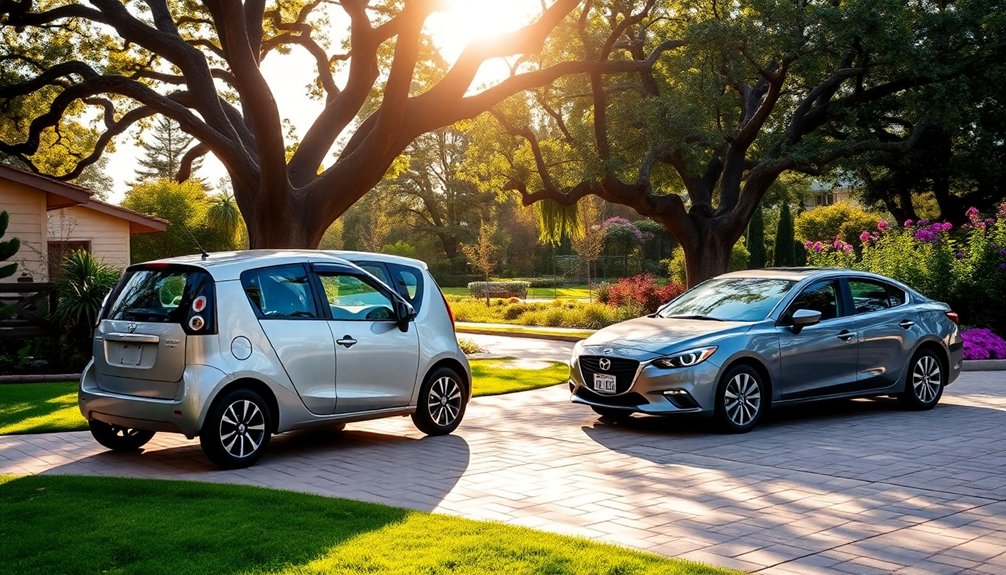
When you’re considering a car purchase, the choice between new and used can greatly impact your budget.
New cars offer the latest features and warranties, while used cars can save you money upfront and on monthly payments.
It’s important to weigh the advantages of each option against long-term costs to find what truly fits your financial situation. Additionally, understanding budgeting methods can help you make a more informed decision on how to allocate your finances effectively.
New Car Advantages
Buying a new car offers several compelling advantages that can greatly enhance your driving experience. Here are some key benefits:
- Comprehensive Warranties: New cars come with warranties, such as a 3-year/36,000-mile basic warranty and an 8-year/100,000-mile hybrid/EV warranty, offering peace of mind.
- Latest Safety and Technology: You’ll enjoy access to advanced safety features and technology, making driving safer and more enjoyable.
- Reduced Maintenance: New vehicles typically require less immediate maintenance, minimizing unexpected repair costs.
- Improved Fuel Efficiency: With options like the 2025 Kia Niro hybrid achieving up to 53 mpg city, you’ll save on fuel over time.
Choosing a new car not only provides you with standard features but also helps you budget effectively with current financing incentives.
Used Car Considerations
While new cars offer impressive features and warranties, used cars present an attractive alternative for budget-conscious buyers.
With an average price of around $30,522 for a three-year-old vehicle, you can save approximately $17,000 compared to a new model. Monthly payments for used cars average $550, notably lower than the $741 for new vehicles, making them more financially appealing.
Additionally, financing terms have lengthened, making it easier to manage expenses with a used car. You’ll also find that insurance premiums and sales tax are typically lower for used cars, further reducing overall ownership costs.
Just remember to have a mechanic inspect any used vehicle to avoid unexpected repair costs down the road.
Long-Term Cost Impacts
Although both new and used cars have their merits, understanding the long-term cost impacts can greatly influence your decision.
Here are some key factors to take into account:
- Monthly Payments: The average monthly payment for used cars is $550, compared to $741 for new ones.
- Insurance Costs: New cars usually come with higher insurance premiums, increasing overall expenses.
- Financing Terms: New car financing often involves longer loans, leading to potential negative equity.
- Total Ownership Costs: Opting for used cars can yield significant savings, ideal for budget-conscious buyers.
Exploring the Selection of Affordable Vehicles Under $30,000

When you’re searching for a budget-friendly vehicle, you’ll find a wealth of options under $30,000 that cater to various needs and preferences.
For example, the 2025 Hyundai Elantra, priced at $22,125, is an excellent choice if you’re looking for an affordable compact sedan with great fuel economy and an impressive U.S. News score of 8.9/10.
If you prefer something more versatile, consider the 2025 Ford Maverick, starting at $26,995, with its hybrid powertrain achieving 42 mpg in the city.
Compact SUVs like the 2025 Kia Niro and Hyundai Kona also shine, both under $27,000, offering modern safety features and solid fuel economy.
The 2025 Nissan Kicks, at $21,830, blends affordability with style. Additionally, many individuals utilize expense management apps to keep track of their automotive expenses, ensuring they stay within budget while managing costs effectively.
Top-Rated Models That Combine Quality and Affordability
When you’re looking for a frugal car, several top-rated models stand out for their affordability and quality.
For instance, options like the 2025 Ford Maverick and Kia Niro not only save you money upfront but also impress with their fuel efficiency ratings.
Plus, many of these vehicles come packed with safety features, ensuring you get great value for your investment. Additionally, choosing a car with sustainable delivery practices can further enhance your eco-friendly lifestyle while saving money in the long run.
Affordable Vehicle Options
Looking for a budget-friendly car that doesn’t skimp on quality? You’re in luck! Here are some top-rated affordable vehicle options that combine value and performance:
- 2025 Ford Maverick – Starting at $26,995, it features a hybrid powertrain and scores 8.9/10 with 42 mpg city.
- 2025 Kia Niro – Priced at $26,990, this compact SUV delivers a 139-horsepower hybrid setup and boasts up to 53 mpg city.
- 2025 Hyundai Elantra Hybrid – At $25,450, this sedan scores 9.1/10, offering exceptional fuel economy of 49-51 mpg city.
- 2025 Nissan Kicks – Available for $21,830, it offers a redesigned interior and a U.S. News score of 9.1/10.
These vehicles prove you can find quality without breaking the bank!
Fuel Efficiency Ratings
Finding an affordable vehicle doesn’t mean you have to compromise on fuel efficiency. The 2025 Hyundai Elantra Hybrid stands out with impressive fuel efficiency ratings of 49-51 mpg city and 52-58 mpg highway, perfect for budget-conscious buyers.
Likewise, the 2025 Kia Niro offers an exceptional 53 mpg city and 45-54 mpg highway, starting at just $26,990.
Another strong contender is the 2025 Toyota Corolla Hybrid, boasting a combined fuel economy of up to 52 mpg, ideal for those seeking reliability and efficiency under $30,000.
Even the 2025 Ford Maverick Hybrid delivers a solid 42 mpg city, all while remaining budget-friendly.
These models prove that you can enjoy both quality and affordability without sacrificing fuel efficiency.
Safety Feature Highlights
While affordability is key when selecting a new car, safety shouldn’t be compromised.
Fortunately, several top-rated models under $30,000 offer excellent safety features. Consider these options:
- 2025 Hyundai Elantra – Equipped with lane-keep assist and blind-spot monitoring for added security.
- 2025 Kia Niro – Priced at $26,990, it boasts high safety scores and dependable dual-zone climate control.
- 2025 Subaru Outback – With a U.S. News score of 9.1/10, it guarantees safety in various conditions with standard all-wheel drive.
- 2025 Ford Maverick – At $26,995, it features a 13.2-inch touchscreen and lane-keep assist, merging tech and safety smoothly.
These models prove that you don’t have to sacrifice safety for affordability.
Evaluating Fuel Efficiency and Technology in Budget Cars
How do budget-friendly cars manage to combine fuel efficiency with modern technology? Many vehicles under $30,000, like the 2025 Hyundai Elantra Hybrid, achieve up to 51 mpg city and 58 mpg highway, making them perfect for frugal buyers.
The 2025 Kia Niro, priced at $26,990, showcases an impressive hybrid setup with 53 mpg city and 54 mpg highway.
The 2025 Kia Niro impresses with its hybrid efficiency, offering 53 mpg city and 54 mpg highway at just $26,990.
Meanwhile, the 2025 Ford Maverick offers affordability and advanced technology, featuring a standard 13.2-inch touch screen and lane-keep assist.
In addition, options like the 2025 Hyundai Kona provide versatility with 29 mpg city and 35 mpg highway.
These budget cars not only enhance fuel efficiency but also integrate essential technology and safety features, catering to the needs of budget-conscious consumers. Additionally, budget apps can provide valuable insights into ongoing expenses related to vehicle ownership, helping buyers make informed financial decisions.
Making an Informed Decision: What to Consider When Buying a Car
When you’re ready to buy a car, several factors can influence your decision beyond just the sticker price. You should consider the following:
- Total Cost of Ownership: Look beyond the purchase price, including insurance and tax.
- Fuel Efficiency: Research models like the 2025 Hyundai Elantra Hybrid for impressive mileage, which can save you money long-term.
- Vehicle Reliability Ratings: Check ratings and warranties, such as the 2025 Toyota Camry’s 8-year/100,000-mile warranty on hybrid components.
- Financing Options: Assess monthly payments; the average for new cars is $741, which might strain your budget.
Additionally, utilizing expense tracking tools can help you monitor your spending and maintain financial stability while enjoying your new car. Make sure your decision aligns with your financial health and lifestyle goals to enjoy your new car without added stress.
Conclusion
So, is $30k a good starting price for a frugal car? Well, if you enjoy the thrill of paying a small fortune for a vehicle that’s destined to depreciate faster than a smartphone, then absolutely! Who wouldn’t want to trade a hefty chunk of their savings for a shiny new ride that’ll guzzle gas and require endless maintenance? Just remember, frugality is overrated when you can revel in the joy of financial regret instead! Happy car shopping!