 0
0
 0
0
The “Not So Big House” philosophy shows you that downsizing isn’t just about living in a smaller space; it’s a path to financial freedom. By reducing your mortgage and utility costs, you can free up resources for experiences that enrich your life. Smaller homes also mean less maintenance and lower environmental impact, allowing you to prioritize quality over quantity. There’s much more to explore about how this lifestyle can benefit you in various ways.
Understanding the “Not So Big House” Philosophy
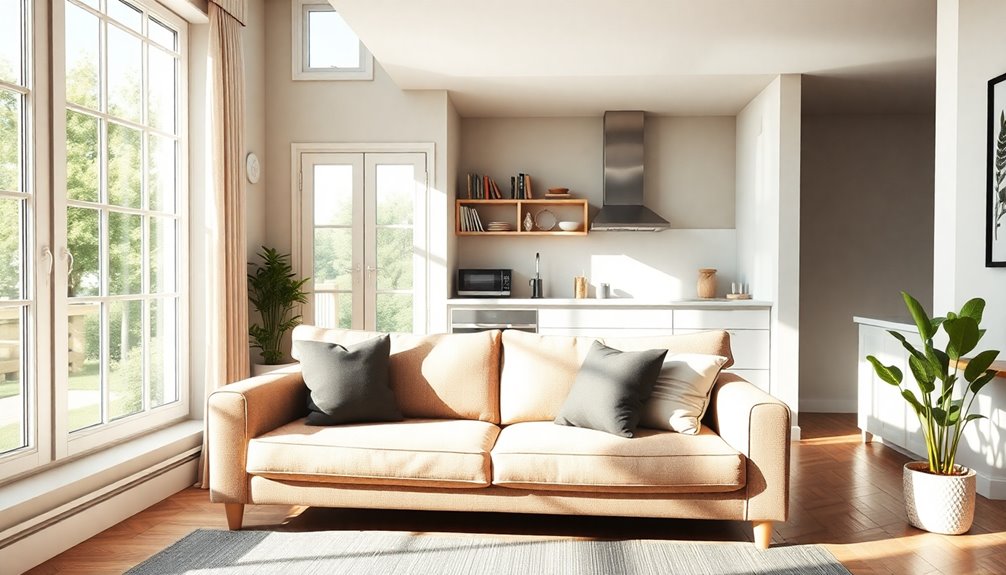
Many people assume that bigger homes mean better living, but the “Not So Big House” philosophy challenges that idea. This approach emphasizes smaller homes that prioritize quality over quantity, enhancing your everyday experiences.
By choosing well-designed spaces, you maximize functionality and comfort while embracing personalized living that reflects your unique lifestyle. Smaller homes promote sustainable living, as they require fewer resources, reducing your environmental footprint. Additionally, modular homes are typically 10-20% cheaper than traditional homes, making them an appealing option for those seeking to downsize.
You’ll find that investing in thoughtful design not only supports financial freedom but also alleviates the stress of maintaining excess space. The “Not So Big House” encourages you to create intimate, community-oriented environments that truly enrich your life, proving that a smaller home can lead to a more fulfilling living experience.
The Financial Benefits of Downsizing Your Home
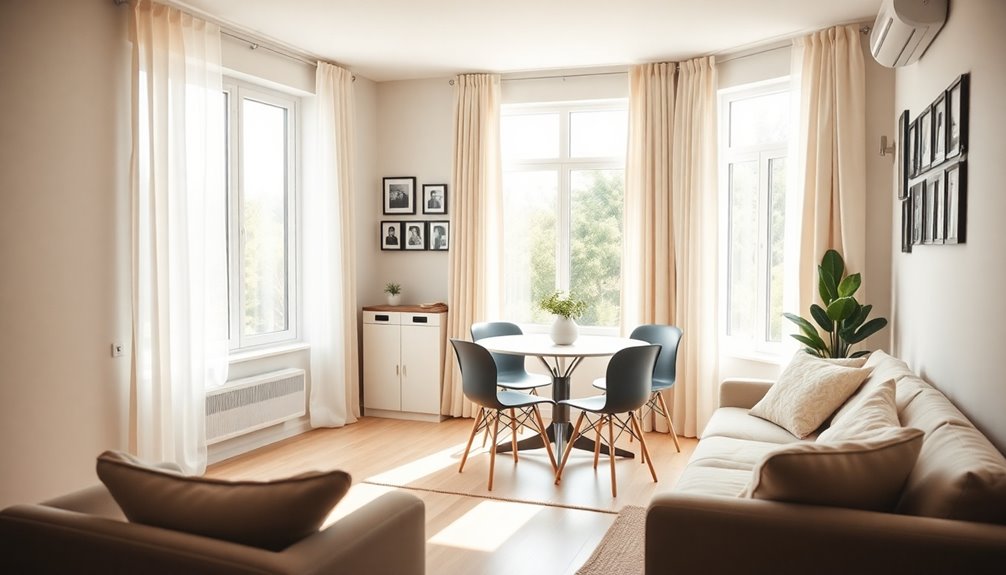
Here are some key advantages of moving to a smaller home:
- Lower mortgage and utility costs – Smaller homes typically mean reduced monthly payments, leading to greater financial freedom.
- Reduced maintenance expenses – With fewer resources required for upkeep, you can save on heating, cooling, and repairs.
- Quality over quantity – Downsizing may allow you to afford higher-quality materials and personalized finishes.
- Invest in sustainable living – Freeing up financial resources lets you explore options that help reduce your environmental footprint and improve your financial health.
- Enhanced energy efficiency – Downsizing often results in a more efficient energy consumption due to the smaller space needing less heating and cooling, further contributing to long-term savings.
Embracing affordable housing can truly transform your financial landscape.
How Do Smaller Spaces Foster a Sustainable Lifestyle?
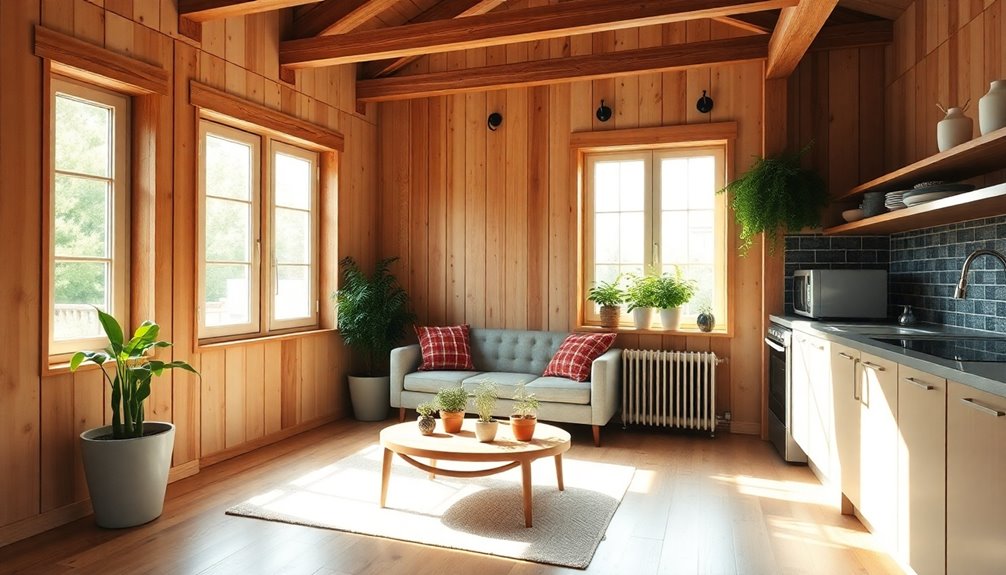
Downsizing your living space naturally leads to a more sustainable lifestyle, as smaller homes require fewer resources for construction and ongoing maintenance.
By embracing intentional living, you focus on what truly matters, eliminating excess space and promoting a simpler, more fulfilling existence.
Smaller homes often utilize eco-friendly materials and energy-efficient appliances, considerably reducing your environmental footprint. This efficiency not only enhances your living experience but also aligns with sustainable living principles.
Additionally, lower mortgage and utility costs free up funds for experiences that enrich your life, supporting your journey toward financial independence.
Ultimately, smaller homes foster a mindset of minimalism and responsibility, making sustainability an integral part of your daily routine. Tracking spending provides insights into finances, helping you allocate funds more effectively towards sustainable practices.
Quality Over Quantity: Rethinking Home Design
When you rethink home design, focusing on quality over quantity can transform your living experience.
By utilizing intentional spaces and making sustainable choices, you create a home that truly reflects your personal preferences.
This approach not only enhances your daily life but also fosters a deeper connection to your environment. Additionally, incorporating sustainable materials into your landscaping can create an eco-friendly outdoor space that complements your home.
Intentional Space Utilization
Rethinking home design means embracing intentional space utilization, where quality trumps quantity.
In small spaces, you can create a meaningful living environment that fosters intentional living while promoting financial freedom. Here are four ways to achieve this:
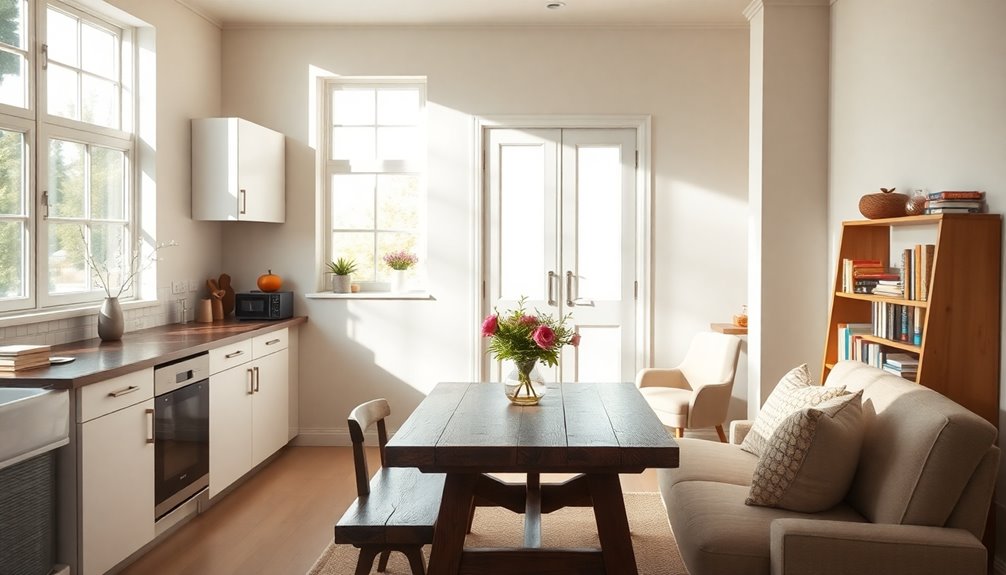
- Design multi-functional spaces: Combine areas like the kitchen and dining room for efficiency.
- Invest in quality design: Use durable materials that enhance beauty and sustainability.
- Prioritize intimacy: Smaller homes lead to closer connections and a cozy atmosphere.
- Reduce excess belongings: Focus on what truly matters, aligning with eco-friendly values.
Sustainable Design Choices
Embracing sustainable design choices not only enhances your living space but also aligns with a commitment to environmental stewardship.
By opting for smaller homes, you notably reduce your environmental footprint while enjoying a more intimate and comfortable living experience. This approach prioritizes quality craftsmanship and efficient use of materials, leading to well-designed spaces that promote functionality over sheer size.
Sustainable design principles encourage multi-functional areas, allowing you to maximize your home’s utility and embrace a minimalist lifestyle. As you invest in thoughtful design rather than expansive square footage, you pave the way for financial freedom, enjoying lower mortgage, utility, and maintenance costs.
Choose to design for sustainability, and you’ll reap both personal and financial rewards.
Prioritizing Personal Preferences
A shift in perspective can transform how you view your living space, emphasizing personal preferences over sheer size. By prioritizing personal preferences, you can achieve greater livability and financial freedom through smaller homes.
Consider these key points:
- Quality Over Quantity: Invest in features that enhance your daily life instead of just filling space.
- Multi-Functional Spaces: Design rooms that serve multiple purposes, maximizing your square footage.
- Intimacy and Maintenance: Smaller homes promote a cozy atmosphere and are easier to maintain.
- Reflect Your Lifestyle: A well-designed home should mirror your unique needs and activities.
The Emotional Freedom of Living in a Tiny House
Living in a tiny house can transform your emotional landscape by embracing minimalist living. You’ll find that reducing clutter not only lightens your space but also your mind, allowing you to focus on what truly matters. Plus, with a smaller home, you can strengthen personal connections and enjoy a more relaxed lifestyle free from the stress of excessive maintenance. Additionally, adopting a frugal lifestyle can enhance your overall satisfaction by prioritizing experiences over possessions.
Embracing Minimalist Living
While many people find themselves burdened by the weight of excess possessions, choosing a tiny house can lead to emotional freedom and a more intentional lifestyle.
Embracing minimalist living allows you to focus on what truly matters, providing numerous benefits:
- Prioritizing Essentials: Downsizing helps you identify and keep only what you need.
- Lower Financial Burdens: A small space reduces expenses, paving the way for financial freedom.
- Reduced Environmental Footprint: Tiny houses consume fewer resources, aligning with sustainable living.
- Emotional Catharsis: Decluttering fosters a deeper appreciation for your belongings and enhances your living experience.
Strengthening Personal Connections
Choosing to downsize into a tiny house not only transforms your physical space but also deepens your relationships with the people who matter most.
Tiny living encourages you to prioritize personal connections over material possessions, allowing for more quality time with loved ones. The emotional freedom that comes from decluttering creates a renewed appreciation for what truly matters in life.
Living in a close-knit community fosters community engagement, making it easier to build meaningful interactions with neighbors. With less space, you focus on intentional relationships that strengthen bonds and enhance your emotional well-being.
As you minimize distractions, you gain mental clarity, enabling you to nurture connections and pursue financial freedom while embracing a simpler, more fulfilling lifestyle.
Reducing Stress and Clutter
As you embrace tiny house living, you’ll likely discover that reducing stress and clutter goes hand in hand with emotional freedom. Downsizing your space can lighten your financial burdens and free up resources for experiences that truly matter.
Here are four ways minimalism enhances your well-being:
- Decluttering: Letting go of unnecessary possessions provides emotional relief and a sense of liberation.
- Simplified Living: Smaller spaces eliminate distractions, allowing you to focus on what truly matters.
- Mindfulness: Embracing minimalism encourages intentionality in your daily life and relationships.
- Satisfaction: Learning to appreciate simplicity enhances feelings of happiness and fulfillment.
In this way, tiny house living reduces stress, promotes emotional well-being, and transforms your relationship with clutter.
Practical Savings: Lower Maintenance and Utility Costs
Downsizing to a smaller home can greatly lower your utility and maintenance costs, making it a smart financial move.
With reduced square footage, you’ll spend less on heating, cooling, and electricity, resulting in significant utility savings.
Reduced square footage leads to lower heating, cooling, and electricity costs, delivering substantial utility savings.
Smaller homes also require less maintenance, which means lower expenses for repairs and upkeep. In fact, the average maintenance cost for a smaller home can be about 25-30% lower than that of a larger one.
This allows you to reallocate funds in your budget, giving you more financial flexibility.
By downsizing, you not only minimize monthly housing expenses but also free up resources for experiences and passions that enhance your quality of life.
Embrace the financial savings that come with a smaller space! Additionally, heating a smaller home with a heat pump can be more cost-effective compared to oil heating, further contributing to your savings.
Craftsmanship and Functionality in Smaller Homes
While many might assume that smaller homes compromise on style or quality, they actually highlight craftsmanship and functionality in impressive ways. Here’s how:
- Quality Materials: Builders focus on high-end materials and detailed finishes, enhancing the aesthetic and longevity of your space.
- Multi-Purpose Furniture: Smaller homes encourage innovative furniture solutions, maximizing usability without sacrificing comfort.
- Financial Savings: Reduced square footage means fewer resources needed for construction and maintenance, leading to substantial savings.
- Lower Environmental Footprint: By minimizing size, you contribute to a sustainable lifestyle, using fewer resources overall.
Additionally, premium materials used in smaller home construction can reflect a commitment to durability and ethical practices, much like the focus seen in brands like Banana Republic.
Embracing these elements, smaller homes not only offer a practical approach to living but also foster a deeper connection among inhabitants through thoughtful design and intentional spaces.
Creating a Personalized Living Experience in Less Space
Creating a personalized living experience in less space allows you to focus on what truly matters in your home. When you downsize, you can prioritize intimacy and comfort, fostering deeper connections with loved ones.
A smaller space encourages efficient use of space, transforming rooms to serve multiple purposes, enhancing livability. You’ll find that less square footage doesn’t mean sacrificing style; instead, it opens up opportunities for personalized finishes that reflect your unique lifestyle.
By embracing a simpler lifestyle, you not only reduce maintenance costs but also gain financial freedom to invest in meaningful experiences rather than excess. Additionally, adopting energy-saving habits can further enhance your financial freedom by reducing utility costs.
Embracing simplicity not only cuts costs but also frees up resources for enriching life experiences.
Ultimately, this approach promotes mindfulness, allowing you to appreciate essential belongings and create a fulfilling, sustainable living environment.
Navigating the Transition: Tips for Downsizing Successfully
As you commence on the journey of downsizing, it’s essential to approach the change with a clear plan and a positive mindset. Here are some tips to navigate the transition successfully:
- Create an Inventory: List your belongings to identify essentials versus items for sale or donation.
- Set a Timeline: Establish deadlines for decluttering to keep yourself motivated and on track.
- Seek Professional Help: Consider hiring organizers or estate sale services to ease the emotional burden and provide expertise.
- Embrace Multi-Functional Furniture: Use smart storage solutions to maximize comfort and functionality in your small home. Utilizing creative use of existing furniture can enhance your space while saving money.
Conclusion
Imagine your life as a sailboat, gliding effortlessly over calm waters. By downsizing, you’re trimming the sails, shedding unnecessary weight, and embracing freedom. The “Not So Big House” philosophy invites you to navigate the seas of simplicity. With less clutter, you can explore new horizons, enjoying the treasures of financial stability and emotional peace. So, set your course towards a smaller space, and let the winds of change carry you to a more fulfilling life.