
 0
 0
Understanding how and why we spend money starts with a simple observation: most purchases are shaped less by a careful budget than by needs, emotions, social cues, and even how a payment feels. Researchers in psychology and economics have studied these forces for years, and recent work points to patterns your family can use. This guide explains the main drivers of spending, what the evidence shows and where it falls short, and practical steps to spend with more intention.
Key Takeaways
- Digital payment systems lower the psychological barrier to spending, and impulse buying partly explains why people spend more when paying digitally, according to a 2025 study in Behavioral Sciences.
- Research indicates that spending money on other people tends to produce more happiness for the spender than spending on oneself.
- A 2023 study in the British Journal of Social Psychology found that well-being was tied to satisfying intrinsic goals such as affiliation or self-growth, not simply to whether a purchase met a goal.
- Across 22 OECD countries, consumer confidence strongly affected discretionary spending but not unavoidable spending on food, health, housing, and energy.
Understanding How and Why We Spend Money
Most spending comes from a mix of necessity, desire, emotion, and environment. Necessities such as groceries, housing, and utilities are relatively fixed, while discretionary purchases like takeout, clothing, and gadgets respond much more to mood, marketing, and confidence about the future. Knowing which category a purchase falls into is the first step toward understanding it.
Needs Versus Wants
A need is something your household requires to function, such as food, shelter, transportation to work, and necessary medical care. A want is anything that improves life but could be delayed or replaced without serious harm. The line blurs quickly, because a want can feel like a need in the moment, which is why many families find it useful to write their categories down.
Emotions and Impulse Buying
Impulse buying is an unplanned purchase made in the moment, often triggered by mood, convenience, or a sale. Stress, boredom, and tiredness can all make it harder to pause before buying. Recognizing your personal triggers, such as shopping after a hard day or browsing retail apps at night, gives you a point at which to intervene.
How Do Digital Payments Change Spending?
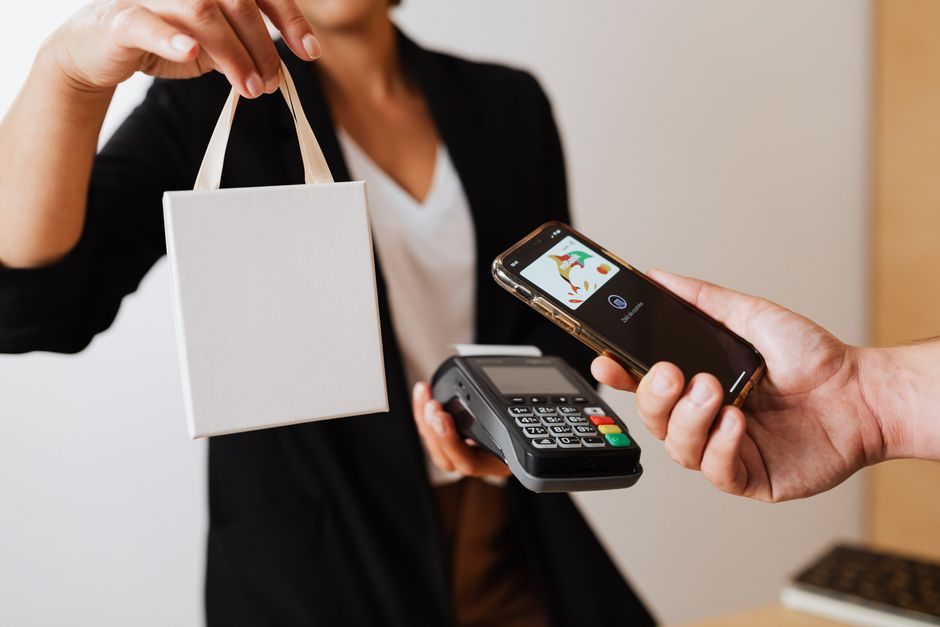
Digital payments make spending feel less painful, which can lead to larger or more frequent purchases. A 2025 study in Behavioral Sciences by Faraz and Anjum, titled Spendception: The Psychological Impact of Digital Payments on Consumer Purchase Behavior and Impulse Buying, found that digital payment systems lower the psychological barrier to spending. The authors also reported that impulse buying partly explains why people spend more when paying digitally.
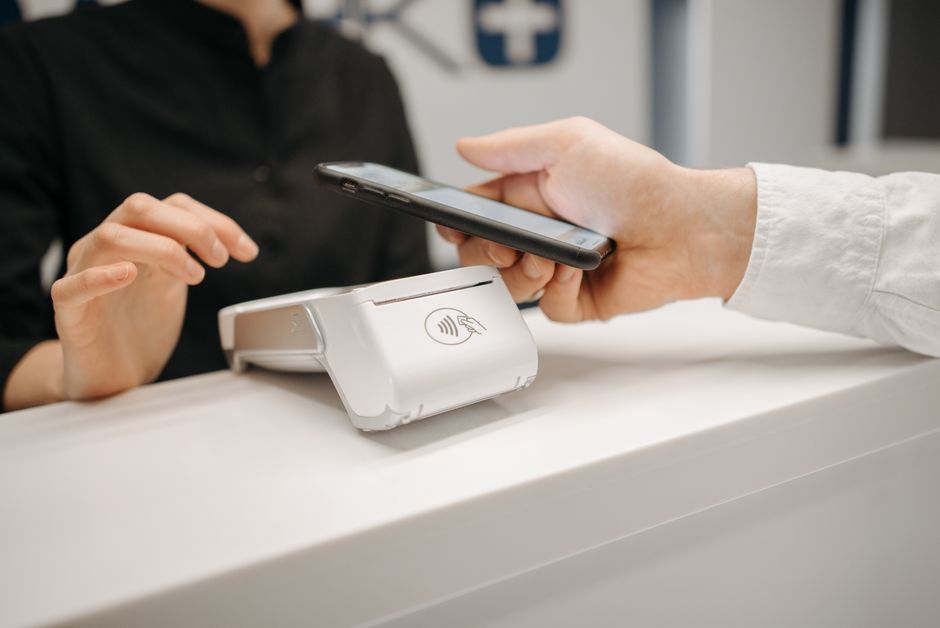
When you tap a card or click buy in an app, no cash leaves your hand, so the cost often feels abstract. Cash makes each payment visible. This does not mean cards are bad tools; it means their convenience works against you when you are not tracking totals.
Practical Ways to Slow Digital Spending
Small friction can restore some of the pause that cash provides. Try these habits:
- Remove saved card details from shopping apps and browsers.
- Use a 24-hour rule for any purchase above an amount you set in advance, such as 50 dollars.
- Check your bank app weekly and label each category so spending becomes visible.
Does Spending Money Make Us Happier?
Spending can increase happiness, but the type of spending and the reason behind it matter more than the amount. Research suggests that spending on other people often gives the spender more happiness than spending on oneself. A study in Humanities and Social Sciences Communications, a Nature journal, on how spending decisions shape happiness in everyday life reports this pattern, though happiness in such studies is usually measured through self-reports.
Intrinsic Goals Versus Purchase Goals
A 2023 study in the British Journal of Social Psychology, Beyond experiential spending: Consumers report higher well-being from purchases that satisfy intrinsic goals, reported two studies linking well-being to satisfying intrinsic goals such as affiliation or self-growth. Well-being was not simply tied to whether a purchase met a particular goal. The authors argue that research should focus on who is spending and why.
For a family, this suggests asking what a purchase is meant to do. A class that helps a child build a skill or a dinner that brings relatives together may serve deeper goals than a product that promises status. These findings do not guarantee a happier household, and the research is still developing.
How Does Economic Confidence Affect Spending?
Consumer confidence affects discretionary spending much more than essential spending. A study on consumer confidence and subjective well-being in PubMed Central covered 22 OECD countries and found that confidence strongly affected discretionary categories but not unavoidable ones such as food, health, housing, and energy. This is useful to know when economic headlines turn gloomy and you feel pressure to change your habits.
| Spending type | Examples | Confidence effect in the study | Family budgeting tip |
|---|---|---|---|
| Discretionary | Restaurants, entertainment, electronics, travel | Strongly affected | Set a monthly fun budget and review it when money worries rise |
| Unavoidable | Food, health care, housing, energy | Not affected in the study | Plan these first and compare prices, since they still deserve attention |
Unavoidable does not mean unchangeable. You can still lower grocery or energy costs through planning, though the study did not find confidence changing these categories.
How Can You Spend With More Intention?
You can spend more intentionally by tracking real purchases, setting category limits, and adding a pause before discretionary buys. These steps target the drivers described above: visibility, emotion, and purpose. Start with one or two and build from there.
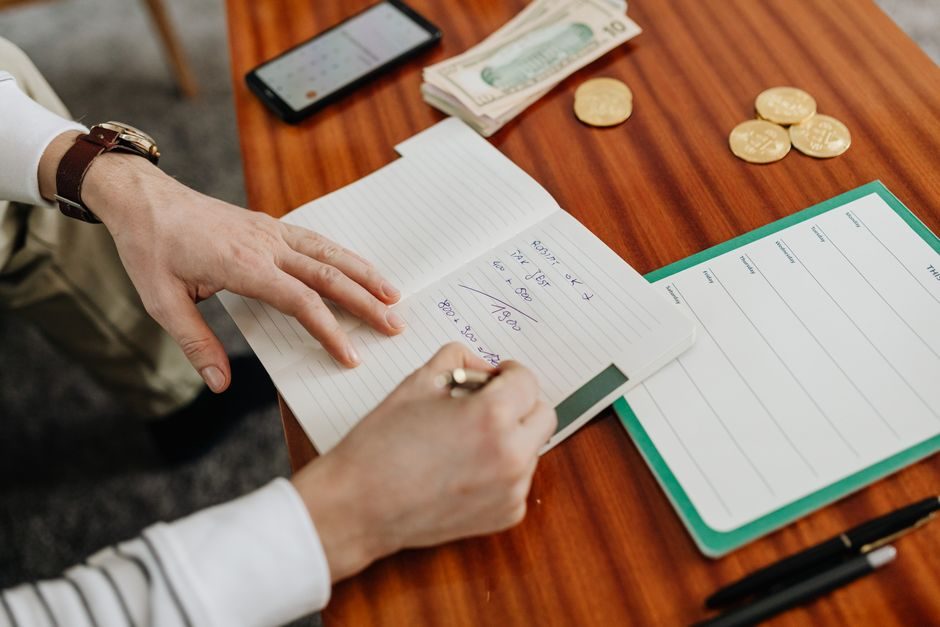
- Track every purchase for 30 days. Record amounts and categories, including small digital purchases, to see your actual pattern.
- Set category limits. Decide how much your family can spend on dining out, entertainment, and shopping each month. A 50/30/20 budget calculator can help you split take-home pay into needs, wants, and savings as a starting point.
- Pause before buying. Wait 24 to 48 hours before nonessential purchases, and ask whether the item supports a goal you care about.
- Choose spending that builds connection or skills. Plan low-cost activities that bring people together, which fits the happiness research described above.
- Review monthly. Compare actual spending to your limits and adjust without blame.
For more everyday ideas, read Frugal Living 101 tips for saving money every day, which covers small habits that add up over a year.
When Should Spending Be a Health Concern?
Spending becomes a concern when it causes distress, debt, or a loss of control, especially when you keep buying despite wanting to stop. Compulsive buying, sometimes called shopping addiction, is a pattern of repeated, hard-to-control purchasing that can overlap with anxiety and depression. Consider speaking with a professional if several of these signs sound familiar:
- You regularly spend more than you intend, even after setting limits.
- You hide purchases, packages, or receipts from family members.
- You feel strong urges to buy, followed by guilt or anxiety.
- You borrow, use credit, or skip bills to keep spending.
- Spending affects your sleep, work, or relationships.
If you recognize several of these signs, talk with your primary care doctor or a licensed mental health professional. Cognitive behavioral therapy is one approach a clinician may consider for impulse-control problems, though the evidence for specific treatments for compulsive buying is still limited. If debt is the main concern, a nonprofit credit counselor can review your options, often at little or no cost.
Frequently Asked Questions
Why do I spend money when I am stressed?
Stress can push people toward quick rewards, and shopping offers short-term relief for many. This pattern is common, but triggers vary from person to person. Try naming the feeling before you buy and choosing a non-spending alternative, such as a walk or a call with a friend. If shopping is a regular way you cope, talk with a clinician.
Is paying with a card really more expensive?
Not by itself, since a card adds no cost when you pay the full balance on time. The research discussed here suggests digital payments can increase spending because they reduce the feeling of paying. Cards can still be useful if you track totals closely. Interest on carried credit card balances, however, can make purchases much more expensive.
Does spending on experiences make people happier than buying things?
The research summarized here points more to the purpose behind a purchase, such as connection or growth, than to the category alone. Experiences often meet those goals, but a physical item can also do so. Most of this work relies on surveys and experiments, so it shows patterns rather than guaranteed outcomes.
How much should a family spend on wants?
There is no universal number, because the right amount depends on income, debt, location, and savings goals. Budget frameworks such as 50/30/20 suggest about 30 percent of take-home pay for wants as one starting point. Adjust that figure based on your essential costs and what your family needs to save.
When should I talk to a professional about my spending?
Talk to a doctor or licensed therapist if you keep overspending despite trying to stop, hide purchases, or feel distressed about your habits. A nonprofit credit counselor can help if debt is growing. Early support can make changes easier to sustain over time.
Conclusion
Understanding how and why we spend money gives you a practical advantage: you can see the forces behind your purchases and respond with intention. Start by tracking spending, pausing before discretionary buys, and asking what each purchase is meant to do for your family. If spending feels out of control, reach out to a qualified doctor or therapist for support.
This article is general information, not financial advice. Prices and deals change: check current terms before you buy. Read our financial disclaimer and editorial policy.




Average Rating