 0
0
 0
0
If your roof’s leaking around an extra-large exhaust duct, it’s likely due to worn flashing or a damaged boot. Check for cracks or gaps where water might enter. Start by cleaning the area and removing old caulk. Apply fresh waterproof caulk around the base and consider replacing the vent boot if it’s cracked. Regular inspections are key to preventing future leaks. Keep going to discover more about effective maintenance and repair solutions.
Understanding the Problem
When you notice damp spots or water stains near your exhaust duct, it’s crucial to understand the problem at hand. A leaking roof vent can lead to significant water damage, especially if it’s left unaddressed.
Check for signs of wear around the duct’s flashing or boot, as deterioration over time can create cracks or gaps that allow water intrusion.
Also, watch for damp or moldy insulation in the attic and listen for dripping sounds during rain, which indicate a leak.
Regular inspections can help you spot these issues early, allowing for prompt roof repair. Additionally, utilizing expense tracking tools can assist in managing the costs associated with home repairs effectively.
Common Causes of Vent Pipe Leaks
When it comes to vent pipe leaks, improper installation is often a key factor. If the pipe isn’t sealed correctly or there are gaps, you’re more likely to face issues down the line.
Additionally, weather-related damage from UV exposure and harsh conditions can lead to cracks or splits, making your vent pipe vulnerable. Regular maintenance and expense tracking tools can help you identify and address potential issues before they become significant problems.
Improper Installation Issues
Improper installation issues can lead to frustrating leaks in your exhaust duct system. If your vent pipe isn’t sealed properly at the base, water entry is all but guaranteed during rain or snow.
Inadequate flashing or missing shingles can create weak points where water seeps in, causing damage inside your home. Additionally, if the vent pipe boot deteriorates due to improper installation, cracks or gaps can worsen the leaking.
Misalignment with the roof slope can also trap water, increasing the risk of leaks. Finally, poor insulation around the vent pipe may lead to condensation, mimicking leak symptoms.
To fix these issues and prevent future leaks, verify proper installation and secure all roofing material around the vent pipe.
Weather-Related Damage
Weather-related damage can considerably impact the integrity of your vent pipes, leading to frustrating leaks. Understanding these common causes can help you fix the issue before it escalates:
- Heavy rains can break seals or crack materials, inviting water intrusion.
- Old caulk may degrade over time, failing to seal gaps properly.
- Temperature fluctuations can cause materials to expand and contract, resulting in splits.
- Falling debris, like branches or hail, can dent or fracture vent pipes.
- Poorly installed flashing can allow water penetration, particularly during snowmelt.
Regular inspections of your roofing and vent pipes will help you catch potential problems early, preventing costly repairs and ensuring your home stays safe and dry.
Signs of a Leaking Vent Pipe
If you notice damp or moldy insulation in your attic, it could signal a leaking vent pipe. Keep an eye out for visible damage, like cracks or gaps around the vent’s flashing, which can lead to serious issues. Addressing these signs quickly can help prevent further water damage in your home. Additionally, timely payments for necessary repairs can prevent financial strain and ensure your home remains safe and comfortable.
Damp Insulation Indicators
How can you tell if your vent pipe is leaking? One of the most telling signs is damp insulation in your attic. This occurs when moisture from a leaking vent pipe saturates the insulation material.
Here are some indicators to watch for:
- Dripping sounds during rain
- Musty odors in upper levels
- Water stains on ceilings or walls
- Visible cracks or gaps in flashing or boot
- Prolonged moisture exposure leading to mold growth
If you notice any of these signs, it’s essential to take action.
Addressing damp insulation not only helps fix the leaking vent pipe but also allows you to apply roof sealant to prevent future leaks.
Keep your home safe and dry!
Visible Damage Signs
Visible damage signs can reveal a lot about the state of your vent pipe. Look for visible cracks or gaps around the flashing or boot; these are clear indicators of potential leaks.
If you notice water stains on ceilings or walls near the vent pipe location, that’s a strong sign of moisture intrusion. Damp or moldy attic insulation can also suggest that water is seeping in, leading to musty odors in upper levels of your home.
Listen for dripping sounds from the attic during rain, as this often indicates water entering through a compromised vent pipe.
Verify your roofing nails are secure and that the area around the vent pipe has a clean surface to prevent further damage to your roof sheathing.
Preparing for the Vent Repair
Before you immerse yourself in fixing that leaking exhaust duct, it’s essential to prepare adequately to guarantee a smooth repair process.
Start by gathering all necessary materials and ensuring your workspace is safe. Here’s what you need to do:
Gather all necessary materials and ensure a safe workspace for a smooth repair process.
- Inspect the vent pipe for visible cracks or damage.
- Gather waterproof caulk, a new vent boot, and roofing cement.
- Use a sturdy ladder and wear appropriate footwear for safety.
- Clear any debris from around the roof vents to create a clean workspace.
- Check the weather forecast and plan to work on a dry day.
Additionally, consider using a user-friendly interface to document your repair process, which can enhance your overall project management.
Taking these steps will help you tackle the repair effectively and minimize the chances of future leaks.
Step-by-Step Rooftop Vent Repair Process
To effectively repair your leaking rooftop vent, start by thoroughly cleaning the vent pipe. Remove any old caulk or sealant to guarantee a proper bond for the new materials.
Next, inspect the vent pipe and surrounding area for visible damage, like cracks or gaps in the flashing or rubber boot that could lead to leaks. Smooth out any rough edges on the vent pipe to help the new sealant adhere better.
Afterward, apply a generous amount of new caulk around the base of the vent pipe to create a watertight seal, covering all gaps thoroughly.
If you notice significant wear, consider installing a replacement rubber boot or gasket and seal the edges to enhance protection against future leaks. Additionally, maintaining regular financial discipline can help you allocate funds for necessary home repairs and improvements.
Maintaining Your Rooftop Vent Pipes
While maintaining your rooftop vent pipes might seem like a chore, regular inspections and upkeep can save you from costly repairs down the line.
Regular maintenance of your rooftop vent pipes may seem tedious, but it prevents expensive repairs in the future.
To keep your vent pipes in top shape, follow these essential maintenance tips:
- Regularly inspect your vent pipes at least twice a year for wear and visible cracks.
- Keep the roof and vent pipes clear of debris to prevent damage.
- Reapply sealant around the base to maintain a watertight seal.
- Look for visible cracks or gaps in the flashing or boot during inspections.
- Conduct thorough checks after severe weather or temperature fluctuations.
- Incorporating a budgeting app can help you manage the costs associated with home maintenance more effectively.
Temporary and Long-Term Fixes
When you discover a leak in your exhaust duct, knowing how to address it quickly can save you time and money.
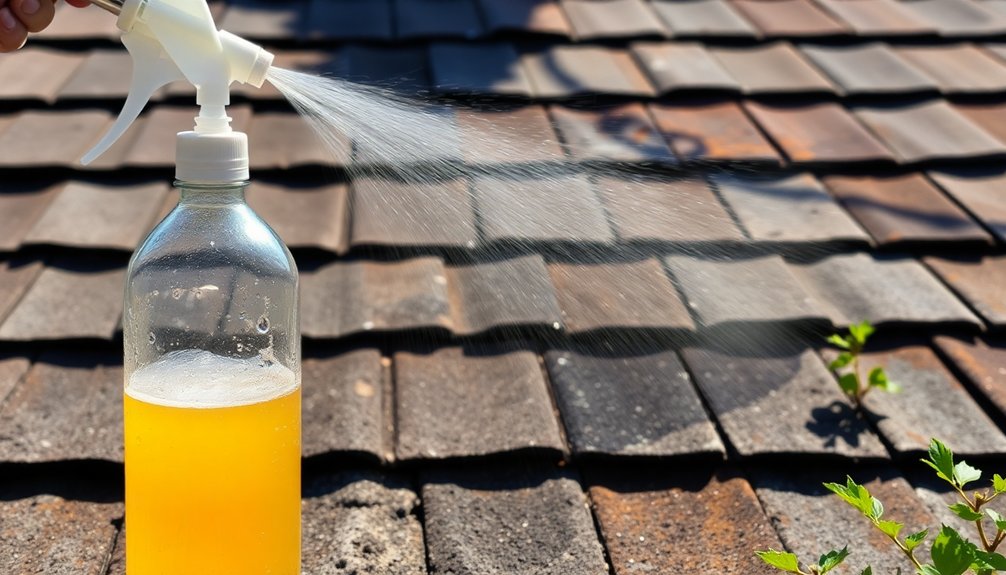
For a temporary fix, apply roofing sealant or tape around the vent pipe’s base to seal any gaps, preventing water entry until you implement a permanent solution. You can also use a repair kit from a home improvement store for minor leaks, ensuring the area is dry for adhesion.
For lasting results, consider replacing the old pipe boot, which reduces future leak risks. Regular inspections of the vent and shingles are essential; catching wear early can prevent leaks from worsening. Utilizing custom notifications can help you stay on top of maintenance schedules for your home’s exhaust system.
Using high-quality materials like neoprene and washer screws can enhance your repair’s durability and effectiveness.
Conclusion
Fixing a leaking extra-large exhaust duct might seem intimidating, but you’ve got the tools and knowledge to tackle it. Don’t let fear stop you—most leaks can be resolved with a little patience and the right approach. Remember, regular maintenance is key to preventing future issues. By staying proactive, you’ll save time and money in the long run. So roll up your sleeves and take charge; your roof will thank you for it!