
 0
0
 0
0
Creating a garden binder helps you stay organized and save money. You can track planting schedules, manage your inventory, and log maintenance activities. Include sections for budgeting and inspiration to streamline your gardening process. Use creative planting calendars and color-coding for easy reference. Don’t forget to personalize your binder with fun designs and themes that reflect your style. Explore more ideas to elevate your gardening experience and make your binder truly your own.
Why You Need a Garden Binder for Organization
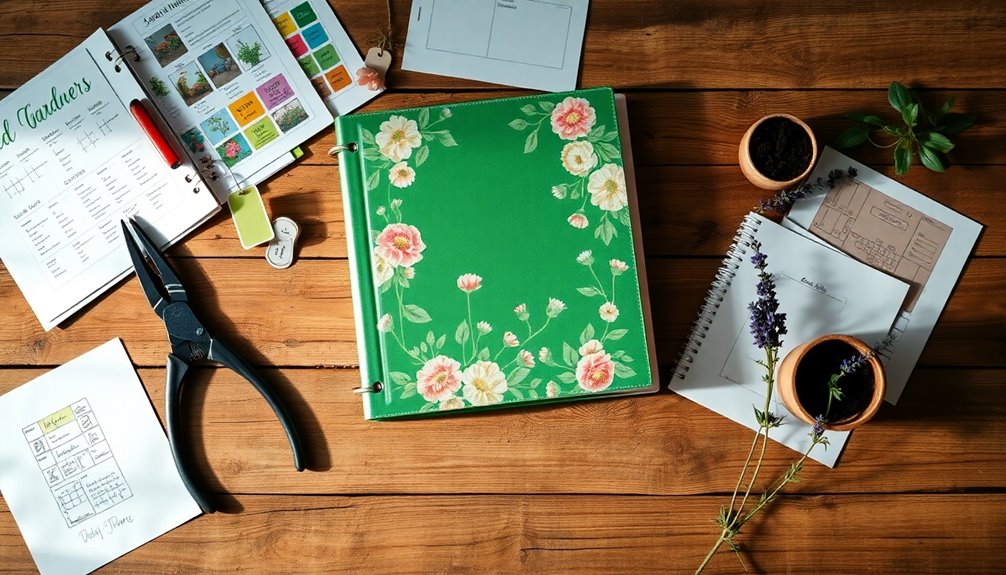
If you want to keep your gardening projects on track, a garden binder is essential for organization. It streamlines your garden planning, allowing you to easily track what you’ve planted, where, and when.
With a dedicated space for notes, sketches, and schedules, you won’t have to sift through piles of papers or scroll through endless digital files. The organizational benefits are immense; you can quickly reference past seasons, adjust your strategies, and avoid repeating mistakes.
Plus, having everything in one place saves you time and stress, letting you focus on what truly matters—growing your garden. Investing in a garden binder is just like budgeting and saving for your financial future; it helps you allocate resources wisely and see better results. You’ll wonder how you ever managed without it!
Essential Sections to Include in Your Garden Binder
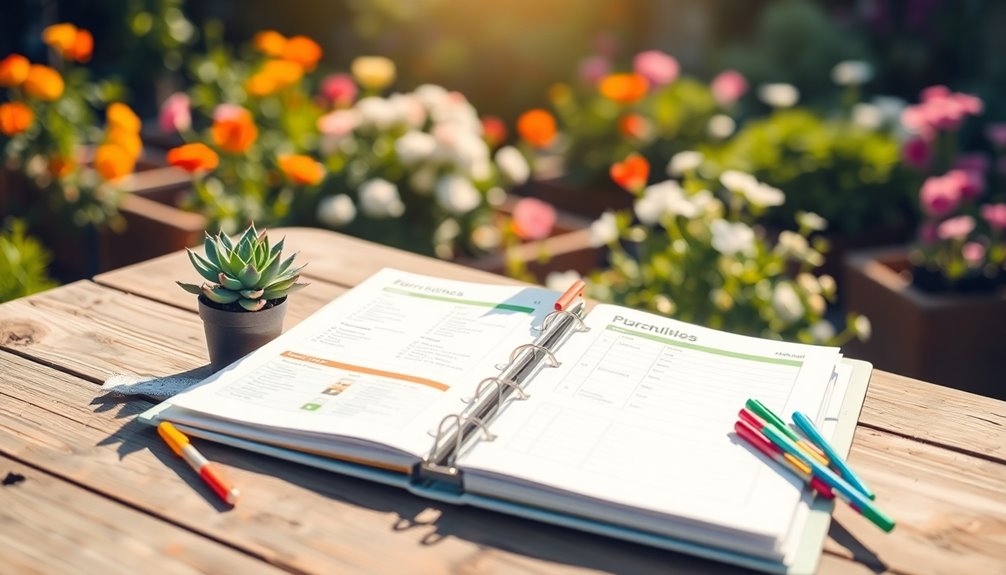
To make your garden binder truly effective, you’ll want to include a few key sections.
A planting schedule and calendar will keep you on track, while an inventory of supplies guarantees you have everything you need. Don’t forget to add your garden design ideas to inspire your next planting season! Additionally, consider incorporating budget-friendly cooking tips to maximize your gardening efforts and resources.
Planting Schedule and Calendar
A well-organized planting schedule and calendar can make all the difference in your gardening success. By mapping out when to plant each variety, you’ll optimize your efforts and guarantee your garden flourishes.
Include key information about planting techniques that work best for your crops, whether you’re starting seeds indoors or sowing directly in the ground.
Don’t forget to integrate seasonal adjustments; weather can change your plans. Track frost dates, rainfall patterns, and other climate conditions to help you make informed decisions.
Use your calendar to note when to start seeds, transplant, and harvest, creating a visual guide that keeps you on track. This proactive approach will save you time and improve your gardening results markedly.
Inventory of Supplies
After setting up your planting schedule, it’s time to focus on what you’ll need to bring your garden to life.
Start by creating an inventory of supplies, which is vital for efficient supply sourcing. List all your gardening tools, seeds, and seasonal supplies, making sure you know what you have and what you need.
Use inventory tracking to keep tabs on your stock levels and avoid last-minute runs to the store. Incorporate budgeting strategies to help manage your expenses, allowing you to prioritize essential items.
Don’t forget to include a section for tool maintenance; regularly checking your equipment helps extend its life and guarantees you’re always ready for planting.
Staying organized will make your gardening experience smoother and more enjoyable.
Garden Design Ideas
While planning your garden, having a dedicated section for design ideas in your binder can spark creativity and organization.
Start by exploring various landscape styles that resonate with you, whether it’s modern minimalism or cottage charm. Include color schemes that complement your outdoor aesthetics and consider plant pairings that thrive together.
Document garden themes that reflect your personality, like a wildlife attraction or a sustainable practices focus.
Don’t forget to add ideas for seasonal blooms to guarantee year-round beauty.
If you’re into container gardening, list suitable native plants that flourish in pots.
This way, you’ll have an extensive resource to inspire your garden design and keep your vision on track.
Creative Ideas for Planting Schedules and Calendars
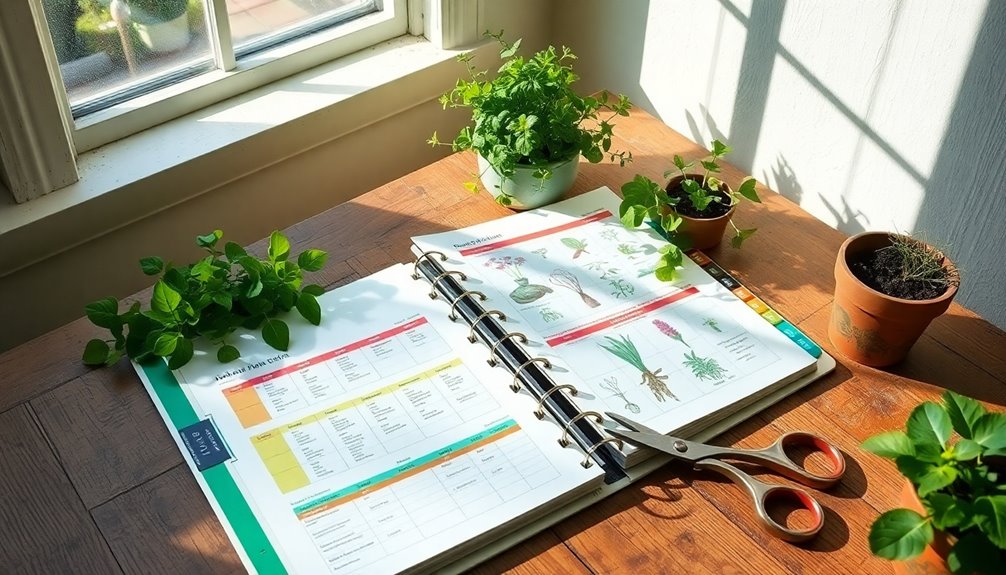
When planning your garden, having a clear planting schedule can make all the difference.
You’ll want to create a seasonal planting calendar, a weekly care schedule, and a crop rotation planner to keep everything on track. These tools will help you maximize your garden’s potential and simplify your tasks throughout the year. Additionally, tracking spending on supplies can further enhance your gardening experience while staying within budget.
Seasonal Planting Calendar
Creating a seasonal planting calendar can transform your gardening experience, making it easier to plan and enjoy your garden’s growth.
Start by identifying your planting zones, as this will guide you in selecting the right seasonal crops for your area. You can use a simple chart to mark the ideal planting times for each crop, ensuring you’re planting at the right moment.
Include notes on frost dates, as well as when to start seeds indoors versus outdoors. Color-coding your calendar can help you visualize which plants thrive together and when to rotate them.
This organized approach not only saves time but also maximizes your garden’s potential, making every season a rewarding experience.
Weekly Care Schedule
After establishing your seasonal planting calendar, the next step is to create a weekly care schedule that keeps your garden thriving.
Start by listing your weekly tasks for each plant type, including watering, fertilizing, and pruning. You can use a simple calendar or a digital app to track these tasks easily.
Consider grouping similar plant care activities to save time and guarantee consistency. For instance, designate one day for watering and another for fertilizing.
Remember to check for pests and diseases regularly, adding these checks to your schedule.
A well-structured weekly care schedule not only keeps you organized but also enhances your plants’ health and yield, making your gardening experience more enjoyable.
Crop Rotation Planner
To maximize your garden’s productivity and health, a well-thought-out crop rotation planner is essential. By understanding crop rotation benefits, you can improve soil fertility, reduce pests, and enhance your yields.
Start by mapping out your garden space, noting what you planted last season. Use simple crop planning techniques to rotate plants with different nutrient needs—like legumes after heavy feeders. This way, you’re not just organizing your garden; you’re fostering a thriving ecosystem.
Create a seasonal calendar to track when to plant and harvest, ensuring you’re always a step ahead. Keep your planner handy, so you can easily adjust as needed.
With a solid crop rotation planner, you’ll cultivate a more bountiful and healthier garden.
Inventory Management: Track Your Tools and Supplies
Keeping track of your gardening tools and supplies can save you time and frustration. By creating an inventory system, you’ll know exactly what you have and what you need.
Start by listing your tools, noting their condition, and scheduling regular tool maintenance to keep everything in working order. This way, you won’t have to scramble when a tool breaks or goes missing.
For supply sourcing, keep a detailed record of your materials, including quantities and expiration dates. This approach helps you avoid overbuying and guarantees you have what you need on hand.
Additionally, consider utilizing advanced receipt scanning technology to digitize your inventory records efficiently, ensuring accurate data management as you track your tools and supplies.
Regularly update your inventory, so you’re always prepared for your gardening tasks without unnecessary delays or surprises.
Budgeting Tips to Save Money on Gardening Supplies
While gardening can be a rewarding hobby, it often comes with a hefty price tag if you’re not careful. To keep costs down, focus on cost-effective gardening techniques.
Start by planning your garden layout and choosing plants suited for your climate; this reduces the need for expensive amendments. Look for sales and discounts at local nurseries or online retailers for frugal supply shopping.
Consider joining gardening groups or community swaps to exchange seeds and tools. You can also make your own compost and pest repellents, which saves money and benefits the environment. Additionally, participating in community resource sharing initiatives can connect you with local gardeners and help you acquire tools or plants at little to no cost.
Inspiration Pages: Collecting Ideas and Designs
As you immerse yourself in your gardening journey, creating inspiration pages can spark creativity and keep your ideas organized.
These pages serve as a canvas for your thoughts, reflecting design trends and seasonal themes. Here are a few ways to make them effective:
- Mood boards: Gather images of color palettes and layout styles that inspire you.
- Plant combinations: Document successful pairings you discover in your research or local gardens.
- Inspiration sources: Clip articles or print photos from magazines to fuel your project planning.
Additionally, incorporating expense tracking features can help you manage your gardening budget effectively.
Maintenance Logs: Keep Track of Your Garden’s Progress
To guarantee your garden thrives, tracking its maintenance is essential. A maintenance log helps you monitor plant growth and adapt to seasonal changes. Start by noting the planting dates, watering schedules, and any fertilizer applications. This way, you can identify what works best for each plant and when adjustments are needed.
Include observations about pest activity or disease symptoms, as these can impact your garden’s health. Regular entries will allow you to recognize trends over time, helping you anticipate needs for future seasons. Additionally, consider documenting your efforts in cabbage preservation methods, as this knowledge can enhance your overall gardening success.
Plus, you’ll build a valuable resource for planning next year’s garden. By keeping a detailed record, you’ll make certain your garden not only survives but flourishes, year after year.
How to Personalize Your Garden Binder for Fun and Function
Personalizing your garden binder can transform it into a vibrant and functional tool that reflects your unique gardening style. To make it truly yours, consider these ideas:
- Personalized covers: Use DIY templates to create a cover featuring your favorite plants or garden themes.
- Creative dividers: Design themed sections with decorative tabs, making it easy to find sections like planting schedules or maintenance logs.
- Fun stickers and inspirational quotes: Add color coding and motivational quotes to keep you inspired while you garden.
Incorporating sections for sustainable gardening techniques can help you track eco-friendly practices and improve your garden’s health.
With these binder embellishments, your garden binder won’t only be organized but also a delightful representation of your passion for gardening!
Conclusion
In wrapping up your garden binder journey, think of it as nurturing a seed into a flourishing plant. By staying organized, tracking your supplies, and budgeting wisely, you’re cultivating not just a garden, but a thriving sanctuary. Let your creativity bloom on those inspiration pages, and watch your gardening dreams take root. With a little personalization, your binder can be as vibrant as your garden. So dig in, and let the organization flourish!