
 0
0
 0
0
To protect your subfloor and enhance the durability of your LVT click flooring, start by ensuring a clean and smooth subfloor. Apply a liquid waterproof membrane and use a snug waterproof underlayment. Seal all click-lock joints with a waterproof seam sealant to prevent water intrusion. Regularly inspect for gaps and clean spills promptly. These steps can help you maintain a healthier living environment. Discover more tips to keep your floors safe and lasting longer.
Why Waterproofing Is Essential for LVT Click Flooring
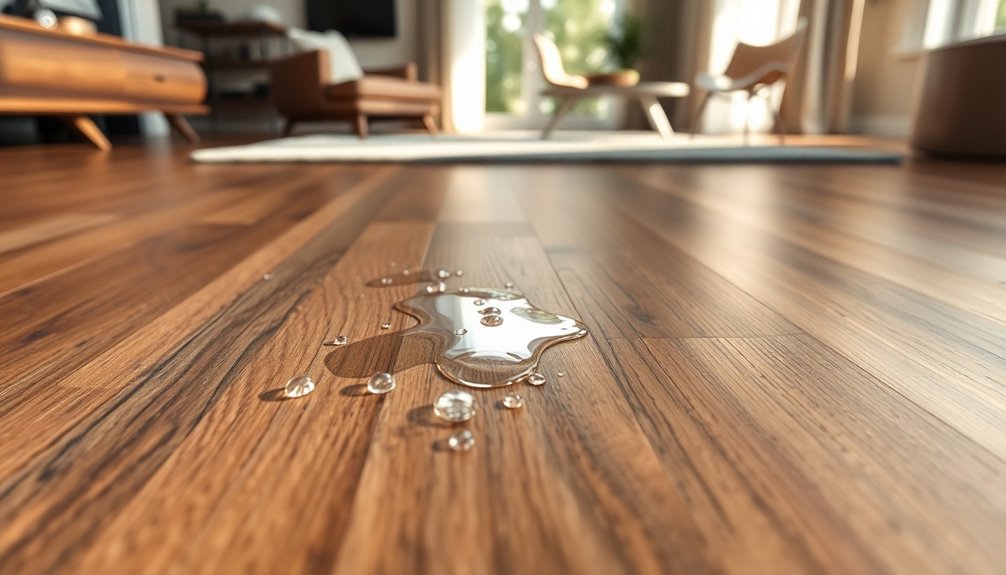
When it comes to LVT click flooring, waterproofing is essential because moisture can wreak havoc on your floors. In areas like kitchens and bathrooms, even minor spills can lead to significant issues.
The click-lock seams, while convenient, can create gaps that allow water to seep in, resulting in costly repairs like swelling and peeling. By investing in waterproofing, you not only protect your floors but also guarantee a healthier living environment by reducing mold growth underneath.
Click-lock seams may be convenient, but waterproofing is crucial to prevent costly water damage and mold growth.
Utilizing waterproof membranes, underlayments, and seam sealants during installation gives you peace of mind, knowing your floors are safeguarded against water penetration. Additionally, selecting the right moisture barrier type based on your environment is crucial for maximizing protection.
Don’t skip waterproofing—it’s a small price to pay for long-term durability and protection against potential damages.
Common Myths About LVT Click Waterproofing
You might think LVT flooring is fully waterproof, but that’s not the whole picture.
Skipping preparation or assuming you can handle waterproofing on your own can lead to costly mistakes down the line.
Let’s explore these common myths and why understanding them is essential for protecting your investment. Additionally, many expense tracking apps can help you manage related costs, such as financial organization for home improvement projects.
LVT Is Fully Waterproof
Many homeowners assume that luxury vinyl tile (LVT) is fully waterproof, but that’s a common misconception.
While LVT is water-resistant, particularly at click-lock seams, water can seep in over time, leading to potential damage.
To truly protect your flooring, make sure you take additional waterproofing steps. Sealing joints and applying a liquid membrane are vital, especially in moisture-prone areas.
Many people mistakenly believe that installing waterproof LVT eliminates the need for extra measures, but that’s not the case.
Skipping waterproofing can lead to costly repairs, as water damage may cause swelling and mold growth beneath the flooring.
Investing in proper waterproofing protocols enhances the longevity and performance of your LVT, preventing future damage and expenses.
Skipping Preparation Is Fine
Although some homeowners believe skipping preparation is acceptable, this myth can lead to serious problems down the line. Ignoring subfloor preparation importance can create gaps in the click-lock seams, allowing water to seep in and cause swelling or peeling over time.
Many think waterproofing is only essential in high-moisture areas, but thorough measures benefit your entire home. The consequences of neglecting proper sealing of joints and seams can undermine even the best waterproofing efforts, letting moisture penetrate beneath the surface.
Don’t forget that uneven subfloors can compromise the integrity of your LVT installation, leading to long-term damage risks. Taking the time to prepare properly will save you from costly repairs later on.
Professional Help Is Unnecessary
Homeowners often assume that professional help is essential for waterproofing LVT click flooring, but that’s a common misconception.
While DIY techniques can effectively waterproof your flooring, many people overlook the importance of thorough preparation. With detailed instructions, you can achieve durable results without breaking the bank.
Plus, the cost savings from avoiding professional services can be significant. Remember, waterproofing isn’t just for high-moisture areas; it enhances safety and longevity throughout your entire home.
Be cautious, though—common mistakes like skipping the sealing of joints and seams can lead to moisture issues. Invest in liquid membranes and sealants now, and you’ll prevent future costly repairs while extending the lifespan of your flooring.
Step-by-Step Guide to Waterproofing Your LVT Click Floors
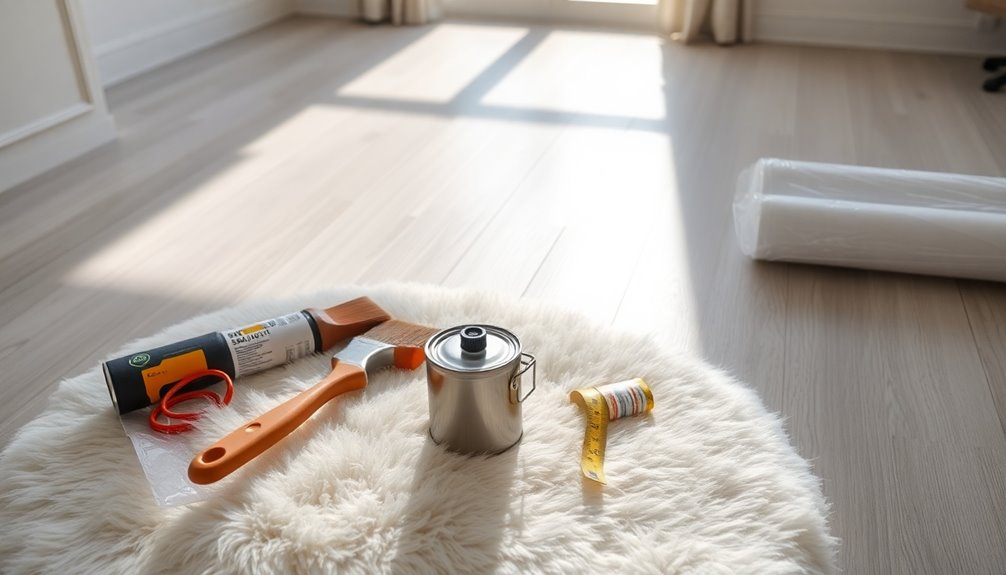
Waterproofing your LVT click floors is essential to protect your investment and guarantee longevity.
Start by preparing the subfloor; make certain it’s clean, smooth, and free of debris. Next, apply a liquid waterproof membrane over the subfloor, allowing it to dry completely to form a solid barrier against moisture.
Then, use a waterproof LVT underlayment that fits snugly without gaps for added protection. Don’t forget to seal all click-lock joints with a waterproof seam sealer to prevent any seepage.
Finally, test your waterproofing techniques by sprinkling water on the floor and checking for beading or signs of moisture intrusion. Implementing effective insulation techniques can further safeguard against moisture issues originating from unheated crawl spaces.
Regular flooring maintenance guarantees your waterproofing efforts remain effective, supporting proper moisture management and extending your floor’s life.
The Cost Breakdown of Waterproofing LVT Click Floors
When considering the cost of waterproofing your LVT click floors, it’s important to break down each component to understand where your money goes.
Here’s a quick cost comparison analysis to guide you:
- Liquid waterproof membrane: $1 to $3 per square foot
- Waterproof underlayment: $0.50 to $1.50 per square foot
- Seam sealant: $5 to $15 per tube
Labor costs for professional installation can range from $2 to $5 per square foot, impacting your total considerably.
For a 300-square-foot room, you could spend between $600 and $1,800, depending on your choice of DIY methods or professional services. Additionally, making informed choices about insulation strategies can enhance the overall performance and durability of your flooring installation.
This installation techniques overview helps you assess your options while considering product quality assessment for best results.
Benefits of a Waterproofed Subfloor for Your Home
Waterproofing your subfloor offers you enhanced durability and longevity for your flooring, protecting it from moisture damage. It also helps prevent mold and mildew growth, ensuring a healthier living space for your family. Plus, maintaining your floors becomes a breeze since spills and leaks won’t seep in, making cleanup quick and easy. Additionally, using budget-friendly products can improve overall maintenance, similar to how affordable products can enhance hair texture and definition in a hair care routine.
Enhanced Durability And Longevity
A waterproofed subfloor greatly boosts the durability and longevity of your click LVT flooring.
By implementing effective subfloor preparation techniques and maintaining moisture barrier effectiveness, you protect your investment against moisture-related damage. This guarantees your floors resist swelling and peeling, which are critical longevity impact factors.
- It reduces maintenance efforts by preventing spills from penetrating the subfloor.
- A healthier living environment is promoted, especially for allergy sufferers.
- Enhanced comfort through improved insulation and noise reduction makes your space more pleasant.
Investing in waterproofing doesn’t just enhance your floors; it can also increase your property’s value, making it more appealing to potential buyers and renters.
Your home deserves the best protection!
Mold And Mildew Prevention
Since damp environments can quickly foster mold and mildew, ensuring your subfloor is waterproofed is essential for maintaining a healthy home.
Waterproofing greatly reduces the risk of mold growth, which can thrive in moist conditions and begin to develop within 24 to 48 hours. By using a waterproof membrane and sealing click-lock joints, you create a barrier that prevents moisture infiltration, effectively deterring mold and mildew effects.
Implementing these prevention techniques not only enhances your indoor air quality but also protects your flooring investment. A waterproofed subfloor minimizes water damage, prolongs the lifespan of your LVT flooring, and makes your home more appealing to potential buyers, boosting property value and marketability.
Easier Maintenance And Cleanup
When spills happen, having a waterproofed subfloor means you can clean up quickly without worrying about moisture seeping into your flooring.
This efficient cleanup not only simplifies your maintenance routines but also enhances your overall living environment.
Here are some benefits of a waterproofed subfloor:
- Effective spill management: Water beads up, making it easy to wipe up messes.
- Reduced mold risk: Quick cleanups minimize the chances of mold growth beneath your flooring.
- Lower maintenance efforts: You spend less time addressing moisture-related issues, leading to fewer repairs.
With these advantages, you’ll enjoy a healthier home and keep your click LVT floors looking great for years.
Investing in waterproofing translates to more time for what truly matters.
How to Prepare Your Subfloor for Waterproofing
Preparing your subfloor for waterproofing is essential to guarantee a successful installation of click LVT flooring. Start by using effective subfloor inspection techniques to assess its condition, ensuring it’s structurally sound and free of large holes or defects.
Next, thoroughly clean the area, employing adhesive removal methods to eliminate any old glue, debris, and protruding nails or screws. This creates a strong foundation for waterproofing.
To achieve a level surface, implement leveling subfloor strategies; any deflection could compromise your waterproofing layer. If necessary, install pre-cut blocks between joists for added support, ensuring they’re flush with the surrounding plywood and secured with screws.
Additionally, it’s beneficial to inspect and clean gutter systems to prevent potential water damage that could affect your flooring. Finally, conduct a thorough inspection before applying any waterproofing materials to address any remaining issues.
Choosing the Right Waterproofing Products and Materials
After verifying your subfloor is ready, the next step is selecting the right waterproofing products and materials to protect your click LVT flooring from moisture damage.
Start by considering these options:
- A liquid waterproof membrane costing $1–$3 per square foot creates a protective barrier.
- A waterproof underlayment, priced between $0.50–$1.50 per square foot, should be compatible with your LVT.
- Seam sealant, ranging from $5–$15 per tube, effectively seals click-lock joints.
When diving into product comparisons, look for waterproofing techniques that suit your needs. Additionally, consider incorporating a vapor barrier to further protect against moisture intrusion.
Don’t forget to follow installation tips from manufacturers to guarantee maximum effectiveness.
Remember to budget accordingly, as total waterproofing costs for a 300-square-foot area can run from $600 to $1,800.
Tips for Maintaining Your Waterproofed LVT Floors
To keep your waterproofed LVT floors in top shape, regularly inspecting the click-lock seams is essential, as these areas can easily develop gaps that allow moisture to seep in.
Check for signs of wear and attend to any gaps immediately. When spills happen, clean them up right away with a damp cloth to prevent moisture from seeping through.
Address wear promptly and clean spills immediately with a damp cloth to prevent moisture damage.
For regular cleaning, use pH-neutral cleaners specifically designed for LVT flooring to protect the waterproof membrane. Avoid excessive water or steam cleaners, as they can compromise your flooring’s integrity over time.
Periodically inspect the waterproof membrane and seam sealant, reapplying as necessary to guarantee continued protection against moisture and maintain your floors’ durability. Additionally, regular maintenance, such as draining and flushing the water heater, can help prevent moisture-related issues in your home.
Troubleshooting Common Waterproofing Issues
While waterproofing your click LVT flooring can greatly enhance its durability, issues can arise if not properly addressed. Here are some common problems to watch for:
- Verify your seam sealant selection is appropriate for LVT to avoid ineffective waterproofing.
- Check that your underlayment installation is gap-free for maximum moisture protection.
- Use moisture testing techniques to identify potential leaks; be wary of any water seepage.
If you notice water beads on the surface during testing, that’s a good sign! However, any signs of seepage indicate a waterproofing failure that needs immediate attention. Additionally, ensuring regular maintenance and prompt filter replacements can help maintain a dry environment, preventing moisture issues.
Alternatives to Traditional Waterproofing Methods for LVT Click Floors
When it comes to waterproofing your LVT click floors, consider opting for waterproof LVT options that naturally resist moisture.
You can also enhance protection by choosing moisture-resistant underlayment, which helps guard against spills without the need for traditional methods.
These alternatives simplify the process while still keeping your floors safe from water damage. Additionally, selecting washable electrostatic filters for your HVAC system can improve indoor air quality, complementing the overall protection of your home against moisture-related issues.
Waterproof LVT Options
If you’re considering installing LVT click flooring in a high-moisture area, exploring waterproof LVT options can save you time and effort.
These innovative products offer inherent moisture resistance, reducing the need for additional waterproofing steps.
Here are some key benefits:
- Fully waterproof luxury vinyl tiles that simplify your installation.
- Integrated waterproof backing to eliminate separate underlayment.
- Click-lock systems designed to minimize water penetration.
Moisture-Resistant Underlayment Choices
To enhance the moisture resistance of your click LVT flooring without relying solely on traditional waterproofing methods, consider using moisture-resistant underlayment options.
Underlayment types like foam or cork provide effective protection against moisture while promoting sound absorption. Some products even feature built-in vapor barriers, preventing moisture from reaching your subfloor.
High-density polyethylene (HDPE) underlayment is another excellent choice, offering durability and moisture resistance tailored for click LVT installations.
These underlayments simplify installation by eliminating the need for a separate waterproof membrane, saving you time and labor costs.
Just be sure to check flooring compatibility to guarantee ideal performance and longevity, making your flooring investment truly worthwhile.
Conclusion
By now, you know the importance of protecting your subfloor from water damage. Imagine stepping onto your beautiful LVT floors, worry-free, knowing you’ve taken every precaution. As you glance around your home, you can almost hear the echoes of past leaks fading away. With the right waterproofing techniques, you’ll safeguard your investment and enjoy a cozy, dry space for years to come. So, are you ready to embrace the peace of mind that comes with a well-protected floor?