 0
0
 0
0
Jewel yams are vibrant orange-fleshed tubers that offer a denser texture and a slightly less sweet flavor compared to sweet potatoes. They’re packed with fiber, vitamins A and C, and antioxidants, making them great for your health. You can roast, mash, or grill them to create delicious dishes. To get the best from your jewel yams, it’s important to choose the right ones and use proper cooking techniques. Explore how to maximize their potential in your meals!
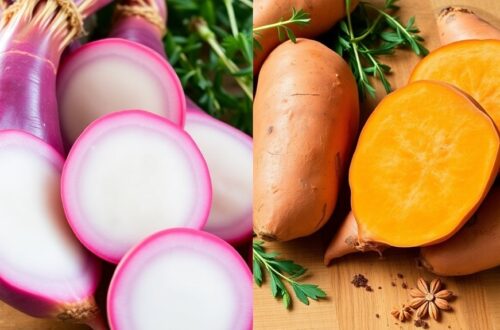
What Are Jewel Yams and How Do They Differ From Sweet Potatoes?
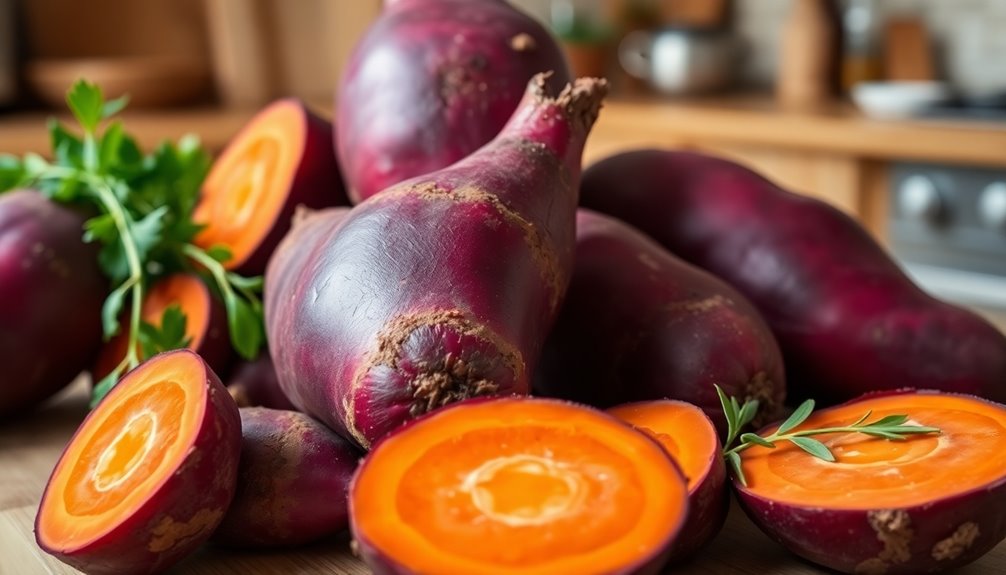
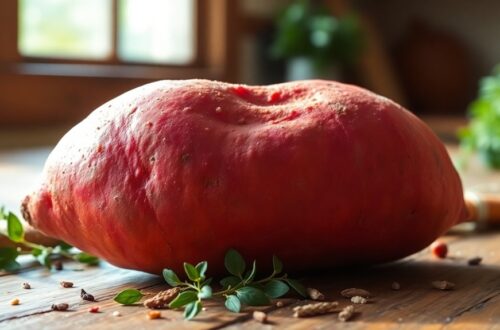
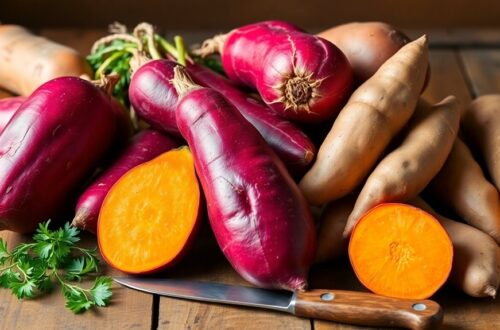
Jewel yams, often mistaken for sweet potatoes, are a unique variety that boasts vibrant orange flesh and a smooth, thin skin.
When you look closely at jewel yam varieties, you’ll notice they’ve a denser texture and a slightly less sweet flavor compared to their sweet potato counterparts.
While both are delicious, sweet potato comparisons often highlight the jewel yam’s ability to hold its shape better during cooking. This makes jewel yams perfect for roasting or adding to stews.
Their rich flavor pairs well with spices and herbs, giving you versatility in the kitchen. Additionally, incorporating native plants like jewel yams into your garden can support local wildlife and promote biodiversity.
Nutritional Benefits of Jewel Yams: Why You Should Include Them in Your Diet
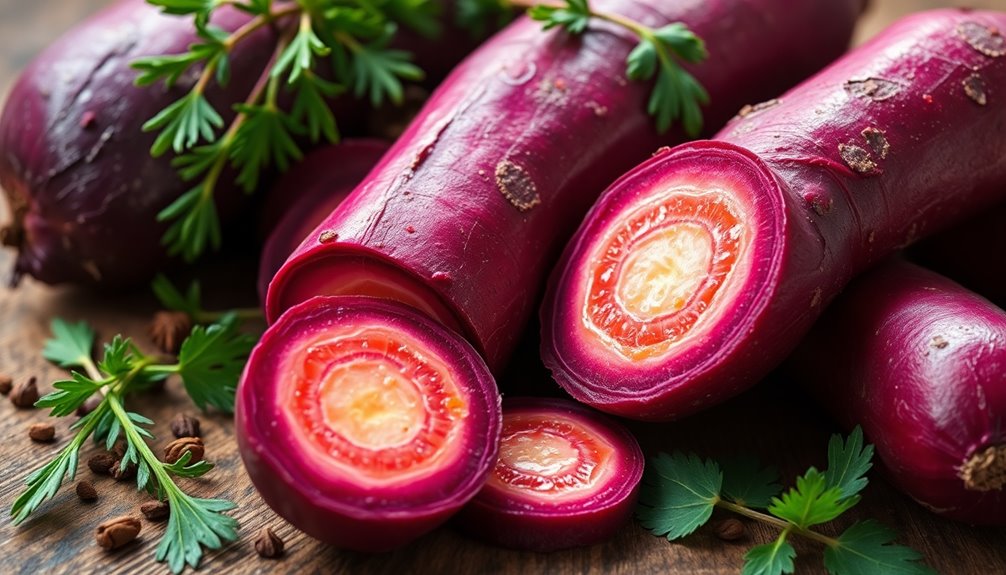
While many root vegetables offer health benefits, jewel yams stand out for their impressive nutritional profile. Packed with essential vitamins and minerals, these yams are a fantastic addition to your diet.
They’re rich in dietary fiber, which helps support digestive health and keeps you feeling full longer. This can be particularly beneficial if you’re looking to manage your weight.
Jewel yams also provide antioxidants that fight inflammation and boost your immune system. Plus, their low glycemic index makes them a smart choice for maintaining stable blood sugar levels. Additionally, incorporating mindful choices in your diet can enhance your overall wellness and contribute to a frugal lifestyle.
Creative Ways to Cook Jewel Yams: Recipes and Techniques
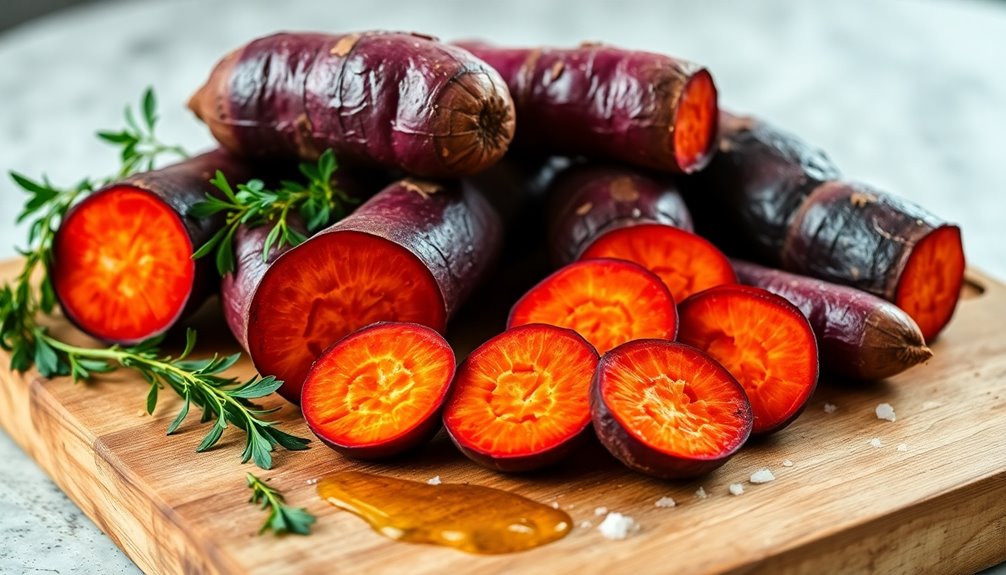
If you’re looking to add some excitement to your meals, cooking with jewel yams opens up a world of culinary possibilities.
You can transform jewel yams into creamy mashed variations by blending them with butter and spices for a comforting side dish. For savory dishes, try roasting them with herbs and garlic, creating a delicious caramelized flavor.
If you’re in the mood for something sweet, bake jewel yams into desserts like pies or brownies, adding a unique twist.
When grilling, slice them into thick rounds, brush with olive oil, and sprinkle with salt for perfect grilling tips.
These versatile ingredients can elevate any meal, so don’t hesitate to experiment! Additionally, remember that true yams are different from sweet potatoes, which can help you appreciate the unique flavor profile of jewel yams.
How to Select and Store Jewel Yams for Maximum Freshness
When selecting jewel yams, you want to look for those that are firm, free from bruises, and have smooth skin. Avoid any that appear shriveled or have soft spots. For the best flavor and texture, choose medium-sized yams, as they tend to be the sweetest.
Once you’ve picked your yams, proper storage methods are key to maintaining freshness. Store them in a cool, dark, and well-ventilated area—like a pantry or cellar. Avoid refrigeration, as it can affect their flavor and texture. Keep them away from direct sunlight and moisture to prevent spoilage. Regularly inspect stored produce for color changes to ensure optimal freshness and safety.
Following these selection tips and storage methods guarantees you enjoy delicious jewel yams at their best!
Common Mistakes to Avoid When Cooking Jewel Yams
After choosing and storing jewel yams properly, the next step is cooking them to perfection. One common mistake isn’t paying attention to the cooking temperature. Too high, and you risk burning the outside while the inside remains undercooked. Aim for a moderate temperature to guarantee even cooking throughout.
Another pitfall is neglecting seasoning balance. Jewel yams have a naturally sweet flavor, so over-seasoning can overwhelm their taste. Start with a light hand, using complementary spices to enhance rather than mask their unique profile. Additionally, consider incorporating chicken stock to boost the overall flavor profile of your dish without overpowering the yams.
Pairing Jewel Yams With Other Ingredients for Flavorful Dishes
Think about complementary flavors like savory herbs or tangy citrus to enhance their natural sweetness. You can also experiment with different cooking techniques to bring out their unique texture and taste. Adding sulfate-free formulations can help you choose health-conscious ingredients that pair beautifully with jewel yams, ensuring a balanced and flavorful dish.
Complementary Flavor Profiles
While jewel yams shine on their own, they truly come alive when paired with complementary flavors. To enhance their natural sweetness and earthy taste profiles, consider these flavor pairings:
- Cinnamon and Nutmeg: These spices add warmth and depth, balancing the yam’s sweetness perfectly.
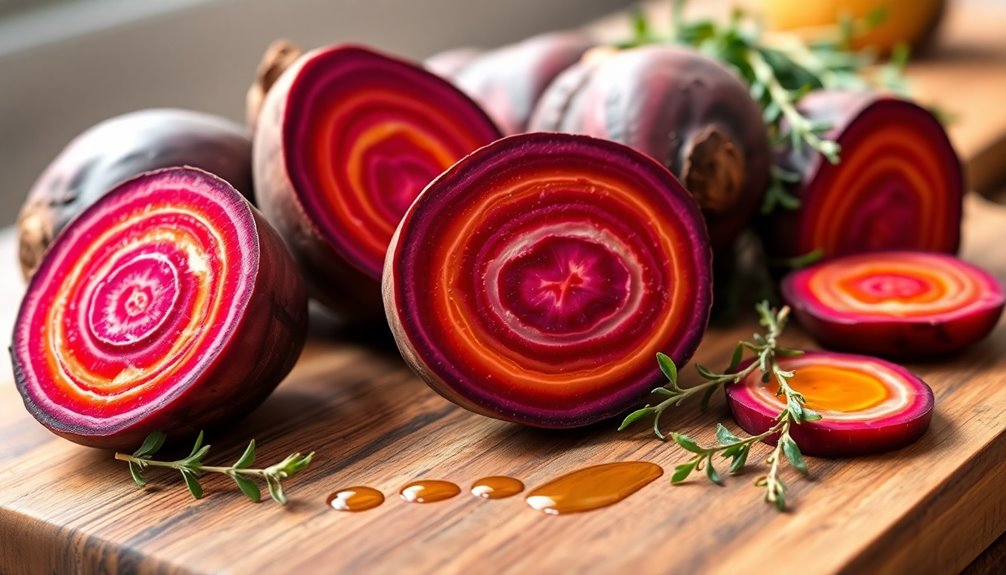
- Maple Syrup: Drizzling this over roasted jewel yams creates a delightful contrast, enhancing their rich flavor.
- Savory Herbs: Thyme or rosemary brings a fragrant, herbal note that cuts through the yam’s creaminess, adding complexity.
Experimenting with these combinations not only elevates your dishes but also showcases the jewel yam’s versatility.
Embrace these flavor pairings to create mouthwatering meals that celebrate their unique taste profiles!
Cooking Techniques and Methods
To truly appreciate jewel yams, experimenting with various cooking techniques can elevate their flavor even further.
Steaming techniques, for instance, help retain their natural sweetness and nutrients. Simply peel and cut the yams, then steam them until tender; this method pairs perfectly with fresh herbs or a drizzle of olive oil.
On the other hand, baking methods can create a delicious caramelization. Slice the yams, toss them with a bit of cinnamon and maple syrup, and roast until golden brown. This enhances their earthy flavor and creates a delightful side dish.
Pair jewel yams with proteins like chicken or fish, or toss them into salads for added texture and taste. Enjoy the versatility!
Fun Facts About Jewel Yams: History and Cultivation
Did you know jewel yams have a rich history that dates back centuries? Their unique cultivation methods help bring out their vibrant flavor and impressive nutritional benefits. Let’s explore how these fascinating tubers came to be and what makes them so special. Additionally, jewel yams are often misidentified as sweet potatoes, which can lead to confusion in the kitchen.
Origin of Jewel Yams
Jewel yams, with their vibrant orange flesh and sweet flavor, trace their origins back to West Africa, where they’ve been a staple for centuries.
These tubers are more than just delicious; they hold cultural significance in various communities. Here are some fun facts about their history and cultivation:
- Yam Varieties: Jewel yams are part of a rich diversity of yam varieties, each with unique flavors and textures.
- Cultural Significance: In many West African cultures, yams symbolize prosperity and are featured in important celebrations.
- Regional Recipes: You can find jewel yams in traditional dishes, showcasing regional recipes that celebrate their versatility.
Understanding these elements can deepen your appreciation for jewel yams and their role in global cuisine!
Cultivation Methods Used
Cultivating jewel yams involves techniques that have been passed down through generations, ensuring these tubers thrive. You’ll want to focus on organic farming practices to maintain soil health and boost your crop yield.
Start by selecting a well-drained plot with rich, loamy soil, as this is ideal for growth. Incorporate organic matter, like compost, to nourish the soil and encourage beneficial microorganisms. You can also practice crop rotation to prevent pests and diseases from taking hold.
When planting, space the tubers adequately to allow for proper air circulation. Regular watering and mulching will help retain moisture and suppress weeds.
Nutritional Benefits Overview
The vibrant jewel yam isn’t just a feast for the eyes; it’s also packed with impressive nutritional benefits. Rich in nutrient density, these tubers offer a variety of health benefits that can enhance your diet.
Here are three reasons to love jewel yams:
- High in Vitamins: They’re an excellent source of vitamins A and C, essential for immune function and skin health.
- Rich in Fiber: Their high fiber content promotes digestive health and helps maintain a healthy weight.
- Low Glycemic Index: Jewel yams have a low glycemic index, making them a great choice for stable blood sugar levels.
Incorporating jewel yams into your meals can boost your nutrition while delighting your taste buds!
Why Do Jewel Yams Deserve a Place in Your Culinary Repertoire?
Why should you consider adding jewel yams to your culinary repertoire? These vibrant tubers offer incredible cooking versatility, making them a fantastic addition to various dishes. You can roast, mash, or even incorporate them into soups, enhancing your meals with their naturally sweet flavor.
Jewel yams also provide a beautiful color that can elevate the visual appeal of your plate. Their creamy texture pairs well with spices and herbs, allowing for endless flavor enhancement possibilities. Additionally, they are a great source of beta-carotene, which contributes to their nutritional value.
Whether you’re preparing a cozy family dinner or impressing guests at a gathering, jewel yams can shine in savory and sweet recipes alike.
With their nutritional benefits and delightful taste, incorporating jewel yams into your cooking will surely elevate your culinary game.
Conclusion
Incorporating jewel yams into your meals isn’t just about adding a vibrant splash of color; it’s a delicious way to nourish your body and expand your culinary horizons. As you explore their unique flavors and health benefits, remember that every bite is a step toward a more vibrant life. So why not invite these versatile tubers into your kitchen? After all, in the world of cooking, isn’t it the unexpected ingredients that often lead to the most delightful discoveries?