
 0
0
 0
0
You can legally and safely resell a used car seat if it’s clean, in working condition, and hasn’t been involved in a crash. Make sure it’s not on a recall list and is within the expiration date of 6 to 9 years after manufacture. Always disclose any history of damage. Doing this not only promotes safety but also supports sustainability. Want to know more about the specifics of selling and buying used car seats?
The Legality of Selling Used Car Seats
When you’re considering selling a used car seat, you should know that it’s legal in the U.S. as long as certain conditions are met.
You must guarantee the car seat is clean, in working condition, and hasn’t been involved in a crash. It’s essential that the seat isn’t on a recall list and is at least two years away from its expiration date.
The National Highway Traffic Safety Administration (NHTSA) sets safety standards but doesn’t regulate the resale of these seats after they leave the original retailer.
As a seller, it’s your responsibility to provide the car seat’s history and confirm it has all necessary labels and parts intact.
Check your local laws, too, as regulations may vary by state. Additionally, it’s wise to note that just like Always incontinence pads, consumers often appreciate the opportunity to evaluate the condition and safety of used items before making a purchase.
Understanding Car Seat Expiration Dates
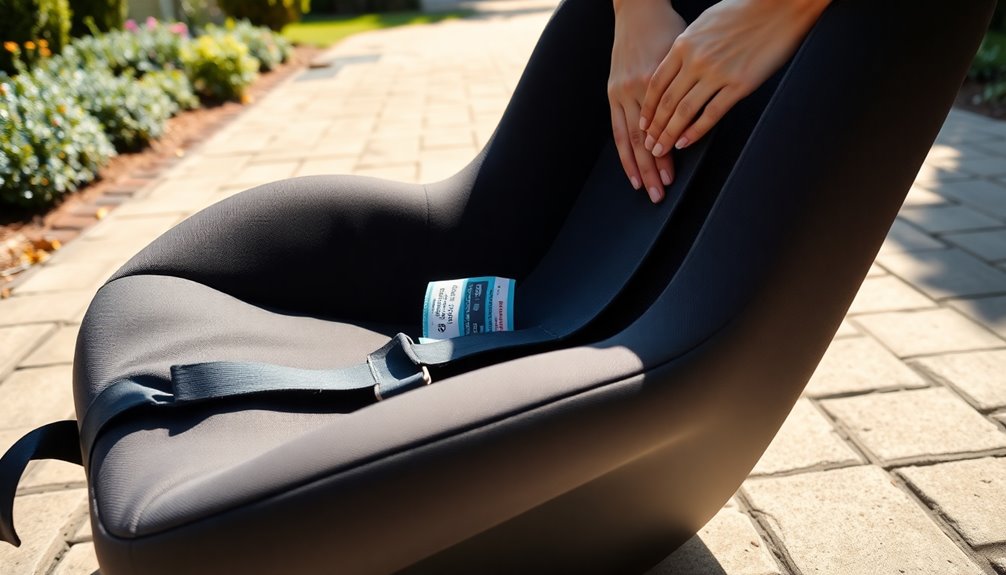
When you’re considering reselling a used car seat, checking its expiration date is vital for safety. Expired seats can fail during a crash due to deteriorating materials, so knowing how to identify signs of expiration is necessary. Always refer to manufacturer guidelines for specific information and resources to guarantee you’re making a safe choice. Additionally, understanding the importance of tracking expenses can help you manage the costs associated with purchasing new safety equipment.
Importance Of Expiration Dates
Understanding the importance of expiration dates for car seats is essential for ensuring your child’s safety. Car seats typically expire six to nine years after their manufacture date.
Here’s why you should always check the expiration date:
- Plastic can deteriorate over time, compromising safety.
- Expired car seats may not meet current safety standards.
- Using a used child safety seat beyond its expiration increases injury risk.
- The expiration date is often found on the underside of the seat.
- Manufacturers recommend against using expired seats for maximum protection.
Signs Of Expired Seats
Expiration dates are just one part of guaranteeing a car seat’s safety. An expired seat can be a serious risk for your child.
Most car seats have an expiration date imprinted on the underside, usually around six years from the manufacture date. Over time, the plastic materials in a child restraint can deteriorate, compromising its structural integrity and making it unsafe during crashes.
If you can’t find the expiration date, it’s essential to contact the manufacturer for clarity.
Remember, an expired car seat mightn’t provide adequate protection in an accident, just like food and medicine with expiration dates.
Stay informed and guarantee your child’s safety by checking for these important signs.
Manufacturer Guidelines And Resources
Knowing the expiration date of your car seat is essential for ensuring your child’s safety, as manufacturers provide specific guidelines to help you determine its longevity.
Here are some key points to reflect on regarding manufacturer guidelines:
- Car seats usually expire between 6 to 9 years from the manufacturing date.
- Check the underside of the seat for the expiration date label.
- Contact manufacturers for clarity on specific expiration guidelines.
- Factors like materials and reinforcements can affect a car seat’s longevity.
- Always perform safety checks before resale, as expired seats may not meet safety standards.
Identifying Safety Recalls: What You Need to Know
Before you consider reselling a used car seat, it’s vital to verify it hasn’t been recalled for safety issues.
Start by visiting the NHTSA website or the manufacturer’s site to check for any recalls on your specific model. Identifying safety recalls is essential, as selling your car seat with an active recall is illegal.
Confirm all parts, labels, and the car seat manual are intact, as missing components can compromise safety. Additionally, verify the seat hasn’t been involved in any crashes and isn’t expired.
Keeping potential buyers informed about any resolved recalls or safety issues shows responsibility and helps maintain child safety. Always prioritize safety when selling your car seat to protect future passengers. Furthermore, understanding tax implications can help ensure a smoother transaction process.
Assessing Crash History: Why It Matters
When reselling a used car seat, evaluating its crash history is just as important as checking for safety recalls. A car seat that’s been in any crash, even minor ones, can compromise safety.
Here’s what you need to know:
- A car seat involved in a crash shouldn’t be sold or used.
- Minor crashes may still affect safety; always consult the manufacturer’s guidelines.
- Sellers must provide a written attestation confirming no crash history.
- Safety can notably decrease after a crash due to unseen damage.
- If you’re unsure about a car seat’s crash history, it’s best to discard it.
- Regular maintenance of safety equipment is essential to ensure optimal performance and reliability.
Considering these points helps guarantee you sell a car seat that’s safe for the next user, protecting children in the process.
Key Components: Ensuring All Parts Are Intact
Verifying all parts of a car seat are intact is essential for the safety of any child who’ll use it. When reselling, you must confirm that all necessary parts are included, such as harnesses, buckles, and instruction manuals.
Check that the labels are readable and that the car seat shows no excessive wear, like cracks in the plastic or frayed straps. Any modifications could compromise safety, so verify the car seat hasn’t been altered from its original state.
Conduct a thorough inspection to verify all parts are functional and in good condition. Providing detailed documentation, including the make, model, and date of manufacture, helps assure potential buyers that the car seat is safe for use. Additionally, consider researching budget-friendly meal planning strategies to save money while ensuring you have safe and functional items for your family.
Cleaning Guidelines for Resale: Best Practices
When it comes to reselling a used car seat, proper cleaning techniques are essential. You’ll want to sanitize all parts thoroughly, especially the harness and straps, to guarantee safety and attract potential buyers. Following the manufacturer’s guidelines won’t only protect the seat but also enhance its resale value. Additionally, using eco-friendly cleaners can ensure that harmful chemicals are avoided during the cleaning process.
Proper Cleaning Techniques
To effectively prepare a used car seat for resale, it’s crucial to follow the manufacturer’s cleaning guidelines closely. This will guarantee you don’t damage the materials and maintain safety compliance.
Here are the best practices for cleaning:
- Always use mild soap and water for plastic parts.
- Check that all original manufacturer accessories and labels are intact.
- Avoid harsh chemicals that could weaken the car seat’s structure.
- Inspect harness and straps for any fraying; they must be in good working condition.
- Proper cleaning can enhance the resale value and make the seat more appealing.
Importance of Sanitization
While it might seem sufficient to just clean a used car seat, proper sanitization is crucial for creating a safe and appealing product for resale.
Follow the manufacturer’s manual for cleaning guidelines, as some brands have specific restrictions. Use mild cleaners and avoid harsh chemicals that could damage the materials or safety features.
Thoroughly sanitize the straps and plastic components to eliminate allergens and bacteria. Before listing the seat, verify you remove any personal items and that all original manufacturer accessories and labels are intact.
This attention to detail not only enhances the seat’s appeal but also helps prolong its lifespan, making it a more attractive option for potential buyers.
Prioritize sanitization to boost your resale success!
How to Prepare Your Car Seat for Sale
Preparing your car seat for sale is essential to guarantee a smooth transaction and a safe purchase for the next owner. Follow these steps to make certain your car seat is ready:
- Clean it thoroughly per the manufacturer’s instructions, avoiding harsh chemicals.
- Ensure all original accessories, labels, and parts are intact.
- Inspect for signs of excessive wear, such as cracks or frayed straps.
- Verify the car seat’s date of manufacture, ensuring it’s at least two years from expiration.
- Confirm it has never been involved in a crash and isn’t listed on any recall lists.
Additionally, ensuring the car seat is in good condition aligns with the importance of vehicle history reports to provide transparency regarding its reliability.
Where to Sell Your Used Car Seat
When you’re ready to sell your used car seat, online marketplaces like Facebook Marketplace and eBay are great options to contemplate. You can also tap into local community resources, such as parenting forums or groups, where buyers in your area are actively looking for safe car seats. Each platform offers unique advantages, so think about what works best for you. Additionally, consider checking free local events in your area to connect with potential buyers who are seeking affordable options.
Online Marketplaces Options
If you’re looking to sell your used car seat, online marketplaces offer a convenient way to connect with potential buyers. Here are some top options to contemplate:
- Facebook Marketplace: Reach local buyers quickly and easily.
- eBay: Tap into a larger audience with auction or fixed-price listings.
- Craigslist: List your used child seat for free and negotiate directly.
- OfferUp: A user-friendly app for local selling with safety features.
- Nextdoor: Connect with your neighborhood for a more community-focused sale.
When selling, ascertain you include clear photos and detailed descriptions.
Always check the car seat’s condition, confirming it’s not expired or recalled, and familiarize yourself with each platform’s specific policies.
Local Community Resources
Selling your used car seat can also be effectively done through local community resources.
Consider reaching out to local health departments or child passenger safety programs, as they often have knowledge of safe selling practices and potential buyers in your area.
Non-profit organizations frequently host car seat exchanges or trade-in events, giving you a chance to sell or donate your seat.
Additionally, community bulletin boards—both physical and online—are great venues for advertising your used car seat to local families in need.
Don’t forget platforms like Facebook Marketplace and parenting forums, where you can connect with trusted individuals in your community.
These resources can help guarantee a safe and successful transaction.
Exploring Trade-In Programs and Their Benefits
Here are some benefits of participating in these programs:
- Discounts: Get a 20% off coupon for future purchases.
- Safe Disposal: Trade in used child seats, even recalled ones, ensuring safe disposal.
- Sustainability: Contribute to recycling programs that reduce waste.
- Affordable Upgrades: Access newer, safer models without the full retail price.
- Maximized Savings: Use multiple coupons during promotions for greater savings.
Additionally, by taking advantage of cashback programs, parents can further enhance their savings while upgrading their car seats.
The Environmental Impact of Buying Used Car Seats
Buying used car seats not only saves you money but also greatly benefits the environment. By opting for a used child car seat, you reduce its carbon footprint by 82%, contributing to sustainability.
Many car seats are made from plastics that can take centuries to decompose, so purchasing second-hand helps divert this waste from landfills. You support a circular economy, extending the life of these products while conserving resources.
When you buy used, you’re also reducing the demand for new car seats, which can range from $150 to $300+. Just be certain to check for expiration dates, parts, and labels to guarantee safety. This way, you promote environmentally responsible practices while keeping your family safe. Additionally, the practice of reducing material waste aligns with sustainable living goals and contributes to a healthier planet.
What to Look for When Buying a Used Car Seat
When you decide to purchase a used car seat, guaranteeing its safety and reliability should be your top priority. Here are key points to take into account:
- Confirm it’s never been in a crash; seats with a crash history may not provide adequate safety.
- Check that all original parts, labels, and instruction manuals are intact for proper usage.
- Verify the expiration date; remember, seats expire after six to nine years.
- Make sure the seat hasn’t been recalled by checking resources like the NHTSA website.
- Inspect for excessive wear, including cracks in the plastic and fraying harness straps.
Conducting a thorough Car Seat Safety Check can help you avoid potential risks and guarantee your child’s safety on the road.
Questions to Ask the Seller Before Purchasing?
What essential questions should you ask the seller before sealing the deal on a used car seat?
First, find out if the car seat has ever been involved in a crash, as any seat that’s been in an accident shouldn’t be reused.
Next, inquire about the expiration date to guarantee it has at least two years of usable life left.
Request the make, model, and manufacture date to check for recalls on the NHTSA website.
Confirm all necessary parts and original manufacturer accessories are intact and functional.
Finally, ask the seller to provide written assurance that the seat hasn’t been recalled, is clean, and shows no excessive wear or damage.
This guarantees you’re making a safe purchase.
Common Misconceptions About Used Car Seats
Have you ever wondered what misconceptions surround used car seats? Many people hold incorrect beliefs that could jeopardize safety. Here are a few common myths to be aware of:
- All used car seats are unsafe.
- Car seats don’t expire; they actually have a lifespan of 6 to 9 years.
- Recalls are easy to spot; always check the NHTSA website for confirmation.
- Minor damage, like cracks or fraying straps, can be overlooked.
- Cleaning a car seat is as simple as using any household cleaner; follow specific guidelines to maintain safety features.
Understanding these misconceptions can help you make informed decisions when buying or selling used car seats, ensuring the safety of your child.
Conclusion
When you consider reselling or buying a used car seat, it’s essential to tread carefully. By respecting expiration dates, checking for recalls, and ensuring all parts are present, you can navigate the resale landscape with confidence. Remember, it’s not just about saving money; it’s about keeping little ones safe. So, when in doubt, ask questions and trust your instincts. After all, the journey of safety starts with informed choices, ensuring peace of mind for you and your family.