 0
 0
Last updated: · By Laura Bennett
Cheap cleaning products can clean your home well if you match each product to the job. For most daily messes, a basic soap or detergent, a simple multipurpose cleaner, and a few washable cloths do the work for less money. Disinfecting is only needed in specific situations, and that is where many households overspend.
Key Takeaways
- The CDC says routine disinfecting usually isn’t necessary unless someone in the home is sick, so daily cleaning is often enough.
- Dirt on a surface can reduce how well sanitizers and disinfectants work, so you should clean visibly dirty surfaces first.
- The CDC advises never combining household bleach with other cleaners or disinfectants.
- EPA says its scientists review every ingredient in Safer Choice-certified cleaners regardless of concentration, which helps shoppers identify safer, lower-cost options.
- Concentrates and refills generally cost less per use than single-use spray bottles, and reusable cloths reduce the need to buy paper towels.
Cleaning vs. Disinfecting: Do You Need Both?
Most households need regular cleaning and only occasional disinfecting. The CDC defines cleaning as lifting germs and dirt off surfaces, while disinfecting means using a product that kills germs. Cleaning is the foundation, and a cheap soap or multipurpose cleaner handles it well.
Sanitizing is a third category that sits between the two. The CDC notes that sanitizing uses weaker bleach solutions or sanitizing sprays than disinfecting does. Read the label to see which one a product is designed to do. You can review the agency’s full guidance in its guide on when and how to clean and disinfect your home.
When Is Disinfecting Worth the Cost?
Disinfecting makes the most sense when someone in your home is sick, especially with a contagious illness. In those cases, focus on frequently touched surfaces such as doorknobs, light switches, faucets, and phones. Follow the contact time on the product label, which is how long the surface must stay wet for the product to work.
If a family member has a weakened immune system or a medical condition that makes infections more serious, ask your doctor or local health department what level of cleaning they recommend. Professional advice matters more than a general rule in those situations.
How to Choose Cheap Cleaning Products That Work
To choose cheap cleaning products that work, match the product to the task and compare the cost per use, not the sticker price. A concentrate that you dilute yourself often costs less per batch than a ready-to-use spray. Check the label for the surface, the active ingredients, and the dilution ratio before you buy.
- Decide whether you need cleaning, sanitizing, or disinfecting for that surface.
- Compare price per ounce or per use, using the dilution directions on the label.
- Look for the EPA Safer Choice label when you want lower-hazard ingredients.
- Buy one multipurpose cleaner for most surfaces instead of separate sprays for each room.
- Avoid products that promise to do everything; check that they are approved for the surfaces you plan to clean.
What Does the Safer Choice Label Tell You?
The EPA’s Safer Choice label indicates that a product meets the agency’s standards for ingredient safety. According to EPA, its scientists review every ingredient in Safer Choice-certified cleaners regardless of concentration. That review is the reason the label is useful when you compare a lower-cost product with a more expensive one. Read more in the EPA announcement strengthening the Safer Choice standard.
Safer Choice does not guarantee that a product kills germs. Check the label separately if you need disinfecting.
Store-Bought Cheap Cleaners Compared
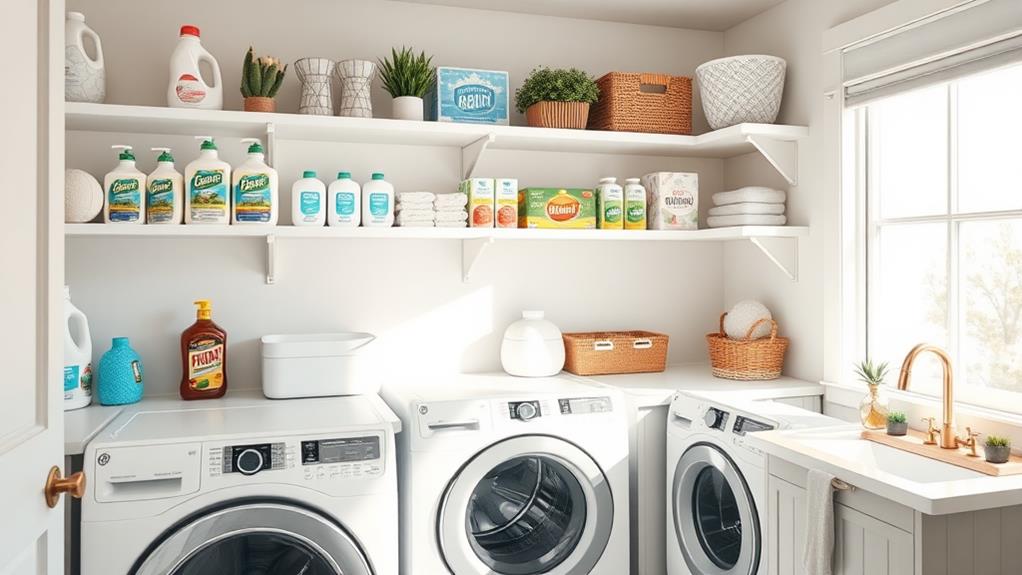
Store-bought cleaners are usually cheapest per use when you buy concentrates, refills, or large containers and dilute them yourself. Single-use cleaning wipes and small pre-mixed sprays often cost more over time. The table below shows common product types and how to keep them affordable.
| Product type | Best for | Budget tip | Watch out for |
|---|---|---|---|
| Multipurpose concentrate | Counters, tables, sealed floors, and most washable surfaces | Dilute to the label ratio and refill a reusable spray bottle | Test on an inconspicuous spot first, especially on finished wood or natural stone |
| Dish soap or liquid detergent | Dishes, greasy surfaces, and general cleaning | Buy the largest size you can store safely and dilute for light jobs | Rinse residue, which can leave films on glass and floors |
| Dissolvable tablets or refill pods | Users who want less packaging and fewer heavy bottles | Compare cost per finished bottle, not per tablet | Follow mixing directions exactly so the solution stays effective |
| Disinfecting wipes or spray | Targeted disinfecting when someone is sick | Use only on surfaces that need it rather than every day | Keep the surface wet for the contact time on the label |
| Toilet or tank cleaner | Hard-water stains and mineral deposits | Use a small amount and scrub with a basic brush | Never mix with bleach or other cleaners |
| Oven cleaner | Heavy baked-on grime | Use only when simpler cleaning fails | Strong and caustic; wear gloves, ventilate, and keep away from children and pets |
Simple Homemade Cleaners: What Works and What Doesn’t
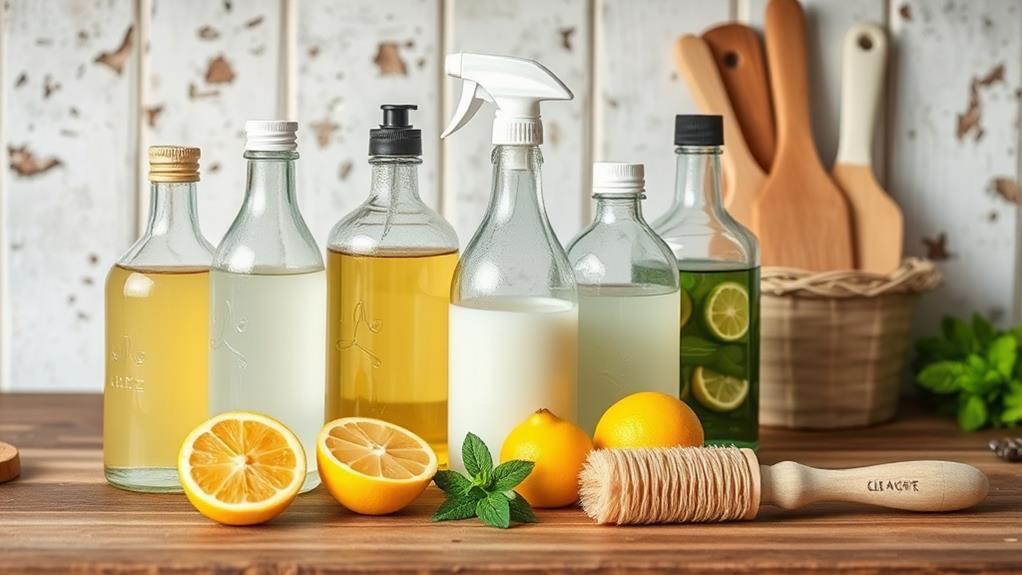
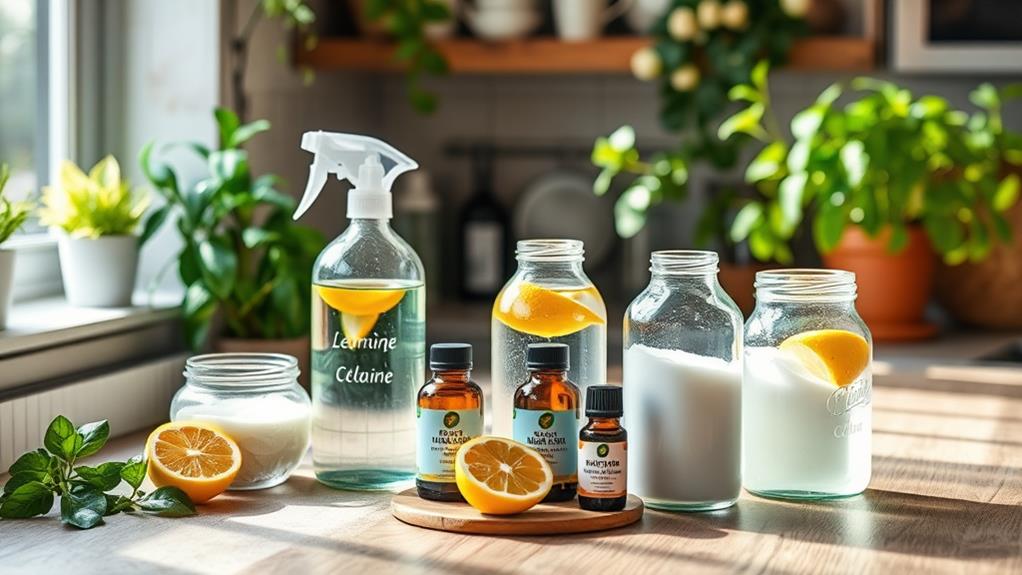
Homemade cleaners work well for light cleaning, glass, and mild soap scum, and they cost very little to make. They are not registered disinfectants, so do not rely on them when you need to kill germs. Use them for everyday cleaning and keep a registered product on hand for the times you need disinfecting.
How Do You Make a Simple Vinegar Glass Cleaner?
- Pour 1/2 cup of white vinegar into a clean spray bottle.
- Add 2 cups of water and close the bottle tightly.
- Label the bottle clearly so no one mistakes it for another product.
- Spray the glass and wipe with a lint-free cloth or microfiber towel.
Vinegar can damage natural stone such as marble and granite, so do not use it on those surfaces.
How Do You Use Baking Soda for Soap Scum?
Mix baking soda with a small amount of water to form a thick paste, then scrub the affected area with a soft brush or sponge. Rinse thoroughly afterward. Test a hidden spot first, because scrubbing can dull some finishes, including certain glossy surfaces.
Does Mixing Vinegar and Baking Soda Clean Well?
Vinegar and baking soda fizz when combined, and the reaction mostly produces water and carbon dioxide, which limits their cleaning power once they have mixed. For best results, use each one separately: sprinkle baking soda for scrubbing, then rinse or wipe with vinegar solution where appropriate. This approach is a practical cleaning method, not a disinfecting step.
Safety Rules Before You Mix or Store Cleaners
The most important safety rule is to never combine household bleach with other cleaners or disinfectants. The CDC advises against mixing bleach with any other product, including products that seem harmless, because the reaction can release harmful fumes. Following this rule costs nothing and prevents a serious, avoidable hazard.
The CDC also recommends cleaning visibly dirty surfaces with soap or detergent before applying bleach, because dirt can block the disinfecting action. You can read the agency’s details in its guidance on cleaning and disinfecting with bleach. For a broader overview of cleaning before sanitizing, see the CDC’s cleaning and disinfecting resource.
- Clean visibly dirty surfaces with soap or detergent and rinse.
- Use bleach only on the surfaces that need disinfecting, and never in the same bottle or bucket as another product.
- Open a window or run a fan while you clean, and keep the room ventilated.
- Store bleach, oven cleaner, and acid-based toilet cleaners separately, out of reach of children and pets.
- Keep cleaners in their original labeled containers whenever possible.
What Should You Do After a Cleaner Exposure?
If someone has trouble breathing, chest pain, or loss of consciousness after exposure to a cleaner, call 911 right away. For other exposures, such as a splash in the eyes, swallowing a product, or skin irritation, contact Poison Control at 1-800-222-1222 in the United States. If you have asthma or another lung condition, talk to your doctor before using strong sprays or fragrance-heavy cleaners.
Reusable Tools That Lower Your Cleaning Costs
Reusable tools lower your cleaning costs because you replace them far less often than disposable products. Washable microfiber cloths, sponges, and scrub brushes cost more upfront but replace paper towels and single-use wipes over time. Choose sturdy tools you can wash and dry thoroughly to prevent odors and bacterial buildup.
- Use microfiber cloths for dusting, wiping, and glass, and wash them separately from greasy rags.
- Pick natural fiber sponges or brushes that you can rinse and air dry between uses.
- Refill a labeled spray bottle instead of buying a new ready-to-use product each time.
- Keep a small bin of rags for messy jobs so you do not waste towels on every spill.
Reusable products are one part of a larger habit of spending less on everyday needs. For more ideas on cutting routine costs, see these daily frugal living tips for saving money.
How Do You Build a Cheap Cleaning Routine?
A cheap cleaning routine works best when you buy a short list of products and use each one for its intended purpose. Start by checking what you already own, then fill only the gaps. Plan purchases so you buy concentrates and refills when you need them, not on impulse.
- Make a list of the surfaces you clean most often, such as kitchen counters, bathroom sinks, floors, and glass.
- Choose one multipurpose cleaner, one dish soap, one glass cleaner or DIY alternative, and one toilet cleaner.
- Keep a registered disinfectant only for illness or other situations your doctor or health department recommends.
- Set a monthly line item for cleaning supplies in your budget so restocking does not disrupt other spending.
- Review what you used up each month and cut any product you rarely touch.
A simple budget makes this easier to track. A 50/30/20 budget calculator can help you see how much room your household has for cleaning supplies. If you want to save for a larger household purchase, such as a better vacuum, a list of savings goal tools can help you track progress.
Frequently Asked Questions
Are cheap cleaning products as effective as expensive ones?
Many inexpensive cleaners work as well as premium brands for everyday cleaning, especially when the basic ingredients are the same. The main difference is usually packaging, fragrance, and marketing. Check the label for the job you need, and compare cost per use rather than price per bottle.
Is vinegar a good disinfectant?
Vinegar is useful for cleaning glass, removing mineral deposits, and cutting light grime. It is not a registered disinfectant for most household germs, so it should not replace a product labeled for disinfecting. If someone at home is sick and you need to disinfect, use a product labeled for that purpose and follow the label directions.
Can I mix vinegar and bleach?
No. Never combine bleach with vinegar, ammonia, or any other cleaner, according to CDC guidance. Mixing these products can create harmful fumes. If you accidentally combine them, leave the area immediately, get fresh air, and call Poison Control at 1-800-222-1222.
Do I need to disinfect every day?
Usually not. The CDC says routine disinfecting is generally unnecessary unless someone at home is sick. Daily cleaning with soap, detergent, or a multipurpose cleaner removes most dirt and germs from surfaces that people touch often.
Are natural cleaners safer than conventional ones?
Natural does not always mean safer, because any product can irritate skin, eyes, or lungs if misused. Look for the EPA Safer Choice label to compare ingredient safety, and always follow the label directions. Anyone with asthma, allergies, or skin conditions should talk to a doctor about which products suit them.
Conclusion
Cheap cleaning products can keep your home clean when you choose them for the right job. Use soap, detergent, or a multipurpose cleaner for everyday cleaning, save disinfectants for times of illness or medical advice, and never mix bleach with other products. A short, well-chosen list of supplies will help you spend less on cleaning without sacrificing safety.
More on Cheap Cleaning Products
Related guides: DIY Home Repairs on a Budget: Affordable Fixes for Common Problems · How Smart Appliances Can Reduce Your Utility Costs · Frugal Living 101: Top Tips for Saving Money Daily
Free tools: 50/30/20 Budget Calculator
This article is general information, not financial advice. Prices and deals change: check current terms before you buy. Read our financial disclaimer and editorial policy.