 0
 0
Last updated: · By Laura Bennett
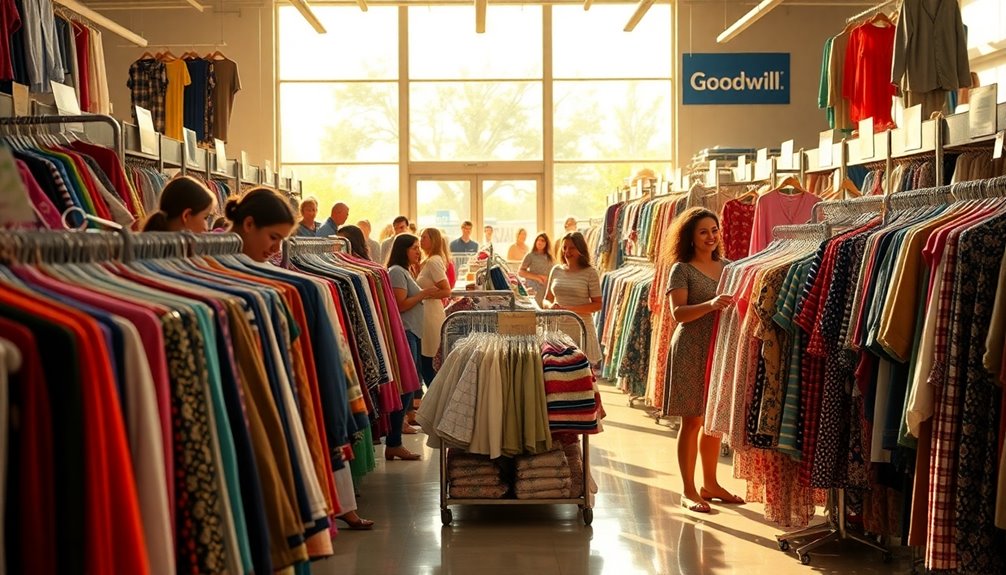
This thrift shopping guide answers the question most people ask first: what is the best day to go to Goodwill? There is no national schedule that guarantees the best selection or prices, because each store sets its own donation intake, markdown schedule, and promotions. Many shoppers do prefer weekday mornings, when stores are quieter and recently donated items are often on the sales floor. The most reliable approach is to learn your local store’s pattern, check its current promotions, and shop with a plan.
Key Takeaways
- Goodwill does not publish one national best day to shop, so ask your local store when it puts out new donations and whether it runs markdown or discount days.
- Weekday mornings usually mean fewer shoppers than weekends, which gives you more time to inspect items before you buy.
- Spring cleaning season is commonly linked to more donations, so spring is a practical time to look for new inventory.
- Goodwill of Greater Washington accepts clean, stain-free linens such as bedspreads, blankets, sheets, and towels, but it does not accept sleeping pillows.
- A 2025 study in Scientific Reports found that secondhand purchasing was positively correlated with new clothing purchases (r = 0.58), so buying used does not automatically mean buying less.
Does the Day of the Week Matter at Goodwill?
Yes, timing can matter, but the effect depends on your store. Stores that process donations and set out new merchandise on a regular schedule tend to have more fresh stock at certain times, often early in the week. You will not find a verified national rule, so treat weekday patterns as a starting point and confirm them at your own location.
Why Weekday Mornings Often Work Well
Weekend shoppers can pick over a sales floor by Saturday afternoon. A weekday morning visit gives you a better chance of seeing items that were put out recently and more room to browse without rushing. Many people also find it easier to compare items and check condition when the aisles are not crowded.
How to Find Your Store’s Restocking Pattern
You can learn your store’s rhythm with a few simple steps. Staff can usually answer general questions about timing, and a few visits will show you what changes.
- Call or visit your local Goodwill and ask which days new donations usually reach the sales floor.
- Ask whether the store runs a color-tag markdown schedule and which days those markdowns apply.
- Ask about discounts for groups such as seniors, students, or military members, and confirm eligibility before you shop.
- Visit at the same time of day for three or four weeks and note which departments look fullest.
- Follow your local store’s social media pages, where many locations post promotions and special events.
What Are the Best Times of the Year to Thrift?
Spring and the weeks after major holidays are often productive times to shop, because people clean out closets and homes and donate more items. Off-season shopping can also reduce prices on seasonal goods. These patterns are general trends rather than guarantees for every store.
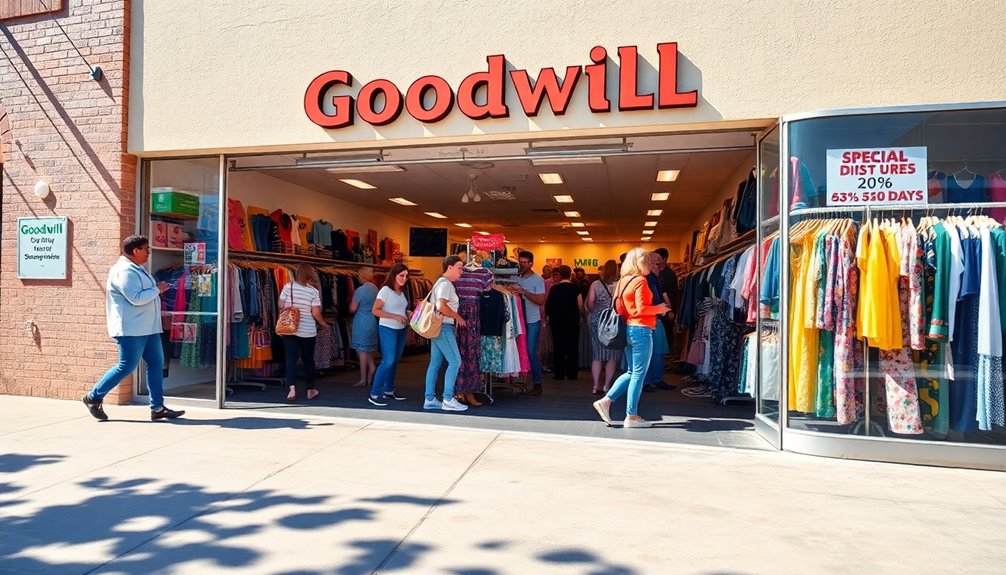
Spring Cleaning Season
Donations tend to rise in spring as households declutter, which means more choices in clothing, housewares, and furniture. Visiting a few weeks into a donation surge gives stores time to sort and display new items. If you want the widest selection, spring is a good season to start checking regularly.
Shop Off-Season for Lower Prices
Seasonal items are often easier to find at lower prices when demand is low. For example, you might look for winter coats in late spring or summer, or for holiday decorations in January. Buying ahead for next year can stretch your budget, but store only what you can keep organized.
How Much Clothing Ends Up in Landfills?
Americans discard a large amount of clothing and textiles each year, and buying secondhand can keep some of it out of landfills. According to EPA figures cited in a PubMed Central review of the clothing industry’s environmental impact, Americans discard more than 68 pounds of clothing and textiles per person per year, about 4% of municipal solid waste. The scale has grown over time. According to EPA estimates cited by Scientific American, Americans sent more than 21 billion pounds of clothing and other textiles to landfills in 2015, up from 12.5 billion pounds in 2000.
Does Buying Secondhand Really Reduce Waste?
Buying used can reduce demand for new production, but the effect is not guaranteed. A 2025 peer-reviewed study in Scientific Reports found a positive correlation between secondhand purchasing and new clothing purchases (r = 0.58), especially among younger and frequent shoppers. A correlation does not prove cause and effect, but it suggests a rebound effect in which thrift savings lead some people to buy more overall.
How to Keep Thrifting Sustainable
Shop with a list so you buy what you need rather than whatever is cheap. Donate items you do not use, and choose durable pieces that you will wear for years. Setting a monthly thrift budget with a tool such as a 50/30/20 budget calculator can help you keep purchases proportional to your income.
What Should You Buy Used, and What Should You Skip?
Most clothing, housewares, books, and décor are reasonable secondhand purchases after inspection. Some items carry health or safety risks, and a few should be bought new or only with expert guidance. The table below summarizes common categories.
| Item | Generally OK to Buy Used? | What to Check |
|---|---|---|
| Clothing and shoes | Yes | Look for stains, odors, worn elastic, and damaged zippers. Wash before wearing. |
| Decorative and throw pillows | Yes | Check for stains, flattened filling, and musty smells. Goodwill of Greater Washington welcomes these as donations. |
| Sleeping pillows | Usually skip | Used pillows can hold dust mites, allergens, and moisture. Goodwill of Greater Washington does not accept them, so replacing them new is the safer choice. |
| Bedding and towels | Yes, if clean | Choose stain-free sheets, blankets, and towels. Wash on a hot setting suitable for the fabric before use. |
| Mattresses and box springs | Usually skip | Check local guidance on bed bugs and safety. Buying new is generally the safer option. |
| Car seats | No | The National Highway Traffic Safety Administration advises against used car seats unless you know the full history. Ask a certified child passenger safety technician for advice. |
| Cribs and children’s products | Only with checks | Check the Consumer Product Safety Commission recall database. Drop-side cribs have been banned from sale in the United States since 2011. |
| Medical equipment | Only with professional guidance | Do not buy used medical devices without advice from your doctor or the device maker. |
How Do You Shop a Thrift Store Efficiently?
A plan saves time and money by keeping you focused on items you actually need. Start with a written list, set a spending limit, and work through the store in a consistent route. Efficient shopping also means checking each item before it goes into your cart.
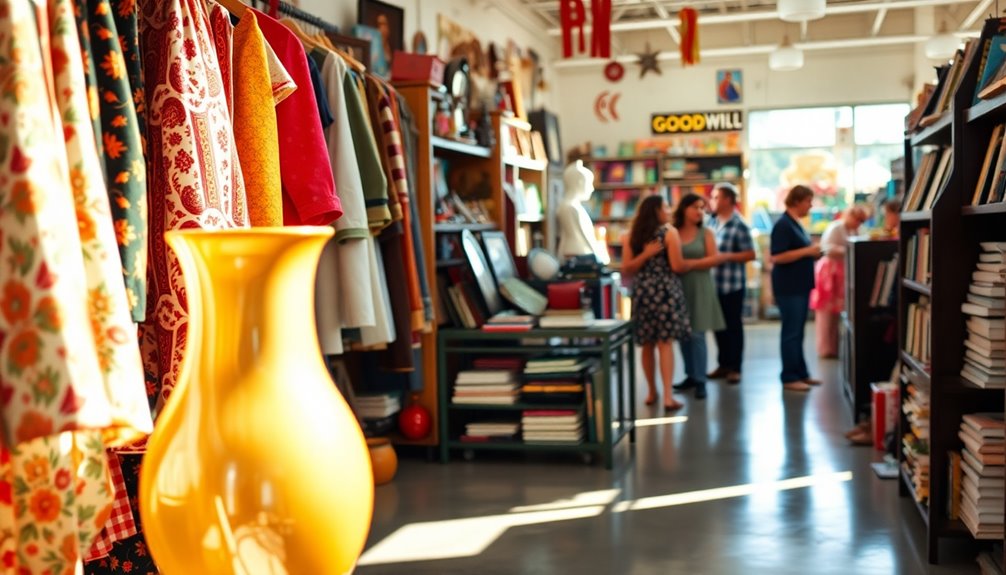
Build a Thrift Wishlist
Write down specific categories, such as a size of work pants, a dining table, or a set of storage bins. Update the list as your needs change so that you buy with purpose. A focused list also helps you walk past items that look appealing but do not solve a real problem.
A Checklist for Inspecting Items
- Check seams, zippers, buttons, and hems on clothing.
- Test electrical items, look at cords for damage, and confirm they work before you pay.
- Inspect furniture joints and drawers, and look for signs of pests or water damage.
- Sniff items for mold or strong odors, which are hard to remove from fabric and upholstery.
- Look up toys and children’s products in the Consumer Product Safety Commission recall database.
- Wash fabrics, and disinfect hard surfaces, before using them in your home.
Save on Purchases You Already Make
Thrifting lowers the cost of many household items, but you can also save on the things you buy new. Using loyalty programs and rewards can add value to purchases you were going to make anyway. You can learn more about ways to earn shopping rewards on everyday purchases to stretch your budget further.
Can You Thrift Online With ShopGoodwill.com?
Yes, ShopGoodwill.com is Goodwill’s online auction site, and it lets you browse and bid on items from many locations. Auctions end on set schedules, so check the closing time before you bid. Read item descriptions and photos carefully, and factor in shipping and any return policy before you bid.
Tips for Bidding Online
- Set a maximum price before you start bidding, and include shipping in your total.
- Review the seller’s description for condition notes, measurements, and defects.
- Use the site’s filters to narrow listings to the categories you want.
- Avoid bidding on health-related or children’s items unless you have verified their safety and condition.
Frequently Asked Questions
Is Monday or Tuesday the best day to shop Goodwill?
Many shoppers prefer early weekdays because stores are quieter and recent donations may be on the floor. However, there is no verified national schedule, so the best day depends on your local store. Call ahead or visit a few times to learn its pattern.
Are Goodwill prices lower on certain days?
Some locations run color-tag markdown schedules or offer discounts on specific days. Ask your store which days these apply and whether any promotions have age, military, or student requirements. Follow the store’s social media for announced sales.
What should I avoid buying at a thrift store?
Avoid used car seats, used mattresses, and used sleeping pillows, because of safety and hygiene concerns. Be cautious with used medical equipment and older children’s products, which may have recalls. When in doubt, buy new or ask a qualified professional.
Does buying secondhand really help the environment?
Buying used can keep textiles out of landfills, and EPA figures show Americans discard large volumes of clothing each year. A 2025 study also found that secondhand buying can be linked to more new purchases. Buying only what you need gives you the strongest environmental benefit.
Can I donate pillows and bedding to Goodwill?
Acceptance rules vary by location. Goodwill of Greater Washington welcomes decorative and throw pillows but not sleeping pillows, and it accepts clean, stain-free linens such as sheets, towels, and blankets. Check your local store’s donation guidelines before you drop off items.
Conclusion
The best day to shop at Goodwill is the day your local store restocks and runs its promotions, which you can learn by asking staff and visiting consistently. Weekday mornings often mean fewer shoppers and more time to inspect items. Use this thrift shopping guide to shop with a list, check items carefully, and skip the used products that carry real safety risks.
More on Thrift Shopping Guide
Related guides: DIY Fashion Hacks for Staying Stylish on a Budget · No New Car Needed: Why More People Are Choosing Used (And How to Find Your Best Deal!) · DIY Home Repairs on a Budget: Affordable Fixes for Common Problems
Free tools: 50/30/20 Budget Calculator
This article is general information, not financial advice. Prices and deals change: check current terms before you buy. Read our financial disclaimer and editorial policy.