 0
 0
Last updated: · By Laura Bennett
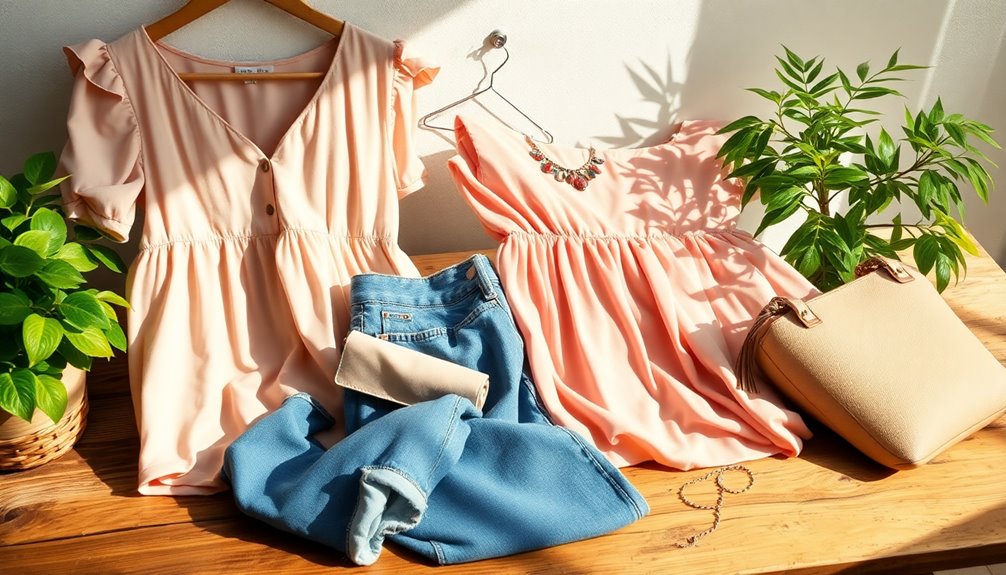
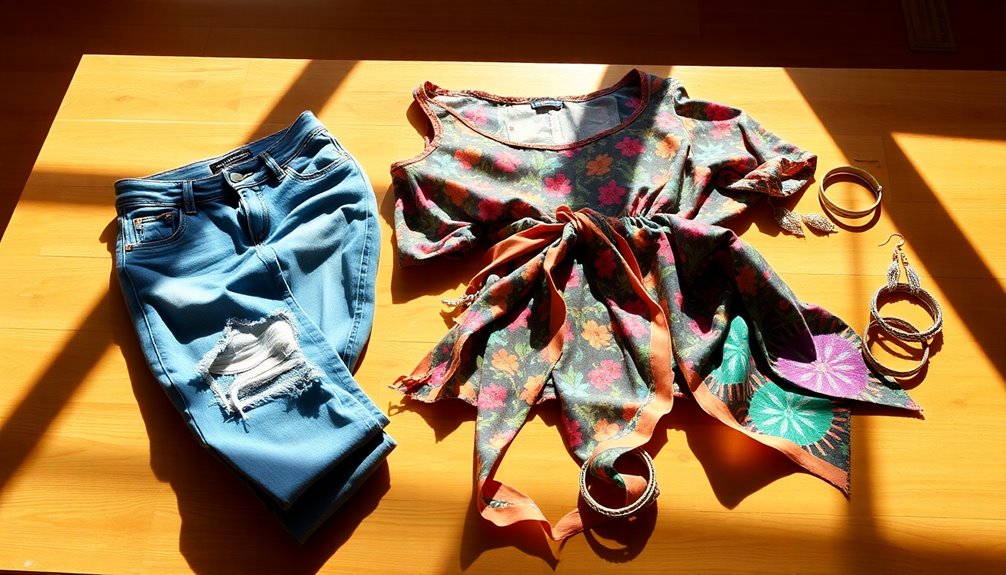
Budget fashion tips work best when they target the things that make clothes look expensive: a good fit, neutral basics you can mix together, and garments that are cared for and repaired before they wear out. You do not need a large clothing budget to look put-together. The strategies below focus on changes you can make this week, from altering a piece you already own to fixing a small problem before it becomes a replacement purchase.
Key Takeaways
- Tailoring an inexpensive garment that already fits your frame well often improves its appearance more than buying a pricier item off the rack.
- A wardrobe built around neutral colors such as black, grey, navy, tan, and white gives you more outfit combinations from fewer pieces.
- The U.S. Environmental Protection Agency estimated that about 17 million tons of textiles were generated in the United States in 2018, and that figure excludes reused garments.
- Restitching a split seam with straight machine stitching is one of the most common mending tasks and can extend the life of a garment.
- Writing a personal clothing budget before you shop makes it easier to compare purchase options and avoid impulse buys.
Why Does Grooming Matter for a Budget Wardrobe?
Grooming is the lowest-cost part of looking polished, and it often matters as much as the clothes themselves. Clean, neatly kept hair, trimmed nails, and a simple skin routine cost little and make an outfit look more intentional. Consistency matters more than expensive products.
For skin, the most useful habits are basic: cleanse gently, moisturize if your skin feels dry, remove makeup before bed, and use sunscreen during the day. If you notice a persistent rash, ongoing irritation, or a mole that changes in size, shape, or color, see a dermatologist or your primary care provider rather than relying on home remedies. Home care does not replace a medical evaluation.
Grooming also protects your clothes. Following care labels, washing garments on the recommended setting, and air-drying delicate items keep fabrics looking fresh for longer. Many items do not need washing after every wear and can be aired out between uses.
How Do Neutral Colors Stretch a Small Budget?
Neutral colors such as black, grey, navy, tan, and white act as base layers that work with most other pieces. When most of your wardrobe shares a palette, each new item gives you several outfit options instead of one. That lowers the chance of buying something that only works with a single top or pair of pants.
Start by sorting your closet by color and listing what you already own. Look for gaps, such as no navy trousers or no neutral layering piece, and fill those first. Then add one or two accent colors or patterns that coordinate with your basics.
A capsule wardrobe, a small set of deliberately chosen clothes that mix well together, is one way to organize this approach. It works best when the pieces match your daily routine. A classic blazer or a simple dress can move from work to the weekend with a change of shoes or accessories.
Does Fit Matter More Than Price?
For many outfits, fit affects how polished a garment looks more than its price tag does. Clothing that is too long in the sleeve or too wide at the waist can make an inexpensive item look careless. A modest alteration can make the same piece look custom-made. Fit also affects comfort, which determines how often you actually wear something.
Which Measurements Should You Know?
Record your bust, waist, hips, and inseam, then compare them with each brand’s size chart, since sizing differs between labels. Measure again every year or so because body measurements can change. Keep the numbers in your phone so you can check them while shopping in stores or online.
Which Alterations Are Usually Worth Paying For?
Alterations make the most sense on well-made pieces you already like, such as a jacket with good fabric whose sleeves are too long. The table below compares common fixes and when each one helps most.
| Common fix | When it helps most | Good to know |
|---|---|---|
| Shortening sleeves | Jackets, shirts, and knits that hang past the wrist | Ask whether the cuff or buttons need to move |
| Hemming pants | Trousers that bunch over shoes or stop too high | Bring the shoes you plan to wear with them to the fitting |
| Taking in the waist | Shirts, dresses, and jackets with extra fabric at the sides | Only possible if the seams have enough allowance |
| Replacing a zipper | Skirts, trousers, and jackets with a broken zipper | Often less costly than replacing the whole garment |
Ask a tailor for a written quote before work starts. Prices vary by region and by the complexity of the job, so compare two or three local shops for larger changes. Skip alterations on pieces you rarely wear, since the money is better spent on something you will use.
How Can You Mend Clothes at Home?
Basic mending can extend a garment’s life for little more than the cost of thread. A University of Tennessee Extension 4-H activity on clothing repair frames mending as a way to extend garment life, and it identifies repairing a split seam with straight machine stitching as one of the most common mending tasks. The scale of clothing waste makes this worthwhile: a Government Accountability Office report on textile waste says EPA data show textile waste rose by more than 50 percent between 2000 and 2018, which it links partly to fast fashion, a business model built on quickly producing low-cost, trend-driven clothing.
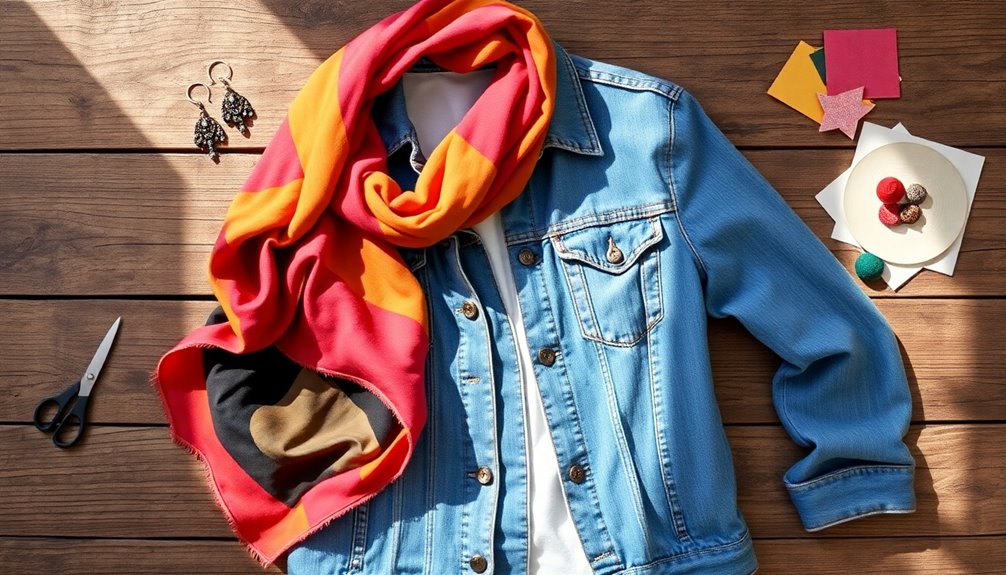
To repair a split seam, follow these steps:
- Turn the garment inside out and check that the seam allowance is still intact and not frayed.
- Pin the two sides together, matching the original stitch line.
- Set the machine to a straight stitch with a length suited to the fabric, and test on a scrap first.
- Sew slowly along the original seam line, backstitching at the start and end.
- Trim loose threads and press the seam flat.
Hand sewing works well for small jobs such as replacing a missing button or closing a small hole. Knit fabrics and delicate items can pull or break under the wrong stitch, so practice on a scrap first. If a seam is under constant strain or the fabric is torn across a large area, a tailor or repair shop can often do better work.
For other repairs around the house, see these affordable fixes for common household problems.
How Do Accessories and Layers Change an Outfit?
Accessories and layers let you change how a basic outfit looks without buying a full new look. A bold necklace, a patterned scarf, or a structured bag can make a neutral outfit feel intentional. Layering adds visual depth and helps you adapt to changing temperatures.
Which Accessories Give the Most Impact for the Money?
Choose one or two statement pieces per outfit so they stand out rather than compete. Options that work well on a budget include a chunky necklace, oversized earrings, a vibrant handbag, or a silk-style scarf that can serve as a belt or headband. Pick items that suit your daily life so you will wear them often.
How Can You Mix Textures and Layers Effectively?
Pairing different fabrics adds interest even when the colors are simple. A soft cotton top under a structured jacket, or a knit cardigan over a silk blouse, creates contrast that looks deliberate. Start with lightweight underlayers such as fitted tees or tank tops, then add cardigans, denim jackets, or blazers over them. Pair a longer tunic with a cropped jacket, or wear a long-sleeve top under a summer dress, to adapt pieces across seasons.
Is Thrifting a Good Way to Find Quality Clothes?
Thrift shopping can give you well-made pieces at a fraction of the original price when you know what to look for. Secondhand shopping also keeps usable clothing out of landfills. The U.S. Environmental Protection Agency estimated U.S. textile generation at about 17 million tons in 2018, but that figure excludes reused garments, so it does not capture all donated or resold clothing. Upcycling, which means turning an existing garment into something new or different, can add a personal touch to pieces you already own.
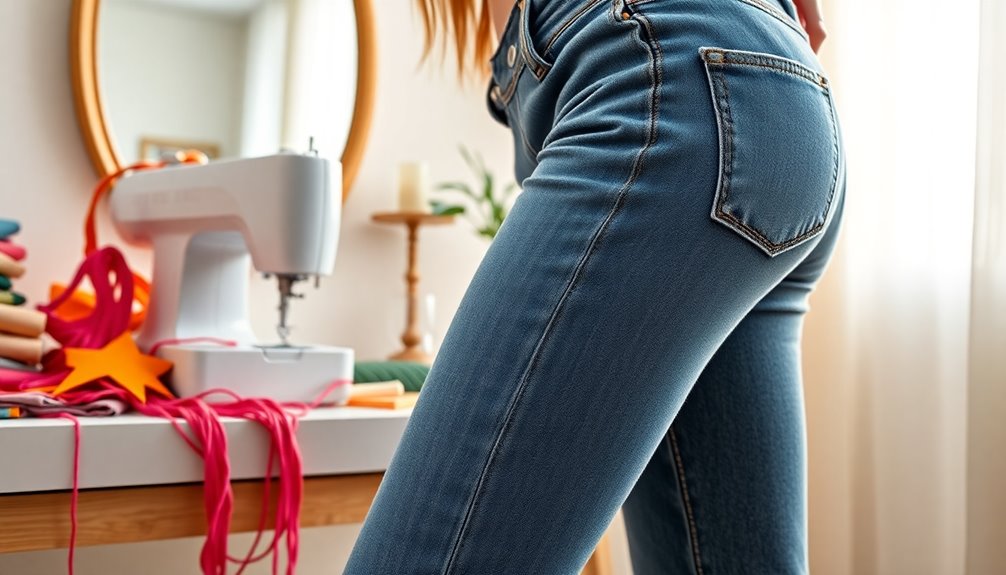
Use this checklist when you shop secondhand:
- Inspect seams, hems, zippers, and buttons for loose threads or missing hardware.
- Check the fabric for stains, holes, pilling, or odors that do not wash out.
- Look at the care label to confirm you can clean the item at home.
- Try on pieces where possible, or measure them against your saved measurements.
- Wash new-to-you clothing before wearing it, and check upholstery-style fabrics and folds for pests.
Online resale platforms also offer secondhand clothing, though shipping costs and return policies can reduce the savings. Upcycling projects, such as turning an oversized t-shirt into a crop top, work best with fabric you do not plan to wear as it is.
How Do You Set a Clothing Budget?
A clothing budget sets a fixed amount for fashion each month so purchases match your priorities. The Missouri 4-H clothing curriculum teaches learners to compare purchasing options and create a personal clothing budget, covering care, repair, and storage. Use the same approach at home by deciding what you need, what you want, and what you can afford in a given period.
A simple process looks like this:
- List the clothing you need to replace in the next six months.
- Decide how much of your overall spending can go toward clothing, using a 50/30/20 budget calculator to frame your categories.
- Compare options such as buying new, buying secondhand, or repairing what you own.
- Record each purchase in a tracker, and review it at the end of the month.
If you prefer an app to a spreadsheet, the top five budget apps for beginners include options for tracking variable spending like clothing.
Frequently Asked Questions
Can tailoring make cheap clothes look expensive?
Tailoring can make an inexpensive garment look more polished, especially when the problem is fit, such as sleeves that are too long or a waist that gapes. It cannot fully fix poor construction or thin fabric. Focus alterations on pieces that are otherwise well made.
Is it safe to wear thrifted clothes without washing them?
Washing secondhand clothing before you wear it is a sensible precaution, since you do not know how it was stored. Check the care label and wash on the recommended setting, and inspect seams and folds for signs of pests. Dry items thoroughly after washing.
What should I do if clothing causes a rash?
Stop wearing the item, wash it, and watch whether the irritation improves. If a rash persists, spreads, or is painful, see a doctor or dermatologist. They can help determine whether a dye, finish, or fabric is the trigger and recommend next steps.
How much should I spend on clothing each month?
There is no single right amount, because it depends on your income, household needs, and other financial goals. Set a fixed monthly or quarterly amount that fits your overall budget, then track what you spend against it. Adjust the number after a few months based on what you actually need.
Are DIY repairs worth it for expensive clothes?
Simple repairs are often worthwhile for pieces that fit well and are made from durable fabric, regardless of price. For high-value items or complex work, such as lining or structured tailoring, a professional repair may be the better choice. Compare the repair cost with what a replacement would cost before you decide.
Conclusion
Budget fashion tips come down to a few habits: fit your clothes well, build a wardrobe around neutral basics, mend small problems early, and shop secondhand with a plan. Each step saves money and keeps your outfits looking deliberate. Start with the one change that addresses your biggest gap, and add the others as your budget allows.
More on Budget Fashion Tips
Related guides: Best Day to Go to Goodwill: Tips for Thrift Shopping Success · Maximizing Savings: Online Deals & Discounts How-To Guide · The Ultimate Guide to Printable Coupons: Where to Find Them and How to Stack Them
Free tools: 50/30/20 Budget Calculator
This article is general information, not financial advice. Prices and deals change: check current terms before you buy. Read our financial disclaimer and editorial policy.