 0
 0
Last updated: · By Laura Bennett
A cheap family fun binder is one organized place where you keep low-cost activity ideas, outing plans, and simple meal ideas so your household can have good times without overspending. You can build one with an inexpensive binder, a small monthly fun budget, and a list of free or nearly free activities. Planning ahead matters because most overspending on family outings happens when plans are made at the last minute.
Key Takeaways
- A family fun binder works best as a short, sorted list of free and low-cost ideas grouped by season, location, or effort level.
- Set a fixed monthly fun budget first, then choose only the activities that fit inside it.
- The American Academy of Pediatrics (AAP) suggests swapping some screen time for activities such as reading, outdoor play, family games, and hobbies.
- The AAP does not set one screen-time limit for all children, so focus on adding screen-free activities to your week.
- Reviewing the binder once a month keeps its ideas fresh and removes activities your family no longer enjoys.
What Is a Family Fun Binder and Why Use One?
A family fun binder is a physical or digital collection of activity ideas, planning pages, and budget notes that your family can use to choose what to do next. It helps because decisions are faster when ideas are already written down, and it keeps spending in check when you can see what each option costs.
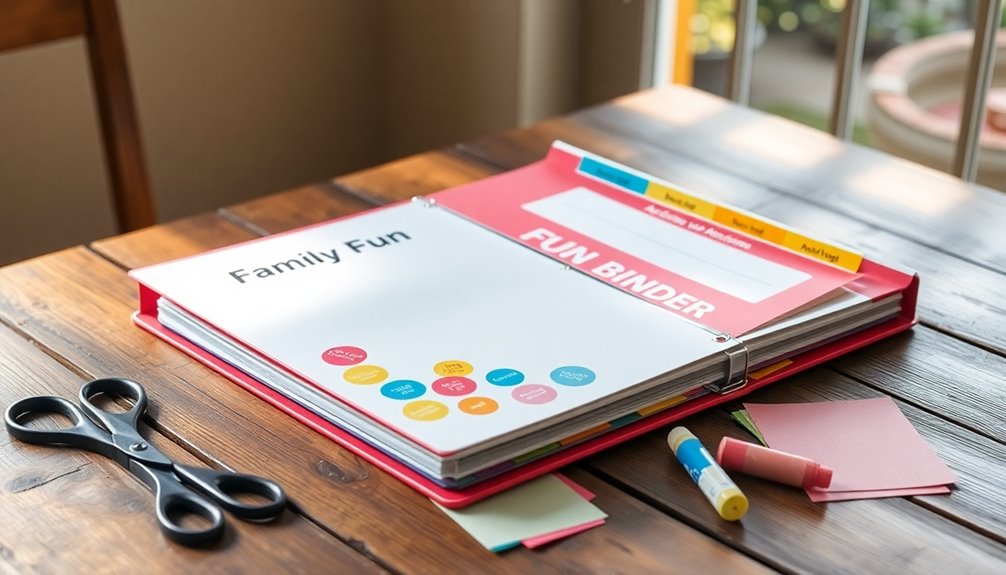
You do not need an expensive setup. A basic three-ring binder with dividers or tab sheets works for most families. A decorative cover can make the project more appealing to kids, but the content matters more than the look.
How Do You Choose the Right Binder?
Choose a binder that fits how your family will actually use it. A one-inch three-ring binder holds enough pages for most households, while a bright color or a custom cover can help younger children feel invested. If you prefer digital tools, a shared folder in cloud storage can hold the same sections and is easier to update from a phone.
Ask everyone what they want the binder to do. Common sections include outings, home activities, seasonal ideas, meal plans, and a budget page.
How Do You Set a Budget for Cheap Family Fun?
Set a fixed monthly amount for family fun before you pick any activities, then add only ideas that fit within it. A budget keeps the binder practical because every idea has a known cost. Start with an amount your household can cover from current income without using credit.
- Pick a monthly fun amount your household can comfortably afford.
- Divide it into categories such as outings, supplies, and occasional treats.
- Label each activity in the binder as free, low-cost, or planned-expense.
- Record what you spend each month and shift money between categories as needed.
If you want a starting point for how much of your income to give to wants like entertainment, the 50/30/20 budget calculator for splitting your spending can help you test different percentages.
What Are the Best Cheap Family Activities to Include?
The cheapest family activities are usually outdoors, screen-free, and built around things you already own. Parks, library programs, nature walks, and homemade games can fill most weeks at little or no cost.
Free Outdoor and Nature Activities
A nature scavenger hunt is one of the easiest free outings. Make a simple checklist with items such as a red leaf, a bird call, or a smooth rock, and let kids check off what they find. Bring water, wear sun protection, and keep younger children within sight.
Screen-Free Games and Play
Simple games need little more than your time. The AAP publishes no-cost, screen-free play ideas for preschoolers, including Simon Says, which the AAP notes can build listening skills and focus. Add a few of these to your binder so there is always a no-prep option for rainy afternoons.
DIY Crafts and Home Projects
Home craft days work well when you use materials already in the house, such as cardboard boxes, paper, tape, and leftover fabric. Keep a short list of project ideas in the binder so you can start quickly. Store a small craft kit in one bin to avoid buying new supplies each time.
Compare Low-Cost Activity Types
| Activity type | Typical cost | Good for | Practical tip |
|---|---|---|---|
| Park nature scavenger hunt | Free | Ages 4 and up | Make a checklist before you leave |
| Library story time or reading night | Free | Young children | Check your library’s event calendar |
| Family board or card game night | Free if you own the games | All ages | Rotate one game in and one out each month |
| Home craft day | Low, using household supplies | Ages 3 and up | Keep a basic craft bin ready |
| Community event or free workshop | Free or low-cost | All ages | Register early, since spots can fill |
Community Events and Volunteering
Local libraries, parks departments, and community centers often host free or low-cost events. Write their schedules into your binder’s seasonal section. Volunteering together, such as helping at a food pantry or park cleanup, can also be a no-cost family outing that gives children a sense of purpose.
How Much Screen Time Is Right, and How Can a Binder Help?
The AAP does not set one screen-time limit for every child. Its guidance focuses on adding activities such as outdoor time and screen-free family mealtimes so that screens do not crowd out other experiences. A binder helps by giving your family a ready list of alternatives.
The AAP’s evidence-based screen time guidelines explain this approach in more detail. Its advice on building a family media plan also suggests adding swaps such as reading, outdoor play, family games, and hobbies, which you can list in your binder. The AAP’s policy statement in Pediatrics on digital ecosystems recommends setting aside screen-free family time for sleep, movement, reading, and play. It also notes that sports, arts, and outdoor movement can crowd out digital media.
If you are also trimming entertainment costs, our guide on ways to watch TV without a cable subscription covers lower-cost options for home entertainment.
How Do You Plan Meals and Outings on a Budget?
Planning meals around outings prevents expensive impulse purchases on the road. Pack snacks, water, and simple meals, and choose outings where food is free or inexpensive to bring in.
Before Each Outing Checklist
- Check the weather and pack layers, sunscreen, and water.
- Confirm opening hours, free-admission days, or registration requirements.
- Pack snacks and a simple lunch so you are not buying food on the way.
- Choose a backup indoor plan in case the weather changes.
- Note the cost on your budget page after the trip.
When you do eat out, our article on frugal dining tips for eating out without overspending explains how to keep restaurant costs under control.
How Do You Organize the Binder Step by Step?
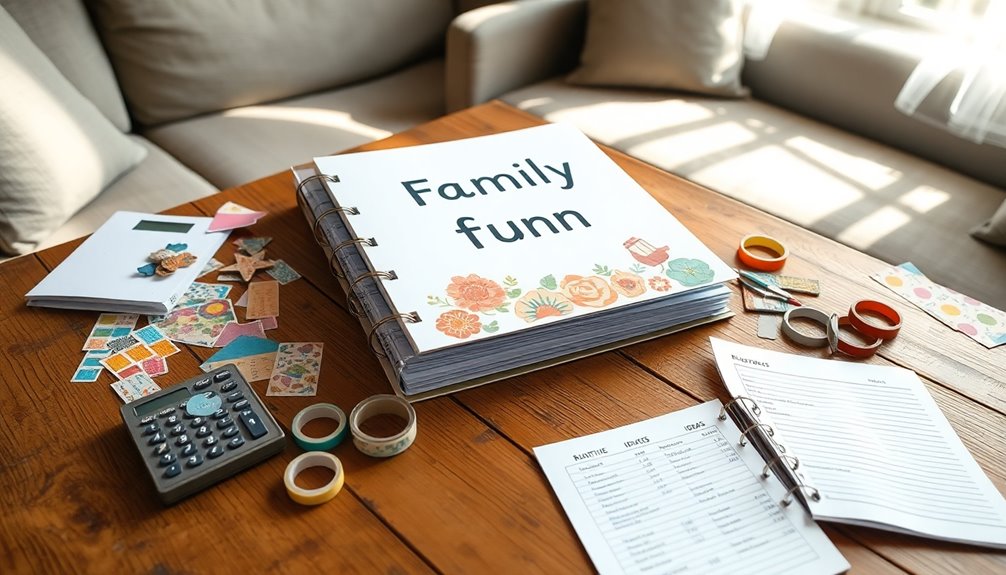
A simple structure makes the binder easy to use every week. Use dividers so each section has one clear purpose, and keep every idea on a single page or card.
- Choose a binder and add dividers for outings, home activities, seasonal ideas, meal plans, and the budget.
- Write each idea on its own card with the cost, time needed, supplies, and age range.
- Add a monthly calendar page so planned activities are visible at a glance.
- Create a short page where children can add their own ideas or vote on what to try next.
- Store printable templates, such as scavenger hunt lists, in a sleeve at the back.
How Do You Keep the Binder Useful Over Time?
Review the binder once a month, remove activities that no longer interest your family, and add two or three new ideas from your children’s suggestions. Rotating seasonal ideas keeps the binder from feeling stale and gives you new options without new spending.
Look at your budget page at the same time. If a category is consistently over or under, adjust the monthly amount rather than letting the binder drift away from what your household can afford.
When Should You Check With a Professional?
Most family fun ideas are safe for healthy children, but some need input from a healthcare professional. Talk with your pediatrician before starting strenuous activities if a child has asthma, a heart condition, or another health issue that affects exercise. Adults with physical limits should also choose hikes and outings that match their abilities.
If you have questions about how much screen time is right for your child, or about your child’s play habits or development, bring them to your pediatrician. They can give advice based on your child’s age and health history.
Frequently Asked Questions
How much should a family spend on fun each month?
There is no universal amount. Start with what your household can cover from current income without using debt, then use the binder to stretch that budget. A realistic amount you can keep to is better than a larger one you cannot maintain.
What are good free activities for toddlers?
Nature walks, library story time, and simple games like Simon Says are common no-cost options. The AAP’s no-cost play ideas for preschoolers are a good starting point. Choose activities with short steps so young children can stay engaged.
Should I use a physical or digital binder?
Either works. A physical binder is easy to use at the kitchen table and lets children flip through pages. A digital folder is easier to update and share, so many families use both.
How often should I update the binder?
A monthly review is a good schedule for most families. Remove activities that no longer interest anyone, add new ideas, and update the calendar for the coming month. Seasonal changes are a good time for a bigger refresh.
Is screen time always bad for kids?
Not necessarily, but the AAP does not set a single limit for all children. Its guidance focuses on making sure screens do not crowd out sleep, physical activity, reading, and family time. If you are unsure whether your child’s screen habits are a concern, ask your pediatrician.
Should I talk to my pediatrician about play and screen habits?
Yes, especially if you notice changes in sleep, behavior, or development. A pediatrician can review your child’s routine and suggest changes that fit their age and health. This is also a good time to ask about any activity limits before starting new sports or exercise.
Conclusion
A cheap family fun binder works because it turns good ideas into a plan you can actually use. Set a monthly budget, fill the binder with free and low-cost activities, and review it regularly so it stays relevant. With a little planning, cheap family fun becomes a routine rather than a last-minute scramble.
More on Cheap Family Fun
Related guides: Best Way to Preserve Your Entertainment Budget on a Frugal Lifestyle · Two Kids vs. Three: The Frugal Parent’s Guide to Family Planning Finances · Eat Out Without Breaking the Bank: Your Guide to Frugal Dining Experiences
Free tools: 50/30/20 Budget Calculator
This article is general information, not financial advice. Prices and deals change: check current terms before you buy. Read our financial disclaimer and editorial policy.