
 0
0
 0
0
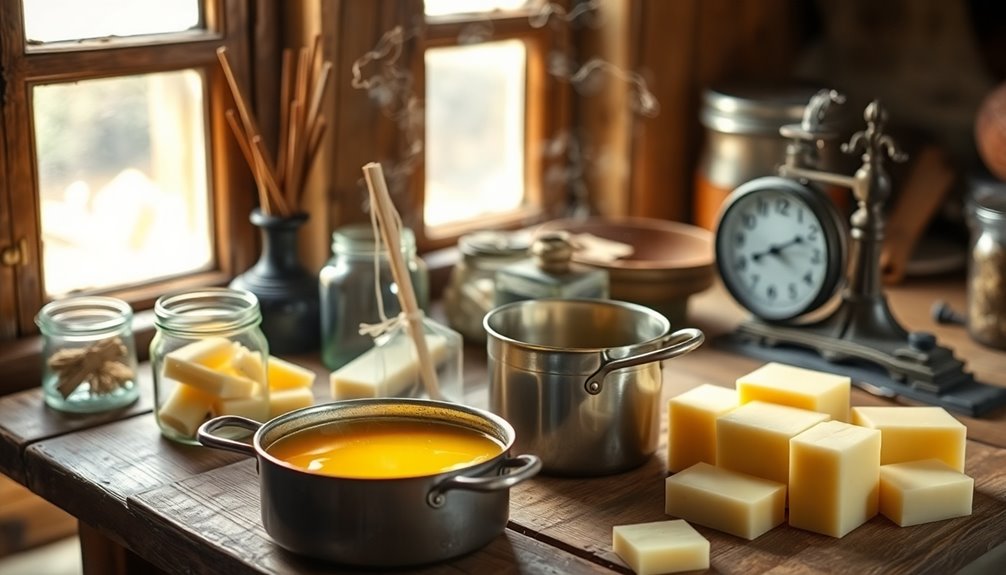
Making tallow candles is a rewarding blend of old-school frugality and sustainability. You’ll need rendered tallow, wicks, molds, and some essential oils for fragrance. Start by rendering high-quality animal fat at low heat. Once it’s melted, pour it into your molds while securing the wicks. It’s a straightforward process that results in long-burning, eco-friendly candles. If you want to uncover more tips and creative uses for your tallow candles, there’s plenty more to explore.
Why Tallow Candles? The Benefits of Going Old-School
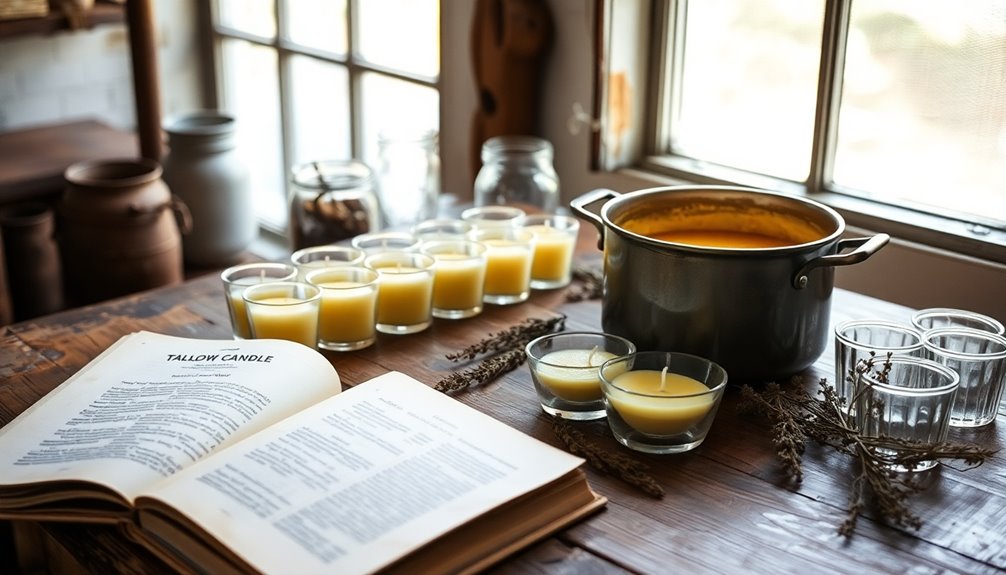
When you think about candles, tallow mightn’t be the first option that comes to mind, but embracing this old-school method has its perks.
Tallow has a rich history, dating back centuries when it was a common resource for candle-making. Using tallow not only connects you to this tradition but also offers a sustainable choice for today’s eco-conscious world.
Tallow candles burn longer and produce a warm, inviting glow that brings a sense of comfort. Plus, they carry deep candle symbolism, representing warmth, home, and connection. Additionally, the practice of making tallow candles encourages mindful consumption, allowing you to reduce waste and embrace frugality in your daily life.
What Materials Do You Need for Tallow Candles?
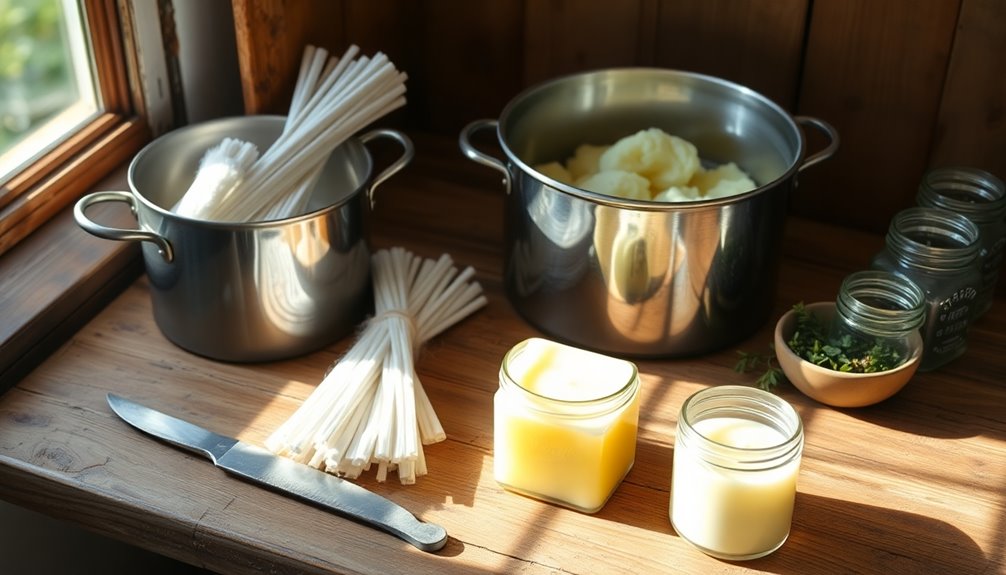
To make tallow candles, you’ll need specific materials that guarantee a successful crafting experience.
First, you’ll want to choose the right tallow source and gather essential candle-making supplies.
Don’t forget to take into account safety precautions to keep your project safe and enjoyable. Additionally, embracing frugal living strategies can enhance your candle-making experience while saving money on supplies.
Tallow Sources and Types
While you can source tallow from various animal fats, the most common options are beef and mutton.
When choosing your tallow sources, consider the following tallow types:
- Beef Tallow: Rich in flavor and widely available, it’s a popular choice for candle-making.
- Mutton Tallow: Offers a unique scent and is less common, making your candles stand out.
- Pork Tallow: Another option, though it’s typically more associated with cooking than candle-making.
- Mixed Animal Fats: Combining various sources can create a unique blend with distinct properties.
Select the right tallow source based on scent, availability, and your personal preferences.
Each type brings its own character to your candles, enhancing the homemade experience.
Essential Candle-Making Supplies
Making tallow candles requires just a few essential supplies to get started. First, you’ll need rendered tallow, which can be easily sourced from beef or lamb fat.
A double boiler is vital for melting the tallow safely, while a thermometer helps guarantee the right temperature during the process. You’ll also need molds or jars to shape your candles, along with wicks that fit your chosen containers.
Consider using additional candle making techniques, like adding essential oils for fragrance or natural dyes for color.
If you’re looking for tallow alternatives, beeswax or soy wax can work well, though they’ll produce different results.
With these supplies in hand, you’re ready to plunge into the rewarding world of candle making!
Safety Precautions Required
Before you plunge into making tallow candles, it’s crucial to prioritize safety to guarantee a smooth and enjoyable experience. Here are some essential precautions to take into account:
- Fire safety: Always keep a fire extinguisher nearby and never leave melting fat unattended.
- Workspace organization: Clear your area of clutter to minimize hazards and confirm you have everything you need within reach.
- Ventilation needs: Ensure your workspace is well-ventilated to avoid inhaling fumes during the melting process.
- Heat management: Use a thermometer to monitor temperatures, preventing overheating and potential accidents.
How to Render Tallow From Animal Fat
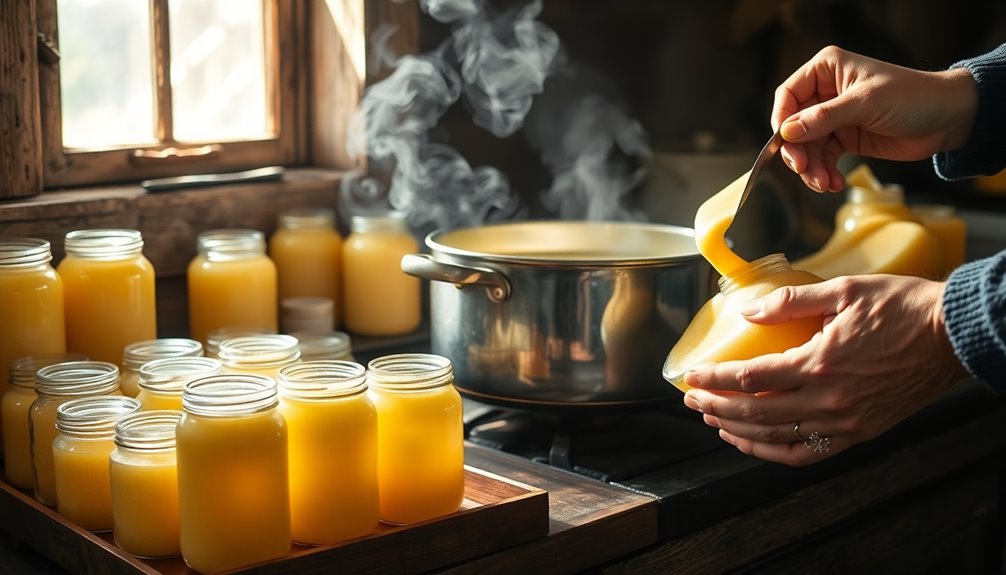
To render tallow from animal fat, you’ll need to start with high-quality fat, often sourced from beef, lamb, or pork.
When choosing your fat, prioritize animal welfare; seek suppliers who treat their animals ethically. Trim any meat or connective tissue from the fat before you begin.
Cut the fat into small pieces and place it in a heavy pot over low heat. Allow it to slowly melt, stirring occasionally to prevent burning.
As the fat liquefies, any impurities will rise to the surface. Once fully melted, strain the liquid through a fine mesh or cheesecloth into a container to remove solids.
Let it cool, and you’ll have rendered tallow ready for your candle-making adventures! Utilizing expense tracking apps can help you manage costs associated with your candle-making supplies effectively.
Choosing the Right Wick for Your Tallow Candles
When it comes to tallow candles, choosing the right wick is essential for a good burn.
You’ll want to take into account the wick material, size, and length to guarantee your candle performs well. For instance, using a natural fiber wick can enhance your candle’s overall performance and sustainability, making it a budget-friendly option.
Let’s explore these key factors to help you create the perfect flicker.
Wick Material Options
Choosing the right wick for your tallow candles is essential, as it directly impacts burn quality and fragrance throw. Here are some great wick material options to evaluate:
- Cotton wicks: Made from natural fibers, these are reliable and easy to work with.
- Wood wicks: For a rustic look, wood wicks provide a unique crackling sound and even burn.
- Hemp twine: An eco-friendly choice, hemp twine is sturdy and biodegradable.
- Pre-waxed wicks: These come ready to use, saving you time and ensuring even burning.
You might also explore braided options or various wick treatments to enhance performance.
Wick Size Considerations
Selecting the right wick size for your tallow candles can greatly affect how well they burn and how much light they emit. Proper wick sizing guarantees an ideal balance between the wax and wick, which directly influences burn performance.
If your wick is too small, it won’t create a sufficient melt pool, leading to a flickering candle with low light output. Conversely, a wick that’s too large can result in excessive soot and a rapid burn, wasting your tallow.
To find the perfect fit, consider the diameter of your candle and the type of tallow used. Testing different wick sizes can help you achieve a clean, steady flame, guaranteeing your tallow candles provide both ambiance and efficiency.
Wick Length Guidelines
While determining the appropriate wick length for your tallow candles, it’s essential to guarantee it matches the candle’s height and diameter. Proper wick measurement ensures ideal burning characteristics, resulting in a cleaner, more efficient candle.
Here are some wick measurement tips to take into account:
- Candle Height: For every inch of height, use 1/4 inch of wick length.
- Diameter Matters: Wider candles require longer wicks for even burning.
- Material Type: Different wick materials can affect burning speed, so choose accordingly.
- Test and Adjust: Don’t hesitate to test different lengths to find what works best for your specific candle.
Step-by-Step Guide to Melting Tallow
Melting tallow is a straightforward process that transforms solid fat into a usable liquid for candle making. Start by cutting your tallow into small chunks to guarantee even melting.
Place these pieces in a double boiler over low heat, allowing the fat to melt slowly without burning. Stir occasionally, keeping an eye on the temperature. As the tallow liquefies, you’re connecting with centuries of tallow history and candle traditions, where this fat was a primary source of light. This DIY method not only saves money but also contributes to waste reduction by repurposing animal fats.
Once fully melted, you can strain out any impurities using a fine mesh strainer or cheesecloth. This step assures a clean burn for your candles.
Now you’re ready to move on to pouring and shaping your tallow candles!
How to Pour and Shape Your Tallow Candles
Now that your tallow is melted and ready, it’s time to pour and shape your candles. The process can be both fun and rewarding. Here are some key pouring techniques and candle shaping tips to get you started:
- Choose Your Molds: Use silicone molds or recycled containers for unique shapes.
- Control the Temperature: Pour the tallow at around 130°F to avoid issues like cracking.
- Add Wicks: Secure your wicks in place before pouring to guarantee they stay centered.
- Experiment with Shapes: Try layering or swirling colors for a creative touch.
Incorporating eco-friendly practices into your candle-making can enhance your sustainability efforts.
With these steps, you’ll create beautiful tallow candles that not only look great but also illuminate your space with a warm glow. Enjoy the process!
Tips for Adding Fragrance to Your Tallow Candles
When you’re ready to add fragrance to your tallow candles, choosing the right essential oils is key.
You’ll want to explore natural fragrance additives and experiment with scent blending techniques to create your perfect aroma. Consider using OxiClean strategies for maintaining a fresh environment, which can inspire your scent choices.
Let’s look at some tips to help you enhance your candles’ scent profile.
Essential Oils Selection Tips
How do you choose the perfect essential oils for your tallow candles? It’s all about enhancing that warm glow with the right fragrance. Here are some tips to guide your selection:
- Consider scent intensity: Stronger oils can overpower delicate scents, so balance is key.
- Experiment with essential oil blends: Combine different oils for unique aromas that complement each other.
- Test before committing: Mix small batches to see how the fragrance holds up in the candle.
- Think about mood: Choose scents that evoke the atmosphere you want, whether calming or invigorating.
With these tips, you’ll create delightful tallow candles that fill your space with inviting fragrances. Happy crafting!
Natural Fragrance Additives Guide
Choosing the right essential oils is just the beginning of creating beautifully scented tallow candles. To elevate your candles, explore various fragrance combinations that complement each other.
For instance, mixing lavender with citrus oils can create a revitalizing and calming blend. Remember, the scent intensity matters; stronger oils like patchouli can dominate the mix, so balance is key. Start with a few drops, then adjust according to your preference.
Consider using natural additives like dried herbs or spices for an extra touch. These not only enhance the fragrance but also add visual interest to your candles.
Experiment with different combinations, and don’t be afraid to get creative—your unique scents will make your tallow candles truly special!
Scent Blending Techniques
Mastering scent blending can transform your tallow candles into aromatic masterpieces. By experimenting with various techniques, you can achieve the perfect scent intensity and create a delightful ambiance.
Here are some tips for effective fragrance layering:
- Start with a base note: Choose a strong foundation like sandalwood or vanilla.
- Add middle notes: Incorporate floral or herbal scents to balance the base.
- Finish with top notes: Use lighter, fresh scents like citrus or mint for a bright touch.
- Test and adjust: Always test your blends; tweak proportions until you find your ideal combination.
With practice, you’ll craft candles that not only smell divine but also fill your space with warmth and character.
Happy blending!
How to Color Your Tallow Candles Naturally
Ever wondered how to infuse your tallow candles with vibrant colors without relying on synthetic dyes? You can easily achieve this using natural colorants.
Start by experimenting with plant dyes like beetroot for a rich red or turmeric for a warm yellow. Simply simmer the plants in water to create a concentrated dye.
If you prefer herbal infusions, consider steeping chamomile or hibiscus in your tallow. This not only adds color but also a subtle scent.
For more intense shades, organic pigments derived from spirulina or charcoal can be mixed in.
Remember to strain your mixtures well before adding them to your melted tallow, ensuring a smooth finish. Additionally, maintaining a proper moisture barrier during the candle-making process can help preserve the quality of your materials.
Your candles will be as beautiful as they’re eco-friendly!
Common Mistakes When Making Tallow Candles
When making tallow candles, you might run into some common pitfalls. Using the wrong type of tallow or selecting an improper wick can lead to disappointing results. Let’s explore these mistakes so you can create the best candles possible. Additionally, proper budgeting for supplies is essential to avoid overspending on your candle-making journey.
Wrong Type of Tallow
Choosing the wrong type of tallow can lead to disappointing results in your candle-making journey. Many folks overlook the importance of selecting quality tallow, falling prey to common tallow misconceptions.
To help you navigate this, keep an eye out for:
- Source: Always choose tallow from grass-fed animals for better quality.
- Purity: Avoid tallow mixed with other fats; it can affect burning.
- Rendering: Properly rendered tallow guarantees a clean burn and less odor.
- Storage: Old or improperly stored tallow can spoil, ruining your candle.
Understanding these aspects will enhance your experience and connect you more deeply to the candle history of resourcefulness.
Don’t let the wrong type of tallow dim your candle-making ambitions!
Improper Wick Selection
One of the biggest mistakes in making tallow candles is improper wick selection. Choosing the wrong wick can lead to poor wick performance, resulting in candles that burn unevenly or produce excessive soot.
To avoid this, always consider the diameter of your candle and the type of tallow you’re using. Conducting wick testing is essential; try different wick sizes and materials to see what works best with your specific tallow mix.
Cotton and wood wicks can yield different results, so don’t hesitate to experiment. Proper wick selection not only enhances the burning experience but also maximizes the candle’s lifespan.
With a little trial and error, you’ll find the perfect wick that complements your tallow candles beautifully.
How to Troubleshoot Tallow Candle Issues?
Tallow candles can be a delightful addition to your home, but troubleshooting common issues can be a bit tricky.
If you’re dealing with problems, check these common culprits:
- Wick burn: Confirm it’s the right size for ideal melting temperature.
- Candle soot: This can indicate wick congestion or improper wick placement.
- Candle pooling: If the tallow consistency isn’t right, it may not burn evenly.
- Scent throw: A weak tallow scent could mean you need to adjust the wick or use more tallow.
Additionally, remember that the ideal wick size can also influence the overall burning efficiency of your candles.
Storing and Caring for Your Homemade Tallow Candles
Properly storing and caring for your homemade tallow candles can greatly enhance their lifespan and performance.
Start by keeping them in a cool, dry place away from direct sunlight, which can cause warping or discoloration. Use a breathable container, like a cardboard box, to prevent dust accumulation.
For candle maintenance, trim the wicks to about 1/4 inch before each use to guarantee a steady burn and reduce soot. If you notice any cracks or imperfections, store the candles upright to avoid further damage.
Avoid placing them near heat sources, as this can soften the tallow.
Creative Ideas for Using Tallow Candles Around the Home
Candles can transform any space, and tallow candles are no exception. These natural alternatives not only provide ambient lighting but also add a unique touch to your home decor.
Here are some creative ways to use them:
- DIY Gifts: Craft personalized tallow candles for friends and family, adding a personal touch to your gift-giving.
- Seasonal Decorations: Create themed candle displays for holidays, enhancing the festive atmosphere in your home.
- Emergency Preparedness: Keep tallow candles on hand for reliable lighting during power outages.
- Crafting Activities: Involve kids in making tallow candles, combining fun with historical significance and teaching them about traditional methods.
Using tallow candles can elevate your space while embracing a bit of old-school charm!
Eco-Friendly Benefits of Tallow Candles
Using tallow candles not only enhances your home decor but also offers numerous eco-friendly benefits. By choosing tallow, you’re embracing sustainability practices that reduce waste.
Tallow, a byproduct of animal fat, utilizes resources that might otherwise go to waste, making it a more responsible option compared to synthetic candles. Plus, tallow candles have historical significance, dating back centuries when they were a primary light source. This connection to the past reinforces the value of traditional methods in today’s eco-conscious world.
They burn cleanly, producing minimal soot and releasing fewer harmful chemicals into your home. So, when you light a tallow candle, you’re not just creating ambiance—you’re also making an eco-friendly choice that honors our historical roots.
How Tallow Candles Fit Into a Sustainable Lifestyle
Integrating tallow candles into your sustainable lifestyle not only enhances your home’s atmosphere but also aligns with eco-conscious practices. By choosing tallow candles, you embrace tallow sustainability and contribute to a greener planet.
Here’s how they fit perfectly into your eco-friendly lighting strategy:
- Natural Ingredients: Made from animal fat, they avoid harmful chemicals found in conventional candles.
- Biodegradable: Unlike paraffin, tallow candles break down naturally, reducing landfill waste.
- Energy Efficient: They burn longer and more steadily, providing more light with less waste.
- Locally Sourced: Supporting local farms for fat means less transportation impact.
Where to Find Quality Animal Fat for Tallow Candles?
Finding quality animal fat for your tallow candles is a key step in creating sustainable home lighting.
Start by visiting your local butcher; they often have access to beef suet or other animal fats. Farm markets can also be a goldmine, as local farmers might sell fresh, high-quality fat.
If you’re struggling to find sources nearby, consider exploring online suppliers who specialize in animal products.
Additionally, don’t underestimate the power of community groups; connect with local homesteaders or sustainability enthusiasts online or in person. They may have tips or even offer you some of their own stock.
With a little effort, you’ll gather the right materials for your tallow candle-making journey.
Conclusion
To sum up, making tallow candles isn’t just a blast from the past; it’s a brilliant way to light up your home with warmth and nostalgia. You’ll not only enjoy the cozy glow but also embrace a lifestyle that’s eco-friendly and budget-savvy. So gather your materials, release your creativity, and transform your space with these homemade wonders. Soon, your home will shine brighter than a thousand stars, all thanks to your newfound tallow-making skills!