

 0
0
 0
0
When it comes to downsizing, the mantra “nobody wants your sh*t” drives home the harsh truth about clutter. It’s not just about getting organized; it’s about recognizing the emotional weight of possessions. Guilt shouldn’t dictate what you keep. Shift to gratitude for what once served you, and make room for experiences that truly matter. This mental shift frees you, making it easier to let go. Discover how to embrace this philosophy and transform your space into a sanctuary.
Understanding the Philosophy Behind “Nobody Wants Your Sh*t
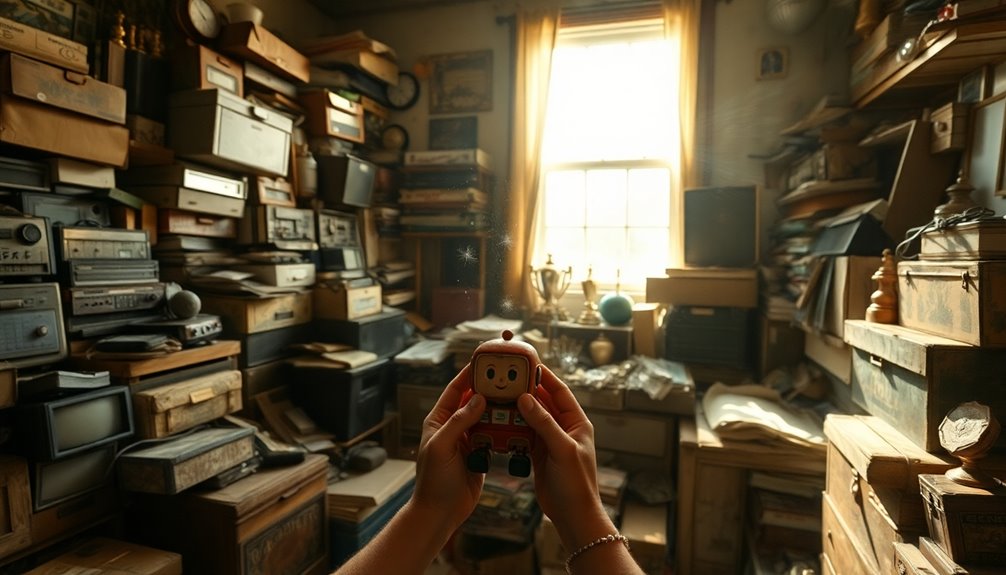
When you immerse yourself in the philosophy behind “Nobody Wants Your Sh*t,” you’ll discover that emotional attachments and guilt are often the biggest barriers to decluttering.
This approach emphasizes personal responsibility, urging you to evaluate your possessions based on love and utility instead of obligation. It’s a call for simplicity and intentionality, challenging the misconception that sorting items into containers solves clutter.
Instead, it highlights the importance of reducing the overall quantity of belongings. Most unwanted items will eventually be discarded by heirs, so it’s vital to take charge of your space now. Additionally, adopting a frugal mindset can help you prioritize what truly adds value to your life and encourages mindful spending.
The Emotional Weight of Unwanted Possessions

Decluttering often brings a profound sense of liberation, yet the emotional weight of unwanted possessions can make the process challenging. You might find yourself holding onto items due to emotional attachments rooted in guilt or obligation, convinced that family or friends will cherish them.
However, many of these possessions may end up discarded after you’re gone. Letting go of unnecessary belongings isn’t just about creating physical space; it’s about freeing your mental space too.
Sorting through family heirlooms can evoke strong emotions, like sadness or nostalgia. Acknowledging this emotional weight is essential, as it allows you to focus on what truly matters, ultimately making your decluttering journey more meaningful and fulfilling. Embracing the importance of frugal living can enhance your ability to let go of items that no longer serve you.
Why Guilt Shouldn’t Dictate What You Keep
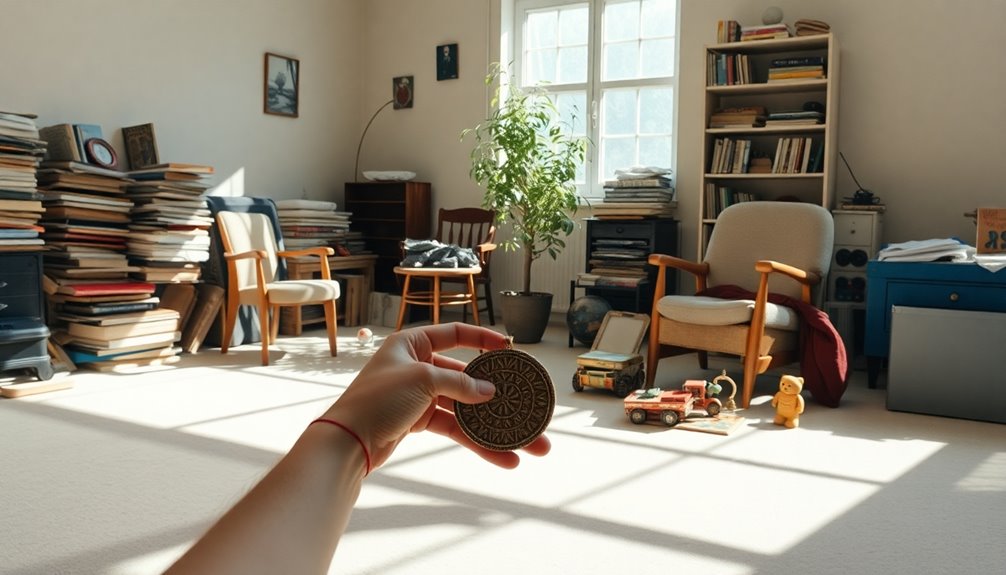
Guilt often holds you back from letting go of items that no longer serve a purpose. Those emotional attachments to gifts or family heirlooms can weigh you down, cluttering your space with possessions that don’t reflect your current life.
Remember, the philosophy of “Nobody Wants Your Sh*t” encourages you to release items kept out of obligation. Instead of feeling guilty, focus on gratitude for what these items once provided. Acknowledge their past usefulness, but don’t let that dictate your choices.
Recognizing that your family mightn’t cherish inherited things either can help you feel empowered to let go. Downsizing isn’t about losing memories; it’s about creating space for what truly matters to you now. Embracing a frugal lifestyle can also help you appreciate simplicity and prioritize meaningful experiences over material possessions.
The Importance of Gratitude in Letting Go
Letting go of possessions can feel intimidating, especially when emotional attachments run deep, but gratitude can be your guiding light in this process. By acknowledging the role items played in your life, you can ease the shift of downsizing.
Here’s how to embrace gratitude while letting go:
- Reflect on Purpose: Recognize the usefulness these items provided in the past.
- Shift Perspective: View letting go as liberation, not loss.
- Release Guilt: Instead of keeping items out of obligation, focus on their past value.
- Foster Intentional Living: Keep only what truly resonates with you, reducing clutter for a lighter space.
With gratitude, you’ll find it easier to part ways with items that no longer serve a purpose in your life. Embracing a frugal mindset can enhance your ability to appreciate what truly matters and facilitate the letting go process.
Recognizing the Difference Between Love and Obligation
When you’re sorting through your belongings, it’s essential to understand whether you keep items out of love or obligation.
Emotional attachments can cloud your judgment, making it hard to let go of things that no longer serve you. Recognizing the difference can lead to long-term savings by helping you prioritize which items are truly valuable and worth keeping.
Emotional Attachments vs. Utility
How do you distinguish between your genuine affection for an item and the obligation to keep it? Understanding this difference is key to successful downsizing.
Recognize that emotional attachments often stem from guilt rather than love. Here are four questions to help clarify your feelings:
- Does this possession serve a practical utility in my life?
- Am I keeping it out of gratitude for its past usefulness?
- Would I still want this item if it wasn’t tied to a memory?
- Does it enhance my life or create clutter?
Guilt-Free Letting Go
Recognizing the difference between love and obligation can profoundly ease the burden of downsizing. Guilt isn’t a valid reason to keep possessions; letting go of items you’re holding onto out of obligation can lead to emotional freedom and a lighter living space.
Many emotional attachments to gifts or inherited items stem from obligation rather than genuine love. Evaluate the true value of these possessions. Remember, gratitude for an item’s past usefulness can coexist with the decision to release it.
Decluttering is about prioritizing your current needs and happiness. By embracing a guilt-free approach to letting go, you foster a mindset that values personal well-being and intentional living over sentimental attachments, making the downsizing journey much easier.
Practical Steps to Start Your Decluttering Journey
To kick off your decluttering journey, set clear goals that outline what you want to achieve. Start with small tasks to build momentum and avoid feeling overwhelmed. Finally, create a donation plan to guarantee your unwanted items find a new home and help others in the process. Consider connecting with like-minded individuals to enhance motivation and accountability throughout your decluttering process.
Set Clear Goals
While decluttering can feel overwhelming, setting clear goals provides a focused approach that can make the journey manageable.
Start by identifying specific areas to tackle. Here are some practical steps to contemplate:
- Choose Specific Areas: Focus on clothing, books, or sentimental items to streamline your decisions.
- Establish a Timeline: Set deadlines for each decluttering task to stay motivated and track your progress.
- Create Criteria for Keeping: Determine what stays based on frequency of use or emotional significance to guide your choices.
- Remember the Burden: Use the principle that “nobody wants your sh*t” as a reminder to let go of unnecessary items that could burden you or your loved ones later.
Start Small Tasks
Starting with small tasks can make your decluttering journey feel more manageable and less intimidating.
Begin by focusing on one small area, like a drawer or shelf. Set a timer for 15-30 minutes to create a focused decluttering session that encourages progress without overwhelming you.
Use the “Four-Box Method” to categorize items into “Keep,” “Donate,” “Trash,” and “Unsure.” This system simplifies decision-making and helps you determine what truly deserves space in your life.
Prioritize items based on their utility and emotional value. Celebrate small victories, like clearing that one drawer, to maintain your motivation.
Create Donation Plan
After tackling small tasks, it’s time to create a donation plan that helps you efficiently part with items you no longer need. Follow these steps to streamline your decluttering process:
- Identify items that don’t serve a purpose or bring joy; categorize them into donate, recycle, or discard.
- Research local charities and organizations that accept donations, ensuring they align with your values.
- Schedule decluttering sessions, dedicating specific times to tackle different areas of your home to stay organized.
- Use a checklist to track what you plan to donate and any necessary tax documentation for deductions.
Engaging friends or family can make this journey more manageable and enjoyable.
Don’t hesitate to donate items that can benefit others!
The Impact of Clutter on Mental Health and Well-Being
Clutter can greatly impact your mental health and well-being, often consuming mental energy and leading to increased stress and anxiety. You might feel overwhelmed by possessions and the responsibilities they bring.
Research shows that living in cluttered environments can hinder focus and productivity, making it tougher to achieve your goals. Decluttering allows you to create emotional space, enhancing clarity and control in your life.
The act of letting go of unnecessary items can feel liberating and empowering, reinforcing your personal boundaries. By reducing clutter, you can shift your focus from material possessions to more fulfilling experiences and relationships, ultimately boosting your overall happiness and well-being. Embracing thrift store treasures can not only aid in decluttering but also support local community initiatives.
Embrace the freedom that comes with a decluttered life.
How to Tackle Emotional Attachments to Items
When you start decluttering, it’s essential to recognize the emotional triggers tied to your belongings.
Focus on the meaningful memories those items represent, rather than the guilt or sentimentality that may hold you back. Utilizing tools like expense tracking apps can simplify financial organization, allowing you to focus more on what truly matters.
Recognize Emotional Triggers
Recognizing emotional triggers is essential for anyone looking to downsize effectively, as these feelings can often cloud your judgment about what to keep and what to let go.
Confronting emotional attachments can help you navigate decluttering with clarity. Here are some strategies to manage your feelings:
- Acknowledge guilt—understand that it’s okay to let go.
- Reflect on gratitude—appreciate past usefulness without needing to hold onto items.
- Prioritize mental energy—realize that keeping unnecessary items drains your emotional resources.
- Shift your mindset—focus on future disposal as a proactive step toward freedom.
Focus on Meaningful Memories
Emotional attachments to items can be tough to navigate, especially when it comes to meaningful memories. Recognizing that letting go of certain belongings doesn’t erase your family history is key. Instead, it can help you declutter and create a lighter living space.
Practice gratitude for what those items once brought you, which can ease the decision to part with them. Consider digitizing photos to preserve those memories without the physical clutter.
Sharing stories and family history with loved ones enhances connections and can help you determine what truly matters. By focusing on meaningful memories rather than the items themselves, you’ll find it easier to let go and embrace a more organized, fulfilling life.
What Strategies Can Help Prevent Future Clutter Accumulation?
To prevent future clutter accumulation, it’s essential to be intentional about what comes into your home.
Here are some strategies to help you maintain a clutter-free space:
- Assess your needs: Before acquiring anything new, ask yourself if you genuinely need it or if it brings you joy.
- Set boundaries: Establish clear limits on what can enter your home, focusing on quality over quantity.
- Avoid impulse buys: Steer clear of shopping during emotional moments; this helps reduce unnecessary clutter.
- Decline free items: If you don’t love or need it, say no to items that could add to your clutter.
- Consider eco-friendly products: Opt for affordable and effective cleaning products that promote sustainability and can help maintain a cleaner home without excess waste.
Misconceptions About Organizing vs. Decluttering
Maintaining a clutter-free space requires more than just preventing future accumulation; it also involves understanding the difference between organizing and decluttering.
Organizing clutter into bins or containers doesn’t eliminate it; it just makes it look neater. Many believe sorting items into designated spaces is the solution, but reducing your possessions is far more effective.
Remember, clutter is still clutter, even if it’s neatly stored away. The focus should be on simplifying and decluttering first. Budgeting and saving should also be emphasized, as this allows for a more intentional approach to what you choose to keep.
Once you’ve assessed what’s truly necessary, then consider storage solutions for only the items you need. This approach guarantees your space remains manageable and truly clutter-free, rather than just appearing tidy while still filled with excess belongings.
The Role of Community in the Downsizing Process
When you’re downsizing, connecting with a community can make a world of difference.
You’ll find support and shared experiences that lighten the emotional load, plus practical tips to streamline your process.
Engaging with others facing similar challenges not only fosters camaraderie but also opens up access to valuable resources you mightn’t have on your own.
Shared Experiences and Resources
Engaging with a community can greatly ease the emotional and practical challenges of downsizing. By connecting with others, you can benefit from shared experiences and community engagement that lighten your load.
Here are four ways community can help:
- Problem-solving: Collaborate on decluttering strategies and hear how others tackled similar challenges.
- Emotional support: Share your feelings with peers who understand the emotional burden of letting go.
- Resource exchange: Discover practical guides and literature that offer effective downsizing strategies.
- Learning opportunities: Gain insights from others’ successes and setbacks, enhancing your own downsizing journey.
Supportive Downsizing Networks
Connecting with others on your downsizing journey can lead to the formation of supportive downsizing networks that make this process more manageable. Engaging with community members who share similar challenges provides valuable emotional backing and motivation.
These networks encourage discussions that reveal effective strategies for sorting through your possessions, making the experience less isolating. By sharing personal stories and solutions, you’ll confront emotional attachments and empower yourself to let go.
Collaborative efforts enhance accountability, as members inspire each other to prioritize intentionality in acquiring new items and to avoid clutter cycles. Ultimately, a supportive community can transform downsizing from a challenging task into a shared experience, making your journey smoother and more fulfilling.
Facing the Reality of Future Disposal and Legacy
Although it’s difficult to confront, thinking about how your belongings will be handled after you’re gone can be a powerful motivator for decluttering now.
Contemplating the fate of your possessions can inspire a much-needed decluttering journey today.
Here are four considerations to keep in mind:
- Future Disposal: Most possessions will likely be discarded by your heirs, making it essential to evaluate them now.
- Emotional Burdens: Sorting through your items can weigh heavily on loved ones during their grief.
- Valued Items: Keep only those possessions that genuinely bring you joy or serve a purpose.
- Intentional Legacy: Acknowledging how your items may be treated encourages a lighter legacy for your family.
Learning to Value Experiences Over Material Possessions
When you shift your focus from material possessions to meaningful experiences, life takes on a new vibrancy. You start to value experiences over things, realizing that true fulfillment comes from personal growth and connections rather than clutter.
Decluttering not only clears your space but also your mind, providing emotional relief as you let go of unwanted items. This liberating process allows you to prioritize what truly matters, making room for adventures and relationships that enrich your life.
Tips to Stay Motivated During the Decluttering Process
Embracing experiences over material possessions sets a powerful foundation for your decluttering journey.
To stay motivated during this process, consider these tips:
- Break it down: Tackle manageable tasks by focusing on one category or area at a time. This reduces overwhelm and keeps your motivation high.
- Set clear goals: Define specific objectives for each session, like the number of items to discard or the time you’ll spend decluttering.
- Create a reward system: Celebrate milestones with small rewards to reinforce positive behavior and maintain engagement.
- Lean on supportive friends: Surround yourself with individuals who understand your goals; their encouragement can provide essential motivation.
Celebrating Your Progress: What Comes After Downsizing?
Once you’ve successfully downsized, it’s time to celebrate the transformation and the newfound space in your life. You might feel an emotional lift, as letting go of excess creates mental clarity.
Consider hosting a small gathering to showcase your decluttered space; it’s a great way to share your joy with friends and family. This celebration reinforces your downsizing journey, reminding you of the meaningful experiences you now prioritize over material possessions.
Host a gathering to celebrate your decluttered space and share the joy of prioritizing meaningful experiences over material possessions.
As you embrace a minimalist lifestyle, take a moment to acknowledge your milestones, like completing a decluttering project. Celebrating progress not only boosts motivation but also helps instill positive habits that encourage ongoing simplification.
Enjoy this new chapter and the freedom it brings!
Conclusion
In your journey of downsizing, remember: it’s not about the stuff, it’s about your spirit. Shed the shackles of sentimental stuff and savor the space you create. Letting go liberates you, allowing you to focus on fulfilling experiences rather than forgotten furnishings. Celebrate your strides, no matter how small, and embrace this exciting evolution. By prioritizing purpose over possessions, you’ll find peace in simplicity and a sense of serenity in your surroundings.