 0
0
 0
0
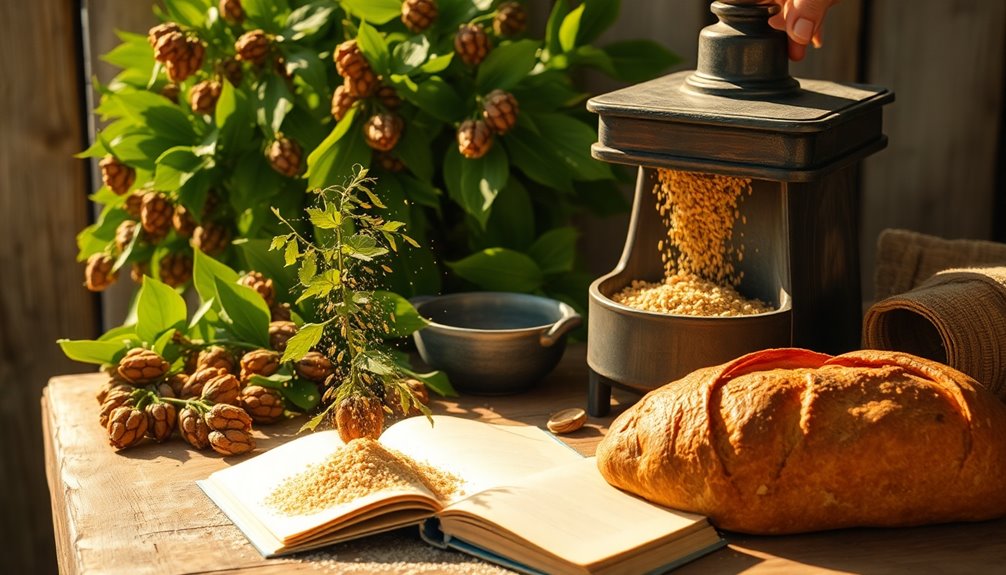
Making mesquite flour is a rewarding process that starts with foraging pods from mesquite trees in arid regions, particularly in the southwestern U.S. Harvest ripe, brown pods during late summer to early fall, ensuring you collect responsibly. After drying and grinding the pods, you’ll have a nutritious, gluten-free flour with a unique nutty flavor. It’s versatile for both sweet and savory recipes. Stick around to uncover tips and tricks for using your homemade flour.
Why Choose Mesquite Flour for Your Baking?
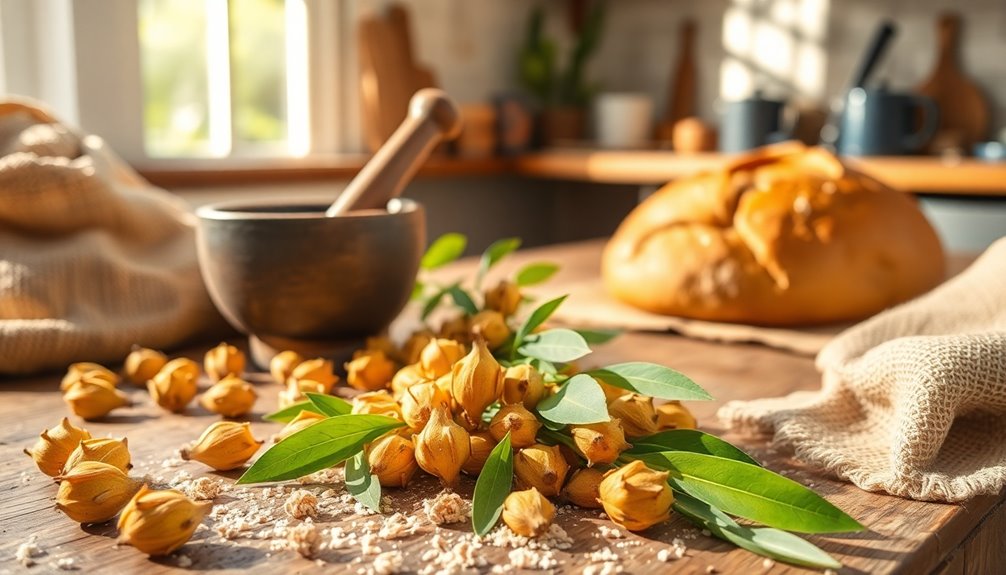
Mesquite flour stands out as a unique alternative to traditional flours, offering a rich, nutty flavor that can elevate your baked goods. This gluten alternative isn’t just about taste; it’s packed with health benefits.
Rich in protein, fiber, and essential minerals, it can boost the nutritional value of your recipes. When you bake with mesquite flour, you’ll notice distinct texture differences, giving your treats a delightful, slightly chewy quality.
Its unique flavor profile pairs well with both sweet and savory dishes, making it versatile for various recipes. Plus, if you’re looking to explore healthier baking options, mesquite flour is a fantastic choice that can transform your culinary creations while keeping them gluten-free. Additionally, embracing frugal habits can enhance your baking experience by allowing you to create nutritious meals on a budget.
Where to Find Mesquite Pods: Best Foraging Spots
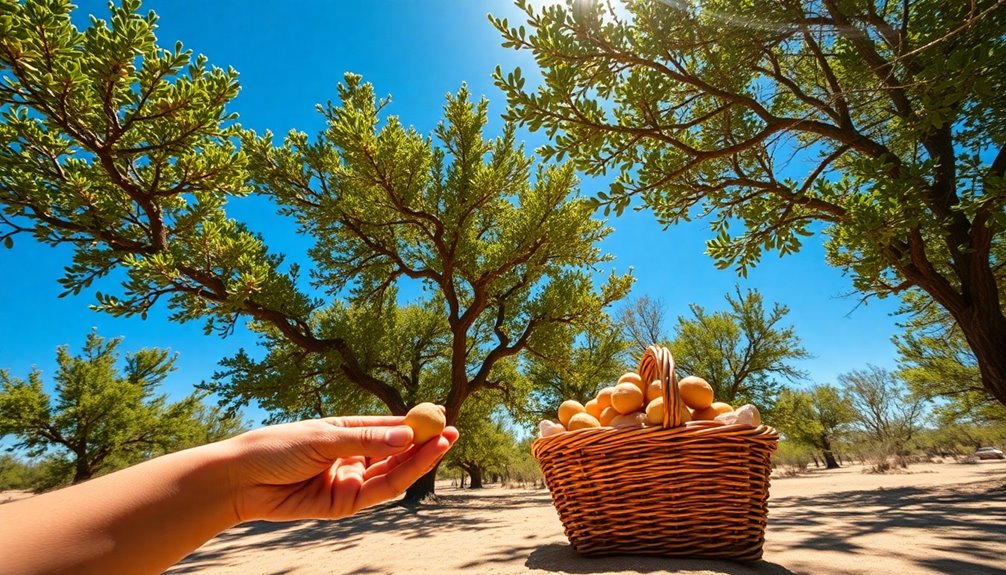
If you’re enthusiastic to gather mesquite pods for flour-making, knowing where to look can make all the difference.
Start by exploring arid regions, especially in the southwestern United States, where mesquite trees thrive. Look for pod locations along riverbanks, in open fields, and under the shade of these hardy trees.
Explore arid southwestern regions where mesquite trees thrive, searching along riverbanks and open fields for pods.
Use foraging techniques like scanning the ground beneath the branches, as pods often drop in clusters. Early morning or late afternoon is the best time to forage when temperatures are cooler.
Also, don’t hesitate to ask locals about their favorite spots; they might share hidden gems.
Incorporating budget-friendly cooking into your meals can enhance your foraging experience.
Remember to respect nature and only take what you need to guarantee sustainable foraging.
Happy hunting!
The Best Time of Year to Forage Mesquite Pods
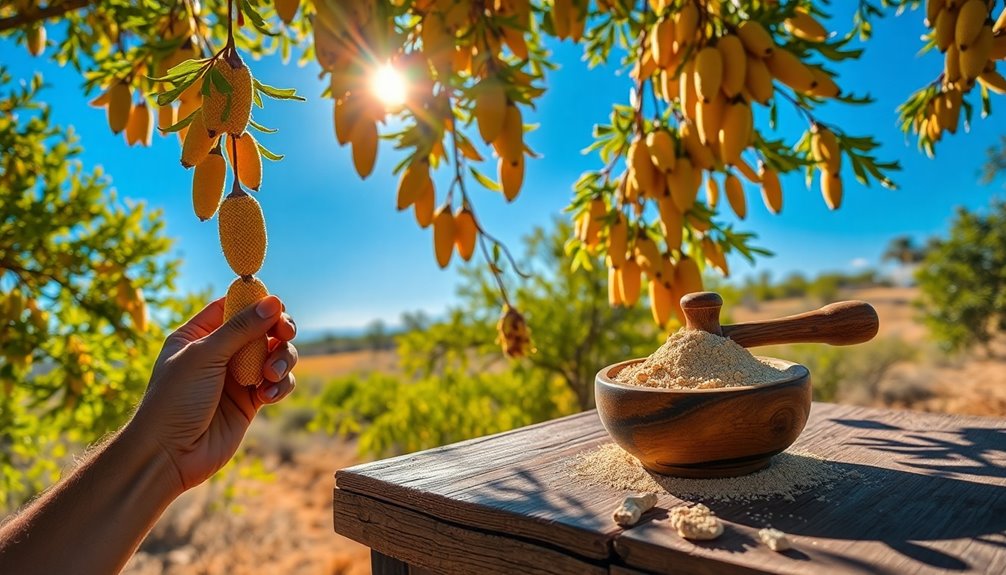
Timing is essential when foraging for mesquite pods, as they’ve a specific season for ideal harvesting. Generally, late summer to early fall is the best time to gather these pods, coinciding with their peak seasonal growth.
During this period, you’ll find the pods fully developed and sweet, making them perfect for your flour-making endeavors. To guarantee you’re following the best foraging practices, look for pods that are brown and slightly dry, avoiding any that appear shriveled or moldy.
Early mornings or late afternoons are ideal for foraging, as temperatures are cooler and the pods are less likely to be damaged by the sun. By timing your foraging trips well, you’ll maximize your harvest and quality. Additionally, understanding the importance of seasonal growth patterns can enhance your foraging success.
How to Identify Edible Mesquite Pods Safely
When foraging for mesquite pods, you need to know how to identify them correctly to guarantee they’re safe to eat.
Look for key features like their shape and color, and be mindful of the best harvesting timeframe. Following safe foraging practices will help you enjoy this nutritious resource without worry. Additionally, understanding the benefits of using expense tracking apps can enhance your financial management while foraging for natural ingredients.
Key Identification Features
Identifying edible mesquite pods is essential for safe foraging.
First, focus on the mesquite species you’re dealing with. The most common edible varieties include the honey mesquite and velvet mesquite.
Look for pods that are long, slender, and tapering at the ends, typically measuring 4 to 10 inches. They should be brown and dry, with a slightly wrinkled texture.
Avoid any pods that are green or show signs of mold. When you shake the pods, you should hear the seeds rattling inside—this indicates they’re mature.
Additionally, check for a sweet aroma; this is a good sign!
Always verify you’re correctly identifying these pod characteristics before harvesting to enjoy safe foraging experiences.
Harvesting Timeframe
To guarantee you’re harvesting mesquite pods at the right time, keep an eye on their color and texture throughout the growing season. Look for pods that turn a rich, brown color and feel dry but still pliable. This usually happens in late summer to early fall, depending on your location.
When using effective harvesting techniques, gently shake the branches to see if pods fall. If they do, they’re ripe and ready to collect.
Be mindful of seasonal considerations, as moisture levels can affect the pods’ readiness. If you wait too long, they might split or become overly dry. Proper timing assures you gather the best quality pods for your mesquite flour.
Safe Foraging Practices
As you venture into the wilds to forage for mesquite pods, it’s essential to know how to distinguish the edible ones from potentially harmful varieties. Look for pods that are long, slender, and a golden-brown color; avoid any that appear shriveled or blackened.
Familiarize yourself with local regulations regarding foraging—some areas may have restrictions to protect native ecosystems. Practice foraging ethics by only harvesting what you need and leaving plenty for wildlife and future growth.
Additionally, verify you’re foraging in clean, unpolluted areas, away from roads or industrial sites. By adhering to these guidelines, you’ll enjoy a safe and sustainable foraging experience while reaping the benefits of mesquite flour.
Happy foraging!
Steps to Harvest Mesquite Pods Responsibly
When it comes to harvesting mesquite pods, timing is essential for the best flavor and texture.
You’ll want to follow sustainable foraging practices to guarantee the health of the trees and surrounding ecosystem. Additionally, using native plants not only supports local wildlife but also ensures a more balanced environment while foraging.
Let’s explore how to pick the right time and do it responsibly.
Timing Your Harvest
Harvesting mesquite pods at the right time guarantees you get the best flavor and nutritional value. Aim for late summer to early fall when the pods turn a rich brown and start to dry out. This is the ideal window for prime pod selection.
Check the pods for firmness; they should feel slightly crunchy but not overly brittle. Follow best harvesting practices by gently shaking the branches to see if ripe pods fall. If they do, you know it’s time to gather.
Use a basket or cloth to collect them, ensuring you only take what you need. This way, you’ll enjoy the most delicious mesquite flour while minimizing waste and maximizing your foraging experience.
Sustainable Foraging Practices
To secure a sustainable foraging experience, it’s essential to respect the ecosystem while gathering mesquite pods. By practicing ethical foraging, you guarantee that your harvesting efforts benefit both you and the environment.
Here are some steps to follow:
- Only collect pods from healthy trees, allowing them to thrive.
- Limit your harvest to 10% of what’s available, safeguarding future growth.
- Forage in areas where pods are abundant, minimizing your impact.
- Always leave some pods for wildlife, supporting local ecosystems.
Preparing Mesquite Pods for Flour Production
Start by selecting ripe, dried pods, ensuring they’re free from mold or pests. Next, remove the tough outer skin and any seeds, focusing on the sweet, edible pulp. This pod preparation is vital for achieving a fine flour texture.
Select ripe, dried mesquite pods, removing the tough skin and seeds to reveal the sweet pulp essential for fine flour.
After cleaning, you can either grind them immediately or store them in a cool, dry place for later use. For ideal flour storage, use airtight containers to keep moisture and pests out. Proper storage techniques can help extend shelf life and maintain the pods’ flavor and nutritional benefits until you’re ready to transform them into delicious mesquite flour.
How to Dry Mesquite Pods at Home
Drying mesquite pods at home is a straightforward process that enhances their flavor and usability. You can use various drying techniques to preserve these nutritious treasures. Here’s how to get started:
- Air Drying: Lay pods in a single layer in a warm, dry spot with good airflow.
- Oven Drying: Set your oven to the lowest temperature and place pods on a baking sheet for a few hours.
- Dehydrator: Use a dehydrator for consistent results, following the manufacturer’s instructions.
- Storage: Once dried, store pods in a cool, dark place in airtight containers to maintain freshness. Incorporating natural oils can enhance the preservation of your dried goods, promoting a healthier pantry environment.
Grinding Mesquite Pods Into Flour: a Simple Guide
Grinding mesquite pods into flour releases their rich, nutty flavor and nutritional benefits, making it a fantastic addition to your cooking.
Start by breaking the dried pods into smaller pieces to make the grinding process easier. You can use a coffee grinder, food processor, or mortar and pestle, depending on what you have on hand.
Experiment with different grinding techniques to achieve your desired flour consistency—fine for baking or coarser for a more rustic texture.
It’s essential to sift the flour afterward to remove any larger bits, ensuring a smooth blend in your recipes.
With a little practice, you’ll master the art of grinding mesquite pods, opening up new culinary possibilities. Additionally, using tools for financial management can help you budget for your foraging adventures.
Cooking and Baking With Mesquite Flour: Tips and Tricks
Here are some tips and tricks to get you started:
- Mix it up: Combine mesquite flour with other flours for balanced texture.
- Experiment with baking techniques: Adjust liquid ratios, as mesquite flour is absorbent.
- Pair with complementary flavors: Think chocolate, cinnamon, or vanilla to enhance its natural sweetness.
- Start small: Use mesquite flour in a portion of your recipe to gauge its flavor profile before diving in fully.
- Incorporate low-poo shampoos to maintain moisture balance in your baking process, ensuring that your kitchen remains as nourishing as your meals.
With these strategies, you’ll enjoy delicious, budget-friendly meals that highlight mesquite flour’s unique qualities!
Nutritional Benefits of Mesquite Flour You Should Know
Mesquite flour isn’t just a flavorful addition to your pantry; it also packs a nutritional punch. This unique flour boasts a rich nutrient profile, including high levels of protein, fiber, and essential minerals like calcium and magnesium.
Mesquite flour is a flavorful powerhouse, rich in protein, fiber, and essential minerals like calcium and magnesium.
The health benefits are impressive; it can help stabilize blood sugar levels and improve digestion thanks to its low glycemic index. Plus, mesquite flour is naturally gluten-free, making it an excellent choice for those with dietary restrictions.
Incorporating it into your meals not only enhances flavor but also boosts your overall nutrition. Whether you’re baking or cooking, using mesquite flour can contribute to a healthier lifestyle while keeping your taste buds satisfied. Additionally, using mesquite flour can enhance overall investment strategy for those looking to balance their budget and nutrition.
Give it a try, and enjoy the benefits!
Creative Recipes Using Mesquite Flour for Every Occasion
While exploring new ingredients can be exciting, incorporating mesquite flour into your cooking opens up a world of creative possibilities. You can whip up delicious meals and treats that your family will love.
Here are a few ideas to get you started:
- Sweet treats: Try mesquite flour brownies for a unique twist on a classic.
- Savory dishes: Use it in savory pancakes or as a base for rustic breads.
- Breakfast options: Make gluten-free muffins that everyone will enjoy.
- Energy snacks: Create kid-friendly energy bars packed with nutrients.
These recipes not only celebrate the flavor of mesquite flour but also bring joy to every occasion, from holiday recipes to everyday meals.
Get creative and savor the experience!
Troubleshooting Common Issues When Using Mesquite Flour
When you start experimenting with mesquite flour, you might encounter a few challenges along the way. One common issue is the flour’s unique texture, which can be coarser than traditional flours. To address this, consider adjusting the texture by blending it with a finer flour or using a food processor.
If the flavor is too strong for your taste, try pairing mesquite flour with complementary ingredients like cocoa or spices to balance it out. Additionally, remember that mesquite flour absorbs more moisture, so you may need to tweak your liquid ratios in recipes.
Conclusion
Incorporating mesquite flour into your baking not only enhances flavor but also connects you to nature. Imagine pulling warm, freshly baked mesquite cookies from the oven, their sweet, nutty aroma filling your kitchen, reminding you of sunlit foraging trips. By choosing this unique ingredient, you’re not just saving money; you’re embracing a sustainable lifestyle. So, grab those pods and get creative—you’ll be amazed at the delicious possibilities waiting to be explored!