 0
0
 0
0
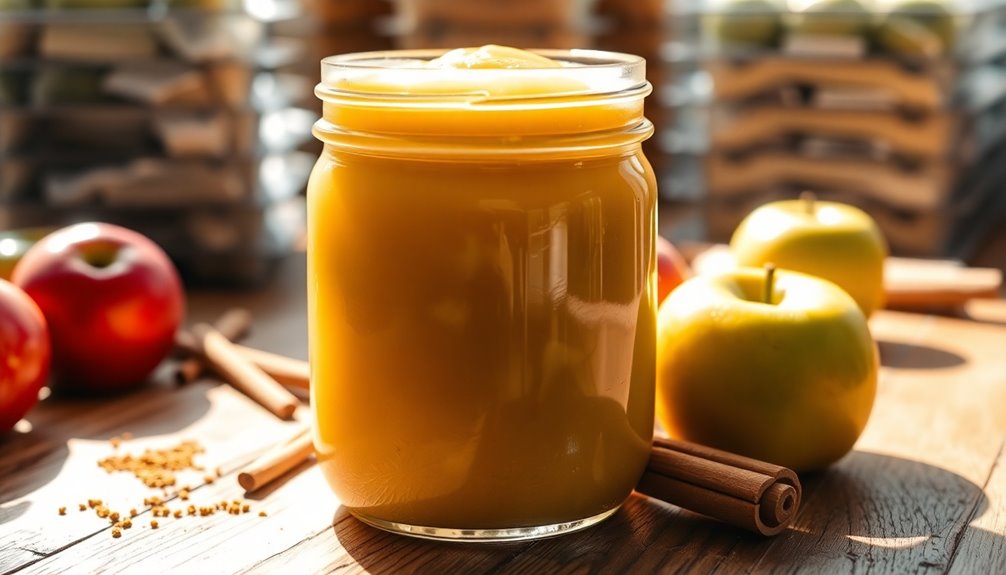
Freezing applesauce is a fantastic way to preserve its fresh flavor and nutrients. Start by choosing great cooking apples like Granny Smith or Honeycrisp. Wash, peel, and chop them before cooking using your preferred method. Sweeten it with natural options and cool it quickly to maintain texture. Use airtight containers or freezer bags for storage. Thaw in the fridge for the best results. If you want more tips for achieving the perfect texture and flavor, keep exploring!
Why Freezing Applesauce Is a Great Idea
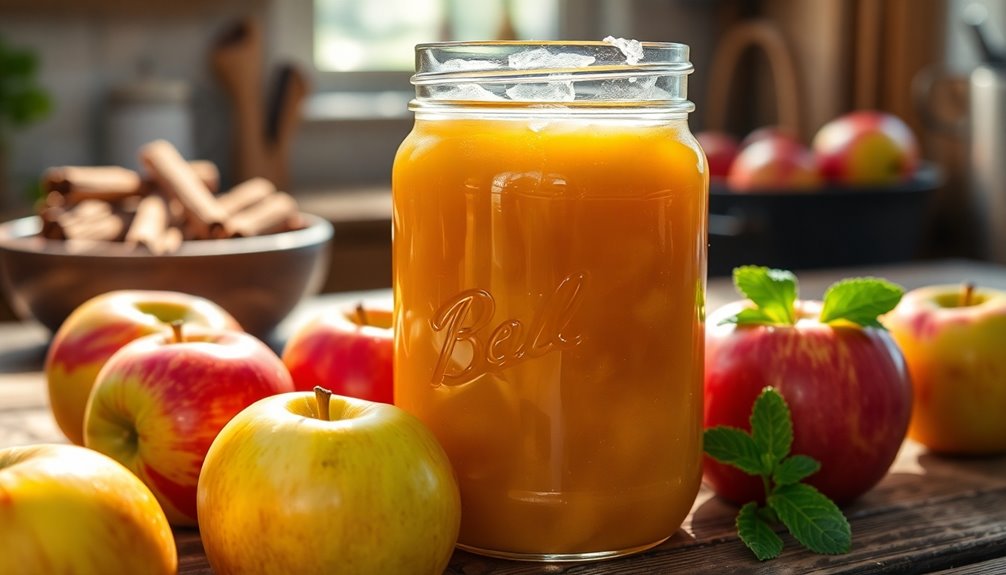
Freezing applesauce is a fantastic way to preserve its fresh flavor and nutritional benefits, especially when you have an abundance of apples.
One of the major freezing benefits is that it locks in the taste and nutrients, allowing you to enjoy that homemade goodness long after apple season ends.
Unlike canning, freezing minimizes the risk of nutrient loss, ensuring you get the best health benefits.
Plus, it’s super convenient; just scoop out what you need for a recipe or snack, and the rest stays fresh in the freezer.
You’ll appreciate the flavor retention, as your applesauce will taste just as vibrant months later. Additionally, proper storage techniques, like using airtight containers, are crucial for preventing freezer burn and maintaining quality.
Choosing the Best Apples for Saucing
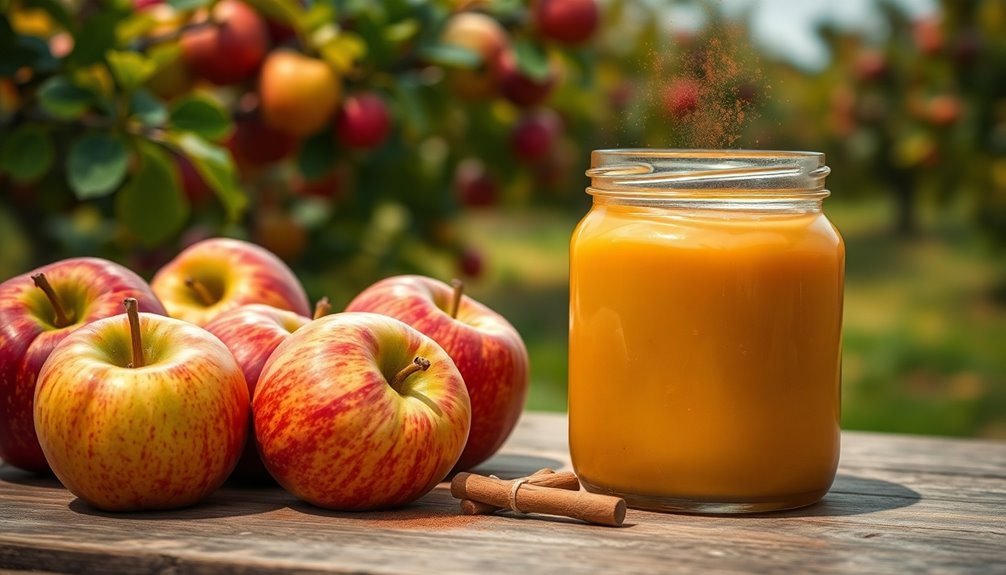
When selecting apples for saucing, it’s important to contemplate both flavor and texture to create the perfect blend. Look for cooking apples, like Granny Smith or Honeycrisp, as they offer a nice balance of tartness and sweetness.
Heirloom varieties can add unique flavor profiles and are often available through local sources. Consider mixing different apples to enhance texture differences and achieve a richer taste.
Organic options are great if you want to avoid pesticides. Keep an eye on seasonal availability to guarantee you get the freshest fruit. Additionally, using seasonal fruit availability can help you optimize costs and ensure quality in your applesauce.
How to Prepare Apples for Freezing

After selecting the best apples for your sauce, it’s time to prepare them for freezing. Start by washing the apples thoroughly to remove any dirt or pesticides.
Then, begin the apple peeling process; a good peeler makes this task quick and easy. Once peeled, slice the apples in half and proceed with core removal. Make sure to remove all seeds and tough core pieces, as they can affect the texture of your sauce.
Start by peeling the apples with a good peeler, then slice them in half and carefully remove the cores and seeds for a smoother sauce.
After that, cut the apples into smaller chunks to expedite the cooking process later. To preserve their color, consider tossing the pieces with a bit of lemon juice. Additionally, soak peeled and sliced apples in lightly salted water for about 10 minutes to prevent browning during freezing.
Now you’re ready to move on to the next stage of making your delicious applesauce!
The Best Cooking Method for Applesauce
When making applesauce, picking the right apples sets the foundation for great flavor. You’ll want to contemplate different cooking methods and how they can enhance the taste and texture. Additionally, using automated systems can streamline your cooking process, ensuring consistency in your applesauce preparation. Let’s explore the best ways to transform those apples into a delicious sauce.
Choosing The Right Apples
- Apple Varieties: Opt for a mix like Granny Smith for tartness and Fuji for sweetness.
- Taste Profiles: Balance flavors; sweeter apples can complement tart ones.
- Texture Differences: Some apples break down easily, while others retain shape—aim for a creamy consistency.
- Ripeness Indicators: Check for firmness and a pleasant aroma; avoid overly soft apples.
For the best results, consider seasonal selection and organic options.
Don’t forget storage tips to keep your apples fresh until you’re ready to cook!
Cooking Methods Comparison
While there are several methods for cooking applesauce, each offers unique advantages that can enhance your final product. You can choose from stovetop, slow cooker, or pressure cooker techniques.
The stovetop method allows for quick cooking and easy monitoring, giving you better control over texture comparison. A slow cooker, on the other hand, lets the apples break down gradually, producing a smooth finish without constant attention.
If you’re short on time, a pressure cooker can yield delicious results in a fraction of the time, but you may sacrifice some texture.
Ultimately, each cooking method can bring out different flavors and consistencies, so experimenting can help you find your perfect applesauce.
Enhancing Flavor Techniques
To enhance the flavor of your applesauce, consider incorporating spices and complementary ingredients during cooking. Using these techniques can elevate your dish and create a delightful experience:
- Cinnamon infusion: Add this classic spice for warmth and depth.
- Citrus zest: A touch of lemon or orange zest brightens the flavors.
- Vanilla extract: This adds a rich, sweet aroma that’s hard to resist.
- Nutmeg addition: Just a pinch can offer a subtle, earthy note.
Don’t forget to experiment with spice blends and a ginger twist for a unique flair.
For sweetness, explore sweetener alternatives.
Focus on texture balancing and flavor layering to make your applesauce truly stand out with delightful herb enhancements!
How to Achieve the Perfect Texture
To achieve the perfect texture in your applesauce, start by selecting the right apple varieties. Different apples bring unique flavors and consistencies, so choose those that suit your taste. Next, use proper cooking techniques to guarantee a smooth, creamy result that’s just right for freezing. Additionally, ensure you cool applesauce completely before packaging to help maintain its delightful texture during freezing.
Selecting Ideal Apple Varieties
Choosing the right apple varieties is essential for achieving that perfect texture in your applesauce.
You’ll want a good mix of flavors and textures to create that ideal balance. Here are some top picks:
- Granny Smith: Tart and crisp, they add a zesty kick.
- Honeycrisp: Known for their juicy sweetness and crunchy texture.
- Golden Delicious: Soft and sweet, perfect for a smooth finish.
- Fuji: Sweet and firm, they hold up well during cooking.
Proper Cooking Techniques
Mastering the cooking techniques for applesauce can make all the difference in achieving a smooth, velvety texture.
Start by peeling, coring, and chopping your apples into uniform pieces for even cooking. Use medium heat to bring your apples and a splash of water to a gentle simmer. This allows the apples to soften without burning.
Keep an eye on your cooking temperatures; avoid high heat, which can lead to uneven texture. Aim for a simmering time of about 20-30 minutes, stirring occasionally.
Once the apples are tender, mash or blend them to your desired consistency. Don’t forget to taste and adjust the sweetness if needed.
Proper techniques guarantee your applesauce will be a delightful treat!
Sweetening Your Applesauce: Tips and Tricks
While you might think applesauce is naturally sweet, there are plenty of ways to enhance its flavor to suit your taste. You can experiment with various sweeteners to achieve the perfect flavor balance.
Here are some tips:
- Natural sweeteners like honey or maple syrup can add unique flavors.
- Sugar alternatives such as stevia or agave nectar are great for a lower-calorie option.
- Spices like cinnamon or nutmeg can enhance sweetness without adding sugar.
- Taste testing is essential—adjust sweetness gradually until it’s just right for you.
Additionally, consider incorporating homemade preserves for a touch of fruity depth.
With these strategies, you can customize your applesauce to be as sweet as you like while maintaining a delightful texture and flavor.
Happy cooking!
Cooling Applesauce: Why Is It Important?
Once you’ve sweetened your applesauce to perfection, it’s important to cool it properly before storing. Cooling your applesauce quickly helps maintain its flavor and guarantees texture preservation.
If you leave it at room temperature too long, it could become a breeding ground for bacteria. Try using cooling methods like an ice bath or shallow containers to speed up the process. These techniques help lower the temperature evenly and prevent unwanted changes in consistency. Remember, rapid cooling locks in that delicious taste while keeping your applesauce smooth and creamy. Additionally, freezing dairy products can be an effective way to extend their shelf life and preserve texture.
Best Containers for Freezing Applesauce
Choosing the right container for freezing applesauce can make all the difference in preserving its flavor and texture.
Opt for containers that accommodate your portion sizes and keep your applesauce fresh. Here are some great options:
- Freezer safe bags: Perfect for squeezing out air and saving space.
- Rigid plastic containers: Great for stacking and protecting against freezer burn.
- Glass jars: Ideal for storing applesauce, but leave space for expansion.
- Ice cube trays: Useful for small portions, allowing for quick thawing.
Additionally, vacuum sealing can further extend the shelf life of your applesauce, preventing oxidation and maintaining its quality.
How to Portion Applesauce for Easy Use
To make using your frozen applesauce easier, it’s smart to portion it out before freezing. Decide on your ideal portion sizes—whether you’re using it for baking, snacks, or baby food.
For small amounts, consider using ice cube trays, which allow you to freeze individual servings. Once frozen, pop the cubes into a labeled bag for easy access.
If you need larger portions, use freezer-safe containers or quart-sized bags. Just be sure to leave some space for expansion as the applesauce freezes.
Different freezing methods can help you customize your storage; try using silicone molds for fun shapes or muffin tins for larger portions. This way, you’ll always have the right amount ready when you need it! Additionally, consider freezing diced onions in resealable bags to extend their shelf life, making meal prep even simpler.
Thawing Applesauce: Best Practices
When it comes to thawing your applesauce, you’ve got a couple of effective options.
You can either let it slowly warm up in the refrigerator or use the microwave for a quicker solution.
Each method has its perks, so let’s explore which might work best for you. Additionally, maintaining air quality can enhance your overall cooking experience and enjoyment of the applesauce.
Refrigerator Thawing Method
One of the best ways to thaw applesauce is by using the refrigerator method, which guarantees a gradual and safe defrosting process. This refrigerator thawing technique helps maintain the flavor and texture you love.
Here are some thawing benefits you’ll enjoy:
- Retains the natural sweetness of the apples
- Prevents separation or unwanted changes in consistency
- Minimizes the risk of bacterial growth
- Saves time by allowing you to plan ahead
To use this method, simply transfer your frozen applesauce to the refrigerator the night before you need it.
This slow thawing assures your applesauce stays delicious and ready for your favorite recipes. Enjoy the taste of fresh applesauce, even after freezing!
Microwave Thawing Technique
While the refrigerator method is ideal for slow thawing, the microwave thawing technique offers a quick and efficient alternative.
To start, transfer your frozen applesauce to a microwave-safe container. Set your microwave settings to low or defrost to guarantee gentle thawing. This helps maintain the texture and flavor of your applesauce.
Keep an eye on it during the process, as thawing time can vary based on your microwave’s wattage. Typically, it should take about 3-5 minutes, stirring every minute to promote even thawing.
Once it’s soft enough for your liking, let it sit for a minute before using. This quick method saves time without sacrificing quality, making it perfect for last-minute needs!
Using Frozen Applesauce in Recipes
- Applesauce muffins for a moist texture
- Applesauce pancakes that stay fluffy and delicious
- Applesauce smoothies packed with nutrients
- Applesauce marinades for tenderizing meats
You can also whip up applesauce desserts or spread it in applesauce breads.
Don’t forget about applesauce dips or drizzle applesauce glazes on your favorite dishes.
Incorporating frozen applesauce can make your meals both delightful and nutritious!
Common Mistakes to Avoid When Freezing
Using frozen applesauce in your recipes can elevate your dishes, but it’s important to avoid common mistakes when freezing it.
One major pitfall is improper container selection; always use airtight containers to guarantee texture preservation and flavor retention.
Always opt for airtight containers to ensure your frozen applesauce retains its texture and flavor.
Avoid overfilling, as applesauce expands when frozen.
Pay attention to portioning methods; freeze in smaller portions for easy use later.
If you’re using different freezing techniques, remember that quick freezing helps maintain quality.
Finally, don’t neglect thawing strategies; thaw in the refrigerator for the best results, rather than at room temperature, to prevent texture changes.
How Long Can You Keep Frozen Applesauce?
- Use airtight containers or freezer bags to prevent freezer burn.
- Label each container with the date to track freshness.
- Keep your freezer at 0°F (-18°C) or lower.
- Thaw only what you need to maintain quality.
Conclusion
Freezing applesauce is a fantastic way to preserve its flavor and nutrients, but remember, not all apples are created equal. While some believe any apple will do, using sweeter varieties like Fuji or Honeycrisp enhances the taste. By following the right preparation and freezing methods, you can enjoy delicious applesauce year-round. So, don’t hesitate—freeze your homemade batch today. After all, a little preparation now means delightful desserts and snacks in the months to come!