
 0
0
 0
0
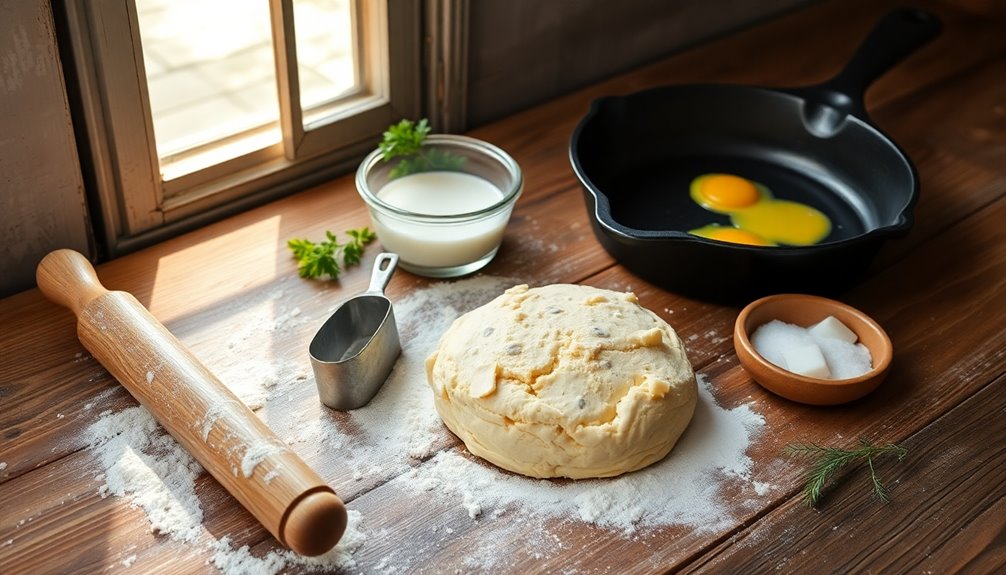
To make flaky biscuits from scratch on a budget, start with cold butter, all-purpose flour, baking powder, salt, and buttermilk. Mix the dry ingredients and cut in the butter until it resembles coarse crumbs. Stir in the buttermilk gently, and avoid overworking the dough. Roll it out to about half an inch thick and cut into circles. Bake them at 350°F (175°C) for 12-15 minutes until golden. For more tips and variations, keep exploring!
Why Homemade Biscuits Are Worth It

When you bite into a warm, flaky homemade biscuit, you’ll understand why making them from scratch is worth the effort. The homemade advantages go beyond just taste; you gain control over ingredients, ensuring freshness and quality. You won’t find any preservatives or artificial flavors here.
Plus, the cost savings are significant. Store-bought biscuits can be pricey, especially for a family. By whipping up your own, you’re not just saving money; you’re also creating a comforting experience that brings everyone to the table. Additionally, the process of making biscuits allows you to streamline your kitchen processes, making time spent in the kitchen more efficient.
Each biscuit becomes a labor of love, and you’ll cherish the time spent in the kitchen. So, roll up your sleeves and embrace the joy of baking; your taste buds—and wallet—will thank you!
Essential Ingredients for Flaky Biscuits
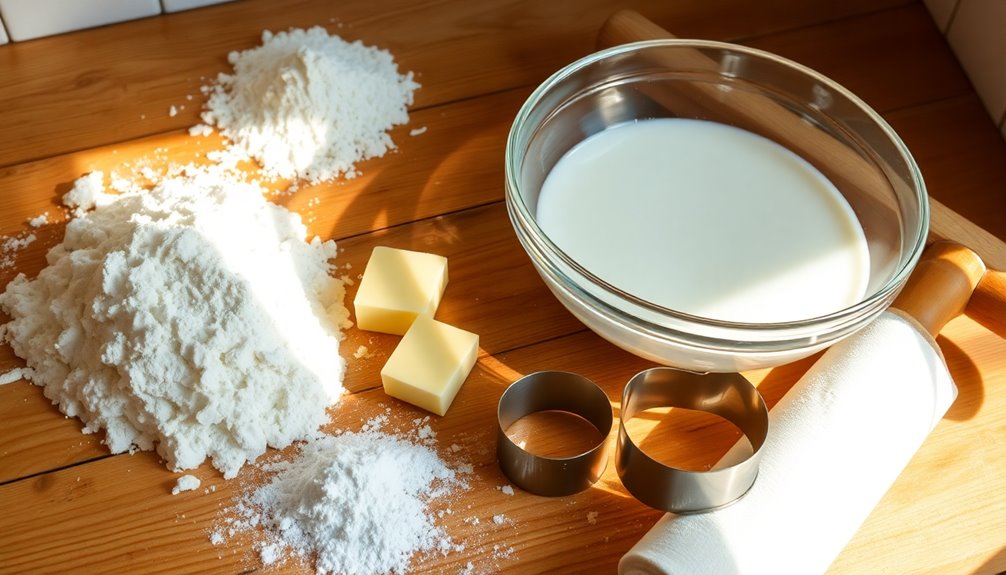
To whip up flaky biscuits, you need to focus on a few essential ingredients.
Cold butter is vital for achieving that perfect texture, and the right flour can make all the difference. Additionally, incorporating proper surface preparation will ensure that your baking surface is ready for optimal results.
Let’s break down what you need to create those delicious layers.
Key Ingredients Overview
Flaky biscuits rely on a few key ingredients that work together to create their tender, airy texture. First, all-purpose flour provides the structure, while baking powder acts as a leavening agent, giving your biscuits that delightful rise.
Salt enhances flavor, balancing the richness of the fat. Speaking of fat, butter or shortening is essential for achieving that flaky layer—its role in biscuit history can’t be overstated, as different regional variations often celebrate unique fats.
In the South, you might find buttermilk added for extra tang, while other regions may use milk or cream. Understanding these ingredients helps you appreciate the diverse biscuit traditions, whether you’re aiming for classic Southern biscuits or a twist inspired by other cultures.
Importance of Cold Butter
Cold butter is essential for achieving those coveted flaky layers in biscuits. When you use butter straight from the fridge, it helps create pockets of steam as the biscuits bake.
This is one of the key cold butter benefits; those steam pockets expand, resulting in a light, airy texture. If the butter’s too warm, it melts before the baking process fully begins, leading to dense, flat biscuits instead of the fluffy layers you want.
Aim for butter temperature that’s firm but not rock-hard—you want it to be cold enough to hold its shape.
Flour Types to Use
Using the right flour type can greatly impact the texture of your biscuits. All-purpose flour is a staple choice, offering a balanced protein content that yields flaky results.
If you want a heartier option, try whole wheat flour; just mix it with a bit of all-purpose for a better texture.
Self-rising flour can add convenience, as it includes leavening agents, but be cautious with salt.
For a lighter biscuit, consider cake flour or pastry flour, which have lower protein levels.
If you’re aiming for gluten-free biscuits, explore alternative flours like almond or coconut flour, or use flour blends designed for baking.
Experimenting with different flours can lead to delicious, flaky results tailored to your taste!
Budget-Friendly Substitutions You Can Use

When you’re aiming to whip up delicious biscuits without breaking the bank, there are plenty of budget-friendly substitutions you can rely on.
Instead of using buttermilk, mix regular milk with a splash of vinegar or lemon juice for a quick and cheap alternative.
If you’re low on butter, try using vegetable oil or even applesauce for moisture.
For a healthier twist, swap in whole wheat flour for part of the all-purpose flour you usually use.
These cost-saving tips not only help your wallet but can also add unique flavors to your biscuits.
Vacuum sealing extends shelf life of perishable ingredients, ensuring you always have quality supplies on hand.
Keep your pantry stocked with these budget ingredients, and you’ll always be prepared to bake up a batch of flaky biscuits, no matter your budget.
Step-by-Step Guide to Making Biscuit Dough
Making biscuit dough is a straightforward process that yields delicious results.
Begin by preheating your oven to 425°F (220°C). In a large bowl, whisk together flour, baking powder, and salt—this mix has roots in biscuit history, evolving through regional variations across the U.S.
Next, cut in cold butter until the mixture resembles coarse crumbs. Stir in milk gradually until a soft dough forms. Avoid overmixing; you want to keep that fluffiness.
Turn the dough onto a floured surface and gently knead it a few times. Pat it into a circle about 1-inch thick, then cut out your biscuits.
Place them on a baking sheet, ready to rise in the oven. Enjoy the delightful aroma as they bake! Additionally, consider using homemade preserves to complement your biscuits, enhancing their flavor profile.
The Secret to Achieving Flakiness
Achieving flaky biscuits relies heavily on the way you handle the butter and dough. Start by using cold butter; this is vital for creating those flaky layers. When the butter’s cold, it forms small pockets in the dough as it bakes, resulting in that wonderful flakiness you crave.
Next, cut the butter into the dry ingredients until you achieve a crumbly texture, but don’t overwork it. You want to keep those pieces of butter intact.
Also, pay attention to your butter temperature. If it’s too warm, you’ll lose those beautiful layers.
Finally, when you roll out the dough, do it gently; this preserves the butter pockets, ensuring your biscuits rise and flake perfectly. Additionally, using cold butter while baking is crucial for achieving that perfect texture in various recipes, including jams. Enjoy your baking!
Common Mistakes to Avoid When Making Biscuits
Even with the right techniques for flakiness, mistakes can easily derail your biscuit-making efforts. One common error is overworking the dough. You want to handle it just enough to combine the ingredients; excessive kneading can ruin the biscuit texture.
Another mistake is using old baking powder. Always check the expiration date, as stale baking powder won’t provide the lift your biscuits need. Additionally, don’t skip chilling the butter or dough; this step is essential for creating those flaky layers.
Finally, avoid rolling the dough too thin; a thickness of about half an inch is ideal. By steering clear of these pitfalls, you’ll be on your way to perfect, flaky biscuits every time. Remember, using quality ingredients can significantly enhance your biscuit-making experience.
Baking Techniques for Perfectly Golden Biscuits
To bake perfectly golden biscuits, start by preheating your oven to a high temperature—around 425°F (220°C). This guarantees even cooking and browning, critical for achieving that golden crust.
Use cold ingredients, like butter and buttermilk, to maintain flaky layers, a technique rooted in biscuit history. Roll your dough gently to about half an inch thick; avoid overworking it to keep those layers intact.
Consider regional variations in biscuit recipes, like adding cheese or herbs for extra flavor. Once shaped, place your biscuits close together on a baking sheet—this helps them rise and stay soft in the middle. Keep an eye on them; they’re done when they’re golden brown and fragrant, usually around 12-15 minutes. Additionally, using leftover ingredients creatively can enhance your biscuit experience with unique flavors or textures.
Enjoy!
How to Store and Reheat Your Biscuits
Once you’ve baked your biscuits, knowing how to store and reheat them is key to keeping that flaky texture.
You’ll want to use the best storage methods to prevent them from drying out. Nutritional insights suggest that incorporating sweet potatoes can enhance the overall health benefits of your meal.
Let’s explore some effective reheating techniques to enjoy your biscuits at their best!
Best Storage Methods
While enjoying freshly baked biscuits is a delight, knowing how to store and reheat them properly guarantees you can savor that flaky goodness later.
For ideal freshness, use airtight jars or storage containers that promote moisture control. If you’ve made a large batch, consider dividing them into portion sizes and placing them in freezer bags for easy access.
Vacuum sealing is another excellent method to extend shelf life while keeping your biscuits fresh. Always label your containers with the date to track freshness.
Remember, proper storage not only preserves flavor but also assures you can enjoy your biscuits whenever you crave that delicious taste.
Follow these freshness tips, and your biscuits will remain irresistibly delightful!
Reheating Techniques Explained
There’s nothing quite like the taste of a warm, flaky biscuit fresh from the oven, and reheating them properly guarantees you can enjoy that deliciousness anytime.
For the best results, consider your reheating methods. If you want to maintain that perfect biscuit texture, the oven is your best bet. Preheat it to 350°F (175°C), place your biscuits on a baking sheet, and warm them for about 5-10 minutes. This method keeps them crispy on the outside and soft inside.
Alternatively, if you’re in a hurry, you can use the microwave. Just wrap your biscuits in a damp paper towel and heat for 15-20 seconds. While this method is quick, it might sacrifice some of that delightful texture.
Enjoy!
Flavor Variations to Try on a Budget
Experimenting with flavor variations for your biscuits doesn’t have to break the bank. Start with herb variations like rosemary or chives for a fresh twist.
For sweet additions, consider adding honey or cinnamon for a delightful touch. If you’re leaning towards savory twists, mix in cheese blends like cheddar or feta to elevate your biscuits.
Don’t forget fruit infusions; dried cranberries or blueberries add a burst of flavor. Spice enhancements can really wake up your dough—try cumin or paprika!
Seasonal flavors like pumpkin spice in the fall or lemon zest in summer can keep things interesting.
Finally, explore ethnic influences by incorporating ingredients like curry or za’atar to make your biscuits uniquely yours. Enjoy the creative process! Remember, using affordable products can help you create delicious variations without overspending.
Serving Suggestions for Your Biscuits
How can you elevate your freshly baked biscuits? Start by slathering them with savory spreads like herb-infused butter or cream cheese.
For a sweeter touch, try honey, jam, or even a drizzle of maple syrup. Biscuits make perfect breakfast pairings when served alongside scrambled eggs or crispy bacon.
They also shine as soup accompaniments, adding a comforting touch to your favorite bowl. Planning a picnic? Pack your biscuits with savory fillings for a delightful treat.
At brunch, serve them with fruit and whipped cream for a festive flair. Don’t forget to make them kid-friendly by adding cheese or chocolate chips.
With these ideas, your biscuits will be a hit for holiday treats and everyday snacks alike!
Pairing Your Biscuits With Affordable Toppings
While biscuits are delicious on their own, pairing them with affordable toppings can elevate your meal without breaking the bank.
Think about simple budget toppings like butter and honey for a sweet treat, or jam for a fruity twist. You can also try savory flavor pairings, such as cream cheese with chives or a slice of sharp cheddar.
For a heartier option, consider adding scrambled eggs or crispy bacon. If you’re feeling adventurous, whip up a quick herb-infused oil or a homemade salsa to bring your biscuits to life.
These toppings not only enhance flavor but also allow you to customize each bite, making every meal a delightful experience while staying within your budget.
Tips for Making Biscuits in Bulk
When you’re preparing to make biscuits in bulk, it’s essential to stay organized to guarantee consistency and quality.
Start by measuring all your ingredients ahead of time; this saves you from scrambling mid-recipe. Use a large mixing bowl to handle bigger batches, ensuring even distribution of ingredients for better results.
Consider doubling or tripling your recipe to maximize cost efficiency, and store any unused dough in the refrigerator or freezer for later use. To further enhance your savings, consider buying non-perishable items in bulk to cut costs.
Don’t forget to adjust your baking time based on the batch size; larger quantities may need slightly longer.
Finally, keep your workspace tidy to streamline the bulk baking process, making it more enjoyable and efficient.
Happy baking!
Conclusion
In the end, making flaky biscuits from scratch is as easy as pie—and just as rewarding! With a few simple ingredients and some budget-friendly swaps, you can whip up a delicious batch that’ll impress your family and friends. So roll up your sleeves, get that dough kneading, and savor the homemade goodness. You’ll find that these biscuits not only fill your belly but also warm your heart. Happy baking!