 0
 0
Last updated: · By Laura Bennett
Reducing food waste at home saves money because you pay for every ingredient, including the parts that end up in the trash. The most useful habits are planning meals, storing food so it lasts, and using the edible parts most people discard, such as bread heels, vegetable scraps, pickle juice, and cooked leftovers. This guide explains practical ways to do that, what federal agencies and university researchers say about food waste, and the food safety checks to make before you cook.
Key Takeaways
- The FDA notes that confusion over packaged-food date labels is estimated to cause about 20 percent of consumer food waste.
- Federal law does not require quality-based date labels on most packaged foods, with infant formula as the main exception.
- EPA’s 2023 Wasted Food Scale ranks preventing food from being wasted in the first place as the most environmentally beneficial option.
- Bread heels, vegetable scraps, and Parmesan rinds can be stored and reused in breadcrumbs, soups, sauces, and stock.
- Pickle juice and rendered meat fats add flavor, but they can be high in sodium or saturated fat, so people with heart or blood pressure concerns should check with a clinician.
What Does Reducing Food Waste Mean for Your Budget?
Reducing food waste means buying what you will actually eat and using what you already have before it spoils. Federal guidance puts prevention first, which is also the cheapest option for your household. Every avoided trash bag is an ingredient you did not have to buy twice.
Date labels are a major source of unnecessary waste. The FDA’s tips to reduce food waste note that confusion over packaged-food date labels is estimated to cause about 20 percent of consumer food waste. Federal law does not require quality-based date labels on most packaged foods, except infant formula, so a “best by” date usually signals peak quality rather than safety.
The U.S. Environmental Protection Agency’s approach supports this order of priorities. The EPA’s 2023 Wasted Food Scale replaced the older Food Recovery Hierarchy and ranks preventing food waste as the most environmentally beneficial choice. A Rutgers New Jersey Agricultural Experiment Station fact sheet explains that reducing waste at the source is the most preferred approach, and giving edible surplus to people who can use it is the next best step.
Food Safety First When Using Leftovers
Using leftovers is safe when you store them promptly, keep them cold, and reheat them thoroughly. Food safety matters more than saving a few dollars, so skip anything you are unsure about. Check current guidance from USDA’s FoodSafety.gov before you plan your storage routine.
Use this checklist for leftovers:
- Refrigerate cooked food promptly rather than leaving it on the counter.
- Store leftovers in shallow, covered containers so they cool quickly.
- Label containers with the date so you know what to eat first.
- Reheat leftovers until steaming hot throughout.
- Discard moldy, slimy, or sour-smelling food, even if it looks usable.
- Do not reuse marinade that touched raw meat unless you bring it to a boil first.
People who are pregnant, older adults, and those with weakened immune systems may need stricter food handling rules. Ask your doctor or a registered dietitian if you have questions about what is safe for your situation.
How Do You Use Bread Heels and Stale Bread?
You can use bread heels and stale bread by turning them into bread pudding, breadcrumbs, or croutons instead of throwing them away. Dry-out bread stays usable for these recipes, so it does not need to be fresh. Store it in an airtight container at room temperature for short-term use or freeze it for longer storage.
To make breadcrumbs, tear the bread into pieces, dry them in a low oven until hard, and blend them into crumbs. Use the crumbs to coat chicken or fish, add texture to meatballs, or top casseroles. Bread pudding is another good option, since it works with stale bread and can include eggs, cheese, and leftover vegetables.
Crust trimmings from pie dough can become snacks. Brush rolled-out scraps with melted butter, sprinkle with cinnamon sugar, and bake until golden. Savory strips can be seasoned with herbs and cheese for a crisp snack.
Can You Cook With Leftover Pickle Juice?
Yes, pickle juice can add tangy flavor to marinades, dressings, and vegetable dishes. Use it in small amounts, since it is salty and the sodium adds up quickly. Taste before adding salt to any recipe that uses it.
Common uses include a marinade for chicken, a quick brine for carrots or onions, a splash in salad dressing, or a replacement for some of the vinegar in potato salad or coleslaw. Pickle juice is also used in some cocktails, but the sodium and alcohol content should be considered before you serve it.
If you manage high blood pressure or follow a low-sodium diet, ask your clinician or dietitian how much pickle juice fits your plan. A salty ingredient can be a poor fit for some health conditions even when it reduces waste.
How Do You Make Stock From Vegetable Scraps?
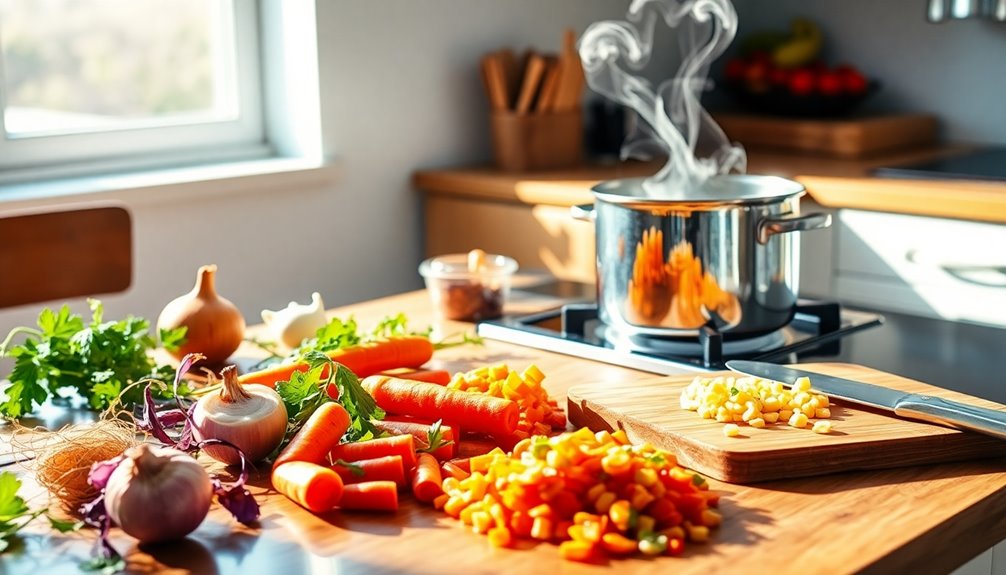
You make stock from vegetable scraps by simmering clean trimmings in water for a flavorful base for soups, grains, and sauces. Carrot peels, onion ends, celery leaves, and herb stems work well. Save scraps in a freezer bag until you have enough for a batch.
Avoid scraps that are moldy, rotten, or heavily spoiled, and wash produce well before using it. Strain the stock, cool it promptly, and refrigerate or freeze it in labeled containers.
The table below shows common scraps and how to reuse them.
| Scrap | Good reuse | Storage tip | Caution |
|---|---|---|---|
| Carrot tops | Chimichurri, pesto, or chopped into salads | Wrap in a damp paper towel and refrigerate | Use fresh-looking greens only |
| Pea pods | Pesto, stir-fries, or stock | Refrigerate in a breathable bag for up to a week | Discard if slimy or discolored |
| Cilantro stems | Salsa, sauces, marinades, or stir-fries | Refrigerate in a sealed container | Rinse well before use |
| Onion and celery ends | Vegetable stock | Freeze in a labeled bag | Skip any moldy pieces |
| Beet greens | Sautéed side dish or salad addition | Refrigerate and use within a few days | Wash thoroughly for grit |
Pea Pod and Carrot Top Ideas
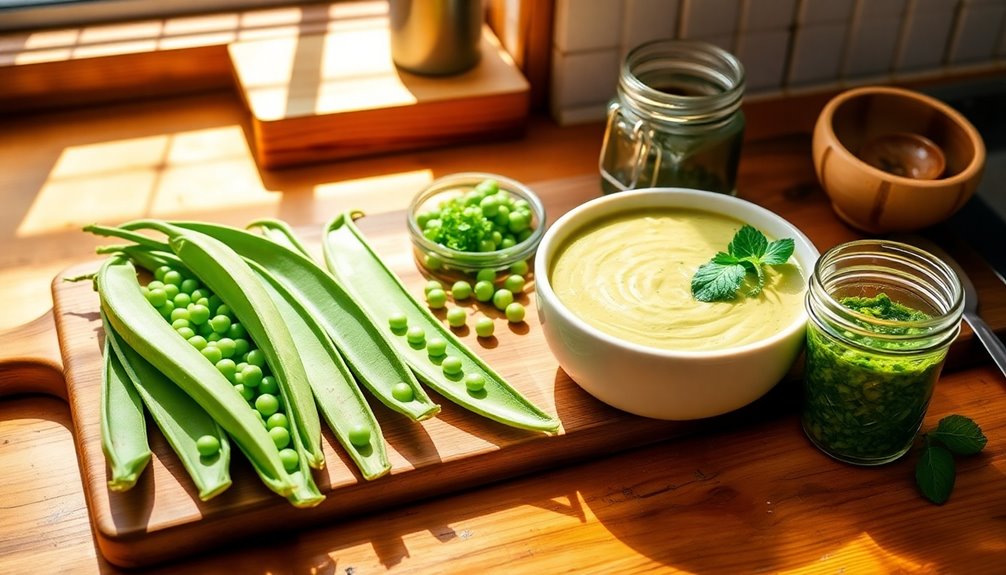
Pea pods and carrot tops are useful because most cooks already buy them with the rest of the vegetable. Blend pea pods with nuts, cheese, garlic, and olive oil for a simple pesto. Chop them into stir-fries for extra color and fiber.
Carrot tops have a bright, herbal flavor. Blend them into chimichurri with garlic, olive oil, and vinegar, or use them in pesto with nuts and Parmesan.
How Do You Freeze Leftover Cooked Meat Safely?
To freeze leftover cooked meat safely, cool it, portion it, wrap it well, and freeze it in labeled containers. Freezing stops bacteria from growing, but it does not improve food that was already unsafe. Freeze meat soon after cooking rather than letting it sit out.
- Cool the cooked meat in shallow containers before packing it.
- Portion meat into single servings so you thaw only what you need.
- Wrap pieces tightly in plastic wrap or foil, or use airtight freezer bags, to limit freezer burn.
- Label each bag with the meat type and the date frozen.
- Thaw in the refrigerator overnight, or use the microwave’s defrost setting and cook right away.
For best quality, many households use frozen cooked meat within a few months. Check USDA guidance for specific storage times for your type of food.
How Do You Render and Store Meat Fats?
You render meat fats by heating fat slowly until the liquid separates from the solids, then straining it into a clean container. Rendered bacon grease, duck fat, and chicken fat, called schmaltz, can replace some butter or oil in cooking. Fats are calorie-dense and high in saturated fat, so use them in moderation.
Strain the fat through a fine sieve or cheesecloth into a clean jar. Refrigerate it in a tightly sealed container and label it with the date. For longer storage, freeze it in small portions.
Culinary Uses for Rendered Fats
Rendered fats are most useful for sautéing vegetables, roasting potatoes, frying eggs, or adding depth to soups. Schmaltz can also be used in matzo balls and in a savory spread with herbs. Use small amounts to keep the flavor rich without overloading a meal with fat.
How Do You Make Crispy Potato Peel Snacks?
You make potato peel snacks by washing, drying, seasoning, and baking the peels until crisp. This turns a scrap into a low-cost snack that is cheaper than many packaged chips. Use peels from firm, unsprouted potatoes.
- Wash the potatoes well and scrub away dirt.
- Cut away any green spots, sprouts, or damaged areas, since green skin can contain higher levels of solanine, a natural compound that can be harmful in large amounts.
- Pat the peels dry and toss them with olive oil, salt, and seasonings such as paprika or garlic powder.
- Spread them in a single layer on a baking sheet and bake at 400 degrees Fahrenheit for 15 to 20 minutes, until golden and crisp.
- Store leftovers in an airtight container in the refrigerator and eat within about a week.
Serve the peels with dips such as hummus, Greek yogurt dip, or guacamole. Mixing them with other vegetable scraps can also make a crunchy snack tray.
Other Leftovers Worth Saving
Several small leftovers can add flavor or make a quick meal. Parmesan rinds, leftover watermelon, pineapple peels, and leftover oats are easy to use with little extra cost. Each one needs basic cleaning and storage.
Parmesan Rinds
Store Parmesan rinds in a sealed container in the refrigerator or freezer. Simmer a rind in soups, stews, or tomato sauce for at least 30 minutes, then remove it before serving. One rind can flavor several servings.
Leftover Watermelon Smoothies
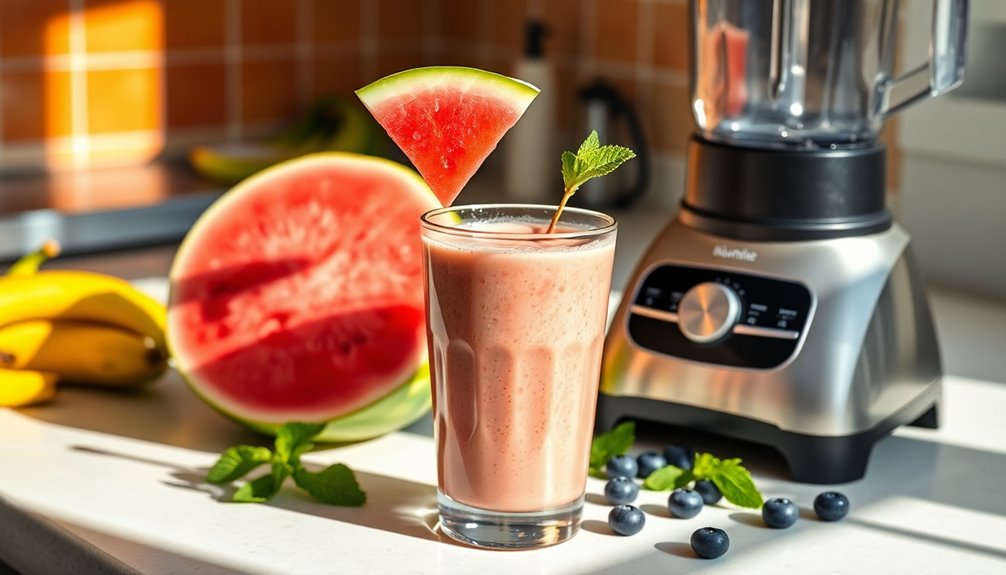
Blend leftover watermelon with lime juice, yogurt, or a handful of spinach for a quick drink. Freezing watermelon chunks before blending gives a thick texture without ice. Add protein from yogurt or a protein powder if you want a more filling smoothie.
Pineapple Peel Tea
Pineapple peel tea is made by simmering washed peels in water for 20 to 30 minutes, then straining. Wash the peels well, especially if they are not organic. Research on specific health benefits of pineapple peel tea is limited, so treat it as a flavorful drink rather than a health treatment.
Overnight Oats in Jars
Reuse clean peanut butter jars for overnight oats by combining rolled oats with milk or yogurt in roughly a 1:1 ratio. Add fruit, nuts, or a small amount of honey or maple syrup, seal the jar, and refrigerate it overnight. Eat within a few days and check sugar content if you are watching blood sugar.
How Can You Track the Savings From Reducing Food Waste?
You can track savings by noting what you throw out and comparing grocery spending month to month. A simple log of wasted items shows which foods to buy in smaller amounts. Budget apps can also help you see grocery trends over time.
Start with a weekly plan so leftovers have a purpose. Our guide to weekly grocery essentials for stocking your fridge on a budget can help you buy only what you need. To see where food fits in your spending, try our 50/30/20 budget calculator, and if you want an app to track grocery spending, compare options in our list of the top budget apps for beginners.
Frequently Asked Questions
Is it safe to eat food past the best-by date?
Often, yes, if the food has been stored properly and shows no signs of spoilage. Best-by and similar dates are usually about peak quality, and federal law does not require most packaged foods to carry quality-based dates. Look, smell, and taste carefully, and discard food that is moldy, sour, or otherwise questionable.
How long can I keep leftovers in the fridge?
Leftovers should be stored promptly in the refrigerator and eaten within a few days for best safety and quality. Freezing extends storage time, and labeling containers helps you track what to use first. Check USDA guidance for time limits for specific foods.
Can I freeze bread heels and vegetable scraps?
Yes, you can freeze bread heels and many vegetable scraps until you have enough to use them. Bread can be frozen for breadcrumbs, and vegetable scraps can go into a freezer bag for stock. Use frozen scraps in cooked dishes, since freezing changes their texture.
Is pickle juice healthy to cook with?
Pickle juice can add flavor, but it is high in sodium, so it is not a good choice for everyone. Use small amounts and taste before adding salt. If you have high blood pressure or another condition that limits sodium, ask your clinician or a registered dietitian how it fits your diet.
How do I know if potato peels are safe to eat?
Potato peels are generally safe to eat when the potato is firm, washed well, and free of green patches, sprouts, or damage. Green skin can contain higher levels of solanine, so cut away those areas. If a potato smells or looks spoiled, throw it out.
What is the easiest leftover to start with?
Bread heels and vegetable scraps are the easiest starting points because they need little extra work. Save them in a bag or container, then turn them into breadcrumbs or stock when you have enough. Once that habit feels normal, add other leftovers such as Parmesan rinds or potato peels.
Conclusion
Reducing food waste is one of the simplest ways to lower your grocery bill, especially when you use the parts of food most people discard. Start with bread, vegetable scraps, and leftover cooked food, and keep food safety rules in view. Check your food, store it well, and use it in a meal you already plan to make.
More on Reducing Food Waste
Related guides: The Ultimate $100 Grocery List for a Week of Frugal Meals · How to Stock Your Fridge on a Budget: Weekly Essentials · Homemade Bread vs. Store-Bought: Which Is Healthier and More Cost-Effective?
Free tools: 50/30/20 Budget Calculator
This article is general information, not financial advice. Prices and deals change: check current terms before you buy. Read our financial disclaimer and editorial policy.