 0
 0
Last updated: · By Laura Bennett
Budget grocery shopping means stocking your fridge with protein, produce, dairy, and flavor boosters that you will actually use before they spoil. The best approach is to choose versatile staples that work in several meals, compare unit prices, and plan around what you already have. This guide explains which fridge essentials give the most value for a typical US family, where the nutrition trade-offs are, and how to store food so less of it ends up in the trash.
Grocery prices are still climbing. The USDA Economic Research Service projects food-at-home prices to rise 2.3 percent in 2026, compared with 3.5 percent for food away from home, according to its Food Price Outlook summary findings. That gap makes cooking at home and planning ahead more valuable than ever.
Key Takeaways
- Budget grocery shopping works best when you stock versatile staples like eggs, plain Greek yogurt, frozen vegetables, and canned beans that stretch across several meals.
- The USDA Economic Research Service projects food-at-home prices to rise 2.3 percent in 2026, versus 3.5 percent for food away from home.
- Check the first ingredient on bread labels, because a brown color does not guarantee that a loaf is whole grain.
- Pre-cut vegetables are convenient but generally cost more per pound than whole produce that you wash and cut yourself.
- Leftovers should be refrigerated promptly and generally eaten within three to four days, so label containers with dates and use older items first.
How Do You Plan a Budget Fridge Stock?
Plan your meals for the week first, then build a shopping list that covers only those meals and a small buffer for snacks. Planning prevents the impulse buys and duplicate items that drain a grocery budget. Nutrition.gov’s MyPlate resource hub includes budget-friendly food ideas and low-cost preparation methods you can use as a starting point.
- Check your fridge, freezer, and pantry before you shop, and note what needs to be used first.
- Pick five to seven dinners that share ingredients, such as a chicken dish and a bean soup that both use onions and carrots.
- Write a list grouped by store section, and set a weekly limit before you walk in.
- Compare unit prices, which show cost per ounce or per pound, rather than the sticker price alone.
- Buy store brands for staples like milk, eggs, and frozen vegetables when the ingredient lists match.
If you want a fixed weekly number to shop against, a 50/30/20 budget calculator can help you set a realistic food line in your overall spending plan. For a sample list with a set price target, see this $100 grocery list for a week of frugal meals.
Which Beverages Are Worth Buying on a Budget?
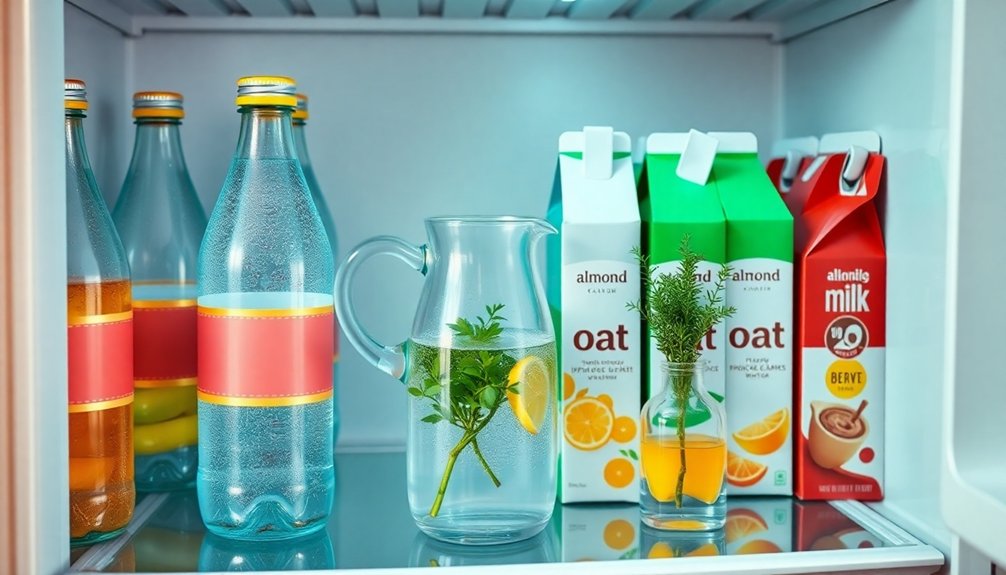
Plain water is the cheapest drink, and sparkling water is a low-cost, sugar-free alternative for families who want something fizzy. Milk and fortified plant-based milks cover most other needs, but they differ in nutrition, so read the labels before you choose.
Milk and Plant-Based Milk
Almond milk is a dairy-free option that works well in coffee, tea, and oatmeal. It typically contains much less protein than cow’s milk, so it is not a direct nutritional swap for children who depend on milk for protein and calcium. Choose unsweetened or fortified versions with a short ingredient list, and compare the price per ounce with regular milk.
Creamers and Kombucha
Half-and-half is often a simple, budget-friendly way to add richness to coffee, but it is still a dairy product with fat and calories, so use it in moderation. Compare unit prices with plant-based creamers, since the cheaper option depends on the brand and size. Kombucha is a fermented tea that some people enjoy for its tang, but it contains small amounts of alcohol and is acidic. Evidence for gut-health benefits is limited, and pregnant people or those with weakened immune systems should ask a doctor before drinking it.
What Are the Cheapest Proteins and Healthy Snacks to Keep?
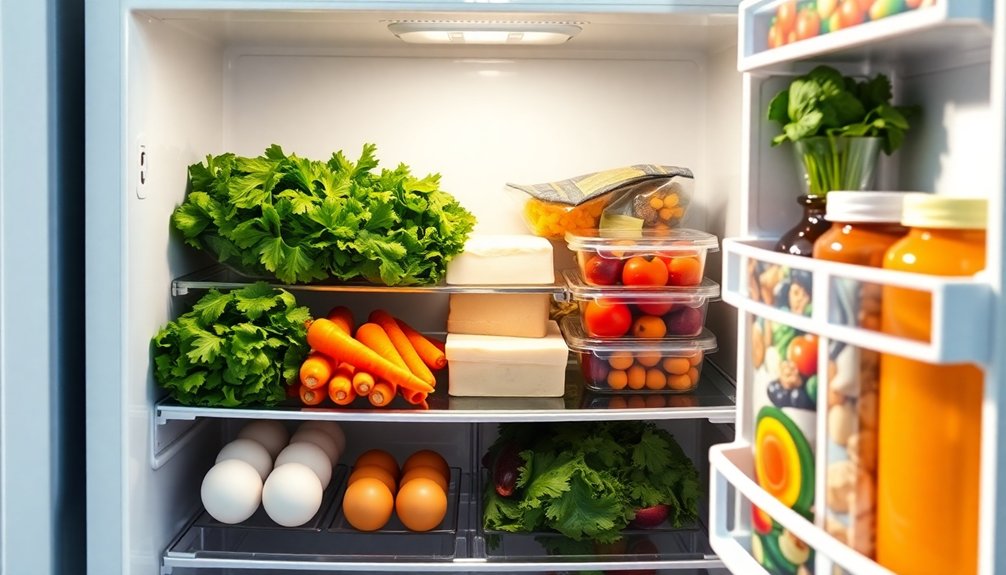
Eggs, plain Greek yogurt, cottage cheese, and beans are among the most affordable protein sources to keep in the fridge. They are versatile enough to cover breakfast, lunch, and snacks, and they store well for several days.
Eggs and Yogurt
Conventional eggs are usually the best value for protein, and organic or pasture-raised eggs cost more without a clear difference in basic protein content. Plain Greek yogurt can be stretched with frozen berries, a spoon of peanut butter, or a sprinkle of nuts. Buying the large tub rather than single cups usually lowers the cost per serving.
Produce for Snacking
Carrots, celery, cucumbers, apples, and clementines are reliable low-cost snacks. Whole produce is usually cheaper than pre-cut packs, so wash and cut your own vegetables on the weekend and store them in containers lined with a dry paper towel. Frozen vegetables and fruit are nutritious, cost less per serving than many fresh options, and reduce waste because you use only what you need for smoothies or side dishes.
Which Condiments Add Flavor Without Costing Much?
A few refrigerated condiments can turn plain ingredients into different meals, which lowers the need to buy specialty items. Focus on items that work across cuisines and keep well after opening.
- Dijon mustard: Works in dressings, marinades, and sandwiches, and it keeps for months in the fridge.
- Refrigerated minced garlic: Saves prep time and can replace fresh cloves in many recipes, though the flavor is milder.
- Miso: Adds savory depth to soups and sauces, but it is often high in sodium, so use small amounts.
- Sour cream: Adds creaminess to tacos and baked potatoes, and it can stand in for some uses of plain yogurt.
Check open dates on every condiment and label opened jars with the date. Many sauces lose quality over time even when they remain safe to eat.
Which Cheeses Give the Most Value?
Cheddar, Parmigiano-Reggiano, feta, and cottage cheese cover most cooking and snacking needs. Hard cheeses last longer and can be grated over many dishes, while cottage cheese and feta add protein and tang to salads and savory meals.
Cheese Storage Basics
Keep cheese cold and wrapped well. Wrap cheese in wax or parchment paper, then place it in an airtight container or a zip-top bag with air pressed out. Soft cheeses such as brie and fresh cheeses such as cottage cheese should be eaten within days of opening, while hard cheeses keep longer. For hard cheese with a small spot of mold, the USDA advises cutting off at least one inch around and beyond the mold, but discard soft or moist cheese that shows mold.
Cheese Safety During Pregnancy
Pregnant people should choose pasteurized cheese, since unpasteurized soft cheeses can carry listeria. Check the label for the word pasteurized, and ask your obstetric provider about any cheese you are unsure of.
How Should You Organize the Produce Drawer?
Keep a mix of sturdy greens, colorful vegetables, and seasonal produce in the crisper drawer, and use older items first. Seasonal vegetables are often cheaper and taste better, and a bag of frozen spinach or broccoli can back up fresh greens that run low before the next shopping trip.
Good produce rotation starts with a simple habit. Move newly bought items to the back and place older items at the front, then check the drawer every few days. Store sliced vegetables in sealed containers, and keep leafy greens dry to slow wilting.
Are Whole-Grain Labels Worth Checking?
Yes. Bread that looks brown is not always whole grain, because color can come from molasses or caramel. A university extension guide from Missouri State University’s MyPlate budgeting materials advises shoppers to check that the first ingredient is whole grain, such as whole wheat flour.
Compare price per slice or per serving when choosing whole-grain bread. Store-brand whole-grain loaves are often a good value, and freezing extra slices extends their life.
How Can You Store Leftovers to Cut Waste?
Store leftovers in clear, labeled containers, date them, and eat them within a few days. Refrigerate cooked food within two hours of cooking, and keep the fridge at or below 40 degrees Fahrenheit, as USDA food safety guidance recommends.
Place leftovers on the front shelf where you will see them, and set a reminder to plan a meal around them within 48 hours. For creative ways to use what you already have, read these budget-friendly cooking hacks for leftover ingredients. Freeze portions you will not eat in time, and label them with the date. Cut browned parts off avocado and wrap the rest tightly before refrigerating.
Weekly Fridge Staples at a Glance
This table summarizes common fridge staples, what they do well, and how to store them. Use it to decide what belongs on your list each week.
| Item | Best use | Budget tip | Storage note |
|---|---|---|---|
| Eggs | Breakfast, baking, quick dinners | Buy conventional eggs in larger cartons | Keep in the original carton on a main shelf |
| Plain Greek yogurt | Snacks, breakfast bowls, sauces | Buy a large tub and portion it yourself | Use within a week of opening |
| Cottage cheese | Snacks, savory dishes | Compare price per ounce across sizes | Eat soon after opening |
| Cheddar and Parmigiano | Grating, melting, topping | Buy blocks and grate at home | Wrap in wax paper, then airtight |
| Whole carrots and celery | Snacks, soups, dips | Cheaper than pre-cut packs | Store in water or sealed containers |
| Frozen vegetables | Side dishes, stir-fries, smoothies | Use only what you need | Keep in the freezer until cooking |
| Dijon mustard | Dressings, marinades | A small jar lasts many weeks | Refrigerate after opening |
When Should You Talk to a Doctor or Dietitian?
Talk to a doctor or registered dietitian before making major diet changes if anyone in your household has diabetes, kidney disease, heart disease, a food allergy, or pregnancy-related needs. A professional can tell you which protein, sodium, and potassium targets fit your situation, and which budget swaps are safe.
Also seek advice if a family member has trouble meeting nutrient needs. USDA’s MyPlate guidance on eating healthy on a budget notes that Healthy Eating Index scores show many Americans struggle to meet Dietary Guidelines recommendations, and its budget pages cover planning, purchasing, and time-saving cooking.
Frequently Asked Questions
How much can budget grocery shopping save?
Savings depend on your household size, where you live, and how often you eat out. Planning meals, comparing unit prices, and reducing waste usually matter more than any single trick. Track your spending for two or three weeks to see where your money actually goes.
Are frozen vegetables as healthy as fresh?
Frozen vegetables are often picked and frozen at peak ripeness, so they can be as nutritious as fresh. They are also cheaper per serving and last longer in the freezer. Choose plain frozen vegetables without sauces or added salt when possible.
Is organic food worth it on a budget?
Organic foods usually cost more, and the nutrition difference for many items is small. If organic matters to you, prioritize the items you eat most often and buy conventional versions of the rest. Store brands and frozen options can help offset the extra cost.
Is almond milk a good substitute for cow’s milk?
Almond milk can work in cooking, coffee, and cereal, but it typically has much less protein than cow’s milk. Fortified versions add calcium and vitamin D, though nutrient levels vary by brand. If you rely on milk for nutrition, especially for young children, talk to a doctor or dietitian about the right choice.
How long do leftovers last in the fridge?
Cooked leftovers are generally safe for three to four days when refrigerated promptly. Label containers with the date, and freeze portions you cannot eat in time. When in doubt, throw food out rather than risk foodborne illness.
Final Thoughts on Budget Grocery Shopping
Budget grocery shopping comes down to a short list of versatile staples, a weekly plan, and good storage habits. Eggs, plain yogurt, whole produce, frozen vegetables, and a few flavorful condiments can cover most meals. Start with one week, track what you actually eat and throw away, and adjust your list from there.
More on Budget Grocery Shopping
Related guides: The Ultimate $100 Grocery List for a Week of Frugal Meals · Budget-Friendly Cooking Hacks for Using Leftover Ingredients · The Ultimate Guide to Printable Coupons: Where to Find Them and How to Stack Them
Free tools: 50/30/20 Budget Calculator
This article is general information, not financial advice. Prices and deals change: check current terms before you buy. Read our financial disclaimer and editorial policy.