
 0
0
 0
0
When your car demands constant repairs and those costs exceed its value, it’s probably a money pit. Frequent breakdowns and reliability issues not only drain your wallet but also impact your daily life. If you’re spending thousands annually on a car that’s worth much less, it’s time to contemplate if it’s still dependable. Understanding the signs can help you make the right choice for your situation and future. Explore what to do next to get the best outcome.
What Does It Mean for a Car to Be a Money Pit?
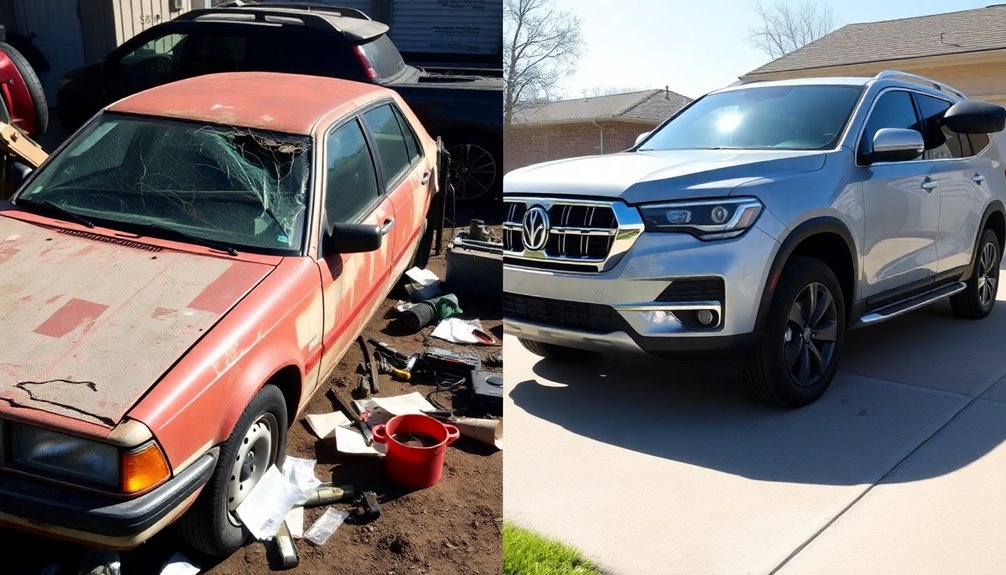
When you hear the term “money pit” in relation to cars, it paints a vivid picture of a vehicle that’s draining your wallet. A money pit refers to a car that demands frequent and costly repairs, often exceeding its current market value.
If you’re shelling out $3,000 to $4,000 annually for an older vehicle worth only $4,000, it’s a classic sign you’re in money pit territory. You might notice frequent breakdowns, safety concerns, and reliability issues, making each drive a potential hazard.
Emotional attachment can complicate your decisions, leading you to invest more money into this sinking ship instead of seeking a more reliable and cost-effective alternative. Recognizing when your car becomes a money pit is essential for your finances. Additionally, considering the financial benefits of used cars can provide a more sustainable solution to your transportation needs.
Key Signs Your Car Isn’t Worth the Repairs
When your repair costs start to exceed your car’s market value, it’s a clear sign that investing more mightn’t be worth it.
Frequent breakdowns, especially those that leave you stranded, signal ongoing reliability issues that can drain your wallet.
Recognizing these key signs can help you make a smarter decision about your vehicle’s future. Additionally, understanding the concept of cost-effective entertainment can provide alternative options for your budget while you evaluate your transportation needs.
Repair Costs Exceed Value
How do you know if your car’s repair costs have exceeded its value? It’s essential to recognize the signs that suggest you’re pouring money into a vehicle that’s no longer worth it.
Consider these key indicators:
- Repair costs exceed the car’s market value (often around $4,000).
- You’re facing frequent breakdowns, racking up annual repair bills of $3,000 to $4,000.
- The vehicle fails inspections, requiring costly safety repairs.
- Finding expensive parts becomes a challenge due to rarity.
- The cumulative costs of maintenance and repairs suggest it’s a “money pit.”
If you identify with these signs, it may be time to evaluate whether investing further in repairs is wise or if a replacement is the better option.
Frequent Breakdowns Occur
Frequent breakdowns can be a major red flag that your car isn’t worth the repairs anymore. If you find yourself stranded repeatedly, it’s time to reassess your vehicle’s reliability.
When repair bills for these recurring issues consistently exceed your car’s market value, junking the vehicle often makes more sense financially. Multiple repairs within a short time frame usually signal deeper mechanical problems, making your car less dependable for daily use.
Additionally, if your vehicle fails safety inspections or emissions tests due to ongoing issues, it’s a clear sign that continued investment isn’t wise. Pouring money into an aging car can create a “money pit” scenario, where you’re left with diminishing returns on reliability.
When Repair Costs Exceed Vehicle Value: A Red Flag
When repair costs start to outpace your vehicle’s market value, it’s a serious warning sign that you might be throwing good money after bad. Frequent breakdowns can signal that it’s time to reassess your car’s long-term reliability. Evaluating whether to keep sinking money into repairs or invest in a newer model is vital for your financial health. Additionally, with rising used vehicle costs, opting for a budget-friendly option can alleviate financial strain.
Repair Costs vs. Value
Is it really worth sinking money into repairs when your vehicle’s value is on the line? When repair costs exceed the current market value, it’s often a red flag.
Here are some signs to take into account:
- Repair expenses over 50% of the vehicle’s value
- Necessary repairs totaling more than the car’s worth
- Frequent repairs that add up quickly
- Extensive repairs like engine or transmission replacements
- The potential for better options available in the market
If your repair costs vs. value situation looks grim, it might be time to think about selling your car.
Investing in repairs could lead to more financial strain than simply letting go of a money pit.
Frequent Breakdown Indicators
Many car owners often find themselves frustrated by sudden breakdowns and escalating repair costs.
If your vehicle’s repair bills keep piling up, especially when they exceed its current market value, it’s a major red flag. Frequent breakdowns not only disrupt your daily life but can also drain your wallet faster than you’d expect.
If you’ve got a high-mileage car with a history of repairs, and your mechanic hints at more issues on the horizon, it’s time to reconsider your investment. A good rule of thumb is if the next repair costs over 50% of your car’s value, selling might be a smarter choice.
Don’t let your ride become a money pit; weigh your options carefully.
Assessing Long-Term Reliability
As you evaluate your vehicle’s long-term reliability, it’s essential to recognize that repair costs exceeding its market value often signal a need for change.
Consider these factors when appraising:
- Repair expenses consistently reaching 50% to 100% of your car’s worth.
- Frequent major repairs, like transmission or engine work.
- Recurring breakdowns leading to escalating costs of repairs.
- The total spent on repairs surpassing the vehicle’s cumulative value.
- Repair costs becoming a financial burden rather than manageable expenses.
If any of these scenarios apply, it’s time to reassess your investment.
A vehicle that demands constant attention may not be worth the trouble, and exploring alternatives could save you time and money in the long run.
The Impact of Frequent Breakdowns on Your Decision
While you might cherish the memories associated with your car, frequent breakdowns can quickly shift your perspective on its worth.
If your vehicle’s reliability diminishes, you may find yourself stranded more often or facing unexpected repair bills. When the costs of fixing recurring issues start to exceed your car’s market value, it’s a clear sign that keeping it isn’t financially wise.
Dealing with constant repairs can lead to emotional and financial stress, making the decision to invest in a more reliable vehicle seem increasingly practical. Additionally, the rising costs associated with higher monthly payments can further emphasize the urgency of seeking a dependable ride.
If you’re pouring money into a car that frequently fails, consider that a new ride could save you from the headaches and expenses associated with those persistent breakdowns.
Evaluating Safety Concerns: Is Your Car Still Safe to Drive?
When it comes to your car’s safety, evaluating its structural integrity is essential. You should also assess the functionality of your brakes and analyze the condition of your tires. These factors play a significant role in determining whether your vehicle is still safe to drive. Additionally, obtaining a trusted mechanic’s inspection can reveal hidden issues that may affect safety.
Assessing Vehicle Structural Integrity
To guarantee your vehicle remains safe to drive, you need to assess its structural integrity regularly. Neglecting this could lead to safety concerns or a decrease in vehicle value.
Here are key factors to inspect:
- Rust damage: Check for corrosion that weakens the frame.
- Chassis condition: Look for any signs of damage that could be costly to repair.
- Flood damage: Be wary of persistent odors or electronic issues.
- Body and frame: Regularly inspect for hidden vulnerabilities, especially in high-mileage cars.
- Repair costs: If repairs on critical components exceed the vehicle’s value, it might be time to contemplate replacement.
Evaluating Brake Functionality
How can you be sure your brakes are functioning properly? Regular brake inspections are essential.
If your brake pads are less than 1/4 inch thick, it’s time for a replacement; worn pads increase stopping distances and compromise safety.
Listen for any grinding noises when braking—this usually means the pads are completely worn down, risking damage to your rotors.
Don’t forget to check your brake fluid, which should be changed every two years or 24,000 miles to prevent moisture buildup that can lead to brake failure.
If your brake warning light comes on, address it immediately.
Finally, if you feel pulsating or vibrating while braking, it could indicate warped rotors, so get those evaluated promptly.
Your safety depends on it.
Analyzing Tire Condition
What signs indicate that your tires might be in trouble? Keeping an eye on your tires is essential for safety. Here are key indicators to watch for:
- Tread depth below 2/32 of an inch, increasing hydroplaning risk.
- Uneven wear patterns signaling alignment or suspension issues.
- Visible damage like cracks, bulges, or punctures that can cause tire failure.
- Under-inflated tires, which decrease fuel efficiency and raise blowout risks.
- Tires older than six years, even with good tread, can become unsafe due to age.
Regularly inspecting your tires for these issues will help guarantee your car remains safe to drive.
Don’t ignore these signs; your safety depends on it!
How Can Repair Frequency Indicate Future Reliability Issues?
While it might seem normal for a car to need occasional repairs, frequent breakdowns can signal deeper reliability issues that shouldn’t be ignored.
If your vehicle needs repairs every few months, it likely means major components are failing. This pattern of recurring issues, like electrical problems or engine malfunctions, often reveals mechanical flaws that won’t improve.
You should also consider the cumulative cost of these repairs; if they exceed your car’s market value, it’s becoming a financial burden.
Additionally, cars with high mileage that frequently need repairs are less likely to be a reliable car, as wear and tear on critical systems can lead to even more failures down the road.
Investing in energy-efficient siding can potentially reduce future costs associated with home repairs, similar to how addressing car issues early can prevent bigger problems later.
Stay vigilant and assess your repair frequency wisely.
Understanding the Long-Term Financial Implications of Repairs
When considering the long-term financial implications of car repairs, have you ever stopped to calculate just how much those expenses are draining your budget?
It’s easy for repair expenses to turn your vehicle into a money pit. Here are some factors to keep in mind:
- Annual repair costs can reach $3,000 to $4,000, often exceeding your vehicle’s value.
- Frequent breakdowns can lead to lost income from missed work.
- Evaluating cost per mile helps you weigh ongoing expenses against a new car’s reliability.
- High-interest loans on older vehicles can deepen your financial woes.
- Regular maintenance costs typically start lower but can quickly escalate.
Additionally, understanding cost-effective investment strategies can provide insights into how to manage your finances better when facing repair decisions.
Determining these implications is essential in deciding whether to keep pouring money into repairs or consider other options.
When Is It Time to Consider Selling Your Car Instead?
Have you thought about how often your car needs repairs and whether it’s really worth the hassle?
If repair costs exceed your vehicle’s market value, it’s time to contemplate selling. Frequent breakdowns and high annual repair bills—averaging $3,000 to $4,000 for older cars—can signal that investing in repairs isn’t worth it.
Additionally, safety concerns from failing inspections or reliability issues make selling a more practical choice. If your car requires hard-to-find parts or has serious mechanical problems, you might benefit more from selling it.
Engaging with specialized junk car buyers can simplify the process, as they handle all the paperwork and often provide cash offers without negotiation. Moreover, just like budgeting apps can help manage expenses during an RV trip, they can also assist you in evaluating the cost-effectiveness of car repairs versus selling.
It might be time to move on and find a reliable ride.
Exploring Alternatives: Repair vs. Replacement
Deciding between repairing your car or replacing it can feel overwhelming, especially if you’ve built a strong connection to your vehicle.
Choosing whether to repair or replace your car can be a daunting decision, particularly when you have an emotional attachment to it.
To help you navigate the repair vs. replacement dilemma, consider these factors:
- Repair costs exceed market value: If repairs cost more than what your car’s worth, it might be time to let go.
- High annual repair bills: Spending $3,000 to $4,000 a year on repairs can signal it’s time for a change.
- Frequent breakdowns: Constant issues can disrupt your peace of mind.
- Future repair predictions: Assess potential upcoming costs before deciding.
- Practicality over emotions: Focus on reliability and cost-effectiveness to make a smart choice.
- Consider ownership costs: Factor in ongoing expenses like fuel efficiency and maintenance when evaluating your vehicle’s overall value.
Weighing these aspects can guide your decision on whether to repair or replace your vehicle.
The Emotional Attachment: How Does It Affect Your Decision?
How does your emotional attachment to your car influence your decision-making process? This bond can cloud your judgment, making it hard to evaluate the financial implications of repairs versus your car’s actual value.
You might feel a deep sense of nostalgia or a personal connection that keeps you pouring money into maintenance, even when costs soar above $3,000 annually. This is often driven by the sunk cost fallacy, where you keep investing because you’ve already spent so much.
Recognizing that this emotional attachment can hinder practical choices is vital. It may prevent you from considering more reliable and cost-effective transportation options, leaving you stuck in a cycle of costly repairs that don’t make sense financially. Embracing a frugal mindset can help you prioritize your financial security over sentimental value.
What to Do After Deciding to Junk Your Car
Once you’ve made the choice to junk your car, it’s essential to take the right steps to secure a smooth process. Here’s what you should do:
- Research reputable junk car buyers who handle any condition.
- Gather necessary documentation, like the vehicle title and papers.
- Evaluate quotes from multiple buyers to secure a fair cash offer based on your current vehicle’s scrap value.
- Schedule a pickup time, as many offer free towing services.
- Cancel your insurance policy on the junked vehicle and inform the DMV to avoid liabilities.
Following these steps will help you navigate the process efficiently and secure you get the best deal for your current vehicle.
Conclusion
In the end, deciding whether your car is a money pit or a reliable ride boils down to practical considerations and emotional ties. If repairs are draining your wallet and patience, it might be time to say goodbye. Remember, holding onto a sinking ship won’t get you to shore. Trust your instincts, weigh your options, and embrace the freedom that comes with moving on. After all, sometimes letting go opens the door to new adventures on the road ahead.