
 0
0
 0
0
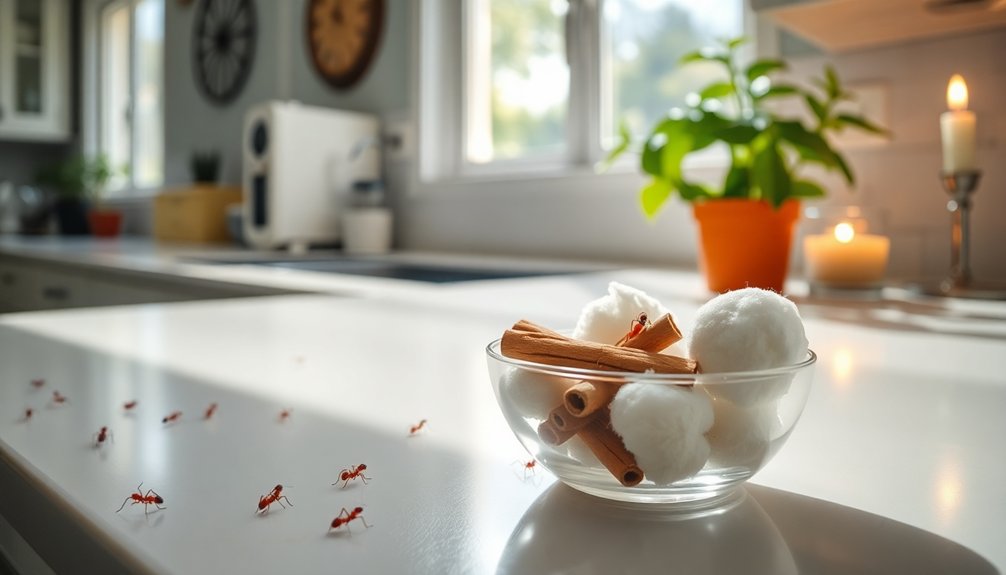
To get rid of little red ants, start by identifying their trails and nesting sites. Seal entry points in your home to prevent access, and maintain cleanliness by wiping surfaces and storing food in airtight containers. Natural remedies like essential oils and vinegar can help repel them, while homemade bait with borax and sugar effectively eliminates the pests. Implement physical barriers outside your home, and if the problem persists, there are more strategies you can explore.
Identify the Ant Trails and Nesting Sites
To effectively get rid of little red ants, you first need to identify their trails and nesting sites. Observe their behavior; you’ll often see ant trails leading to food sources.
Look for nesting sites in warm, moist areas, like under rocks or within wooden structures. Check for signs of ant activity near entry points, such as gaps around windows or doors, which indicate potential access routes to your home.
Use a flashlight to inspect dark areas, like basements or attics, where ants may establish colonies. Regularly monitor trails, as little red ants can quickly change their routes based on food availability. Additionally, using expense tracking tools can help you manage any costs associated with pest control efforts effectively.
Seal Entry Points to Prevent Access
While you may not realize it, little red ants can slip into your home through the tiniest cracks and gaps. To prevent access, start by inspecting all doors, windows, and your home’s foundation for common entry points.
Fill in small cracks and crevices with silicone caulk or foam sealant to create a tight seal against these pesky invaders. For larger openings around pipes and vents, use steel wool or copper mesh to block potential entryways effectively.
Additionally, applying weatherstripping or door sweeps around doors and windows can further seal gaps. If you find larger holes, cover them with hardware cloth or metal sheeting to reinforce structural integrity and hinder ant colonies from infiltrating your space. Furthermore, using products with receipt scanning technology can help you track expenses related to pest control and maintenance effectively.
Maintain Cleanliness to Deter Ants
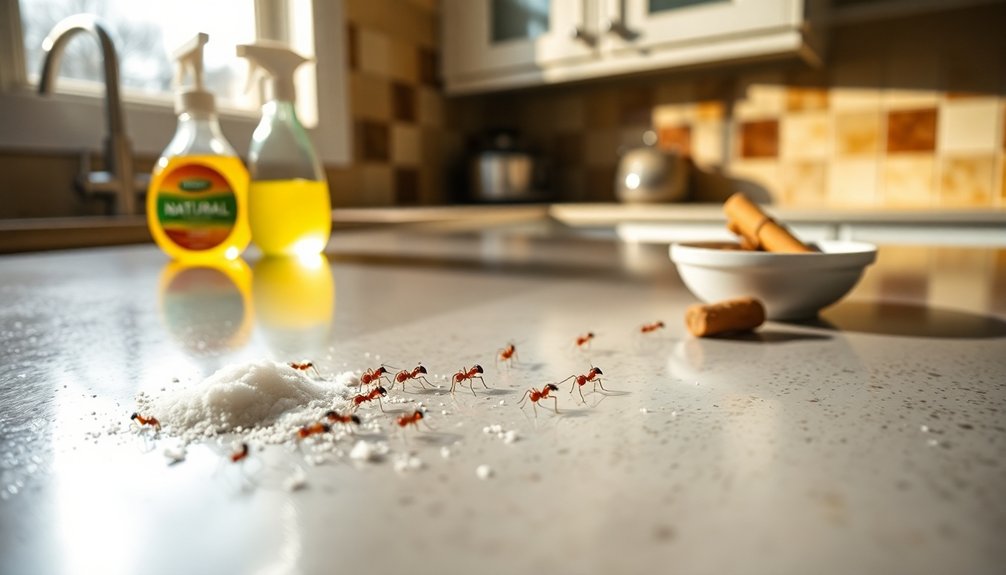
Maintaining cleanliness is essential if you want to keep little red ants at bay. By creating a clean environment, you reduce the risk of an ant infestation.
- Regularly wipe down countertops and surfaces to remove food residues.
- Store food in airtight containers to prevent access.
- Sweep and vacuum floors daily to eliminate hidden food particles.
Promptly clean up spills and messes, as lingering food sources can draw ants into your kitchen.
Don’t forget to inspect and clean around pet food bowls; uneaten food can be a major attractant. Additionally, utilizing personalized recommendations for eco-friendly cleaning products can enhance your efforts in maintaining a tidy space.
Natural Remedies to Repel Ants
If you’re looking for effective ways to keep little red ants away, natural remedies can be your best allies.
Essential oils like peppermint oil, tea tree, and lemon eucalyptus can be mixed with water and sprayed around entry points to repel ants. A simple cleaning solution of equal parts vinegar and water can wipe surfaces, masking ant scent trails and creating an unpleasant odor.
Sprinkling diatomaceous earth in affected areas can kill ants by dehydrating their exoskeletons, and it’s safe for homes with pets and kids. Ground cinnamon and coffee grounds can also serve as natural deterrents, creating barriers that repel ants while recycling used coffee. These remedies offer a frugal and effective approach to keeping little red ants at bay. Additionally, utilizing budgeting apps for beginners can help you save money on pest control solutions while effectively managing your finances.
Homemade Bait for Effective Elimination
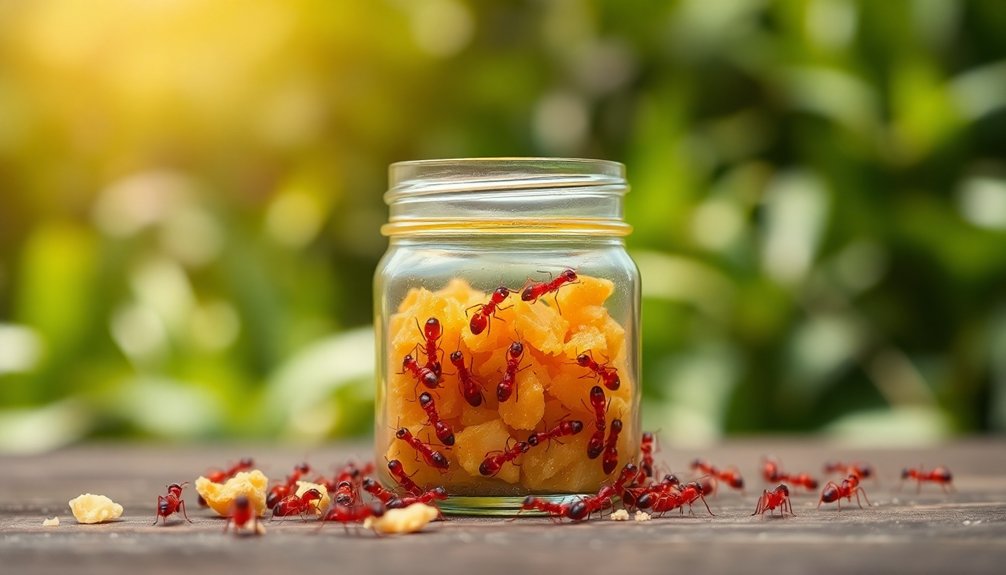
If you’re looking for an effective homemade bait to tackle little red ants, you can’t go wrong with a borax and sugar mixture. Just mix borax with sugar to attract the ants, and they’ll carry it back to their colony. Alternatively, consider a baking soda bait option, which disrupts their digestive systems while still luring them in. This strategy can be aligned with financial goal tracking, as monitoring your progress can help you stay committed to your pest control efforts.
Borax and Sugar Mixture
A simple yet effective way to tackle little red ants in your home is by creating a borax and sugar mixture. This homemade bait attracts ants and helps eliminate them over time.
- Mix 1/2 teaspoon of borax with 8 teaspoons of sugar in 1 cup of warm water.
- Soak cotton balls in this solution and place them in areas where you notice ant activity.
- Regularly replace the cotton balls and monitor for ongoing ant presence.
The sugar lures the ants, while borax works as a slow-acting poison that disrupts their digestive systems.
Just remember to keep the mixture away from pets and children, as it can be harmful if ingested.
With diligence, this bait can prove effective in your ant elimination efforts.
Baking Soda Bait Option
One effective homemade bait for eliminating little red ants combines baking soda and sugar.
To create this ant bait, mix 2 tablespoons of baking soda with an equal amount of sugar. Place the mixture in shallow dishes or on small pieces of cardboard in areas where you see ants. The sugar attracts them, while the baking soda disrupts their digestive systems.
It’s important to monitor these bait stations regularly and replenish them as needed to guarantee they remain effective. This non-toxic solution is safe for children and pets, making it ideal for households.
For the best results, pair your baking soda bait with cleanliness measures, like sealing food containers and cleaning up spills, to minimize ant attraction.
Utilize Physical Barriers and Deterrents
To effectively keep little red ants at bay, utilizing physical barriers and deterrents can make a significant difference in your home.
Here are some easy methods to try:
- Sprinkle ground black or red pepper around baseboards and entry points to create a strong barrier that repels ants.
- Use diatomaceous earth in areas of ant activity; this natural powder damages their exoskeletons and provides a long-lasting deterrent.
- Smother ants with a mixture of cornstarch and water, trapping and eliminating them without harmful chemicals. Additionally, consider implementing sustainable delivery practices to ensure that your pest control methods do not negatively impact the environment.
Outdoor Prevention Strategies
While keeping your yard tidy might seem like a simple task, it plays an essential role in preventing little red ants from invading your home.
Start by maintaining a clean yard; regularly remove debris like fallen leaves and wood piles that can attract ants or serve as nesting sites. Trim back vegetation and vines that touch your house to eliminate potential access points.
Maintaining a clean yard and trimming back vegetation are key steps to prevent little red ants from invading your home.
It’s also important to seal entry points around your home’s foundation using silicone caulk or steel wool. Regularly check for and eliminate ant pathways by monitoring your property’s perimeter and applying barriers like ground pepper or diatomaceous earth.
Finally, promptly dispose of outdoor garbage and food waste to prevent future infestations. Additionally, understanding how expense categorization can help streamline your financial management may free up resources for effective pest control measures.
When to Seek Professional Help
If you’ve tried DIY methods and the little red ants just keep coming back, it might be time to call in the pros.
A severe infestation or health risks, like bites or property damage, can indicate that you need expert help.
Don’t hesitate to reach out if you’re dealing with persistent problems or multiple ant species; they can offer targeted solutions that keep your home safe. Additionally, consider scheduling payment alerts for pest control services to ensure you don’t miss any necessary treatments.
Severity of Infestation
A significant ant invasion in your home can quickly become overwhelming, signaling a need for professional help. If you’ve tried various DIY methods to kill the ants but still see ants consistently, it’s time to contemplate expert assistance.
Remember to look out for these signs:
- Frequent ant activity in multiple areas of your home
- Persistent ant trails that don’t diminish over several weeks
- Difficulty locating nests or entry points
These indicators suggest a larger ant problem that requires professional pest control.
Ant colonies can thrive unnoticed, making it hard to eliminate an ant without expert help. To prevent ant infestation, it’s vital to address these issues promptly.
Don’t let the situation escalate; seek help when necessary.
Health and Safety Risks
Little red ants can pose significant health and safety risks, especially in homes with children or pets.
If you notice persistent ant trails, it might indicate a larger infestation that requires professional extermination. Some ant species, like fire ants, can deliver painful stings, leading to potential allergic reactions.
Using strong chemical treatments can be risky without proper expertise, making it vital to contemplate professional pest control for safer, targeted solutions.
If your DIY methods lead to frustration or stress, seeking professional help can provide peace of mind and an effective resolution.
Remember, prioritizing safety is essential, especially when dealing with infestations in food storage or preparation areas.
Don’t hesitate to reach out for expert assistance when needed.
Persistent Ant Problems
Persistent ant problems can quickly escalate from a minor nuisance to a major headache, especially when DIY methods don’t yield results after a few weeks. If you’re facing this issue, it may be time to consult professional pest control.
- Notice a rise in ant activity or multiple trails?
- Struggling to eliminate colonies despite thorough cleaning and sealing of entry points?
- Suspect hidden nests that require expert detection?
A professional can provide targeted treatments to eliminate entire colonies, ensuring long-term relief.
They’ll also offer tailored advice on effective prevention strategies to stop ants from returning.
Don’t let persistent ant problems disrupt your home—getting expert help can save you time and frustration.
Conclusion
Now that you’ve armed yourself with these frugal and effective strategies, you’re just one step away from reclaiming your space. Envision this: a home free of those tiny red intruders, where you can relax without worry. But what if they persist despite your efforts? Don’t let them take over—stay vigilant and prepared. If the little invaders keep marching in, it might be time to contemplate a professional intervention. Your peaceful home could be just one call away!